The island of Sumba NTT holds an extraordinary variety of beauty. From dry savannas to green hills, from preserved indigenous villages to luxury resorts that are beginning to proliferate, every corner of the island offers a completely different experience. And, to understand Sumba as a whole, we need to know the four districts that make it up, because each has a distinctive character, culture, and tourist attractions.
What are Sumba’s administrative regions?
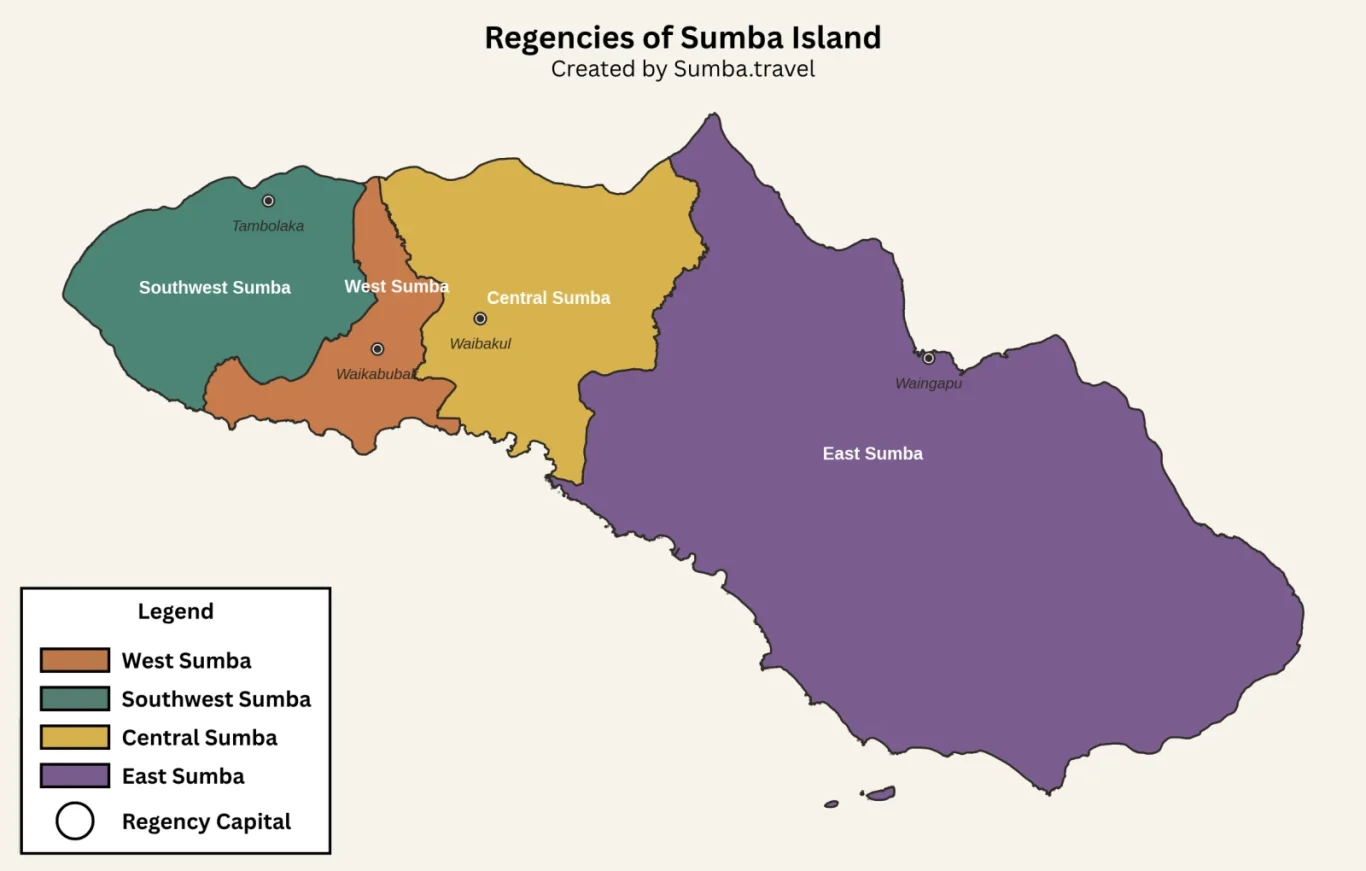
Administratively, Sumba is divided into four districts, called regencies, under the province of East Nusa Tenggara (NTT): Southwest Sumba, West Sumba, Central Sumba, and East Sumba. Here is a comparison of the four regencies in Sumba:
| District Name | Landscape | Characteristics | Tourism level |
|---|---|---|---|
| West Sumba | Tropical Forests | Center for luxury resorts and upscale tourism | Highly developed with many international resorts |
| Southwest Sumba | Tropical Savanna | Rapidly developing region with natural and cultural destinations | Growing with new resorts and an influx of tourists |
| Central Sumba | Highlands | Most traditional and isolated areas | Very minimal with almost no infrastructure |
| East Sumba | Highland Savannas | Economic center with Waingapu as the largest city and a deep-rooted culture | Minimal but growing |
What Is a Regency in Indonesia?
A regency is a second-level administrative area headed by a regent, in contrast to a province that is led by a governor and is first-level. Since the enactment of regional autonomy, each district has the authority to regulate its own households, including in terms of education, health, infrastructure, and tourism development.
Explore Sumba’s Regions
West Sumba: Green Paradise
West Sumba is a destination that has long been known as a luxury tourist paradise. The district is the hub of world-class resorts offering unforgettable stays.
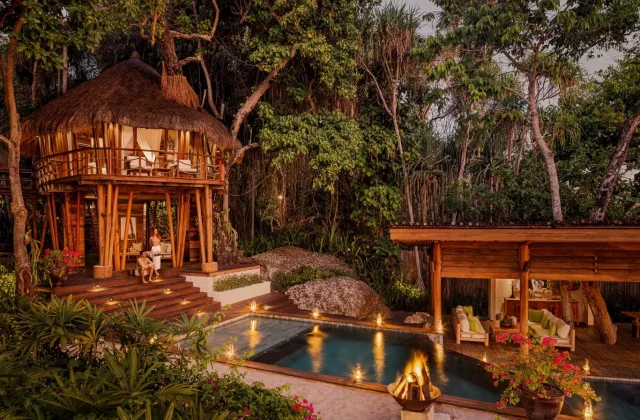
The true spirit of West Sumba lies in its green hills that contrast with the Blue Ocean. This is where you will find NIHI Sumba, a resort that is often included in the list of the best resorts in the world thanks to its top-notch service. Apart from NIHI, there are also villa Haweri and the Sanubari which offer total privacy and spectacular sea views.
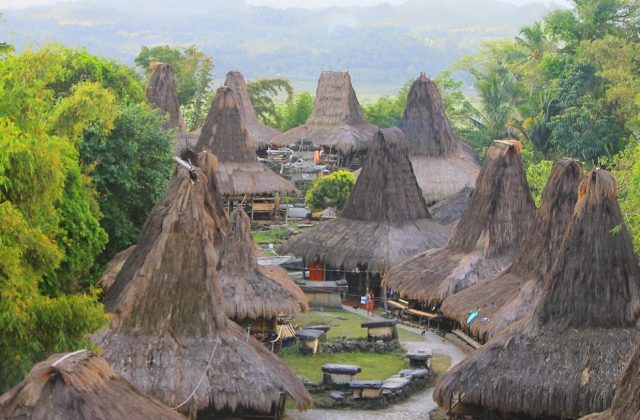
Resorts of West Sumba provide not only luxurious accommodations, but also cultural experiences such as visiting indigenous villages, seeing the process of weaving ikat fabrics, or watching Pasola traditional ceremonies.
Top Landmarks in West Sumba
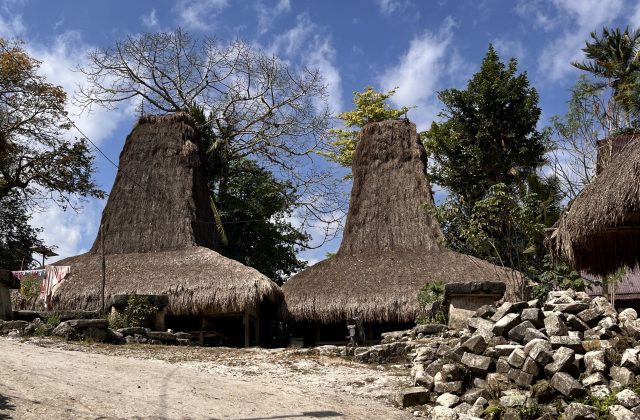
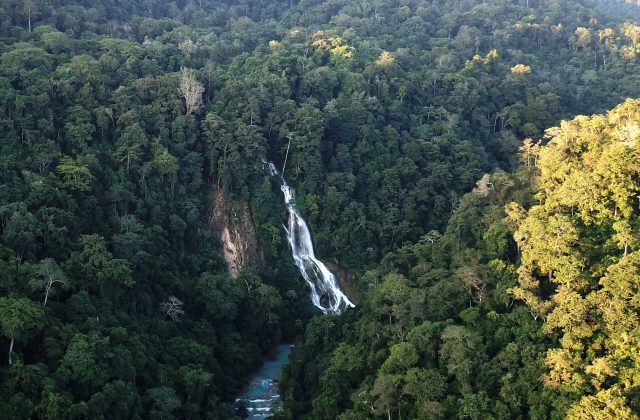
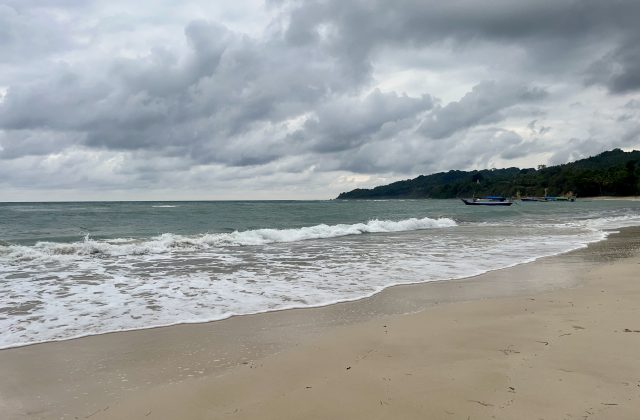
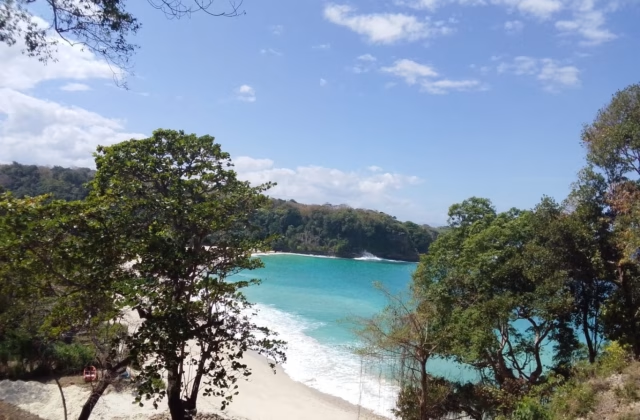
West Sumba is the island’s premier destination for luxury and cultural experiences, offering a perfect blend of pristine nature, ancient traditions, and world-class resorts along its lush green coastline.
Best Places to Stay in West Sumba
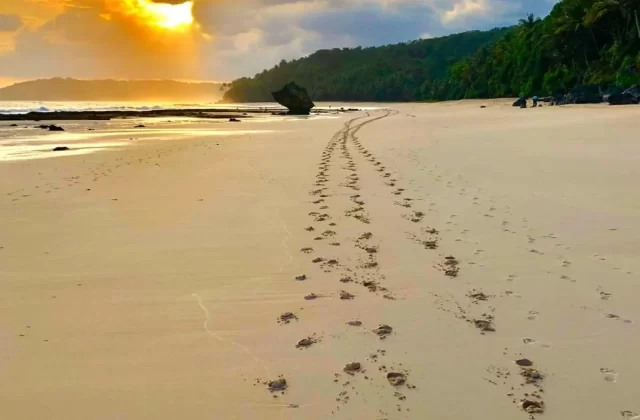
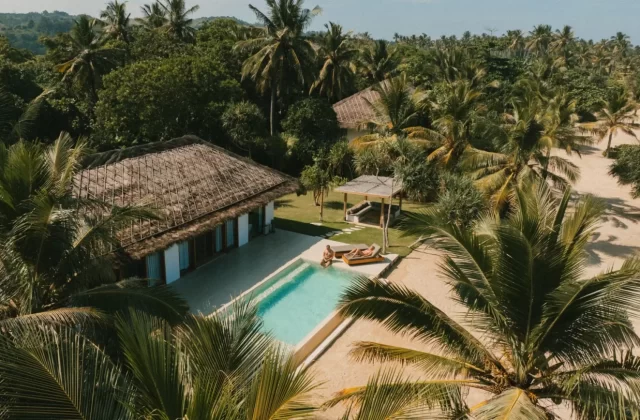
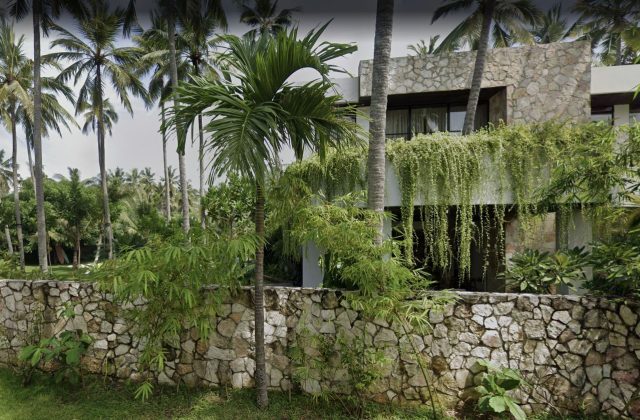
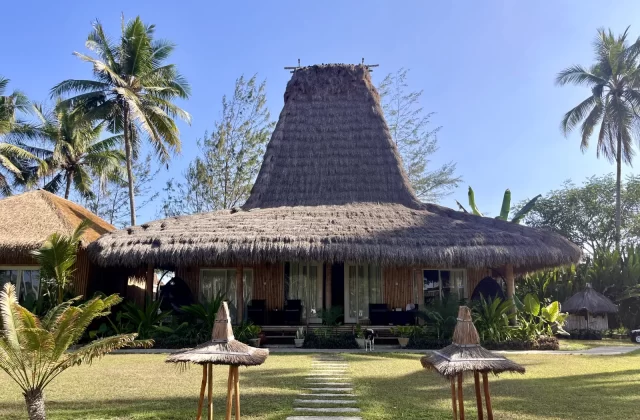
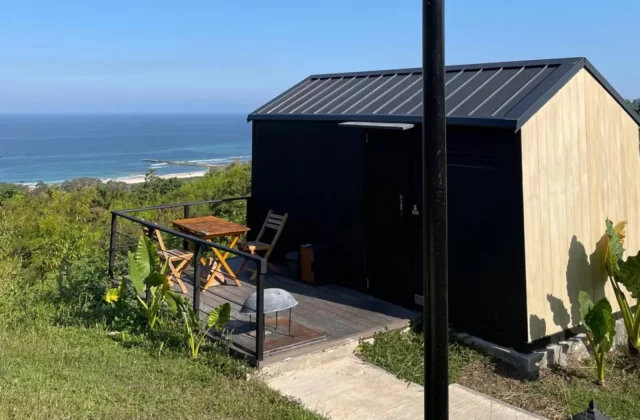
Finding the right accommodation is the key to enjoying your stay in West Sumba. Explore the top accommodations in the region below!
Southwest Sumba: Emerald Coast
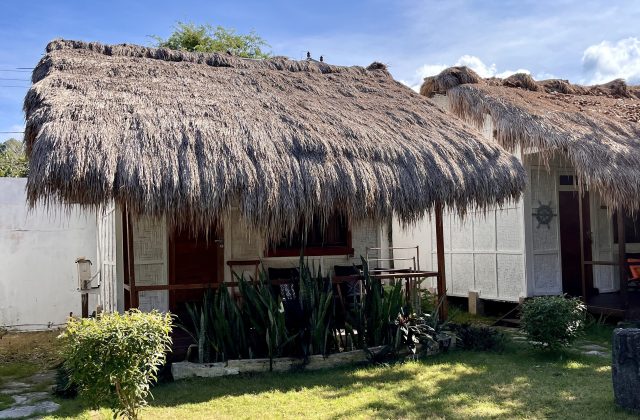
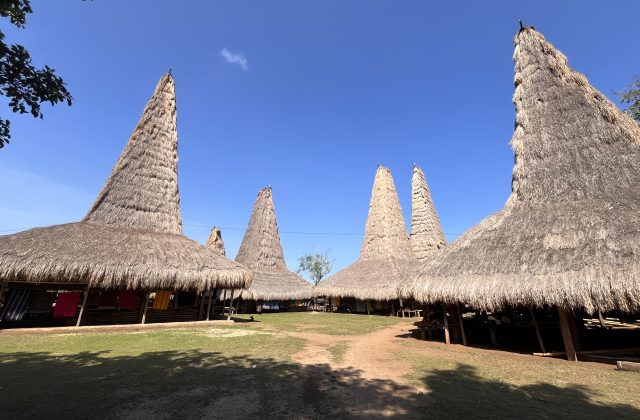
Unlike West Sumba, which has long been known as a luxury tourist paradise, Southwest Sumba offers a more authentic and diverse experience. This regency is the result of the expansion of West Sumba in 2007, and is now the fastest growing destination on the island. The charm of Southwest Sumba lies in the blend of natural beauty that is still virgin and cultural wealth that is still alive.
Top Landmarks in Southwest Sumba
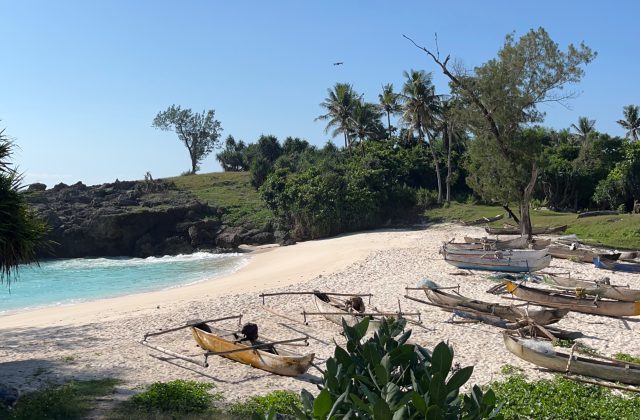
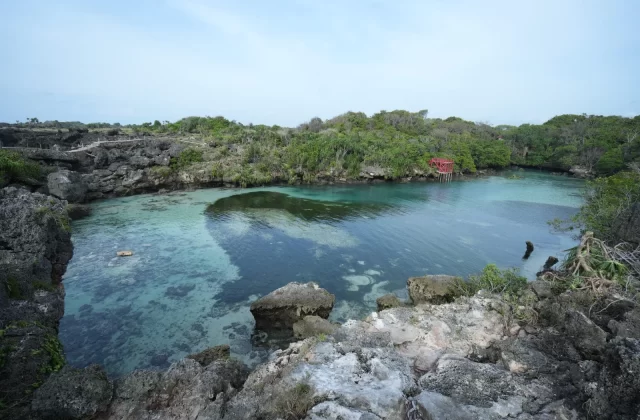
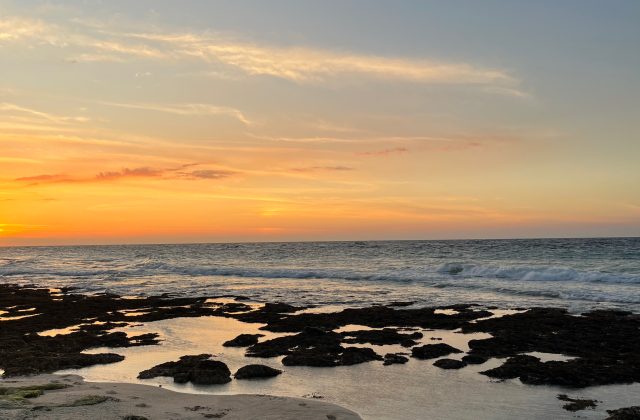
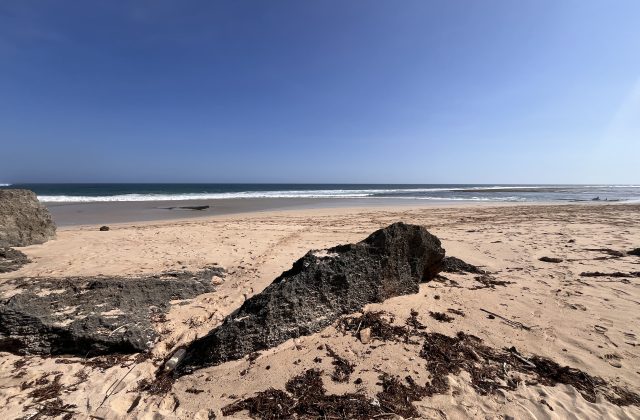
Southwest Sumba’s coastline stretches out to the Indian Ocean, presenting huge waves that lure surfers and dramatic coral cliffs. Below are some of the top spots in the region that you must certainly add to your itinerary.
Best Places to Stay in Southwest Sumba
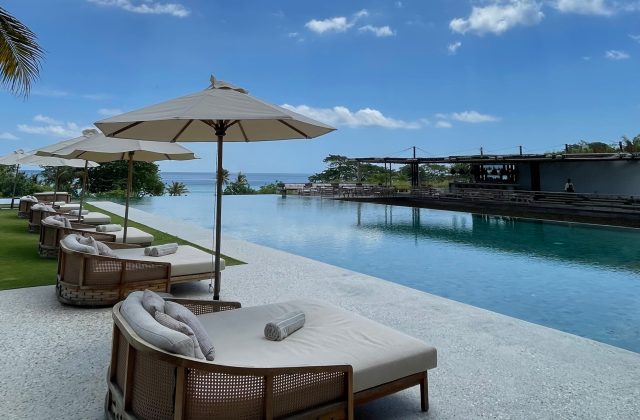
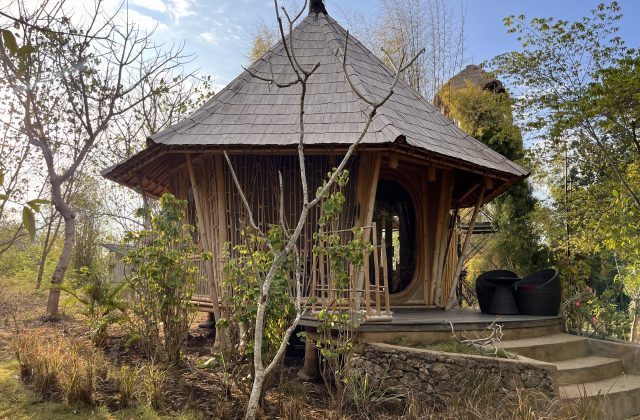
You must find a good base to start exploring the emerald coast. Below, you can find some of the top resorts and hotels in Southwest Sumba.
Central Sumba: Tranquil Highlands
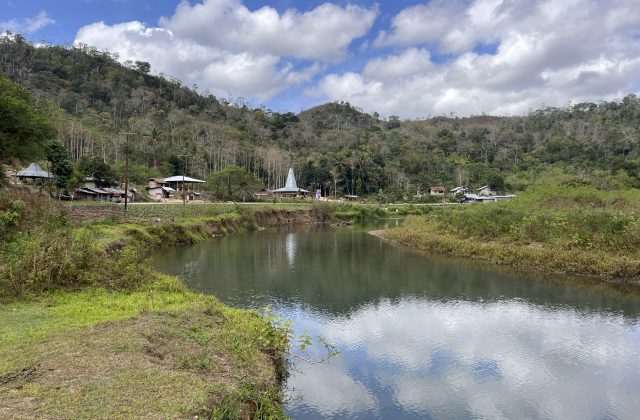
Unlike the previous two districts that focus on beach tourism, Central Sumba offers a completely different experience. The district is located in the heart of the island and is mostly Upland and hilly. Central Sumba is the most traditional region and the least visited by tourists.
Water scarcity is a major challenge in Central Sumba. As a semi-arid region, access to clean water is very limited, especially during the dry season. The indigenous villages here are still very firmly holding the Marapu tradition, and the daily life of the people is still very dependent on nature.
Top Landmarks in Central Sumba
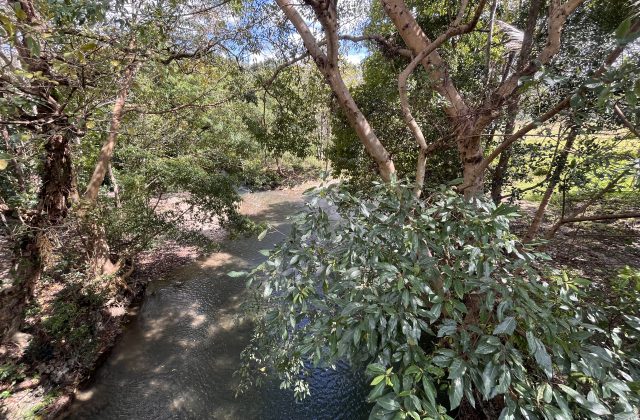
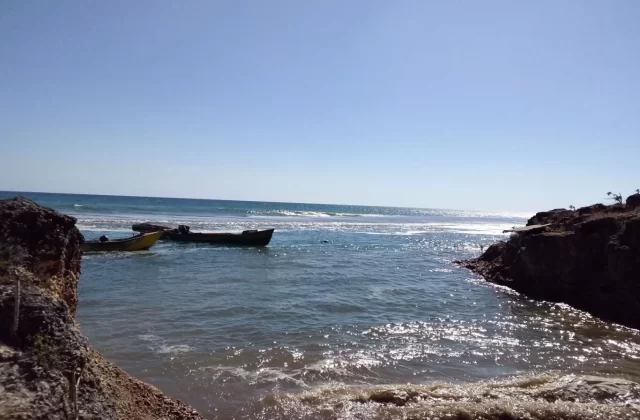
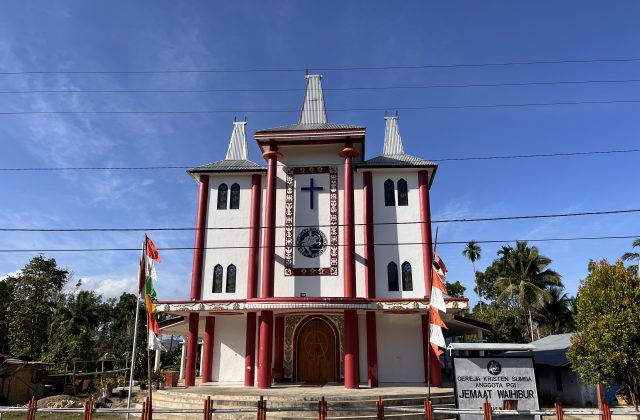
Central Sumba remains the island’s most traditional and least-visited region, yet it holds some of the most authentic cultural and natural attractions for adventurous travelers seeking an off-the-beaten-path experience.
Best Places to Stay in Central Sumba
There is a limited number of places to stay in Sumba. Anna Villas is one of the best choices on within the region for travelers who want to stay at a place where they can enjoy tranquility and privacy together. Alternatively, the town of Waibakul has various homestays and guesthouses for budget travelers.
East Sumba: Urban Centers & Hidden Coves
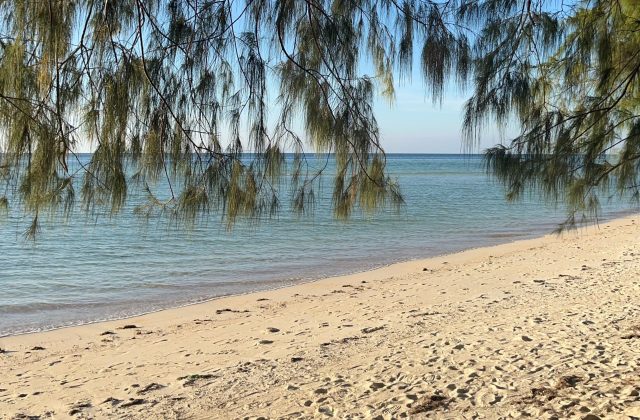
East Sumba is the most unique district among the four. On the one hand, the region has Waingapu, the largest city and main port in Sumba. Waingapu is the center of economy, trade, and administration, with more complete facilities than other cities in Sumba. On the other hand, East Sumba harbors still very virgin beaches and iconic highland savannas.
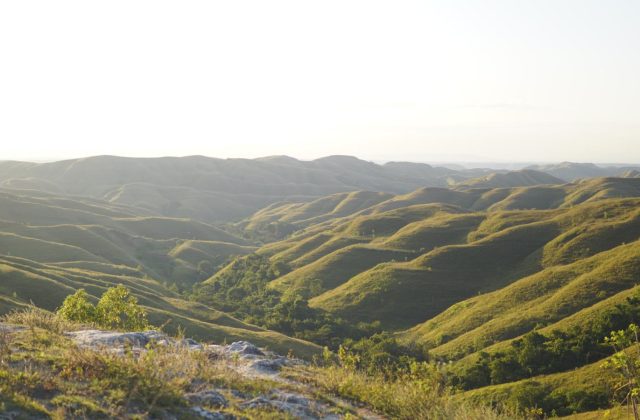
Wairinding Hill is probably the most famous destination in East Sumba, with views of the undulating green Savanna; a sight that often appears in Sumba’s tourism promotional photos. Here, you can see a vast expanse of grass with scattered palm trees, creating a very photogenic landscape.
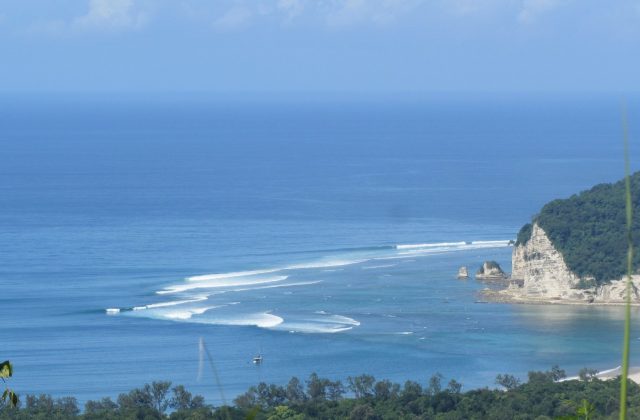
Meanwhile, Tarimbang Beach is a paradise for surfers. Huge waves breaking on this white sandy beach attract tourists from different countries. Although access is not easy, the beauty of Tarimbang is worth the struggle to achieve it.
Top Landmarks in East Sumba
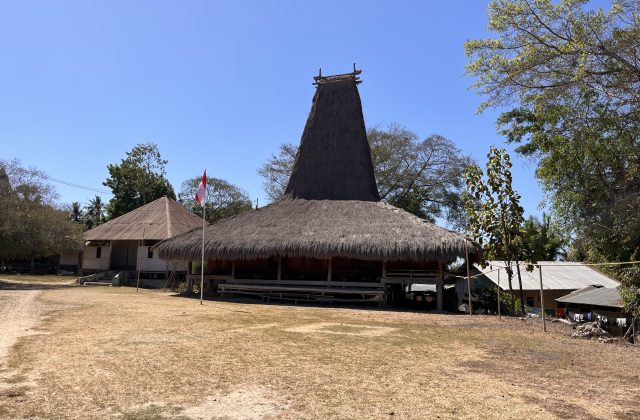
Although East Sumba is often overlooked by travelers, this region holds a number of stunning landmarks, ranging from iconic green savannas to beaches with world-class waves.
Best Places to Stay in East Sumba
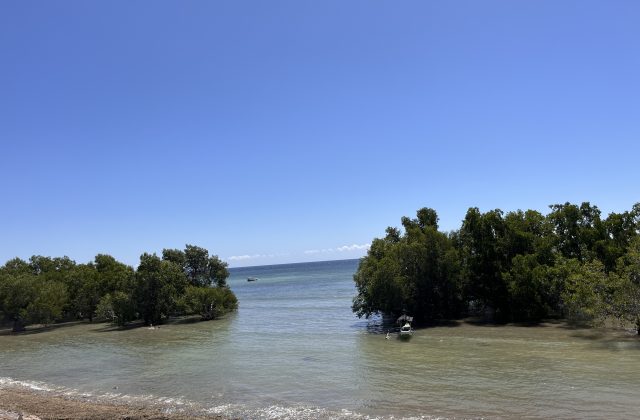
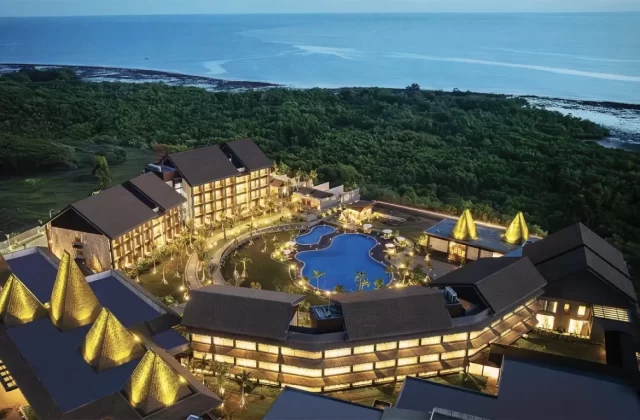
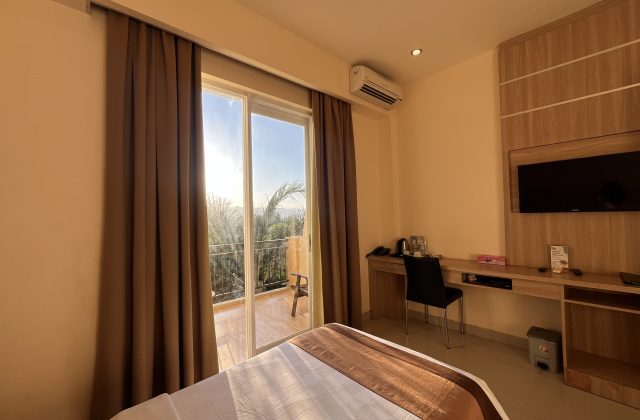
It takes more than a single day to bask in the beauty of East Sumba, with its vast savanna hills, mangrove forests and stunning beaches. Find a strategic accommodation to make the best of your stay in this dreamlike terrain.
Which Region of Sumba Is the Best?
There is no single answer to this question, because each region of Sumba has its own beauty and attractiveness. The "best" depends largely on your preferences and travel goals:
West Sumba for for luxury and comfort. World-class resorts such as NIHI offer an unforgettable stay, while the proximity to major attractions make the region a popular base for exploring the rest of the island.
Southwest Sumba is the right choice for enjoying the beauty of nature and culture that is still authentic. From Ratenggaro village to Laguna Weekuri, the district offers a complete tour package.
Central Sumba will provide an experience that you will not get anywhere else. If you are a true adventurer who wants to experience the most authentic Sumba, this is the region for you.
East Sumba is a convenient base to get a combination of ease of access and adventure. If you stay at the town of Waingapu, you can easily explore the island’s actual virgin beaches and iconic savannas.
Why Did They Separate Sumba Like This?
So, we got a gist of what different regions are like. But, why is Sumba separated like this?
While the division sounds odd, it was not a sudden decision. This process began in 1958 when the island of Sumba was divided into West Sumba and East Sumba. The goal was to facilitate administration and development on a fairly large island with rugged terrain. In 2007, there was a wave of massive administrative expansion in Indonesia, including in NTT. During this wave of expansion, West Sumba was split into West, Central and Southwest Sumba regencies.
Several factors were behind this expansion:
- Facilitate Public Service: With large areas and difficult terrain, services from district centers often did not reach remote areas. The expansion was expected to bring the service closer to the community.
- Equal Development: Each region had different potentials and challenges. By becoming their own districts, four regions gained the opportunity to focus on developing their superior potential.
- Regional Aspirations: Peoples in certain areas had stronger cultural and historical identities. These clans wanted self-government that better understands local needs.
Interesting Fact
Pemekaran, the administrative expansion process, has been controversial in some regions of Indonesia due to its costly nature and potential to trigger conflicts. Nevertheless, in Sumba, the expansion of the four districts is generally accepted, largely due to the real-world positive impact of it.
Conclusion
Sumba is an island with four distinct personalities:
- West Sumba is a center of luxury with world-class resorts.
- Southwest Sumba is a rising destination with a stunning blend of nature and culture.
- Central Sumba is the traditional heart of the Highlands offering an authentic experience for adventurers.
- East Sumba is an urban gateway with virgin beaches and iconic green savannas.
Whether you’re looking for world-class surfing, an immersive cultural experience, or beachfront luxury, Sumba has a region waiting to be explored. Start planning your Sumba adventure today!