01 / SCALE
11,153
km² Island Size
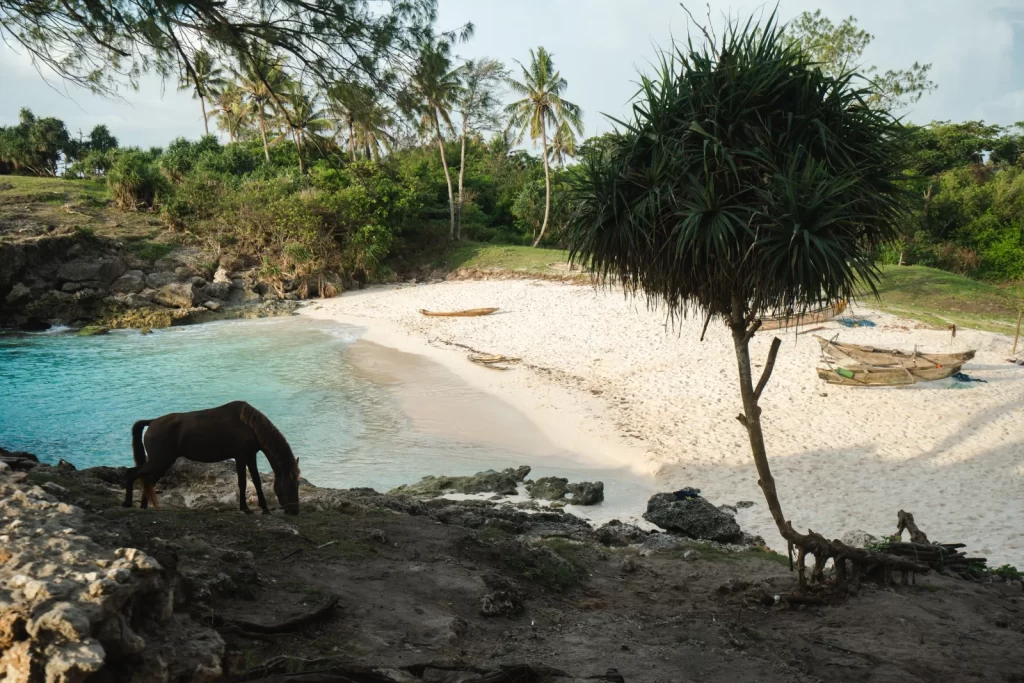
Step into a land where time slows down. From ancestral megalithic villages to world-class swells, explore the rugged, mystical beauty of Indonesia's last frontier. Discover Sumba for an unforgettable adventure.
In a world moving at a frantic pace, Sumba remains rooted in the rhythm of the seasons and ancestral wisdom. With its mist-covered peaks in the West and the golden savannas in the East, Sumba invites you to trade the familiar for the extraordinary! Let’s discover all that Sumba, the world’s last frontier begins, has to offer.
A journey intto the heart of the world's most pristine land.
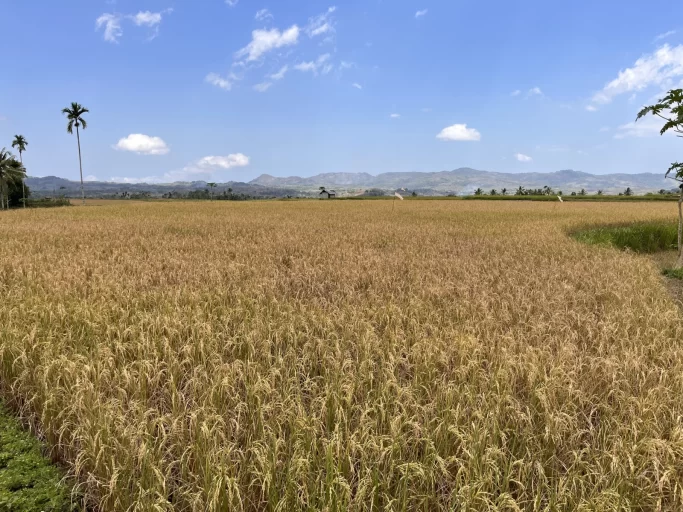
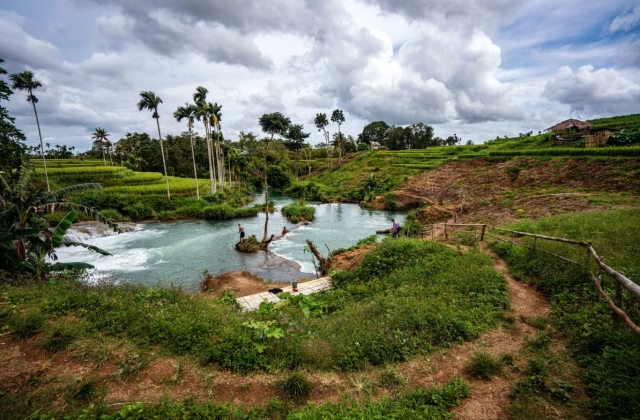
Sumba is a paradise island with golden beaches, world-class surf breaks, and hidden lagoons.
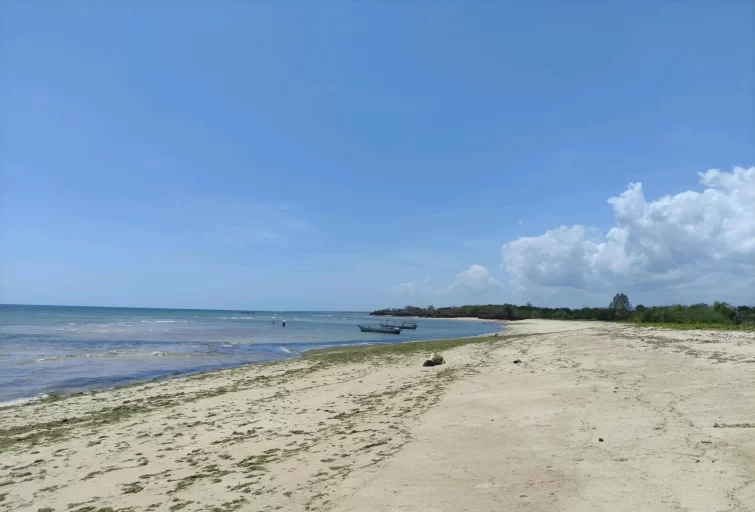
Sumba’s pristine coves and virgin beaches offer a once in a lifetime experience.
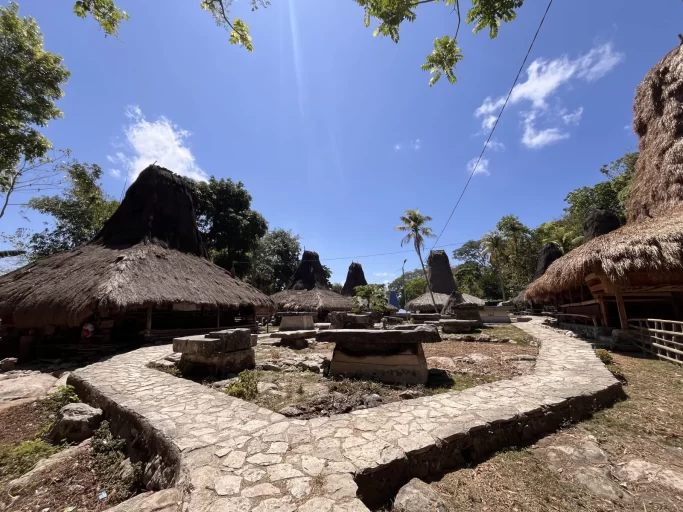
Sumba has preserved its Marapu heritage and ancient culture for millennia.
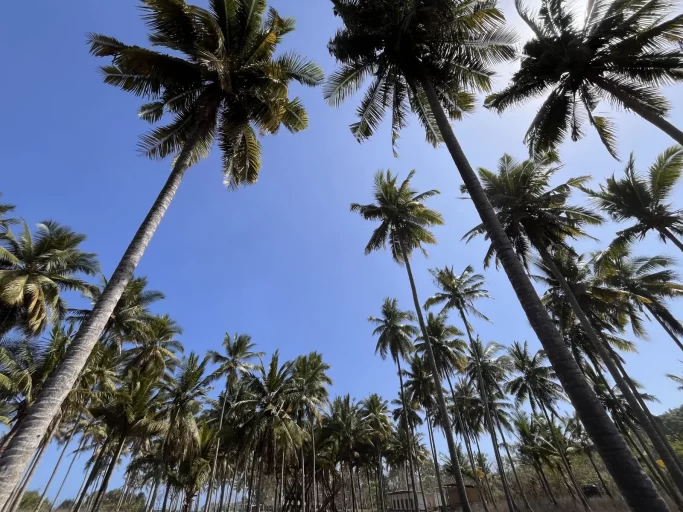
Sumba is far from mass tourism and rich in authentic experiences.
Sumba’s landscape is a geological anomaly: an island of uplifted coral reefs and ancient limestone that bucks the volcanic trend of its Indonesian neighbors. This unique foundation yields a tapestry of natural wonders that shift with the seasons and the island’s famous natural wonders offer a truly unique adventure.
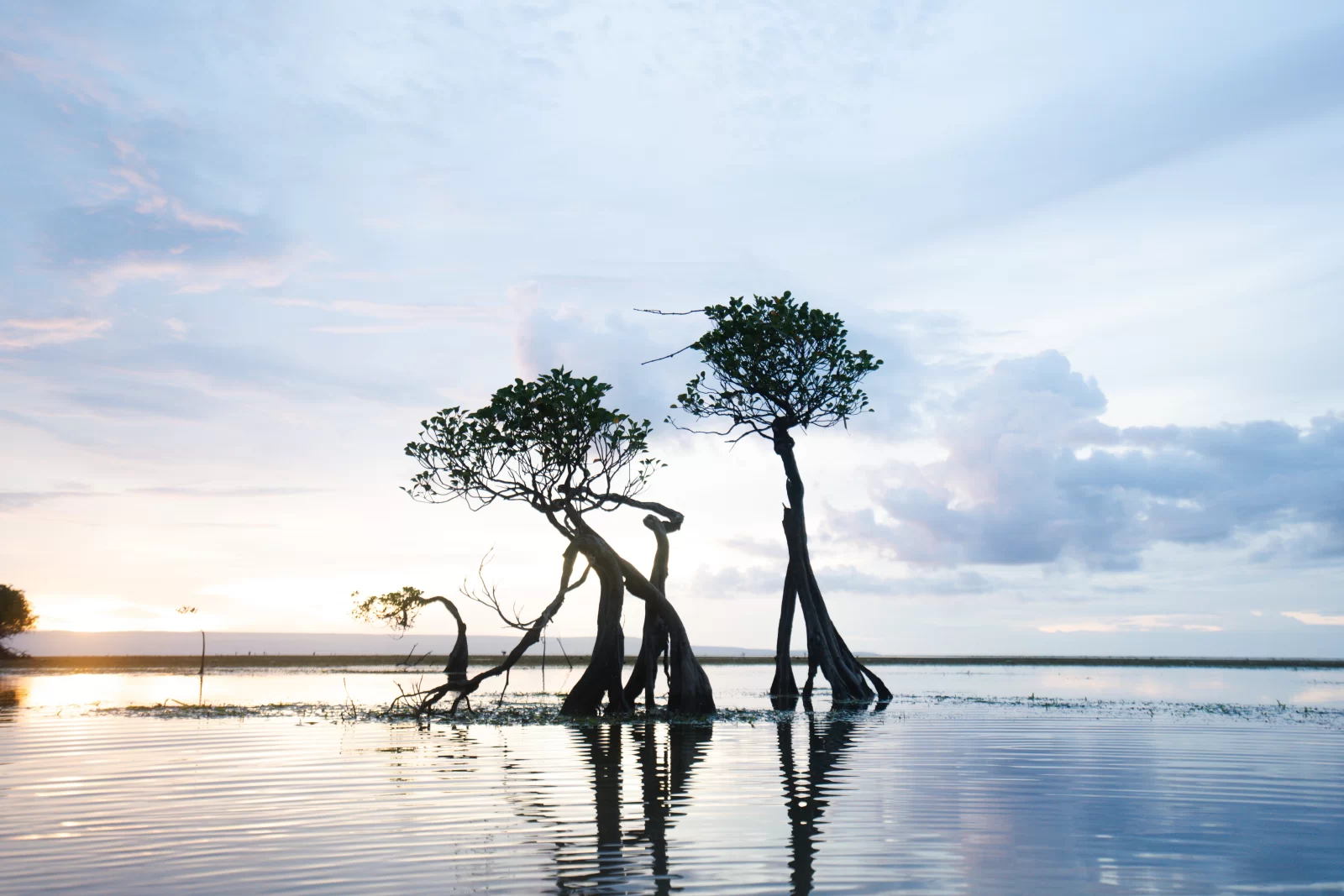
On the eastern coast of Sumba Island, the unusual sight of mangrove trees draws visitors to Walakiri Beach. As daylight fades, mangrove trees across the shoreline become stark silhouettes against the colored backdrop, earning them the name “The Dancing Trees.” Photographers often wade into water to capture their own outlines joining the scene. A day trip to Walakiri offers a genuinely stunning adventure.
On southwestern Sumba, Weekuri Lagoon sits enclosed by rugged coral rock, separated from the ocean yet connected by channels beneath the surface. The water shifts color throughout the day: turquoise deepening to emerald as sunlight moves across the sky. Below the surface, seaweed drifts over white sand. Swimming here freshens you up, regardless of the tropical heat.
Inside Manupeu Tanah Daru National Park, Lapopu Waterfall descends through a forested cleft in western Sumba. It cascades down stepped rock faces, splitting and reforming across multiple levels. By the time it reaches the main pool, the current softens to a wide stream spreading over dark stone. The water holds a distinct chill regardless of outside temperature. Few visitors make the trip here. Those who do find a place where forest processes continue undisturbed, water following the same course it has for ages.
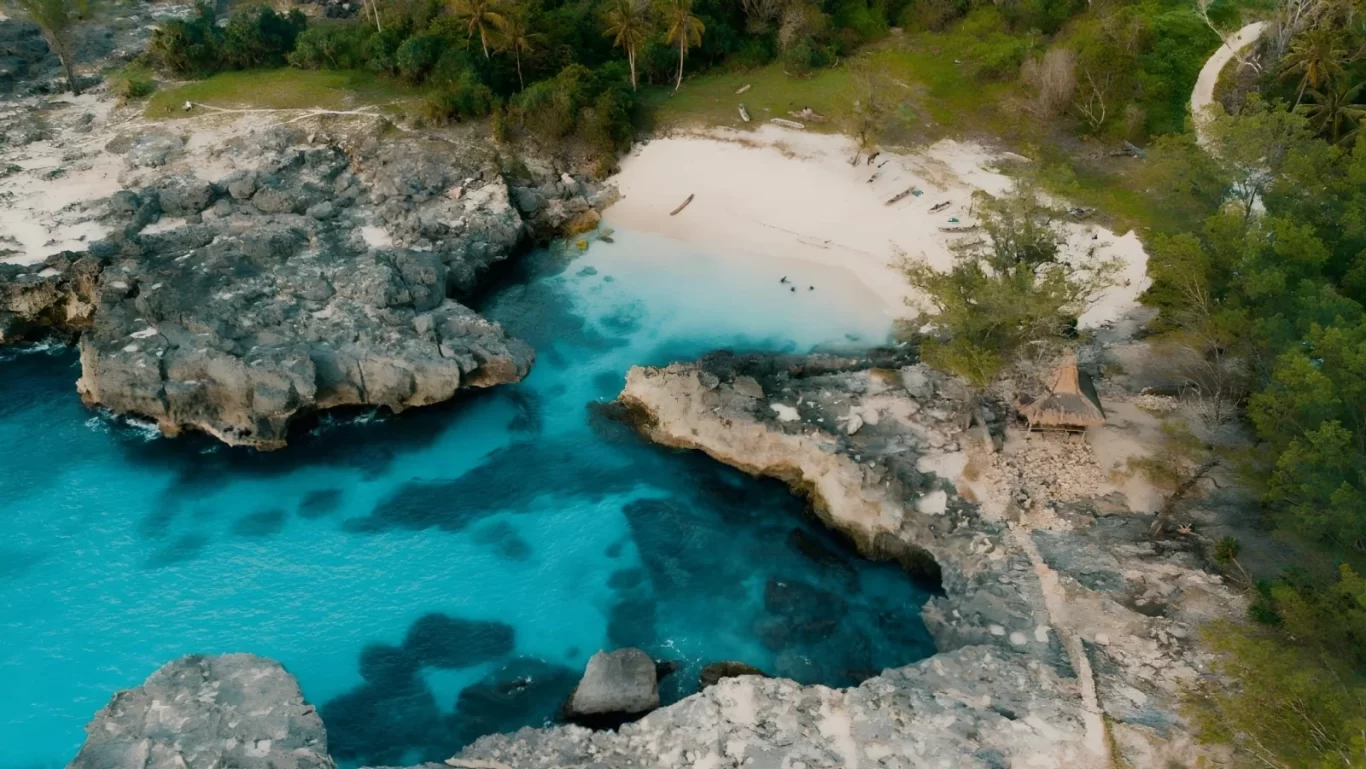
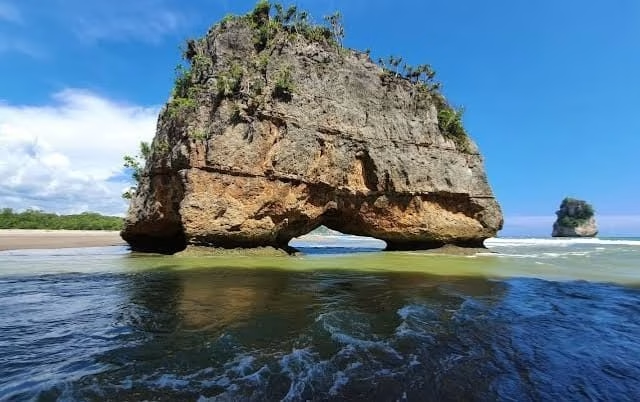
Sumba’s coastline houses beaches with golden sand and dramatic landscapes. Sumba’s coastline is lined with golden sand and dramatic landscapes. Thanks to the island’s secluded nature, you’ll often have these shores entirely to yourself, feeling as though you own the place. Along a simple stroll, you’ll encounter striking rock arches and craggy islets just offshore. It’s a coastline whose raw beauty catches you completely off guard.
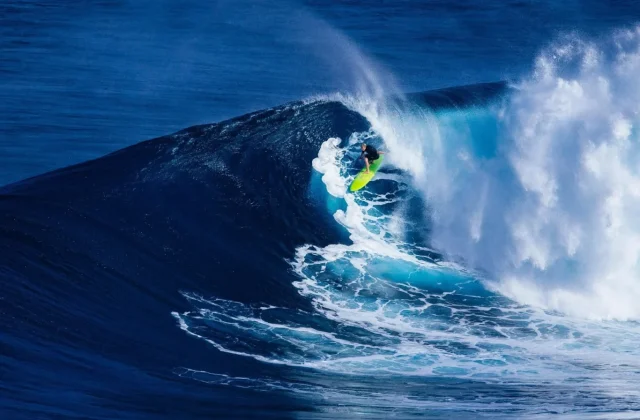
Nihiwatu is Sumba’s most famous beach and home to the world-renowned resort NIHI Sumba. The beach stands out with its gorgeous golden sand and ethereal scenery of rugged islands. The famous left-hander wave Occy’s Left is one of the highlights of this spectacular strand. The beach is almost never crowded, since it is only accessible to the guests of NIHI and Villa Haweri. The resort offers diving, guided surfing and paddleboarding experiences.
Pero Beach is a rugged cove tucked away along the coast. Framed by striking rock formations and soft brown sand, it is a popular spot for locals and travelers chasing Sumba’s best sunsets. It rarely feels crowded, but given its popularity, expect to share the spectacle with a few kindred spirits.
Despite being located relatively far from the island’s most popular resorts, Tarimbang Bay attracts surfers and tranquility seekers from all around the world. It is a sweeping, horseshoe-shaped strand flanked by lush green hills. While consistent, powerful surf breaks make it a favorite among Sumba’s small yet thriving surf community, its untouched coastline and dramatic scenery make the bay just as rewarding for photographers and nature lovers.
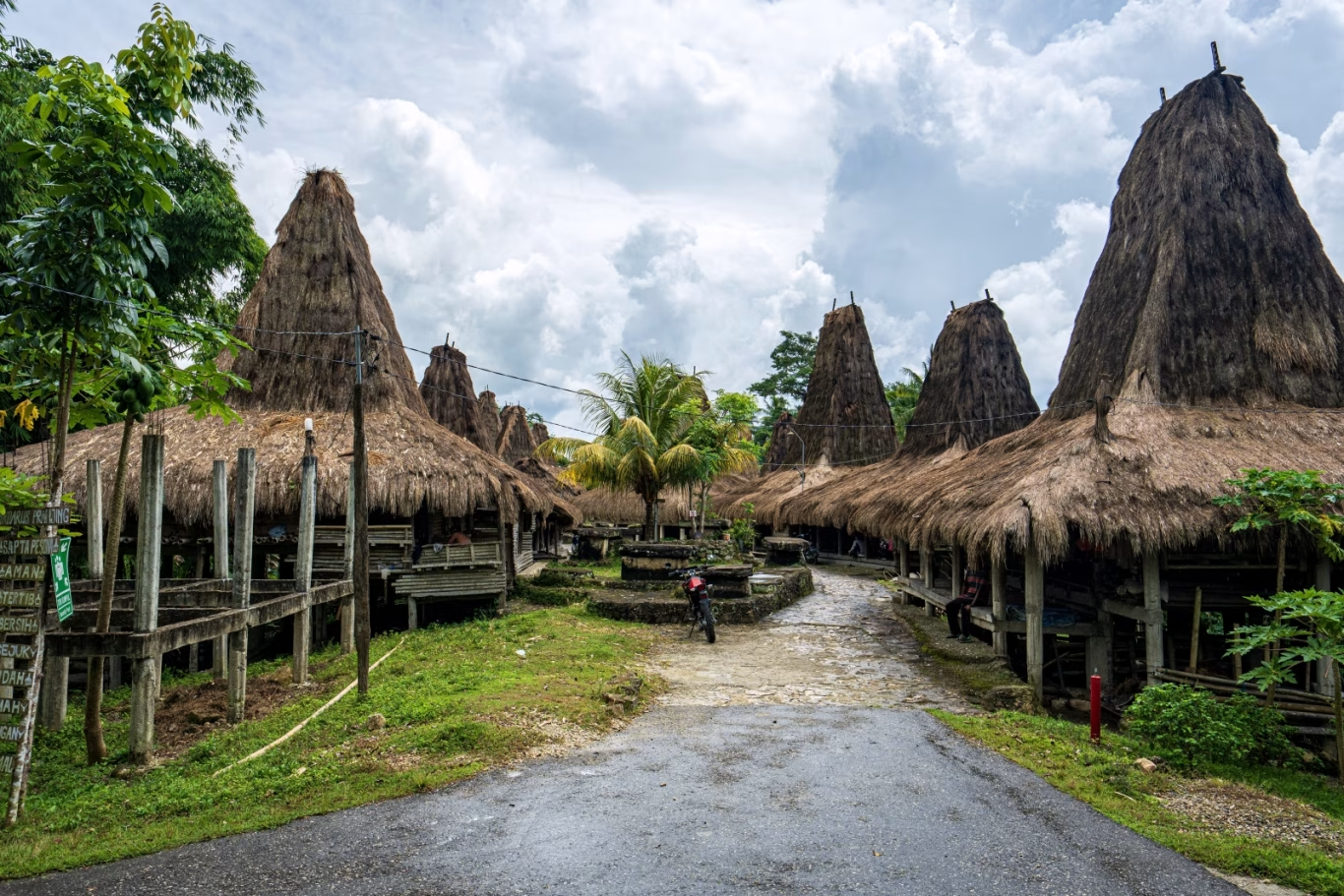
In an era of industrial uniformity, Sumba remains one of the world’s last bastions of authenticity. The island’s culture is largely untouched, living in traditional villages and through ancient ceremonies. Visiting Sumba’s hilltop villages offers a rare window into this heritage, where locals still live much as their ancestors did. Adding these villages to your itinerary makes for a deeply grounding journey.
Ratenggaro is popular among travelers. If you are staying at a resort, you will likely have the opportunity to visit this village as part of your tour. Thanks to its connection to ancestral living, the settlement is both historically and culturally significant. When visiting Ratenggaro, you will feel how the village’s inhabitants still respect their traditions and customs. There is a beach of the same name near the village, Ratenggaro Beach.
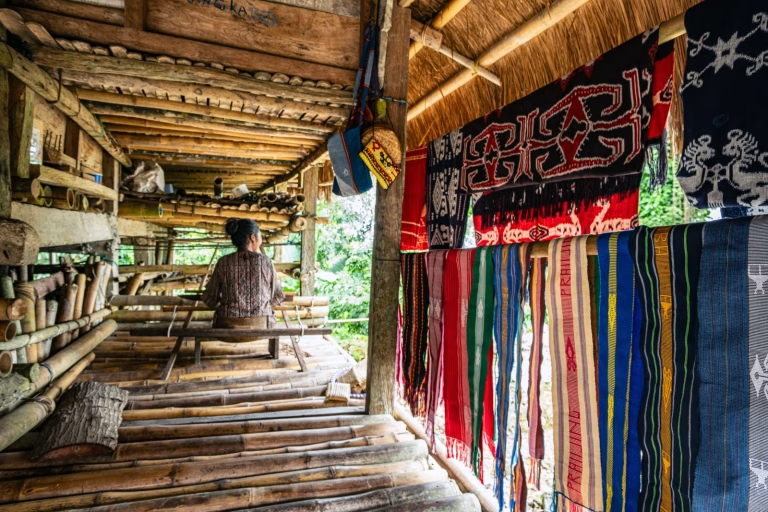
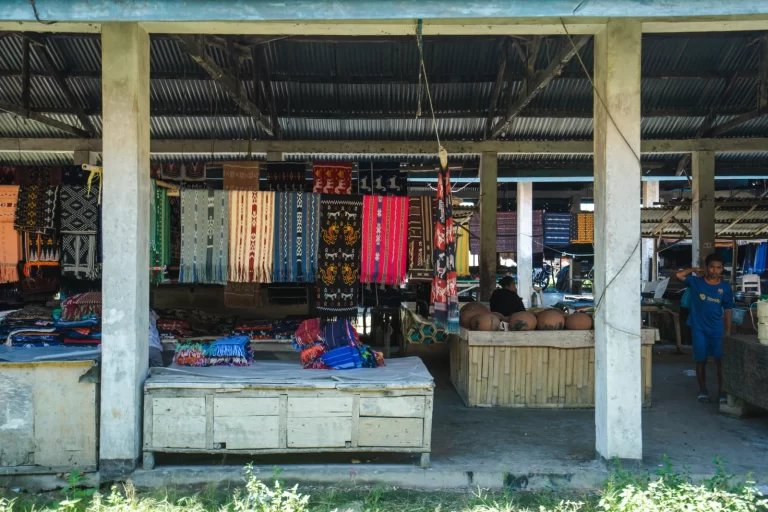
Just outside Waikabubak, Prai Ijing offers an intimate glimpse into traditional Sumbanese life. Its iconic thatched-roof homes corner a historic stone path that feels frozen in time. Beyond its striking heritage architecture, the village is celebrated for its agriculture and distinct, handwoven ikat textiles, the perfect memento to pick up when exploring the area.
Located in East Sumba near Melolo, Rende stands apart for its deep royal heritage. Historically a stronghold for local nobility, the village still bears subtle cultural traces of its past feudal system. Its most striking features are the massive, ancient megalithic tombs carved for royalty, which stand prominently among traditional high-roofed houses. Fascinating and solemn, Rende is well worth a detour and simple to reach by car or public transit.
West Sumba Regency
Capital: Waikabubak
West Sumba is the cultural heart of Sumba, where impressive traditional villages and ikat weaving societies thrive. On a trip to this area, you can bask in the ancestral megalithic culture of Sumbanese, with mammoth tombs scattered across villages, and old rituals kept alive.
Southwest Sumba Regency
Capital: Tambolaka
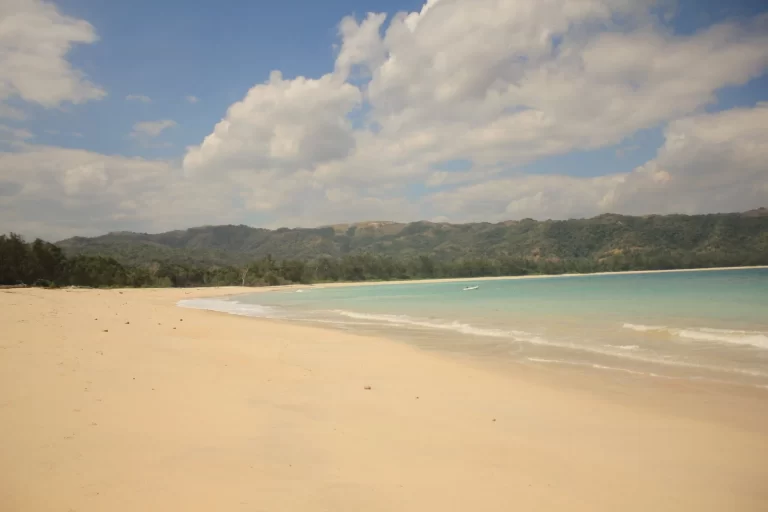
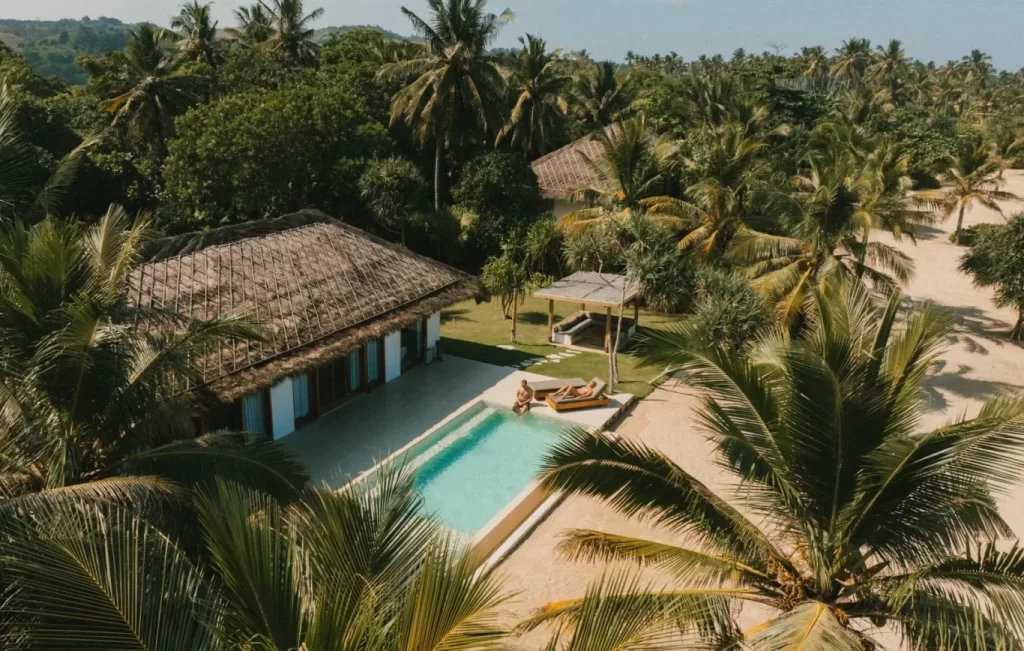
Southwest Sumba Regency is a luxury paradise in the middle of Sumba, home to world-class surf resorts and stunning lagoons. You can visit the world-famed Weekuri Lagoon to enjoy its lush periphery, basking in the magnificent Sumbanese atmosphere. Coastal cliffs across the region also offer the perfect spot for taking photos of the heavenly island.
Central Sumba Regency
Capital: Waibakul
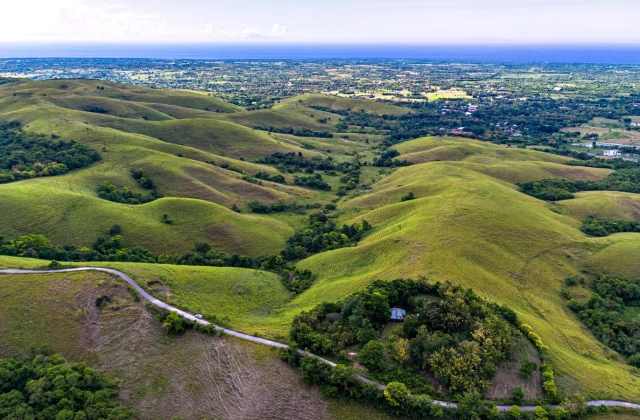
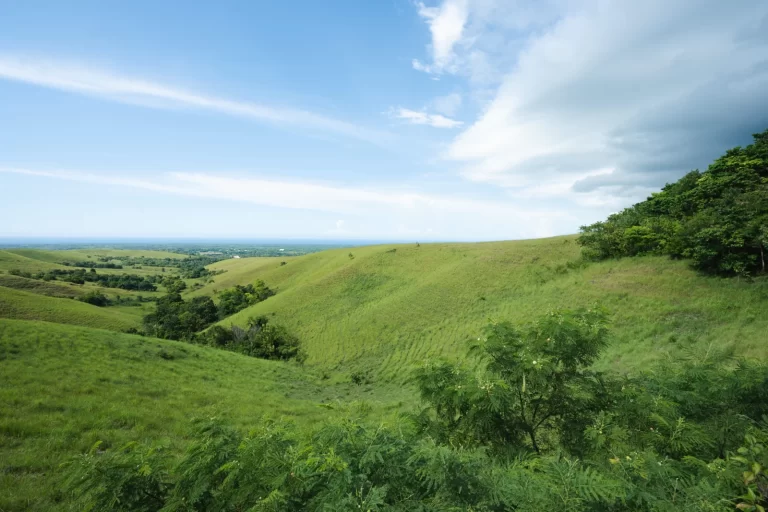
Central Sumba is characterized by vast savanna plains and traditional houses with thatched roofs. Anyone who visited other Indonesian islands might have difficulty believing that Central Sumba is part of this tropical paradise. The region, with its dry landscape, is more visually like Africa.
East Sumba Regency
Capital: Waingapu
East Sumba is the largest region on Sumba, covering the majority of the island. Despite its size, it is more tranquil and traditional than other regions. While it has beautiful beaches and horse farms, the everyday life in the region is mostly characterized by a traditional lifestyle. Villages peppered across the region produce traditional ikat textiles and offer visitors a glimpse of their authentic culture.
FAQ
Everything you need to know before visiting Sumba.
Sumba is in the Sunda Sea, within the East Nusa Tenggara province of Indonesia, east to Bali and south to Flores. It is approximately 1,500 kilometers (932 miles) from the capital Jakarta.
You can travel to Sumba by plane or ferry, depending on your preferences. Tambolaka (TMC) in the west and Waingapu (WGP) in the east serve daily flights from Bali and Jakarta.
Yes, any day! Sumba is the last bastion of authentic culture and regenerative tourism. The island’s terrain is full of pristine beaches, traditional villages and dramatic savannas. World-class surfing spots galore and resorts offer top level service. Plus, the island is very affordable.
Comparing Bali vs Sumba is all about what you expect on a trip, since both islands offer starkly different experiences. If you enjoy tranquility, a paradisiacal atmosphere and a living culture, Sumba is your best bet. It is far less developed than Bali and doesn’t have the crowds or touristy atmosphere Bali suffers from.
While it depends on your citizenship, most travelers need a Visa on Arrival (B1) or an e-VOA. Check the official Indonesian Immigration website for your country’s requirements.
Indonesian Rupiah (IDR) is the official currency. ATMs are available in Waikabubak, Waingapu, and near major resorts, but carrying cash is recommended for rural areas.
Indonesian (Bahasa Indonesia) is the official language. Local Sumbanese dialects — Kambera, Wewewa, and Kodi — are spoken in daily life. English is understood at hotels and tourist services.
The dry season (May–October) is ideal for exploration, surfing, and outdoor activities. The wet season (November–April) brings lush green landscapes and dramatic waterfalls, but some roads become difficult.
Plan your journey to one of the most extraordinary islands on Earth.