A Taste of Sumba
Sumba Travel Guide

A Taste of Sumba

Discover the authentic flavors, traditional dishes, and culinary heritage of Indonesia's hidden island paradise

Scroll to explore
Home Where to Eat Complete Sumba Food Guide

The Heart of Sumbanese Cuisine

Sumba is more than stunning landscapes and intriguing ancestral ways of life; it is a true culinary paradise where you can enjoy the distinct blend of local Sumbanese dishes and broader Indonesian delights. The local Sumba cuisine stands out with fresh ingredients and tasty spices, making it a favorite for all visitors. As ingredients and recipes often change from one region to another, travelers often enjoy a huge variety of delicacies.

Food in Sumba tells the story of its people. The local cuisine is deeply connected to the land, ancestral traditions, and the island’s Marapu spirituality. Meals are often eaten together with family, as typical for communal societies. The food in Sumba is usually simple yet deeply flavorful, relying on fresh local ingredients, coconut, and various spices.

Rice

Staple Food

Seafood

Coastal Specialty

Communal

Dining Style

Must-Try Traditional Dishes

These authentic Sumbanese dishes offer a true taste of the island's culinary heritage

Nasi Campur Sumba

Nasi Campur Sumba

(Mixed Rice Sumba Style)

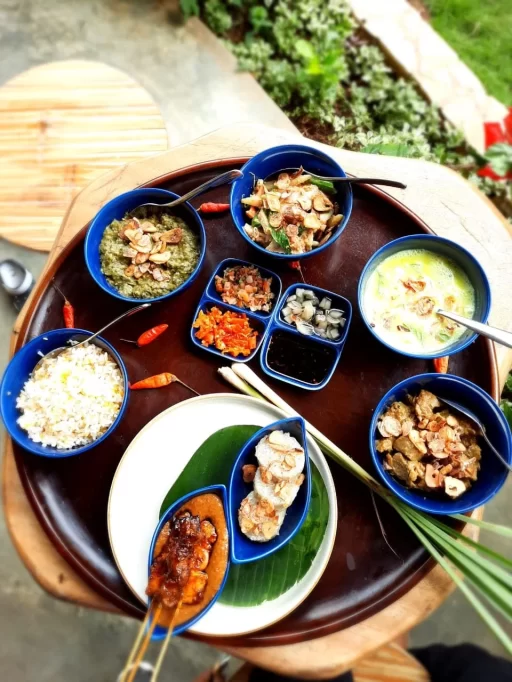
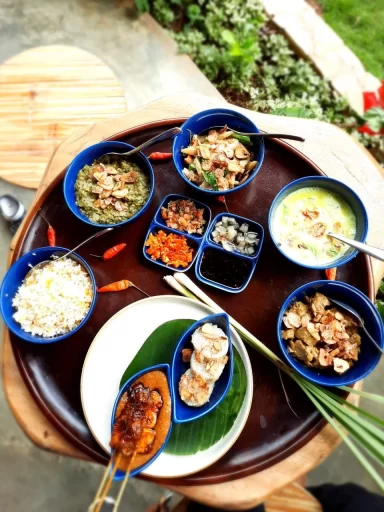
The island’s everyday meal featuring steamed rice with an array of side dishes. It typically includes grilled fish or chicken, sambal, vegetables, and crispy fried shallots. A complete, balanced meal showcasing local flavors. You can find nasi campur at any warung. If you order this dish, be ready for the server to ask you: “Ayam or ikan?” This means “Chicken or fish?” Both are very delicious and worth a try.

Ingredients: Steamed rice, Grilled protein, Sambal, Vegetables, Fried shallots
Warungs and local restaurants in Tambolaka and Waikabubak
Ikan Bakar

Ikan Bakar

(Grilled Fish)

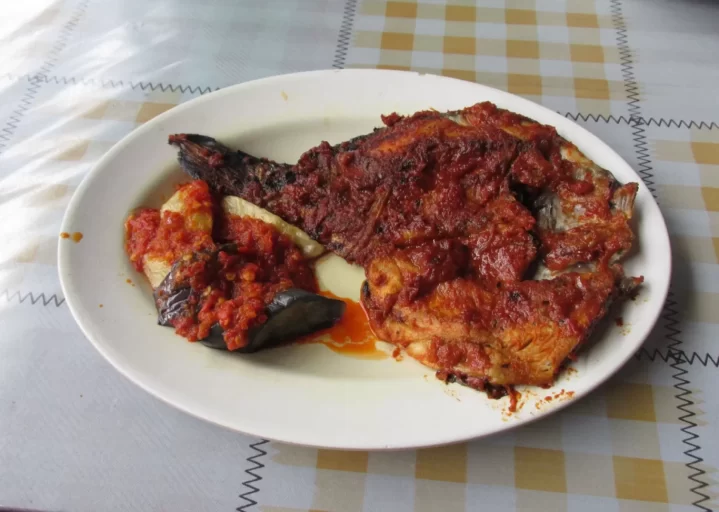
Fresh-caught fish from Sumba’s pristine waters, grilled whole over coconut husks or charcoal. Marinated in a paste of turmeric, garlic, and shallots, then served with fiery sambal and lime. The smoky, charred exterior gives way to perfectly moist flesh.

Ingredients: Fresh fish Turmeric Garlic Sambal Lime
Beachside warungs in Nihiwatu, Weekuri, and coastal villages
Ayam Panggang

Ayam Panggang

(Grilled Spiced Chicken)

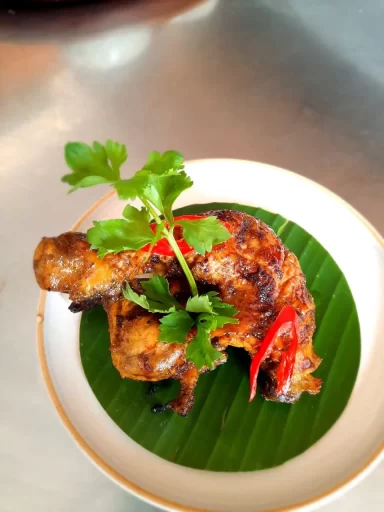
Free-range Sumba chicken marinated in a rich spice paste of candlenuts, coriander, and galangal, then grilled to perfection. The meat is incredibly flavorful from birds that roam freely in village compounds. The preparation of ayam panggang varies from one household to another; prepare for very different tastes at different restaurants.

Ingredients: Free-range chicken Candlenuts Galangal Coriander Sweet soy
Traditional restaurants and during Pasola festival celebrations
Rowi Kariwang

Rowi Kariwang

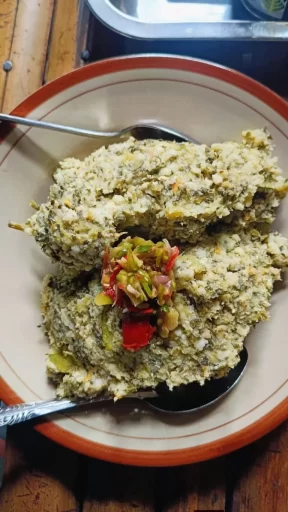
A mixture of a corn and pumpkin mixed with other vegetables.

Rowi Kariwang, or Rowe pako’da in the southwest, is a popular dish made from a mixture of corn and pumpkin mixed with other vegetables. Ingredients are usually boiled together with pumpkin leaves until the texture is like a porridge. It is served with sambal kemangi (spicy Sumba sauce with basil).

Ingredients: Corn, pumpkin, various vegetables.
Local restaurants in Central andd Southwestern Sumba.

Pro Tip: How to Eat Like a Local

Visitors aren't expected to follow local traditions. Yet, if you want to truly show your respect and appreciation for the Sumbanese culture, knowing how to eat like a local might help you make the best of the experience.

In traditional settings, meals are often serveed on banana leaves and eaten with the right hand.

Betel nuts are usually offered as a sign of hospitality; you are supposed to take and chew on it. Nevertheless, you can politely decline and this won’t offend anyone.

If a loal invited you to a ceremonial feast, you’re expected to bring a small gift, such as sugar or coffee.

Traditional Beverages

Traditional drinks are also a significant part of Sumbanese cuisine. Quench your thirst and have a taste of authentic Sumba with these refreshing beverages.

Du'e

Du’e is the sweet sap tapped from the flower of the sugar palm. It is usually sold in villages by traveling vendors. You should consume this sweet drink within a day after purchase, since it gets sour by time.

Kopi Sumba

Kopi Sumba, literally “Sumbanese Coffee,” is Sumba’s locally-grown coffee. Its beans have unique earhy, chocolate notes, thanks to the island’s volcanic soil. Typically served thick and sweet.

Peci

This beverage is made from sap extracted from the lontar palm tree, which is traditionally fermented or distilled. The lontar palm can only be found in the East Sumba region. Therefore, the people of East Sumba are the producers of this traditional alcohol.

Alcoholic

Lino

A medicinal tea made from boiled tree barks. These barks are usually mixed with water to make a herbal tea. It is believed that this tea can cure diarrhea and other sickness. Lino is mostly serveed in the Southwest Sumba.

Dining Etiquette & Tips

Familiarize yourself with the Dos and Don'ts of Sumbanese culinary etiquette.

Right Hand Only

When eating with your hands, always use your right hand, especially with rice dishes. The left hand is considered unclean in the local culture.

Meal Times

In Sumba, breakfast is usually the lightest meal of the day, with lunch serving as tthe main meal. Dinner is very fulfilling and usually eaten late.

Seek Local Warungs

While big restaurants and tourist spots offer the most diverse dishes, the best food is at humble family-run warungs. Look for busy spots with locals, since food there will be fresher and tastier.

Accept Hospitality

Sumbanese people are incredibly generous. If offered food in a village, accept graciously, even tasting a tiny bite shows respect for their hospitality. The most common offering is betel nuts.

Water & Ice Safety

Stick to bottled water. Ice in restaurants is usually safe, but in remote villages, it’s best to avoid it. Coconut water is a safe and (very) delicious alternative.

Beware of Spicy Food

Indonesian food can be very spicy! Most food is served along with sambal, a spicy sauce. If you want to try it, make sure to add it gradually. If you pefer mild food, don’t forget to say “tidak pedas” (not spicy) when ordering if you prefer mild food.

Where to Eat

You can find something for every budget in Sumba, from street stalls to resort dining

Local Warungs

Warungs are small family-run eateries serving authentic home-cooked meals. Found in every town and village. They are the most affordable and authentic way to experience Sumbanese cuisine. It is recommended to prefer ones frequented by the locals.

IDR 15,000-40,000

Night Markets

Night food stalls are the best way to try street food and true Sumbanese delicacies. They are a very ordinary sight in Waingapu and Tambolaka. You should especially try grilled corn, sate, and fresh seafood.

IDR 10,000-35,000

Makan Dulu Restaurant

Makan Dulu Restaurant is the place where you can samble the local cuisine with a modern twist. The establishment is run by Sumba Hospitality Foundation, and supports community development and culinary education.

IDR 75,000-200,000

Resort Dining

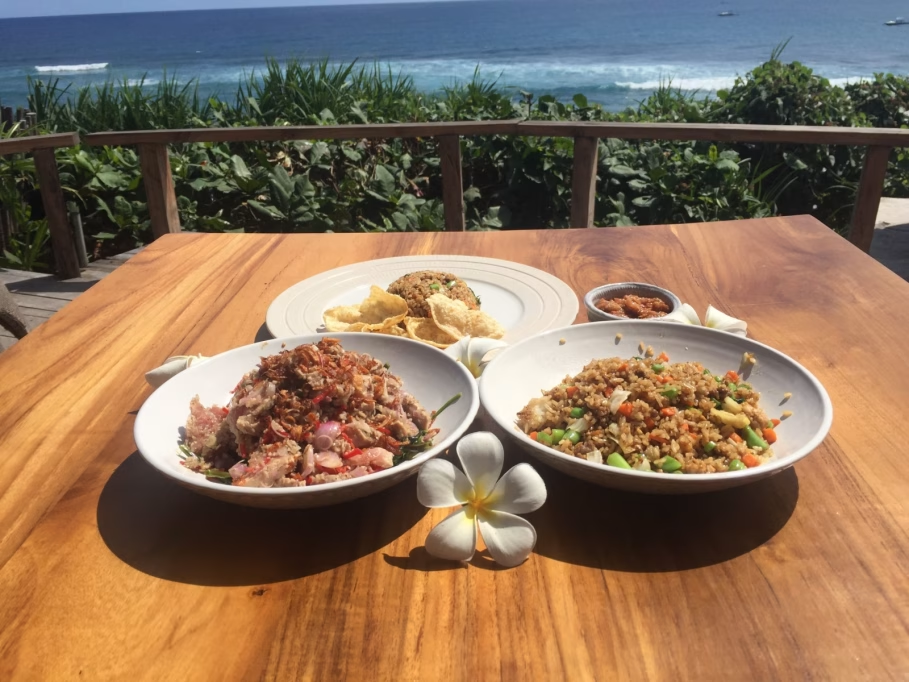
Luxury resorts like NIHI Sumba and Lelewatu offer world-class dining featuring local ingredients. They are perfect for special occasions with stunning ocean views or if you feel like eating something more international.

IDR 300,000-800,000+
Find Places to Enjoy Traditional Food in Sumba
A Culinary Adventure

Find Places to Enjoy Traditional Food in Sumba

Explore our curated lists of top restaurants and local eateries in Sumba to enrich your itinerary with gastro-experiences.