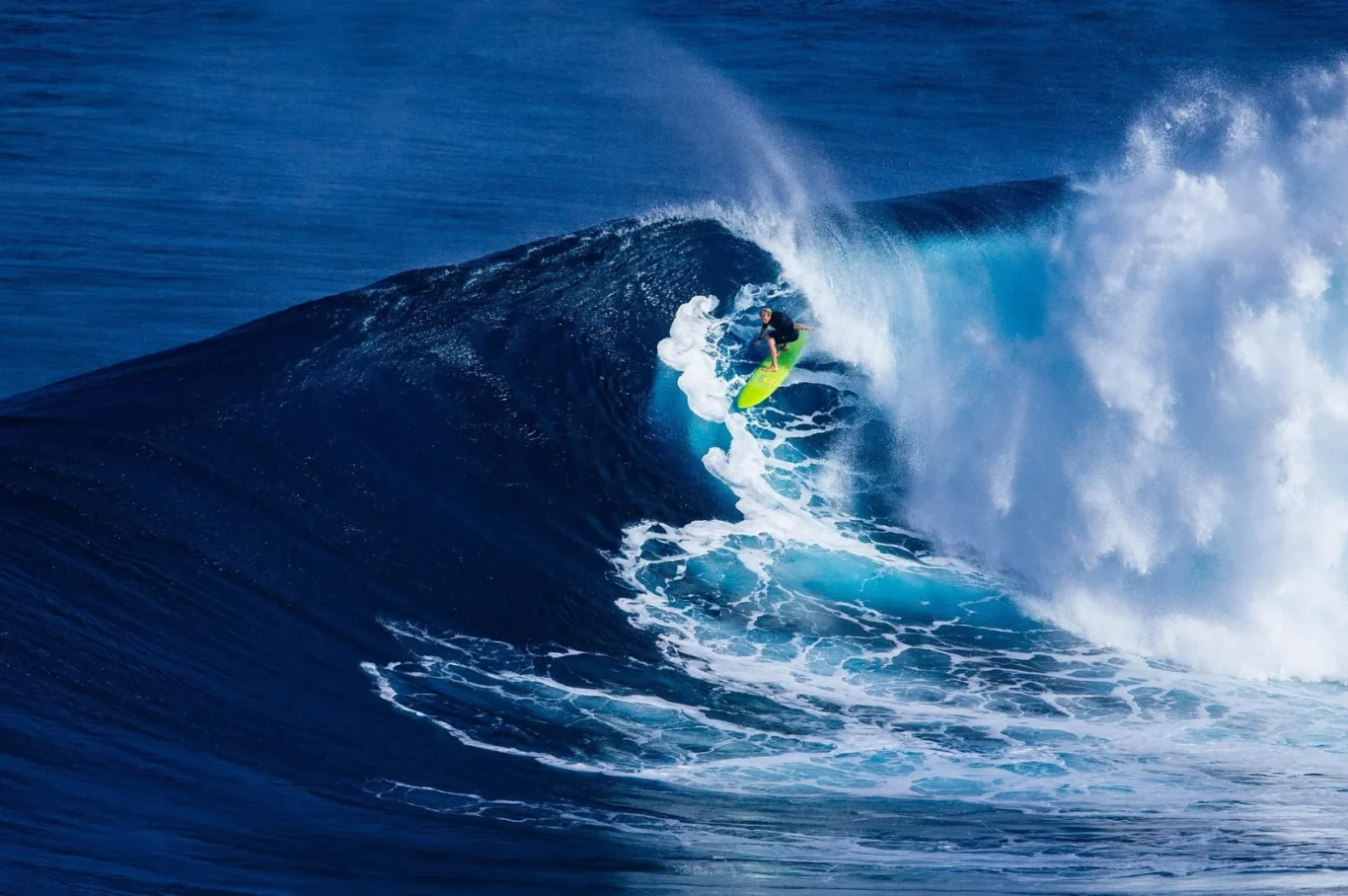
Surfing in Sumba for Beginners: Everything You Need to Know
What does it feel like to ride the Indian Ocean? Let's find out with this beginner's guide to surfing in Sumba.
Why Sumba?
The sun rises over the island of Sumba. The air is already warm, the scent of the sea and woodsmoke drifting through open windows. Somewhere beyond the palms, waves fold over reefs with a steady, hollow rhythm. The horizon brings with it long lines of swells from the Indian Ocean, often travelling thousands of kilometres across open ocean, unbothered and perfectly spaced. Apart from a few of the locals going on about their day, you are the only one on the beach. This is what separates Sumba from the rest.
Best Time to Visit Sumba
In general, the main surf window on Sumba lasts 7 months, from April to October, when Southern Hemisphere storms send a consistent southwest groundswell along the south and west coasts. However, these seasons bring a very different character to the waves:
| Season | Conditions |
|---|---|
| May-September | This is the time for big wave hunters. In July and August, waves can reach 8 feet or more in height. The Southeast trade winds are strong, making some spots very challenging, but the morning conditions are usually very clean due to offshore gusts. |
| April & October | If you are looking for the best conditions with calmer winds, this is my favorite time. The trade winds begin to subside, resulting in a mirror smooth sea surface in the morning with a wave size that is more friendly to all proficiency levels |
| December-March | The waves turn to coastal areas that need westerly monsoon winds. Surfing sessions are becoming more unpredictable, but the western area of Sumba still holds hidden wave potential for those with an adventurous spirit. |
Getting There & Getting Around
Getting to Sumba takes a little planning, but this trip is part of the adventure. You can take a daily domestic flight from Bali Ngurah Rai International Airport (DPS) to one of the two airports in Sumba:
- Tambolaka Airport (TMC) in the West,
- Waingapu Airport (WGP) in the East.
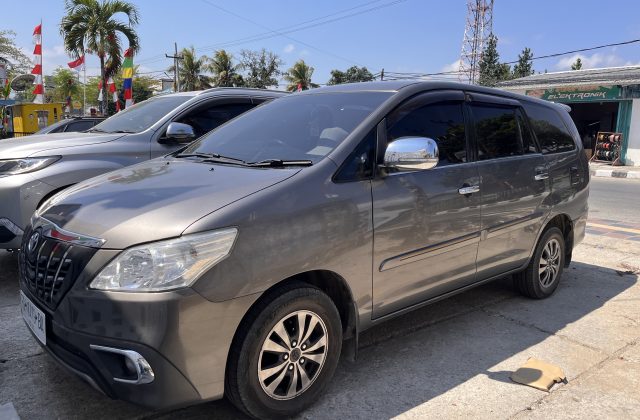
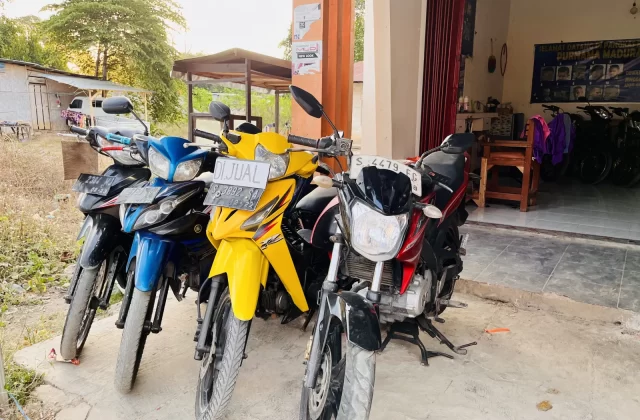
For transportation on land, Sumba’s infrastructure is still very basic with winding and hilly roads. The best and safest option is to rent a car with a local driver starting from Rp900, 000 ($60 USD) per day. For short trips between homestays, you can also rent a local motorbike starting from Rp120, 000 ($8 USD) per day
Might Be Interesting
Top Surf Spots in Sumba
Sumba’s coastline is a stunning strand of masterpieces for surfers. Over the years of exploring the island, I realized that every corner of it holds a different mechanical secret of the waves from walls of water that go as fast as bullets to perfectly hollow barrel rolls.
Occy’s Left
| Wave Height | 3 to 12 ft |
| Wave Direction | Left-Hand |
| Optimal Swell | Southwest Swell |
| Optimal Tide | Mid to High |
This is one of the most consistent world-class left-hander waves in Sumba. These waves are known for their high speed and very precise barrel shape. At the peak of the surfing season such as in August, the conditions are indeed very challenging and quite draining for surfers. However, when the size of the waves is small, the water wall spreads very neatly and is more friendly to ride. These waves work most optimally in the right tidal conditions and are very sensitive to the direction of the southwest swell
Only Accessible to NIHI Sumba Guests
This legendary wave can only be accessed if you are a guest staying at NIHI Sumba Resort or through Haweri property.
Miller’s Right
| Wave Height | 4 to 10 ft |
| Wave Direction | Right-Hand |
| Optimal Swell | Southwest Swell |
| Optimal Tide | Mid to High |
Often referred to as one of the most frequently ridden right-hander waves in Sumba. The character of the deepwater setup creates a takeoff that tends to be soft and relaxed, but soon fills into a fast and hollow section along the reef. It is located in the Tarimbang area and perfect for intermediate to advanced surfers because of its hidden location.
Pero Lefts & Rights
| Wave Height | 3 to 10 ft |
| Wave Direction | Left-Hand & Right-Hand |
| Optimal Swell | Southwest Swell |
| Optimal Tide | Mid to High |
This Spot is located near the mouth of a river in the western region of Sumba and features two different wave characters on both sides. Pero Rights makes a very big monsoon wave in order to blend well; the main star, however, is Pero Lefts on the south side of the Bay. When buffeted by a southwest wave in the fall, Pero Lefts becomes a sharp, consistent, and very challenging left-handed wave. Both are very accessible from Pero Beach Beach area. the waves are very consistent, making it a mainstay for surfers living around surf camp in the Kodi region.
Sunset Right
| Wave Height | 4 to 6 ft |
| Wave Direction | Right-Hand |
| Optimal Swell | Southwest Swell |
| Optimal Tide | Mid to Low |
This spot is very popular because of its relatively easy access on Lamboya. You can access it with a short walk from Sumba Sunset Surf Camp on the hill, where Surfers gather to watch the movement of the waves while enjoying the sunset As the name implies, Sunset Rights presents a powerful right-hand wave that breaks near the Kerewe Beach and Wainyapu Beach area. The roll of the waves is consistent and provides a wide wall to maneuver under the splashes of the golden light of the afternoon.
How to Plan a Surf Trip in Sumba
For those of you who want comfort without headaches, booking accommodation at a surf resort like NIHI Sumba or an organized surf camp like Sumba Surf Camp in Lamboya is the best path. This resort or camp provides complete facilities, experienced surf guides who monitor the tides every day, boat transportation directly to the point of breaking the waves, and private instructors who guard the water. You can check our surf accommodations guide to find the perfect stay for your journey.
What to Pack on a Surf Trip to Sumba
Sumba is an isolated island and you are obliged to bring at least some equipment yourself. If your board or leash breaks in the middle of the Tarimbang sea, there is no place to buy a replacement within a few hours’ distance. So, make sure your bag contains:
- Multiple surf wax beams (choose tropical water variant),
- High strength spare leash and extra fins along with key,
- Eco-friendly thick zinc (zinc) sunscreen and sunglasses because equatorial sunburns are no joke,
- Protective clothing to protect the body from the friction of dead coral or boards,
- Personal First Aid Kit, including antiseptic fluids and anti-malarial drugs if needed,
- Epipen or anything against allergies (if you have any).
How to Bring Your Board to Sumba
Bringing surfboards to Sumba requires extra attention to the regulation of Indonesian domestic airlines, especially since part of the route is served by smaller propeller aircraft, such as the ATR 72 type.
Major airlines, like Lion Air, Batik Air, and Super Air Jet, charge a special sports equipment handling fee of around IDR 200,000 per board, with a maximum baggage length limit of around 230 cm.
If you are flying with Wings Air (which uses a small ATR aircraft), the cost of handling the board will be much more expensive, ranging from IDR 500,000 to 1,000,000 per board. Plus, the maximum permitted length of the board bag on Wings Air is usually only 170 cm; longboards will certainly be denied entry into baggage.
Packing Tip
Remove the entire fins before wrapping the board. Coat the rails, the nose, and tail of the board using thick bubble wrap or extra protective foam to avoid strong impact from airport baggage officers.
Key Facts & Important Tips
Before you pack your bags and leave for the land of Sumba, keep some of these crucial tips in your notes:
- The water temperature is very friendly: The water temperature ranges from 26°C to 29°C all year round. You only need surf pants (boardshorts) or a light surf suit (spring suit) to paddle comfortably.
- Beware of sharp corals: The majority of the main spots in Sumba are reef break types on sharp dead corals. It is highly recommended to wear surf shoes (reef booties) to protect your feet when walking in and out of the water.
- Prepare cash: ATM machines are only available in major cities such as Tambolaka, Waingapu, Waibakul, and Waikabubak. In remote coastal areas, the internet signal is erratic and all transactions must use Rupiah cash.
- Respect the local culture of Marapu: Sumba has a very strong megalithic indigenous culture. When not in the water, dress modestly when passing traditional villages and always ask permission or greet locals kindly before entering certain beach areas.
A Personal Conclusion
Surfing in Sumba can be challenging due to frequent swells, especially in July and August, where waves can reach up to 8 feet in height, so if you are planning a solo trip a good amount of experience would be recommended.
However this should not put off beginners as on smaller swell days which can be found anytime between April and October that is not during July and August, the same coastlines can produce waves that peel gentler making them a good place to start learning on or simply to get back up to speed with previous experience.
There are plenty of stretches on the island where you can find quieter, smaller waves whilst also offering consistency around Pero Beach and parts of Kerew which is ideal for building confidence or learning the basics in a tropical setting. You should just know how to find your way around the island; once sorted that out, you can easily find the best surfing spot.
I, myself, have had the pleasure of surfing on the Occy’s Left once before and being a complete beginner, it was a bit daunting, especially given the fact it was during the peak season in August. However with the help of my instructor I was able to ride some waves, albeit after several unsuccessful attempts. I will admit that the constant waves did tire me out eventually so I would recommend making sure that you are properly energised when going in the peak season. There is always the option of going during other parts of the year which I have not yet experienced but from my understanding it would be much easier for beginners to be able to surf there.
If you are wanting a more exclusive experience, I would recommend Nihiwatu beach as it has a relatively strict policy of allowing only 15 surfers at one time which creates a more fulfilling experience, as the instructors are able to look after you and if needed be help you out. In my case there were only around 6 surfers at the time which made it perfect for waiting times and giving myself a small break to catch my breath whilst taking in the view of the island. Please note that this is only available for guests staying at the Nihi resort.
To summarise, moderate experience would be recommended but not necessary as long as you are under the supervision of an instructor or an experienced surfer as they will know what conditions will be safe for you.
Safe travels.
Frequently Asked Questions
Do I need to bring my own board?
You can, especially if you’re particular about equipment. However, surfboards and lessons are available in key surf areas, particularly near established surf camps and resorts.
Is surfing safe in Sumba?
Conditions vary depending on swell size and break type. Reef breaks require awareness and respect for local conditions, but with proper guidance and choosing the right spot for your level, surfing here is very rewarding.
Can non-surfers enjoy the experience?
Absolutely. Many beaches are perfect for swimming, walking, or simply watching the waves. The scenery, wildlife, and laid-back coastal atmosphere make it enjoyable even if you never paddle out.