01 / ORIGIN
3,000 BCE
Earliest Known Settlement
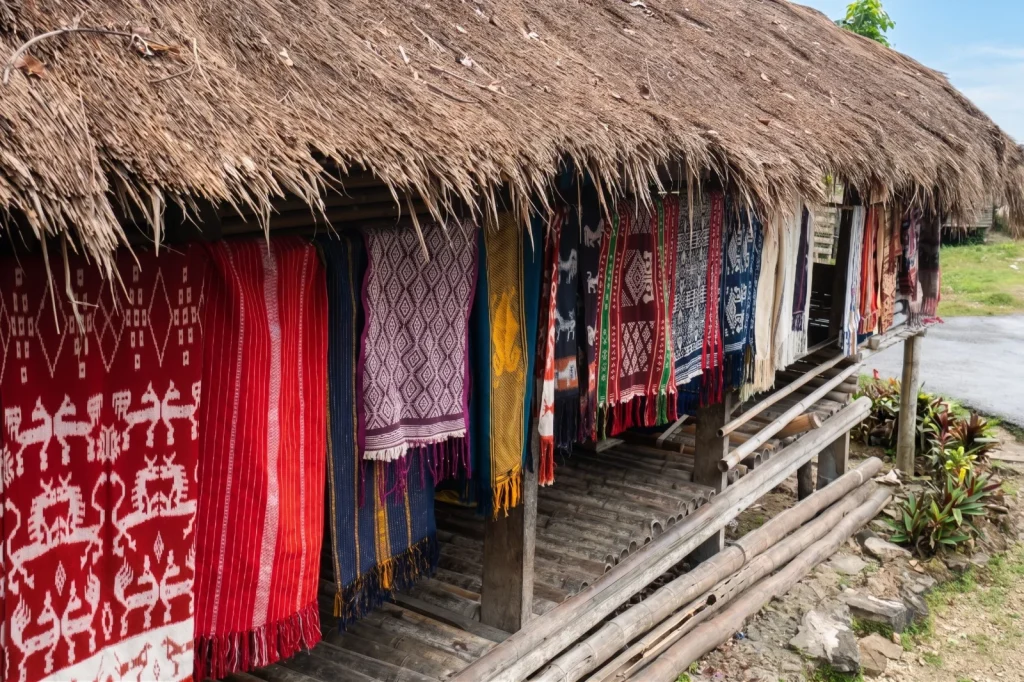
Explore Sumba's culture and history, from prehistoric ages to colonial era.
Despite its relatively small population of approximately 700,000 people, the island of Sumba Indonesia is home to hundreds of communities, modern and traditional. Although the urban parts of the island are somewhat developed, the traditional communities still live by their ancestral ways of life. This continuity of ancient culture makes Sumba one of the final places on earth where you can truly witness animist rituals and traditional societies. While the island’s secluded location is a notable reason of this continuity, the unruly history of Sumba also reinforces the island’s preservation of ancient ways.
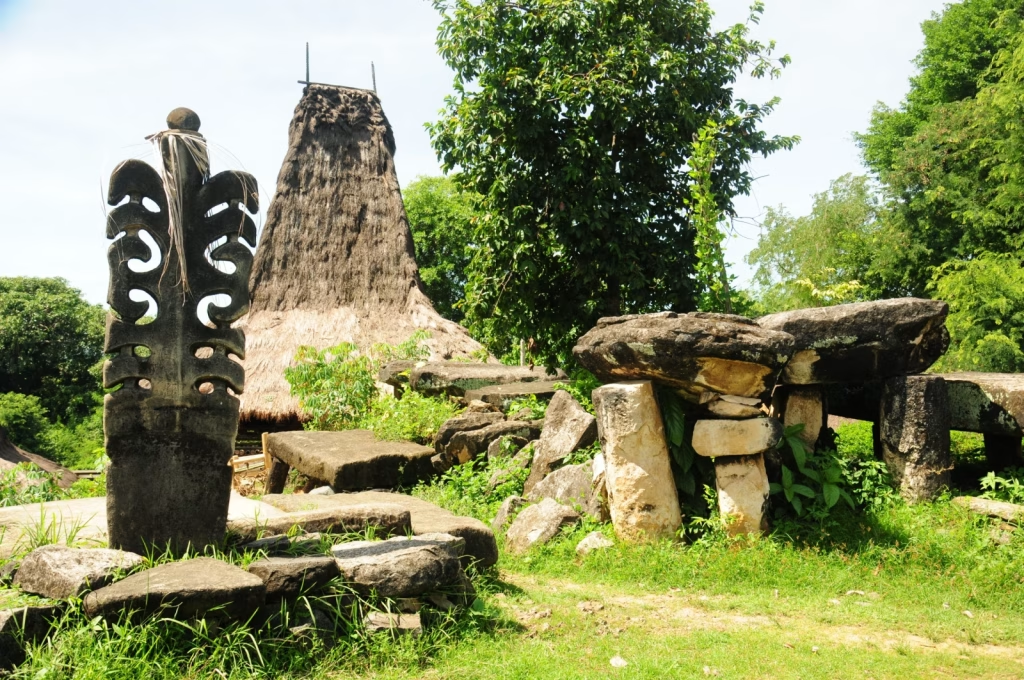
Villages across Sumba still preserve their ancient ways of life, from Marapu folk religion to distinctive architectural styles. Peaked-roof houses, called uma mbatangu, and megalithic tombs in these traditional villages are among the best examples of these customary ways.
The island’s Pasola ritual warfare festival, a stunning demonstration of the deeply rooted Marapu tradition, is another expression of the Sumbanese worldview of harmony between clans and peoples.
Historically, Sumba’s society was strictly hierarchical, with three main social groups: Maramba, Kabihu, and slaves. In this system, a small minority of Maramba ruled over a bulk of Kabihu and a significant number of slaves.
Maramba were nobility who ruled over small domains, called negori. Most of these were kings (raja). They often owned tens, sometimes even hundreds of slaves.
Wealthy commoners and members of clans were part of Kabihu, which comprised the bulk of Sumbanese society. Although they weren’t Maramba, some members of Kabihu still possessed significant power and wealth.
Slaves were one of the main components of Sumba’s trade economy. A person’s wealth was tied to the number of slaves he owned. It was such an integral part of the island’s culture that it took the Dutch decades to effectively abolish slavery in Sumba.
The exact mechanisms and logistics of slave trade in Sumba differed from one region to another. However, it commonly occurred when a party of warriors raided one of the rival tribes and enslaved its members. Such clashes and raids were incessant in precolonial Sumba. Whereas Sumbanese mostly preserved their ancient social hierarchies, slavery is no longer practiced.
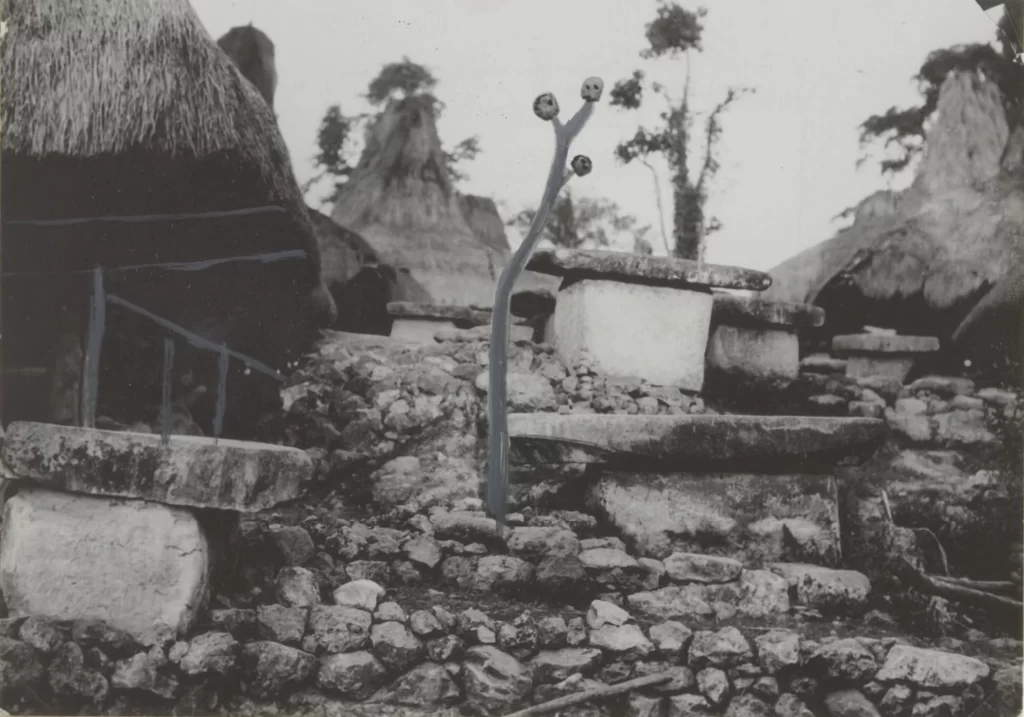
Sumbanese society is still ruled by a very strict set of patriarchal culture, sustained through ancient traditions preserved through over 40 millennia. Although modernization has brought the island a more contemporary way of life, the very evident presence of ancient Marapu culture may shock first-time visitors.
Marapu is a term used to define both the belief system of the Sumbanese and a very integral concept in this faith: deified ancestors. The word itself signifies the revered spirits, who are usually forefathers. Although there are certain mythological figures and god-like beings in Sumbanese culture, Marapu are the main object of worship.
Natives of the island honor Marapu spirits through various religious rituals and megalithic structures. Thatched houses in Sumba villages are also considered sacred by the dwellers; while most locals are very friendly, some will take serious offense at an outsider who touches or gets near these houses without permission.
According to local legend, heaven and earth were once connected by a staircase, and the first inhabitants descended this ladder to settle on the island. Another origin myth suggests that the first ancestor of Sumbanese people descended from heavens on a horse and settled at Wunga, followed by another ancestor who arrived by boat. Besides, there is another local story that claims first ancestors of Sumbanese people came to the island over a stone bridge that connected Sumba to Sumbawa.
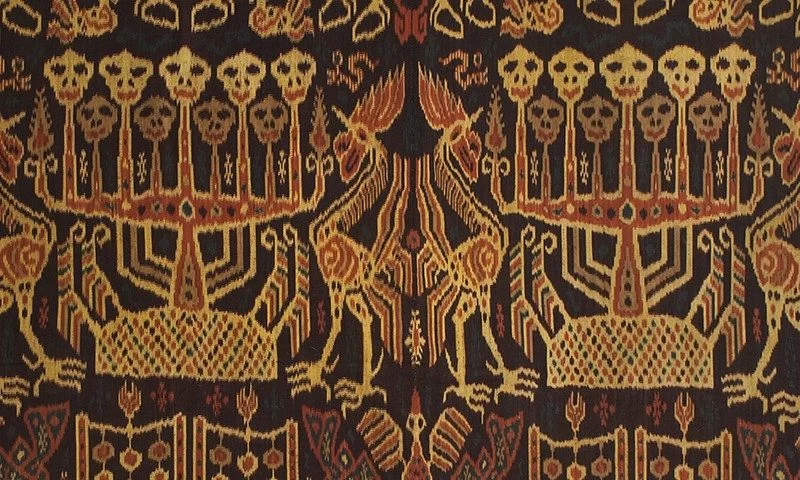
Beliefs, traditions, and origin myths of Sumbanese people have been transferred from one generation to another through ikat textiles, stories, as well as stone carvings. Although these accounts are mythical, studies indicate that early settlers did possibly sail from Sumbawa to Sumba.
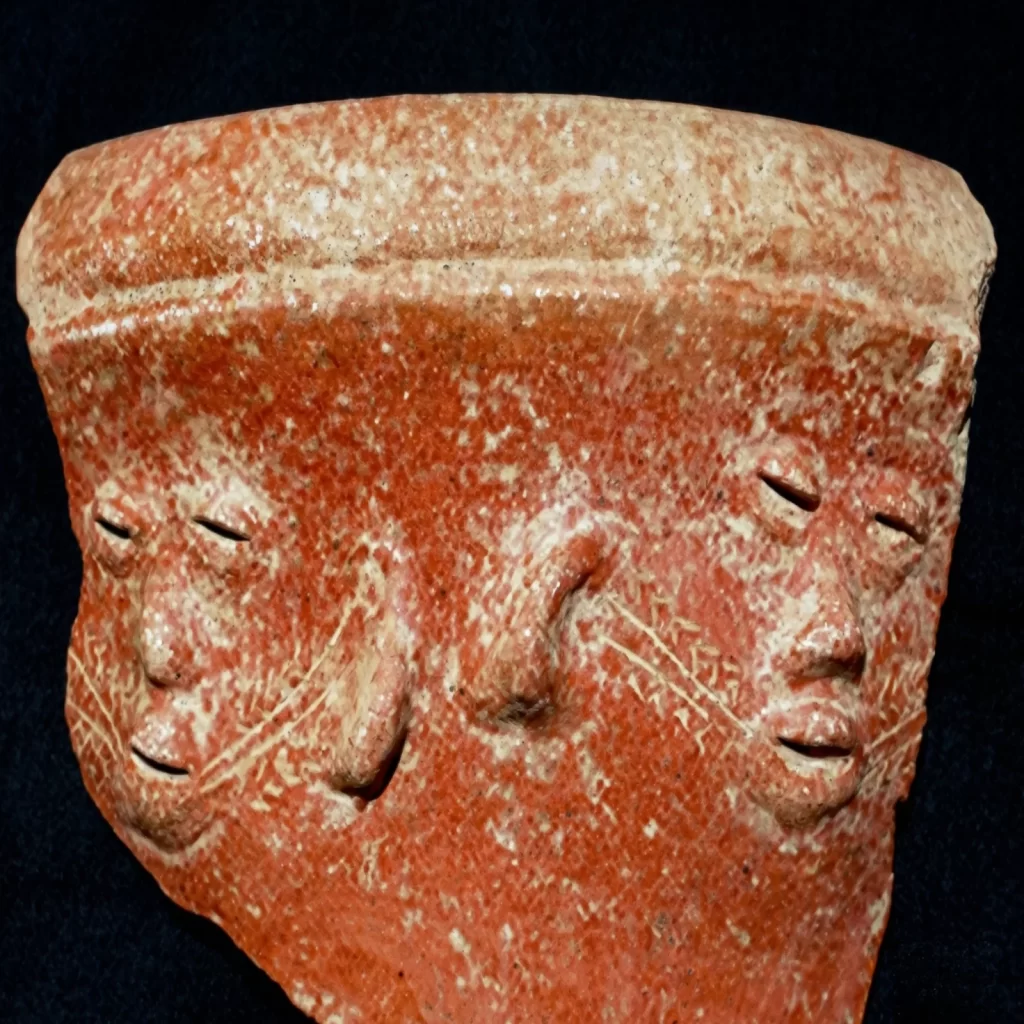
We don’t know the exact date when humans first migrated to Sumba. Although paleolithic tools have been found on Sumba, human fossils are rare to come across. A recent discovery of 46,000-year-old human teeth, however, proves that humans lived on the island for at least 40 millennia.
Archaeological research shows that around 2,000 BC, Austronesian-speaking peoples joined the island’s Melanesian population. Both linguistic and genetic studies, however, show that this wave of migration did not lead to a complete replacement of the local population.
Timeline
Explore the key chapters of Sumba's history, from ancient kingdoms to Dutch colonization.
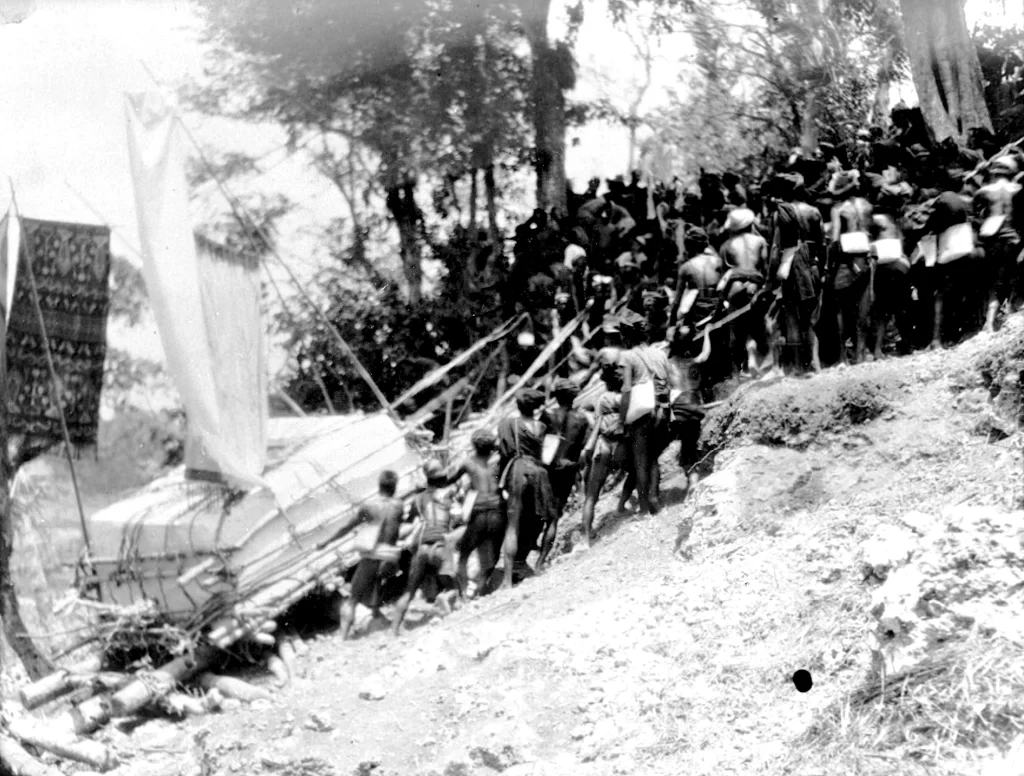
The successful installation of the first Dutch administrator in 1866 transitioned Sumba from a disobedient land to a pacified colony. This pacification was achieved through a series of violent military campaigns, such as the Lambanapu and Wonakaka Wars, which eventually vanquished the local mountain Rajas and forced the population to accept Dutch taxation and labor.
By 1912, the island was organized into four administrative departments where the Dutch co-opted local nobility to serve as government-appointed rulers. While this era brought the development of roads, schools, and the growth of Waingapu as a commercial horse-trading hub, traditional social hierarchies and slave ownership remained deeply entrenched until the Japanese invasion of 1942 brought an abrupt end to Dutch rule.
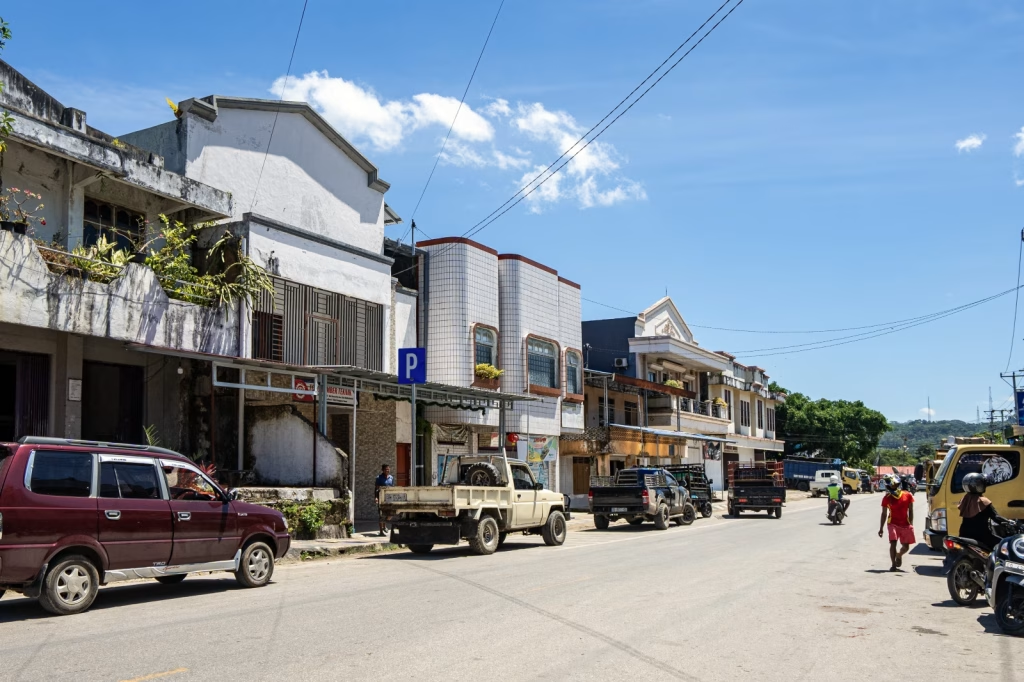
After the Japanese occupation ended in 1945, the Netherlands tried to regain control over Sumba. However, this proved unsuccessful when the island ultimately joined Indonesia in 1950. Under the leadership of Sukarno and later Suharto’s New Order, Sumba was integrated into the national administrative structure.
Nowadays, Sumba’s cultural preservation and sustainable tourism development has been turning the island into a unique spot for travelers worldwide. In 2024, TimeOut named it the best travel destination in Asia, bringing global attention to this remarkable island while communities work to balance tourism growth with cultural preservation.
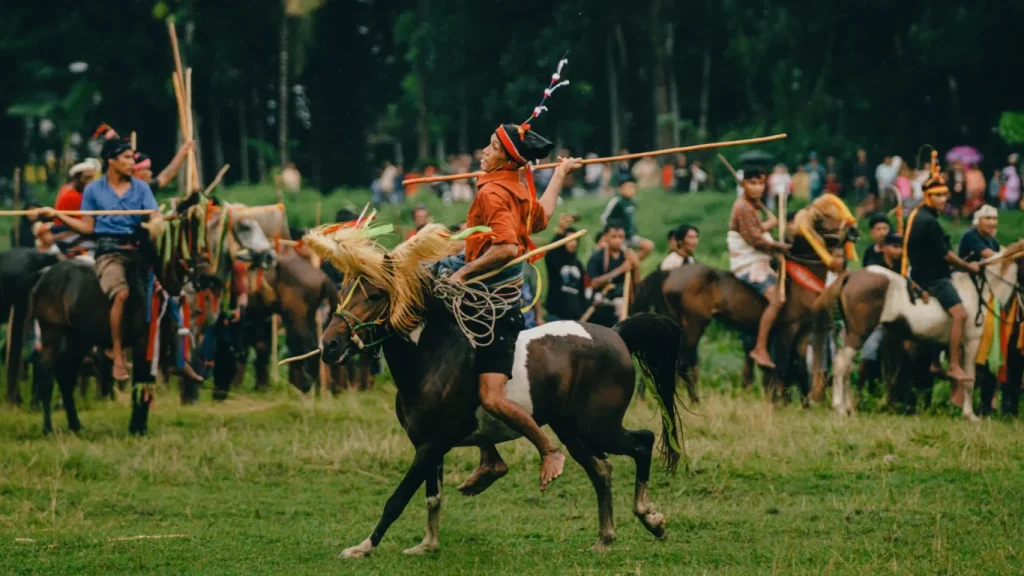
Check our events calendar for the dates of the upcoming Pasola.
Always Updated