01 / ROUTES
5
Featured Routes
GPX-backed treks with live map and stats
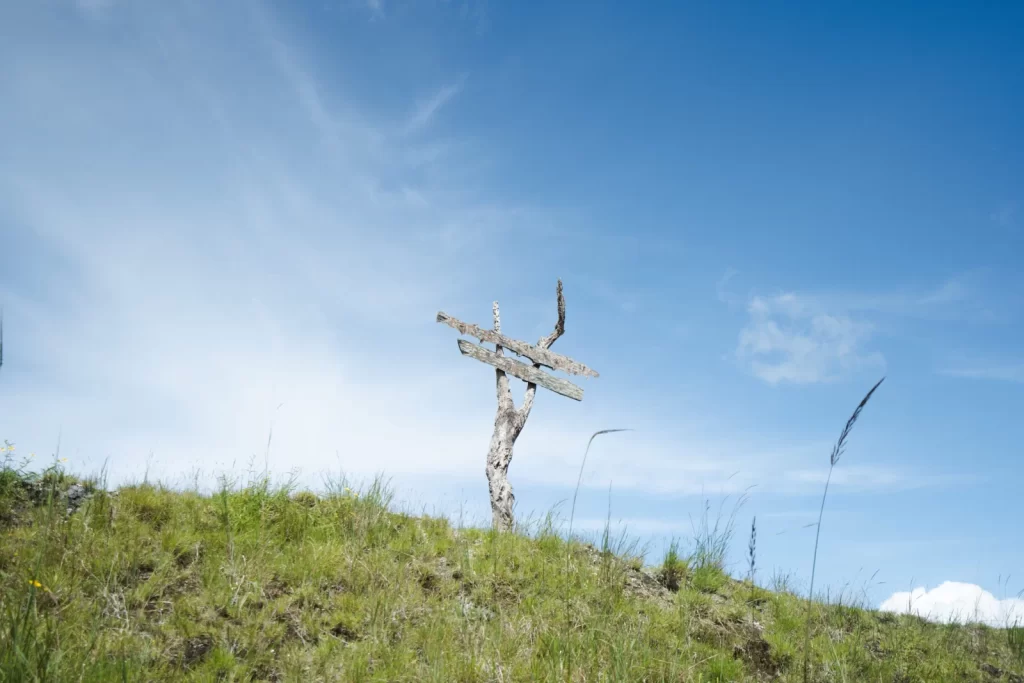
Hiking and trekking routes in Sumba across savanna hills, coastlines, villages, and waterfall trails
“Do not follow where the path may lead. Go instead where there is no path and leave a trail,” once said Ralph Waldo Emerson. He’d love Sumba, where there is no set path and every hike is about leaving a trail behind. Below are the top highlights of hiking in Sumba.
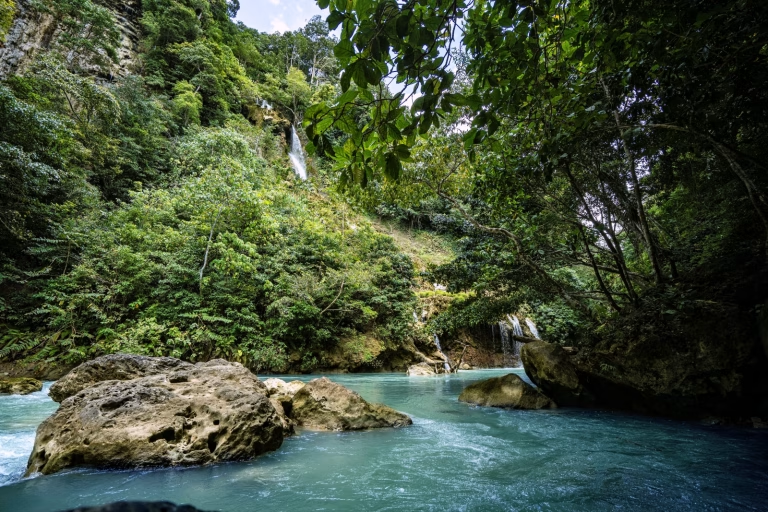
Secluded routes of Sumba offer an exciting adventure. Even the most popular hiking routes on Sumba are pristine trails, where you will tread on ground only a few have trodden.
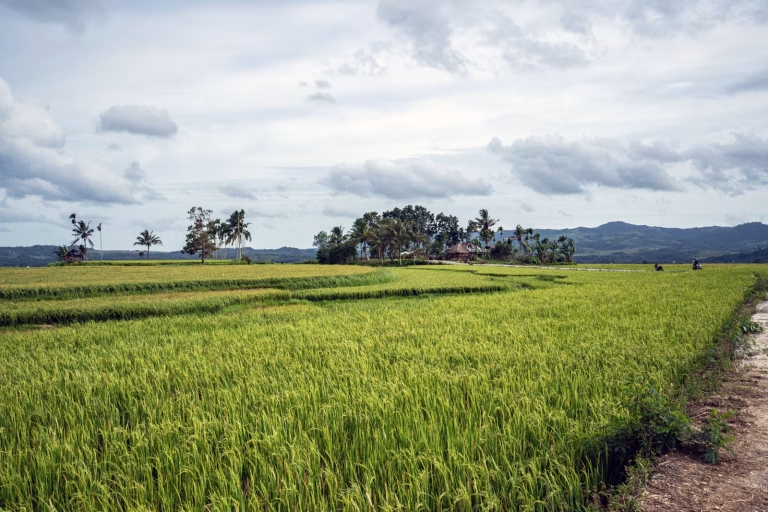
No buzzing phones or chattering strangers around. There is often very few hikers beside you. Every path in Sumba is peaceful, allowing you to truly bask in nature.
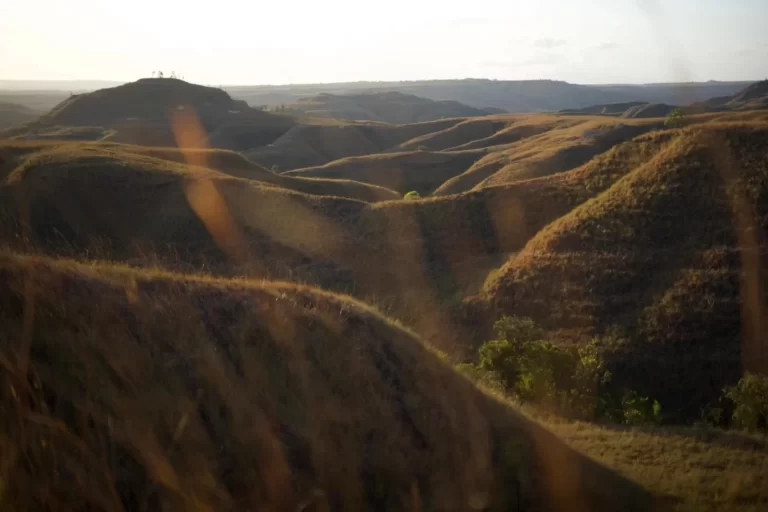
All around Sumba are hidden spots, attractions and landmaks. Hiking along these virgin routes, you will bump into unmapped waterfalls and lakes.
Thanks to the island’s pristine nature, hiking is one of the most popular things to do for visitors. Naturally, the island boasts many tracks, mapped by previous visitors. For the best experience, picking the right hiking route is essential, especially if you are an inexperienced hiker. Remember that distances and durations are estimates; weather and terrain can extend timing.
This short but rewarding trek in West Sumba connects two of the region’s most stunning coastal landmarks. Beginning at Weekuri Lagoon, a saltwater lake with crystal-clear turquoise water enclosed by jagged limestone cliffs, hikers can take a refreshing dip before starting the walk. The trail can be walked in under an hour and leads directly to Mandorak Beach, a tiny cove of pristine white sand. The contrast between the tranquil lagoon and the open bay is striking. This area is perfect for swimming, photography, and interacting with local children who often sell fresh coconuts along the shore.
Heat exposure can be high; starting early and carrying extra water are essential.
In the heart of West Sumba, the town of Waikabubak offers a unique trekking experience that blends nature with living culture. A trip along the small hills surrounding the town leads to ancient traditional villages like Tarung and Waitabar, sitting on the hilltops.
Here, hikers walk among spectacular high-roofed thatched houses and towering megalithic stone graves, the tangible legacy of the ancestral Marapu belief system. The trail then descends into the lively local market, where you can uncover the daily life of the Sumbanese. This route is a profound journey into the island’s soul, where the past and present coexist harmoniously.
This trek into pristine Sumbanese wilderness is nestled within the Manupeu Tanah Daru National Park. The path leads through wavy green savanna and lush tropical forest, offering chances to spot rare bird species like Sumba hornbill or flycatcher. The reward is Lapopu itself, a serene, multi-tiered waterfall that cascades over rocky steps into clear, inviting pools. A small ranger post marks the entrance to the national park section, and hiring a local guide is required.
You cannot hike the Lapopu Waterfall trek without a guide; it is mandatory to have a guide when visiting the national park. You can usually hire a guide at the spot, since the reserve provides guides.
Located just 25 km from Waingapu in East Sumba, Bukit Wairinding offers one of the island’s most accessible and iconic panoramas. A short 500-meter climb up cemented stairs rewards hikers with a breathtaking view of endlessly rolling, terraced hills. The landscape transforms dramatically with the seasons, from lush green during the rainy months to a golden, mystical savanna in the dry season, making sunrise and sunset the prime visiting times. Visitors can enhance their experience by renting traditional Sumba cloth for photos or taking a stroll with local horses. Basic facilities like toilets and small warungs are available.
Rising in East Sumba, about a 2–3 hour drive from Waingapu, Mount Tanarara is less a mountain and more a sprawling savanna hill that feels like another world. This area is a haven for landscape photography, light trekking, and camping under a canopy of stars, with the Milky Way often visible on clear nights. Visit during dry season (May—October) for the best scenery.
The name “Tanarara” means “land of the rainbow” in the local language, a nod to the dramatic gradients of red earth, green grass, and blue sky that paint the landscape.
Look out for these hidden gems along your trail!
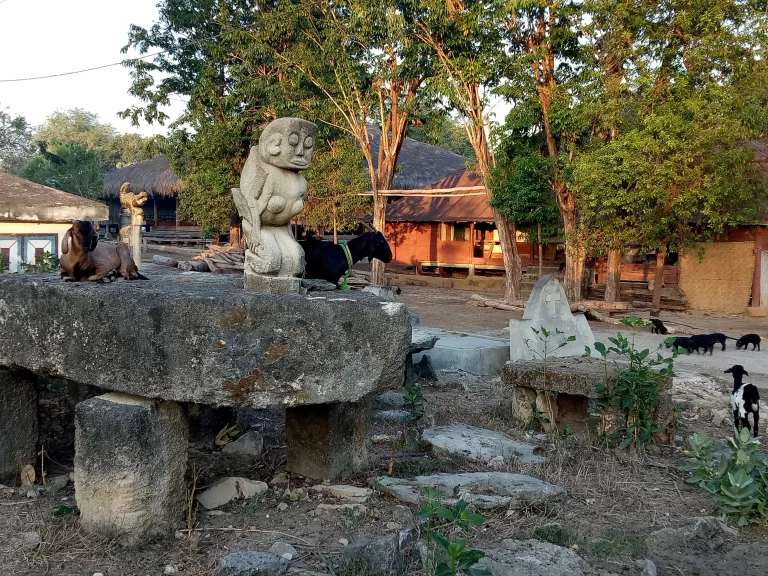
Strolling along Waikabubak’s main road or Waingapu’s unpaved paths can lead you to local settlements whose inhabitants lived on Sumba for thousands of years. Embrace authenticity and don’t forget to get local crafts as souvenirs.
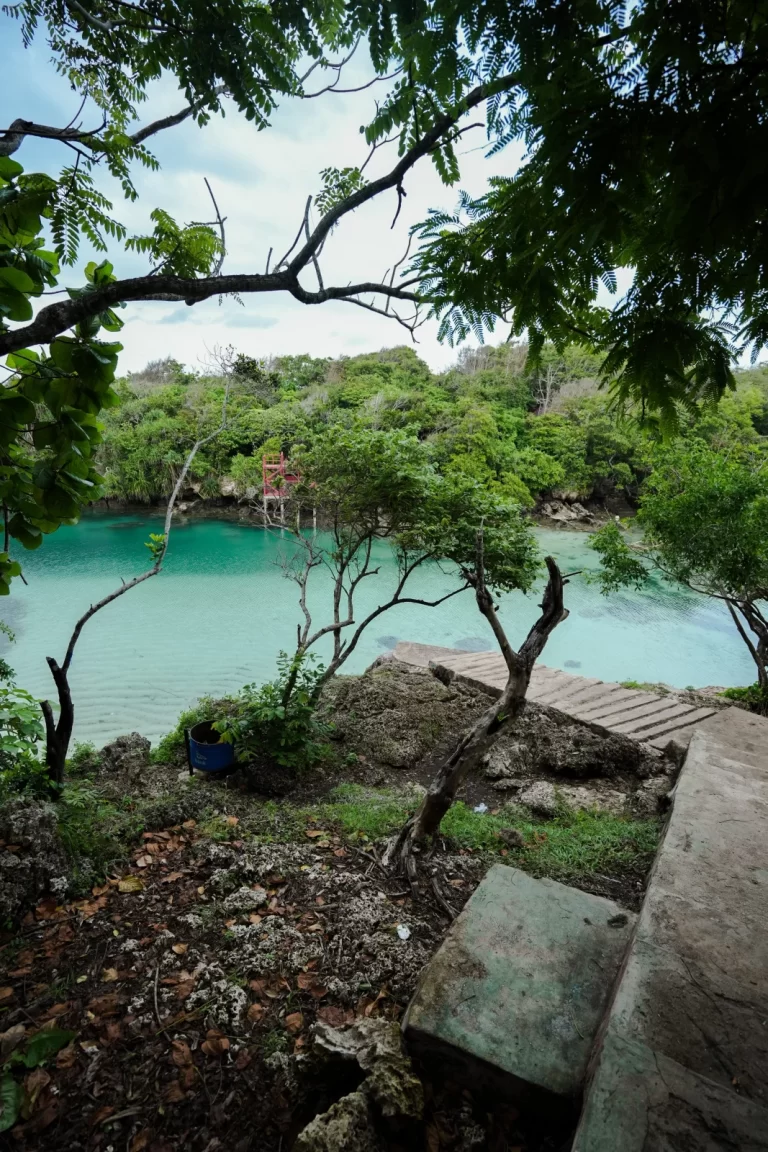
Listen to the call of the wild. If you hear cascading water and children cheering, there might be a waterfall nearby. Sumba is home to dozens, if not hundreds, of them. Most of these waterfalls and lagoons are unmapped, only known to the locals.
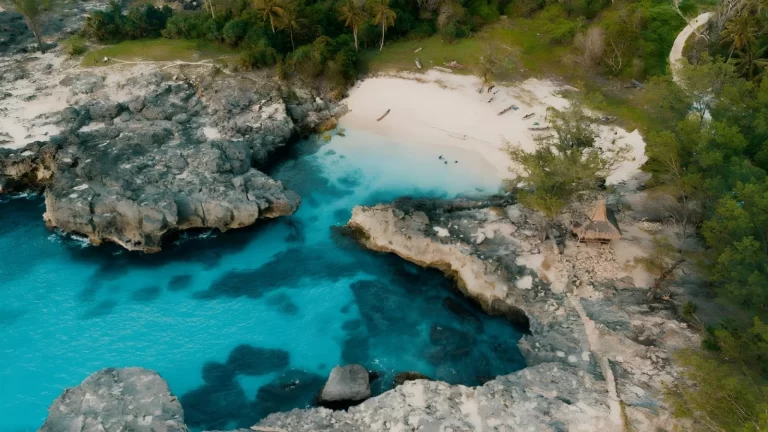
Beauties you will encounter during a hike in Sumba are never disappointing. You can suddenly find yourself atop a hill overlooking unfathomable savanna or a cove that digital maps missed.
You can easily combine your hiking trip with a camping getaway. Sumba’s wilderness is home to many natural camping spots. Don’t forget to get an experienced guide though, since most places don’t have good coverage.
Live weather now.
 30°
30°Sunny
28°Sunny
28°Sunny
28°Sunny
30°Sunny
Sumba’s trails often take you deep into the island’s wilderness, where coverage is poor and human settlements are sparse. If you do not know where you are going, it is not unlikely that you will lose your path. Therefore, getting a professional guide with a knowledge of hiking trails is a must. You can arrange guides via your accommodation, as most resorts have their in-house guides and hosts have the contact of local guides.
Sumba can be extremely warm, especially during the dry season and there might be no refill stations, stores or stalls along your way. Usually, 3 to 4 liters per person should suffice; however, given the strenuous nature of the activity, it is best to have more than that.
If you are staying at a high-end resort, you can look out for their hiking and trekking organizations. Most establishments provide their guests with professional guides and themed routes. If you are staying at a hotel or a homestay, your host might know some operators as well.
Wet season in Sumba is highly dangerous for inexperienced hikers. The island’s hiking trails already have bad coverage, and combining this with constant rain and limited visibility is a recipe for getting lost. Avoid hiking unfamiliar and unmapped routes in wet season; stick to areas that have good signal and near or within urban areas.
Proper preparation is the key to enjoying Sumba’s trails. Check the list and ensure you have everything you need for a safe and memorable hike.
| Category | Minimum Standard |
|---|---|
| Water | Carry at least 3-4 liters per person; many trails have no reliable refill points. |
| Sun and Weather | Use hat, sunglasses, high-SPF sunscreen, plus light rain layer in wet-season months. Check Sumba weather forecast in advance. |
| Footwear | Use trail shoes or boots with dependable grip and ankle support on uneven surfaces. |
| Navigation and Safety | Bring offline maps/GPS, first aid basics, whistle, flashlight, and an emergency layer. |
| Cultural Conduct | Dress modestly near traditional villages and carry small bills for local entry donations. |
Useful Information
Everything you need to know about hiking in Sumba
Since Sumba does not have public transport, you will need to arrange transportation to the trailhead yourself. The best solution is to hire a guide with a car to cover two bases. Alternatively, you can arrange a driver via your resort or, if you are staying at a smaller establishment, your host might give you a ride.
Potentially yes but it might be a tad difficult to find a store that sells hiking gear. If you are staying at a resort they might be able to provide you with the necessary equipment or direct you to a provider. It’s best to bring your own gear to stay safe.
Try to stay calm, find shade to avoid sunlight, sit and see if there is anyone nearby. Sumba does not house any large predators you should be afraid of, so, don’t hesitate to shout and make noises. If there is nobody around, dial 112 to contact emergency services.
If you are at a place with poor or no signal, assess your situation. After resting for a while, try to return (or continue, if you are already on your way back) at a slower pace; having trekking poles will help tremendously here. Do not go out of your way.
Remember the S.T.O.P. method: stop immediately, think about your last known location, observe your surroundings and plan your next move. If you have cell service, dial Sumba emergency number (112). If you do not have a signal, just stay put and do not move forward without planning your next move.
Make noises and shout without tiring yourself. Most people who get lost while hiking are usually found near the original track. So, wait until rescue arrives.
Yes, hiking trails in Sumba are generally safe, as long as you hike with a local guide and inform your host and family about your route in advance. Trails in Sumba usually have very poor coverage and are undocumented, which means, once you get lost, you have almost no way to contact someone.
Yes, as long as the hikers work with a knowledgeable local guide.
Yes, you do. Sumba’s trails have almost no coverage, with the nearest settlement usually being hours away.
Sumba’s hiking trails are mostly secluded. You may see other hikers on some popular routes but this is not the case for most trails.
No, there are no established hiking clubs in Sumba. Instead, resorts occasionally host group hikes and nature walks for their guests.
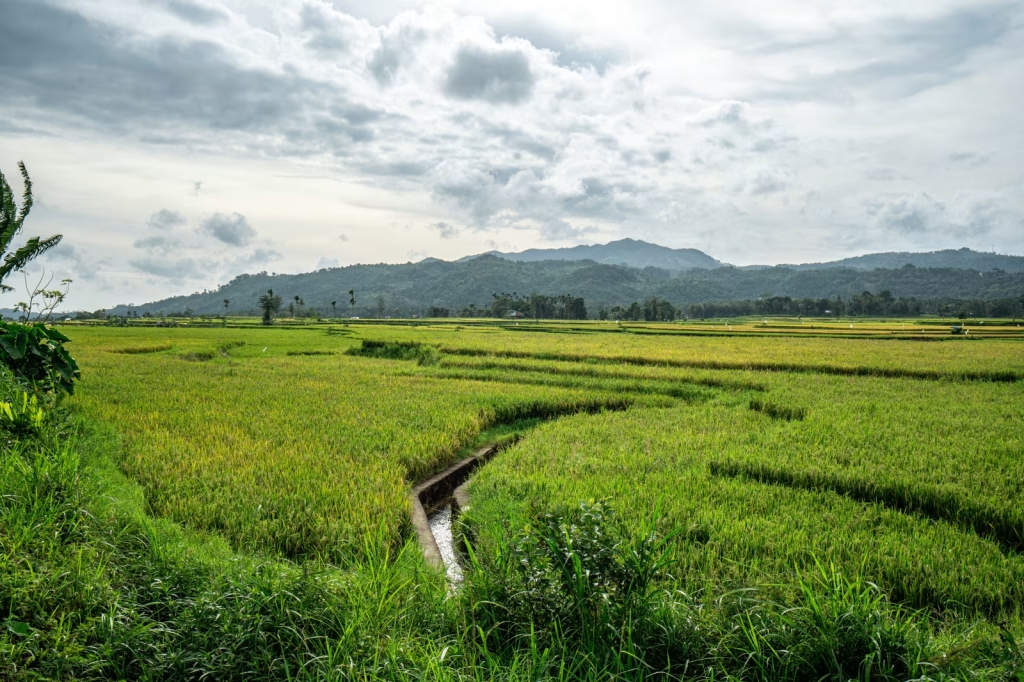
Every corner of Sumba holds breathtaking views and exciting adventures.