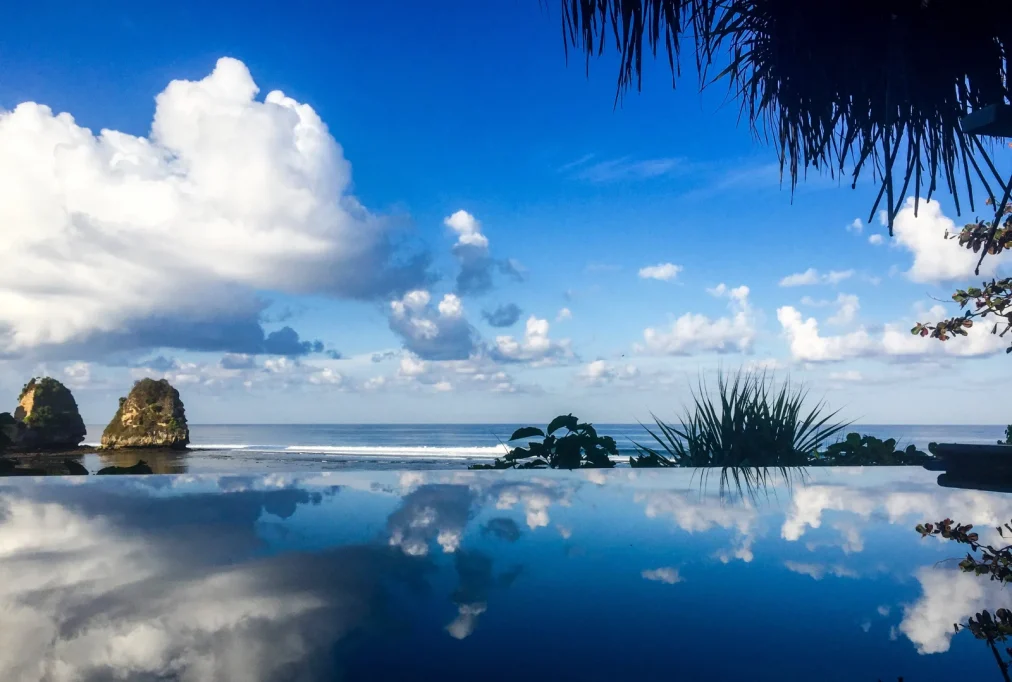
Why Visit Sumba?
Sumba offers untamed nature, living megalithic culture, and genuine solitude. No crowds, no compromises.
Asia's Best Travel Destination 2025 by TimeOut
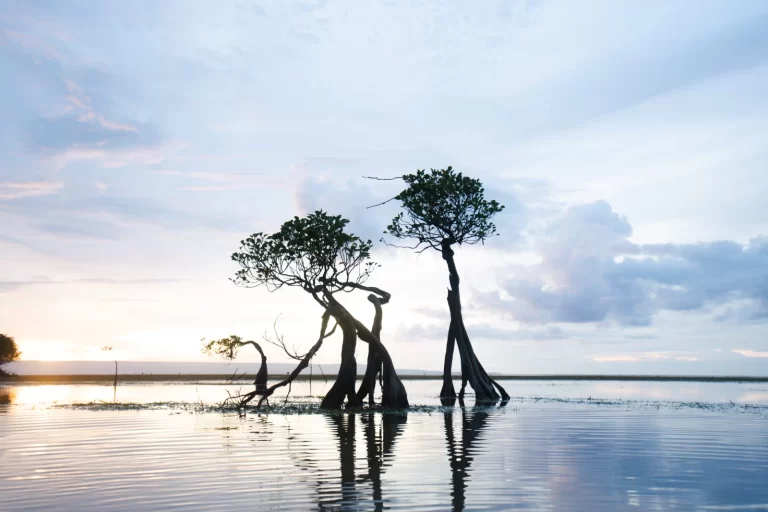
“Unspoiled natural beauty and rich cultural traditions.”
— TimeOut
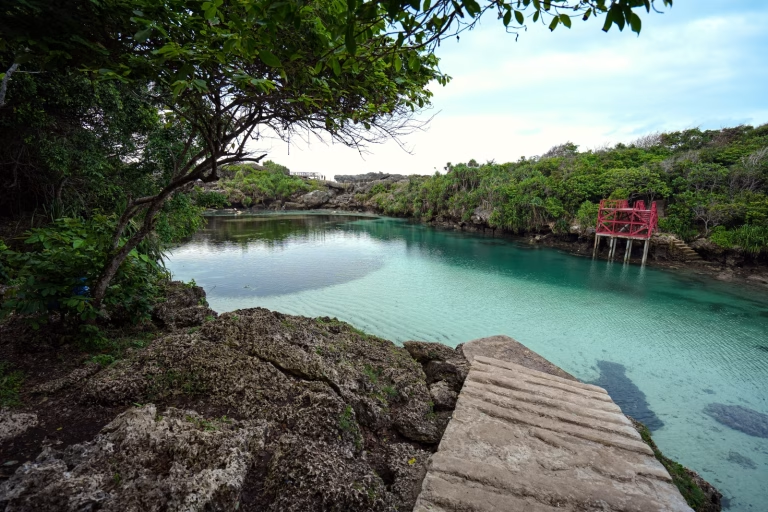
“The perfect destination for a wellness break.”
— National Geographic
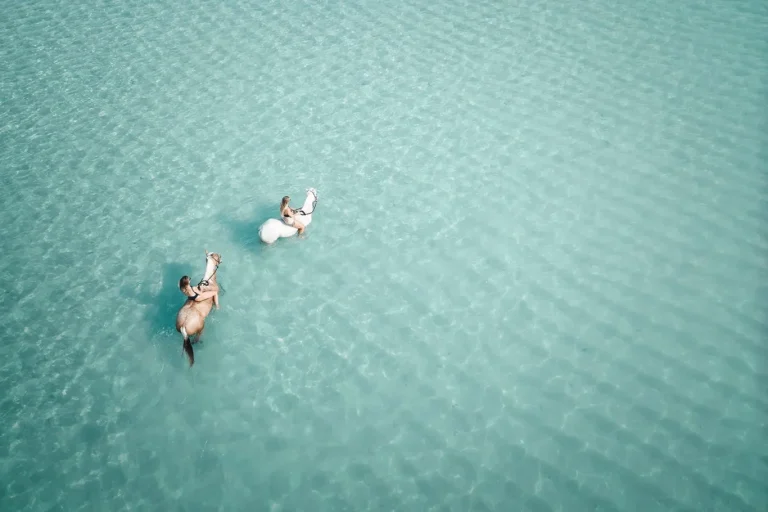
“A pristine paradise with deserted beaches and surfing spots and a low-key charm.”
— The New York Times
Sumba vs. Other Destinations: What Makes It Different?
Is Sumba worth visiting? It indeed is! Untamed savannas, turquoise waterfalls, Pasola spear‑fighting, handwoven ikat, world‑class surfing, all without the crowds. Unlike Bali, Lombok, Sumbawa or Flores, Sumba remains largely untouched by mass tourism. The island offers a raw, authentic experience that its neighbours can no longer provide.
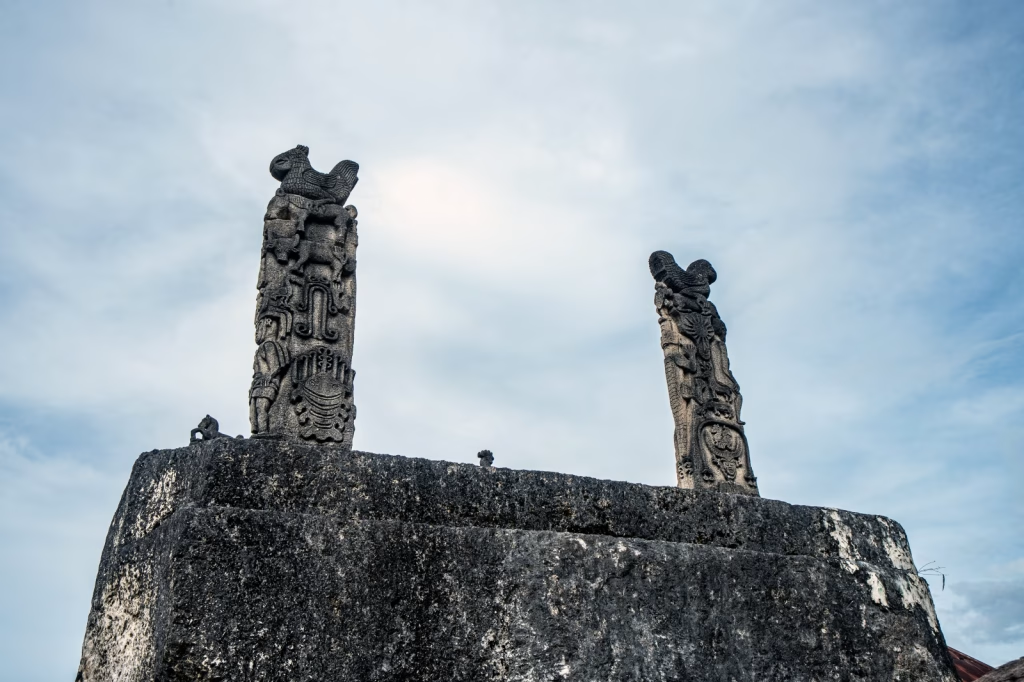
A Living Link to Prehistoric Times
Nowhere else does a living megalithic culture thrive like in Sumba. Villagers still carve and haul massive stone tombs for elaborate funerals, while Pasola, a breathtaking spear‑fighting ritual on horseback, honors the harvest. This tangible link to prehistoric times offers travelers a rare, humbling window into humanity’s ancestral soul.
The Marapu belief system influences every aspect of daily life, from the iconic high-roofed houses to the intricate ikat weaving patterns that tell clan stories. Traditional villages welcome visitors, offering an authentic glimpse into a world where ancestors remain active members of the community. With over 300 annual ceremonies, Sumba’s culture is alive, breathing, and deeply moving.
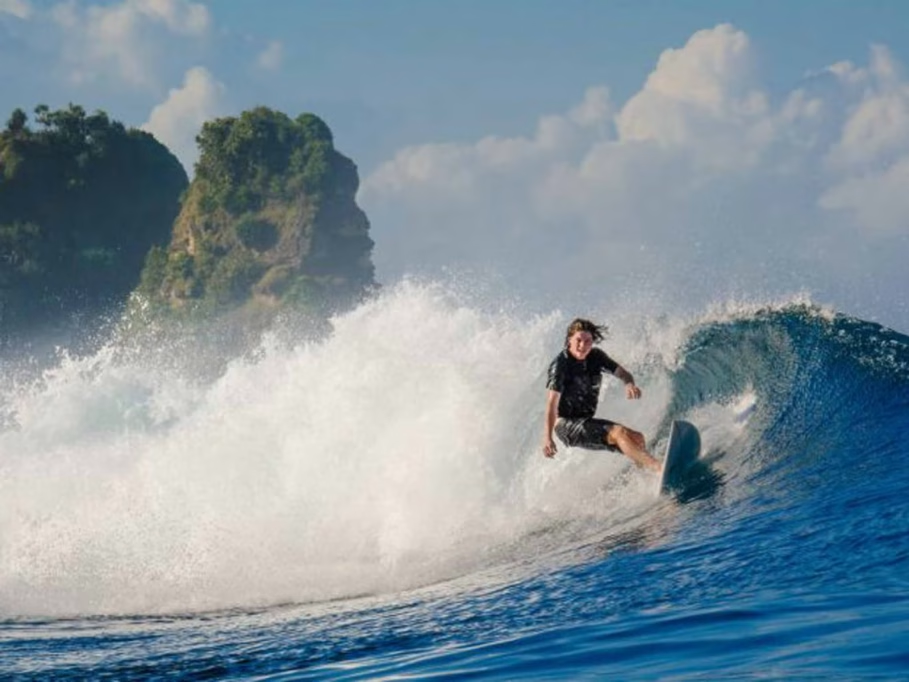
Surfers' Paradise
Sumba’s southern coast boasts legendary, uncrowded breaks like Occy’s Left. Powerful swells roll in year-round, offering exhilarating rides for surfers of all levels. Far from Bali’s busy lineups, this remote island delivers pure, adrenaline‑fueled waves in a pristine setting that feels like your own private discovery.
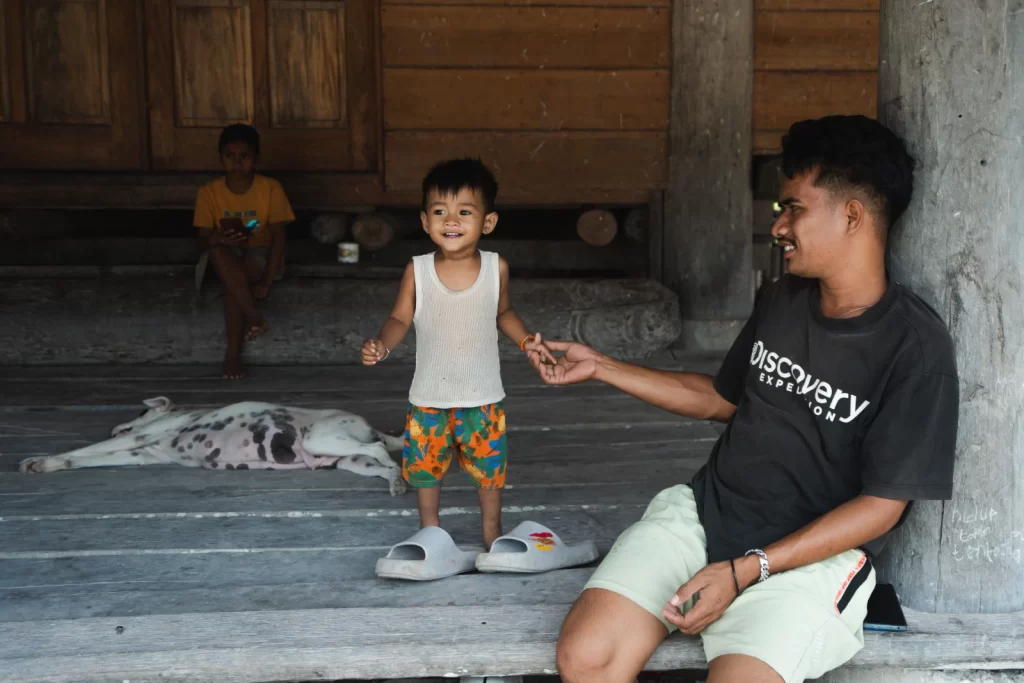
Heartfelt Sumbanese Hospitality
One of the best highlights of a trip to Sumba is its people. In a world where tourism often feels transactional, Sumba remains refreshingly intimate and familiar. Villagers welcome you as a rare and honored visitor. A spontaneous invitation to share betel nut under a thatched roof, a smile from a mother weaving ikat on her porch, or an impromptu lesson in local dance, these moments become your most treasured souvenirs. Children wave from dusty roadsides, elders offer blessings, and families insist you stay for coffee or a simple meal. Language barriers dissolve through genuine kindness.
In Sumba, hospitality isn’t performative; it’s woven into daily life. You arrive curious about culture, but you leave carrying something far richer, the feeling of having been truly seen and welcomed home. That warmth alone is reason enough to come.
FAQ
Frequently Asked Questions
What is Sumba Indonesia known for?
Sumba is known for the Pasola spear‑fighting ritual, handwoven ikat textiles, megalithic tombs, wild surfing breaks (Occy’s Left), Lake Weekuri, and being one of the last places on Earth where prehistoric traditions are still part of daily life. It is also famous for its untouched savannas, turquoise waterfalls, and the critically endangered Sumba hornbill.
Check our Discover Sumba page to find out all that this paradise offers!
Sumba or Lombok? Sumba or Sumbawa? Sumba or Flores?
Choose Sumba for raw, uncrowded culture and untouched nature. Lombok offers easier infrastructure but more tourists. Sumbawa is wild but lacks Sumba’s living megalithic culture and luxury eco‑retreats. Flores has Komodo dragons but fewer ancient ceremonies. Sumba is the last frontier – where authenticity still reigns.
How many days are enough for a Sumba trip?
If you are just interested in primary attractions and have limited time, 3 to 4 days would allow you to see the main highlights on one side of the island.
You can see the primary highlights of both West and East Sumba in 5 to 7 days.
No time constraint? Spend at least 7 to 10 days to enjoy the island and all it offers truly.
Is Sumba worth visiting?
Yes, Sumba is a gorgeous destination that is worth visiting. From high-end resorts to world-class surfing spots, the island offers everything you may seek in a prime destination.
Is Sumba suitable for families with young children?
Yes, but with preparation. Resorts like NIHI and Cap Karoso are very family-friendly. However, long car journeys on bumpy roads, limited medical facilities, and malaria risk require planning. Avoid the wet season (Dec-Mar). Bring all pediatric medications and a high-quality insect repellent.
Start planning your Sumba journey
Before the world discovers it.