01 / BELIEF
Marapu
Core Spiritual Framework
Ancestor-centered ritual worldview
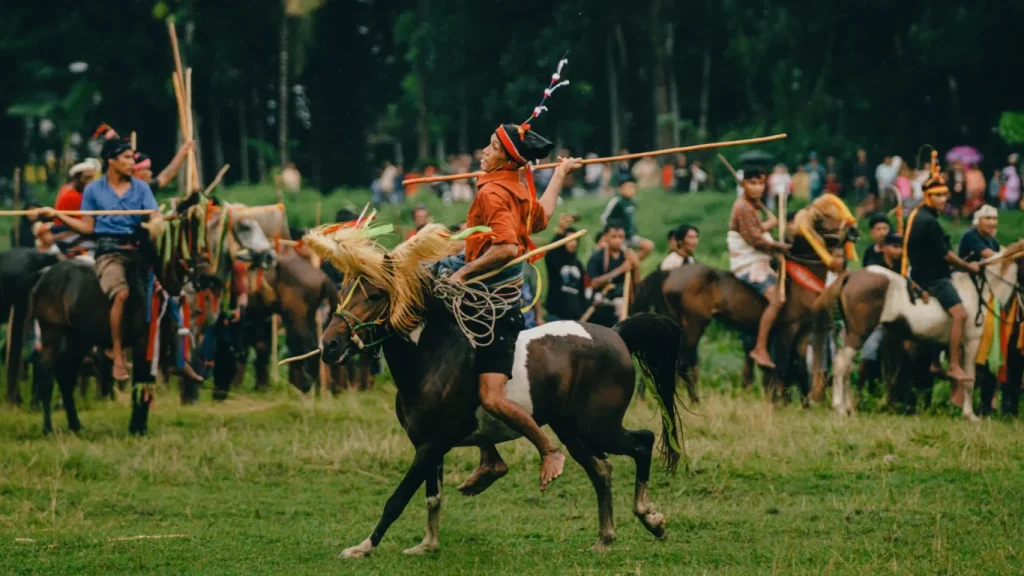
Sumba's traditional ceremonies and festivals are living expressions of the Marapu ancestral faith, where the spiritual and material worlds intertwine.
Sumba’s everyday life is closely intertwined with the Marapu faith, where every ritual serves as a bridge between the living and the ancestral spirits. Traditional ceremonies in Sumba are profound communal obligations that maintain cosmic balance in their world. Each ceremony follows rituals established by ancestors and transmitted through generations. Embark on this journey to witness ancestral ceremonies to glimpse a worldview where the spirit realm remains intimately present in our material world!
There are several different cultural event types in Sumba. Regardless of the purpose or setting, all festivals in Sumba center around traditional rituals.
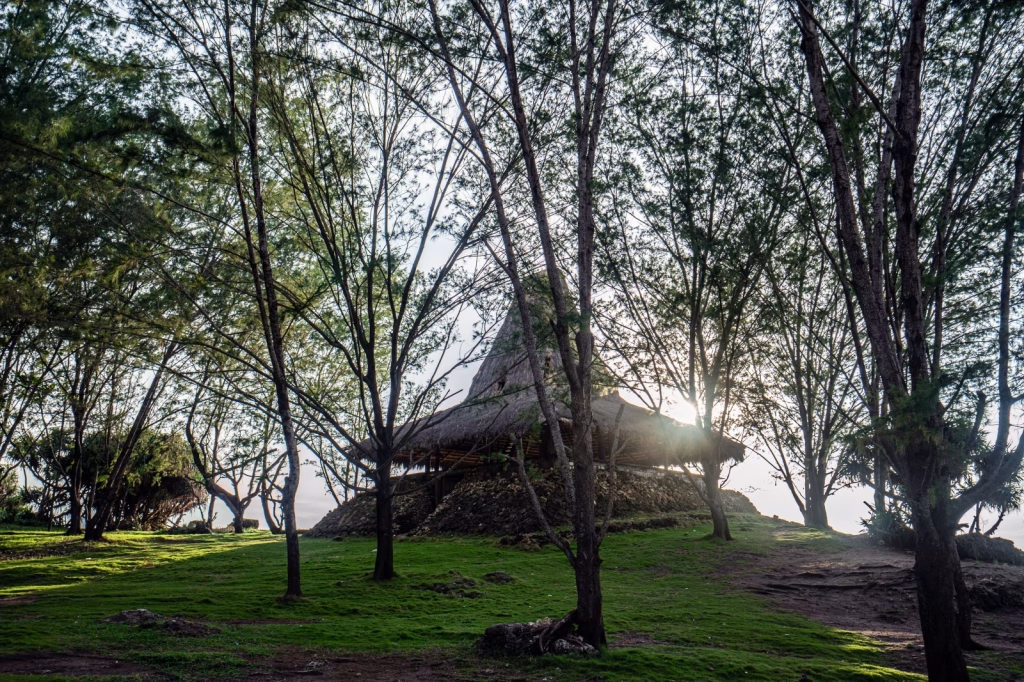
Marapu is the traditional belief system of Sumba and is the foundation of many of the island’s ceremonies. Marapu connects ancestral spirits directly to daily activities, community obligations and management of land. Many rituals and ceremonies are interpreted through this relationship between the living and their ancestors. You can learn more about Marapu through our history and culture guide.
Wula Podu, or the “Bitter Month,” is the sacred cleansing month in Sumba. It is similar to Ramadan or Passion, as adherents of the ancestral Marapu faith follow a very stricct diet and avoid taboos during this month. It usually starts with the full moon in October, lasts a full month, ending with the full moon in November.
Throughout Wula Podu, Sumbanese do not marry, hold funeral ceremonies or build structures. They dedicate themselves entirely to purification. Once the ritual period ends, they celebrate it with great festivities, community feasts, and animal sacrifices, preparaing for the upcoming farming season.
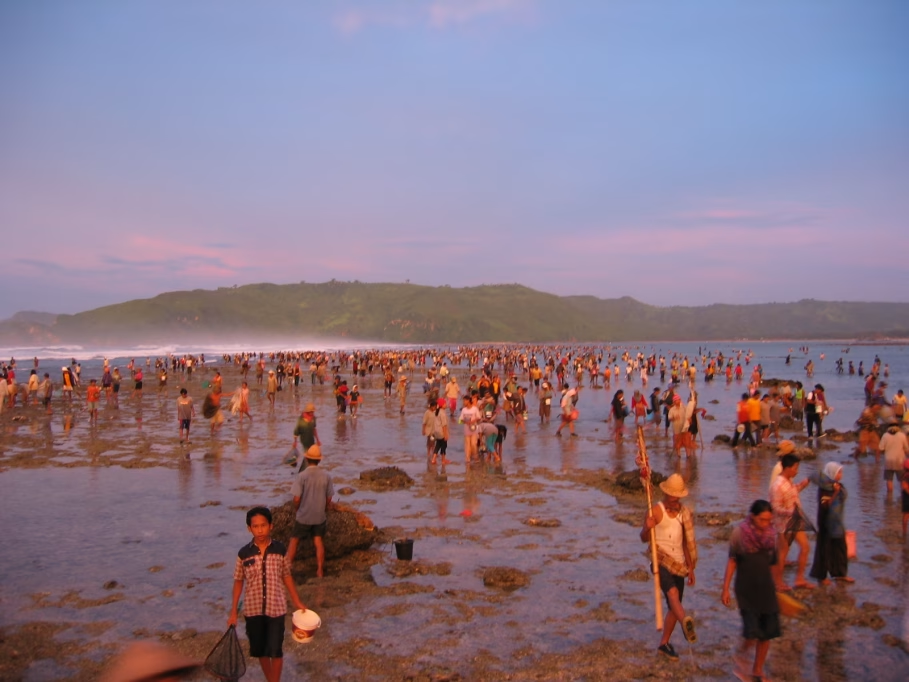
Nyale, colorful seaworms, are quite significant for the Marapu society. These worms appear only once in a year, around February and March, when the west monsoon arrives. When they fill the shores of Sumba for breeding, the Pasola season officially start. Villagers, along with ritual priests, ratos, visit beaches and gather these worms. Nyale are edible and villagers often use them to make a variety of dishes to celebrate the upcoming season. Priests forecast the date of harvest and Pasola based on the sighting of nyale.
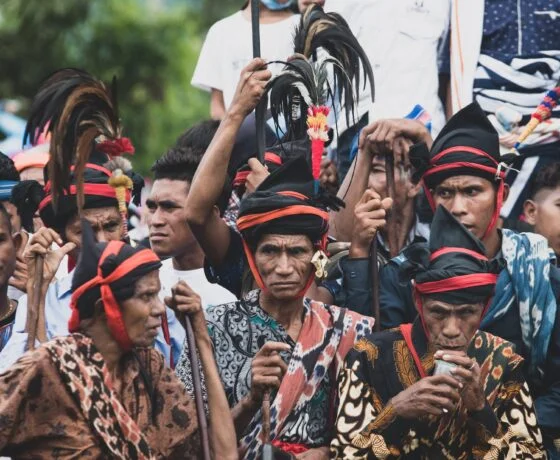
The Pasola Ritual is one of Sumba’s biggest ceremonies of the year and an event that brings different villages together. Skilled horsemen from each village train for months to prepare for this significant event.
A type of ritual battle, Pasola is believed to bring fertility and prosperity to Sumba. Groups of horsemen from opposing villages meet in a large field, each armed with wooden spears and riding iconic sandalwood ponies. When the event begins, horsemen start riding across the field and throwing spears at each other. The main goal is to spill the blood of horsemen from other villages.
Even though it looks violent, Pasola does not cause any animosity between participating parties. In fact, it is believed that the spilled blood ensures a successful harvest season. In some sense, horsemen willingly sacrifice their own blood to soothe ancestral spirits and fertilize the land.
The exact date of Pasola depends on natural cycles, with rato, local priests, determining the date of the ritual by nyale sightings.
Sumba’s traditional ceremonies offer a very profound encounter with one of the last examples of ancestral traditions preserved. You can witness and even participate in these traditions to bask in this raw experience.
If you want to participate in a traditional festival or ceremony, you should know some essential information. Below is a list of various facts about etiquette and access.
You are free to observe but participation is not guaranteed: None of the festivals or ceremonies above are spectacles; they are an everyday part of local villagers’ life. Festivals like Pasola or collecting nyale are open to everyone, including outsiders. In some cases, you may be allowed to participate in more intimate ceremonies, like stone dragging, especially if you are invited by one of the participants. However, it is worth remembering that participation is never guaranteed.
Dress code: If you decide to visit local villages or attend ceremonies, we would recommend wearing clothing that covers your shoulders and knees. This shows respect to the locals and helps you to integrate with them.
Do not disrupt ceremonies: During rituals, remain respectful and avoid loud noises. Keep a good distance from the main area and follow instructions given by local guides or village elders.
Respect local taboos: Certain traditions may have specific restrictions, the mosts prominant being the Bitter Month (Wulla Podu) that precedes the nyale festival, where locals practice certain very strict taboos. Respect this practice and do not break any taboo when visiting a village or ceremony during this period.
Consider hiring a local guide: Local guides here are useful as they can help acclimatise you to the conditions here, both physically and spiritually acting as a middle man between the locals and yourselves.
Taking photographs: Always ask before photographing a person or an artifact. Some ceremonies are considered sacred and photographing might not be allowed.
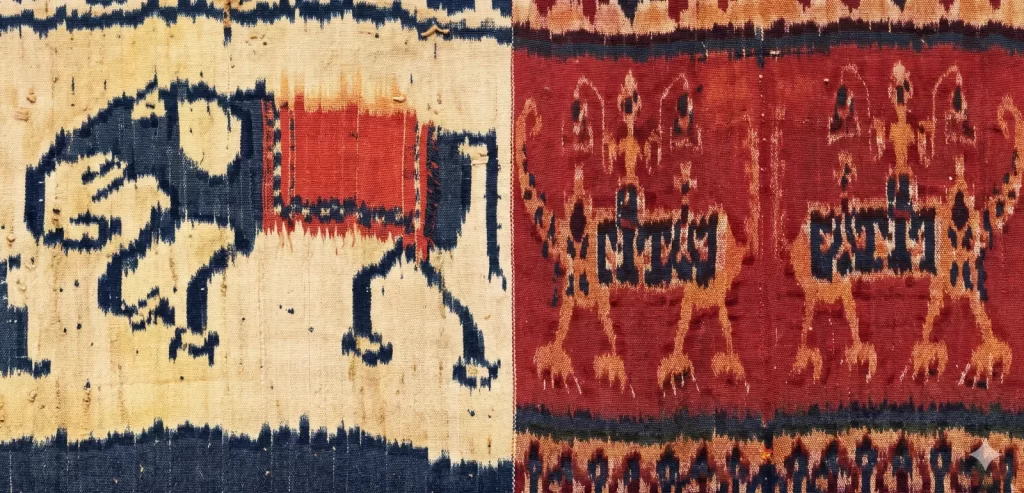
Learn more about Sumbanese culture and traditional communities in Sumba!