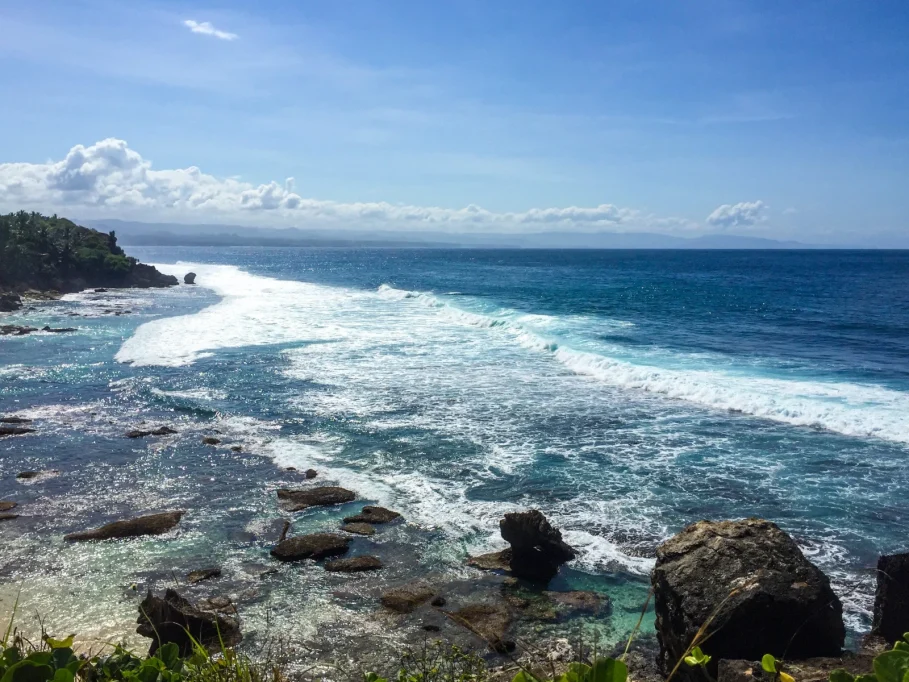
Nature & Wildlife
From endemic birds to coral reefs, Sumba remains one of Indonesia's last ecological frontiers.
Sumba sits right inside the Wallacea transition zone, a biological crossroads between Asia and Australia. That strange in-between location gives Sumba a magic of its own: dry, golden savannas that feel like Africa, pockets of deep green forest, mangroves humming with life, coral reefs, and wildlife found nowhere else on the planet. Thanks to this unique geography, Sumba is home to many endemic animal species, from colorful birds to iconic Sandalwood ponies.
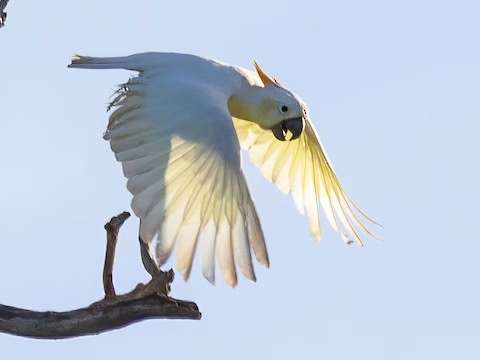
Citron-crested Cockatoo
Found only on Sumba and a handful of tiny nearby islands, Citron-crested Cockatoo is critically endangered. Less than a few thousand remain in the wild. Spotting one in the wild feels like witnessing a small miracle.
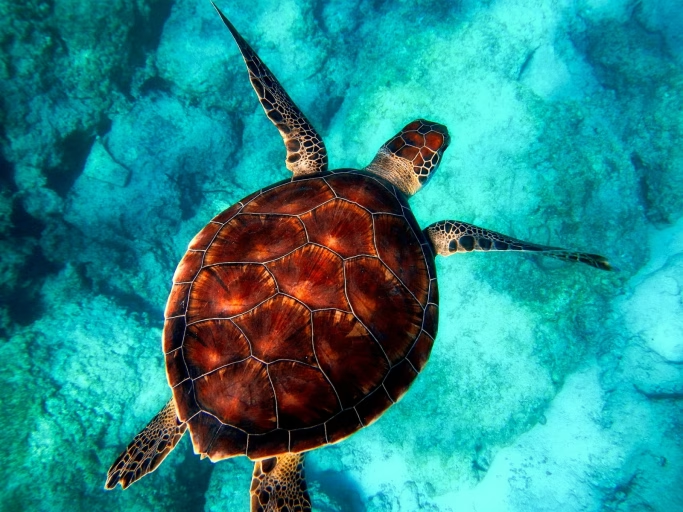
Sea Turtles
Sumba’s shores host many different turtle species, such as green turtles and the rarer hawksbill turtles. Between March and October, these turtles swim hundreds of miles to crawl ashore at night, dig their nests in the dark sand, and lay eggs.
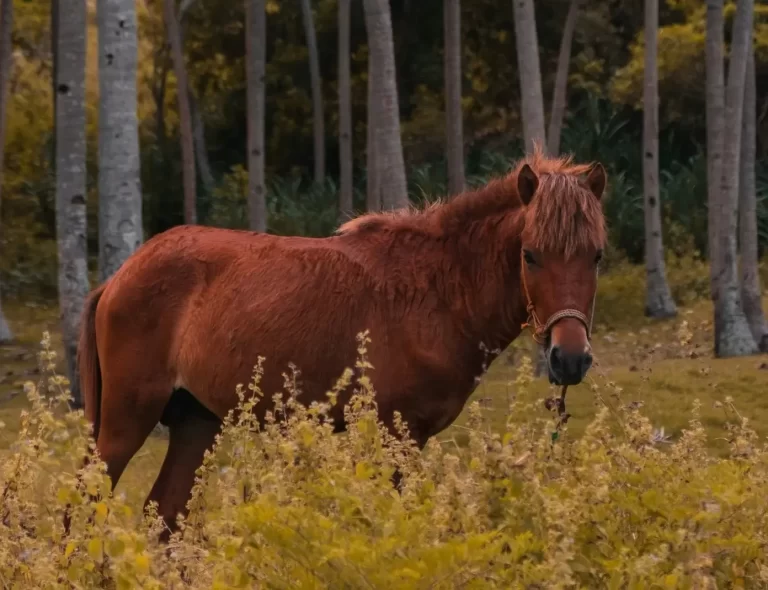
Sumba Ponies
The Sumba pony does not look like a typical horse. Smaller, stockier, and incredibly tough, it is born for dry grasslands and rocky hills. However, they aren’t mere wild horses, they also hold a very significant place in Sumbanese society.
Habitats of Sumba
Sumba is small, but its wildlife lives everywhere around in a different way. Three main habitats shape what and where you’ll find: savannas, forests, and coasts. Each habitat feels different, smells different, and asks you to slow down and pay attention. To really know Sumba’s nature, you need to walk through all three.
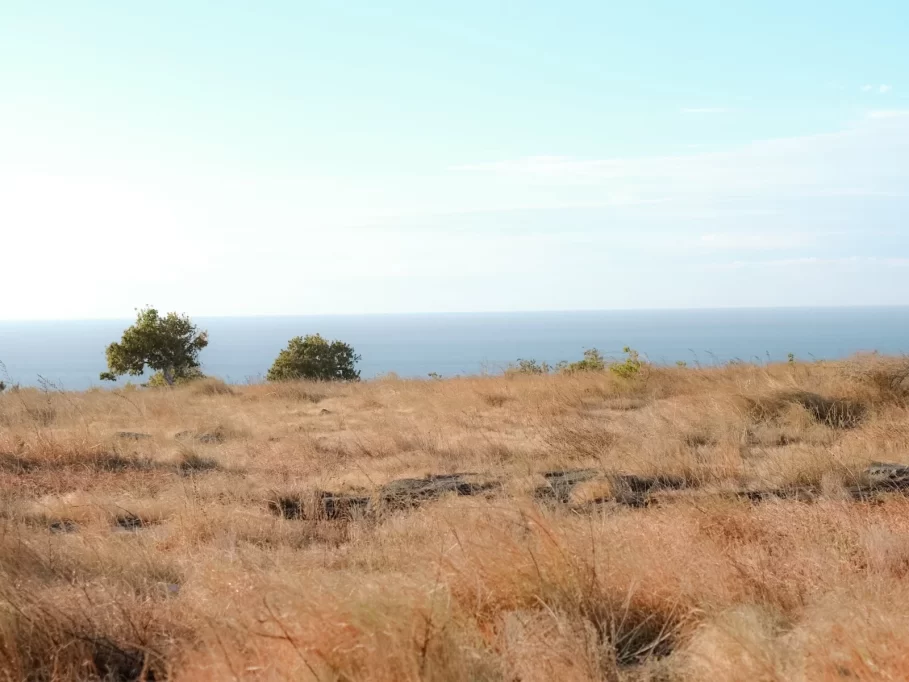
Savanna and Grasslands
This is the Sumba you see in photographs: endless tawny grass, twisting trees, and blue hills fading into the distance. It’s dry for much of the year. Timor deer graze in the early morning light. Flocks of parrots screech overhead. Raptors like the Bonelli’s eagle ride thermals, scanning for prey. And of course, Sumba ponies, sometimes in small bands, sometimes in larger herds, move like ghosts across the open plains. The savanna can feel harsh, but spend a dawn there, and you’ll realize it’s a carefully balanced world of tough beauty.
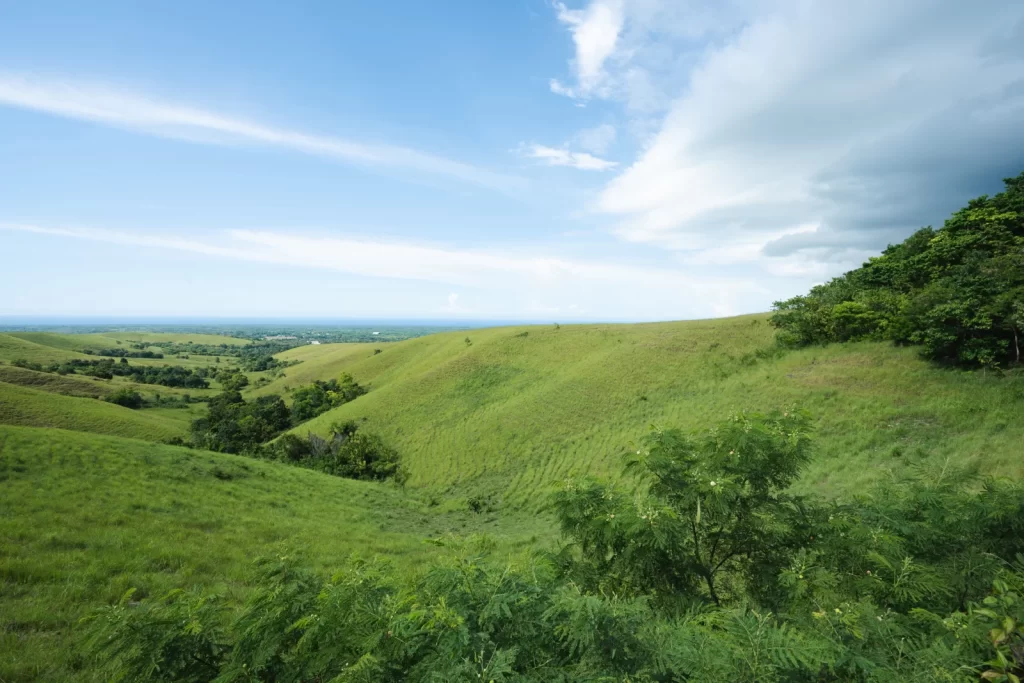
Forests and Valleys
Away from the dry lowlands, Sumba’s interior surprises you. In places like Lapopu and Manupeu-Tanah Daru, the air turns cooler, the soil darker, and the trees grow taller.
Forests are where the island’s endemics hide. Listen to the Sumba hornbill’s heavy wingbeats. Watch for Eclectus parrots flashing red and green between branches. Fruit bats roost here by day; at dusk they pour out like silent clouds.
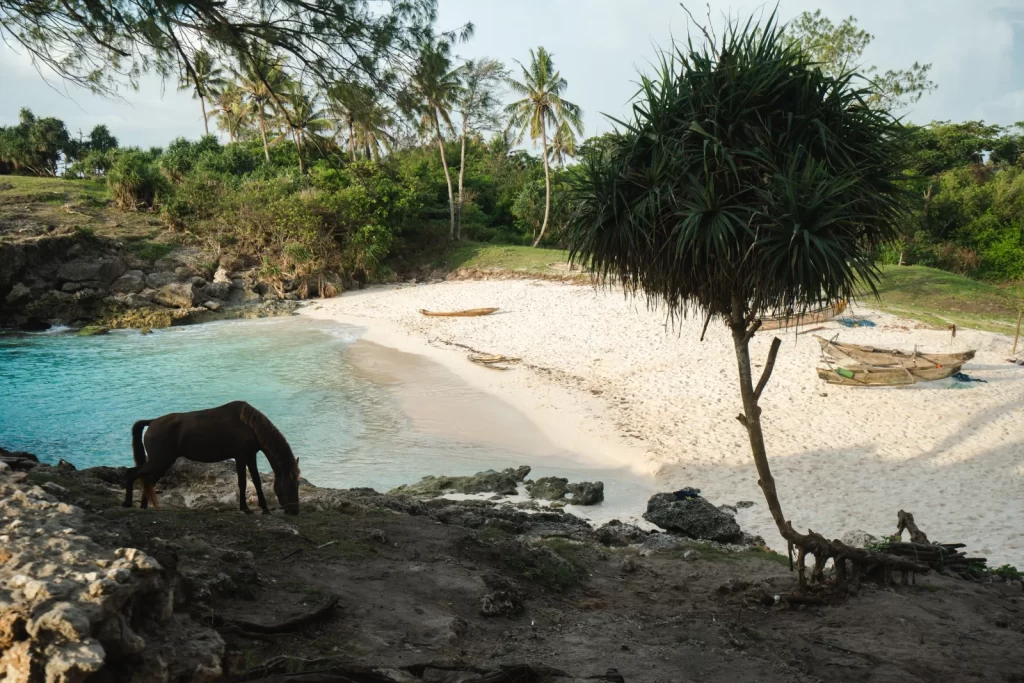
Coasts and Reefs
Between Sumba’s famous waves, you’ll find quiet bays lined with mangroves, tangled, muddy, and absolutely teeming with life. Juvenile fish hide among the roots. Crabs scuttle on the mud. Herons stand like statues waiting for a meal.
Just offshore, coral reefs host butterflyfish, groupers, and sea turtles grazing on seagrass. Deeper channels bring in seasonal visitors: manta rays, and occasionally whale sharks.
Birds of Sumba
Sumba’s wildlife hosts eleven endemic bird species that exist nowhere else on Earth. And you don’t need to be an expert to appreciate them; their colors, calls, and behaviors will stop anyone in their tracks. The best birwatching happens where forest meets open land, where flocks of unique birds dominate the scenery.
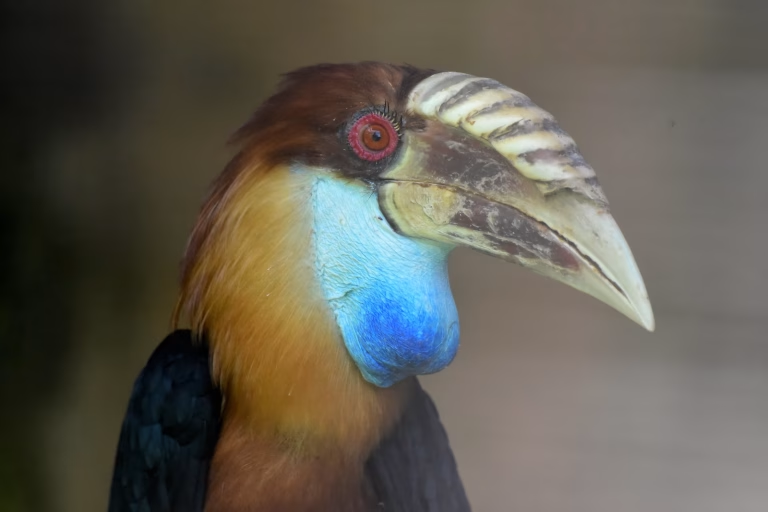
Sumba Hornbill
The Sumba hornbill is large and flies with slow, deliberate wingbeats between tall trees. Hornbills are deeply tied to the health of the forest: they eat fruit and spread seeds, literally shaping the landscape.
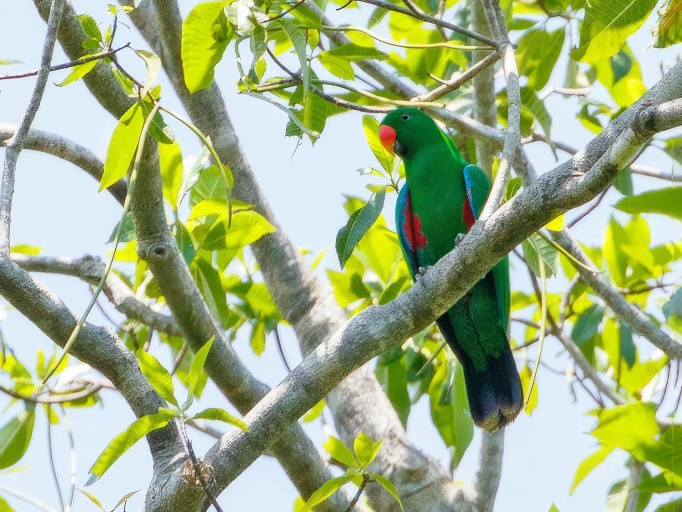
Sumba Eclectus Parrot
The Eclectus parrot is a study in contrasts: the male is a brilliant emerald green, while the female is a deep red with purple-blue accents. You’ll find them in forest edges and tall trees near clearings.
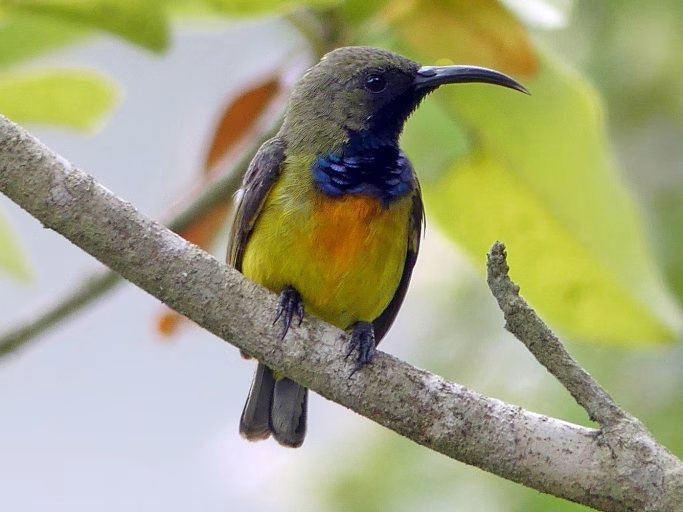
Apricot-breasted Sunbird
Tiny, quick, and impossibly bright, the apricot-breasted sunbird is a favorite among those who know Sumba’s birds. Watch them hover at flowers, probing for nectar with their curved bills.
Birdwatching Tips
Most of Sumba’s endemic birds are very shy and hard to find. So, understanding how to properly birdwatch is essential for anyone wishing to spot Sumba’s treasures in their place.
Mammals, Reptiles and Marine Life
Birds get the spotlight, but Sumba has plenty of other wild residents on land and in the sea. Estuaries and river mouths occasionally hide a saltwater crocodile, rare, but real. Offshore, the ocean delivers surprises for fishers and marine enthusiasts: manta rays and whale sharks. Each sighting is a reminder that Sumba’s wildness is not just in the air; it is in the water and on the ground too.
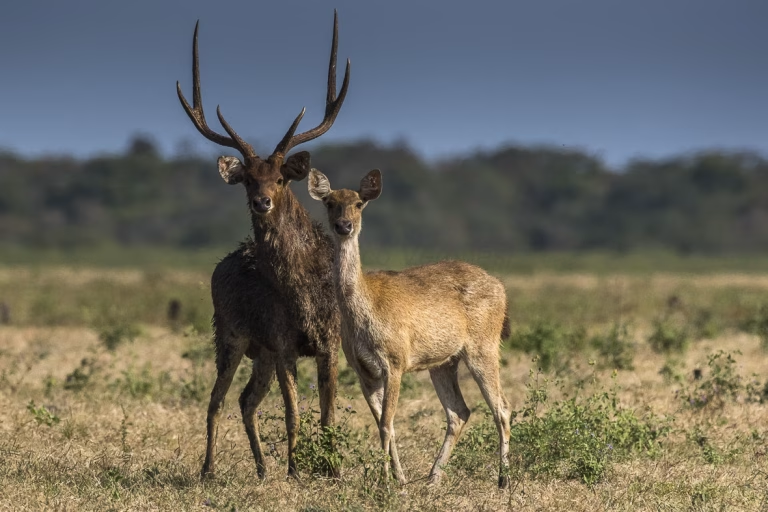
Timor Deer and Water Buffalo
Timor deer with impressive antlers often appear at dawn and dusk, sometimes in groups of twenty or more. Water buffalo are another story: big, dark, and perfectly adapted to the island’s heat.
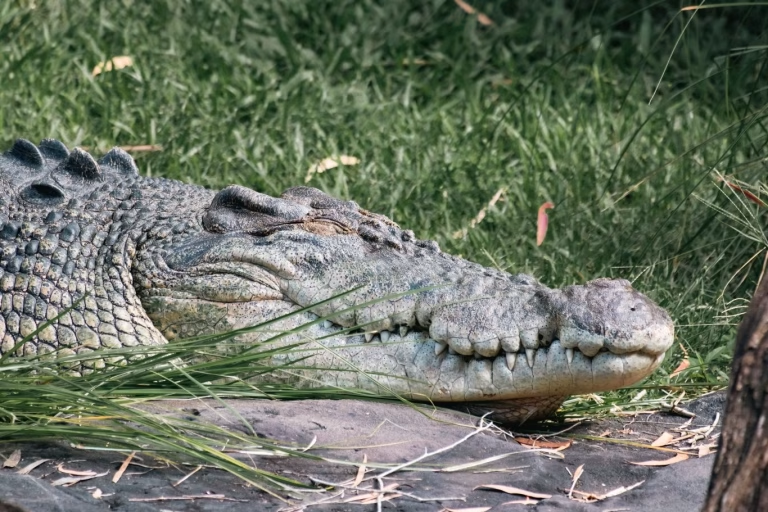
Saltwater Crocodile
While Sumba has saltwater crocodiles, they are rare and mostly found in a few estuaries, river mouths, and mangrove-fringed bays. Local communities know where they live and prefer to leave them in peace.
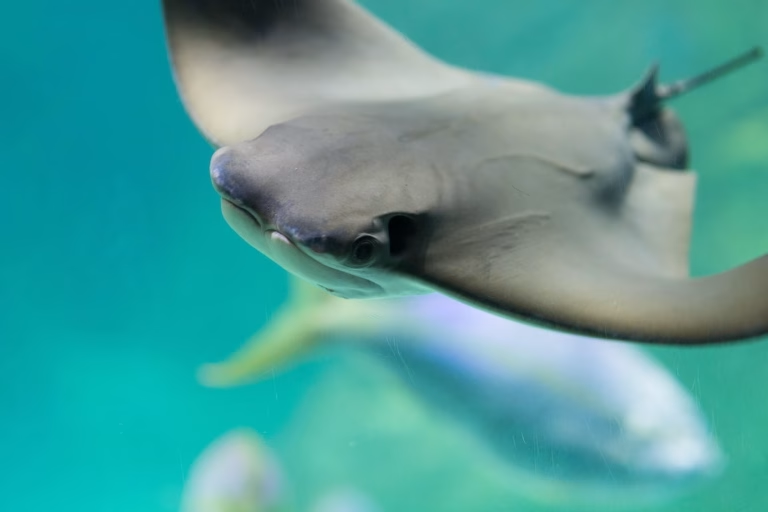
Manta Rays and Whale Sharks
Manta rays live in Sumba’s offshore waters and occasionally approach the shore. Even more exciting: whale sharks, the world’s largest fish. They’re seasonal and unpredictable, but local fishers occasionally spot them near the surface, filtering tiny organisms.
Sumba’s Flora
Sumba’s plants have learned to thrive with little rain and long dry seasons. The result is a landscape of hardy, often fragrant vegetation. To understand Sumba’s wildlife, you have to understand these plants, as the entire animal ecosystem depend on them for food, shelter, and survival. Walk slowly, touch the bark, smell the leaves: the flora tells its own story.
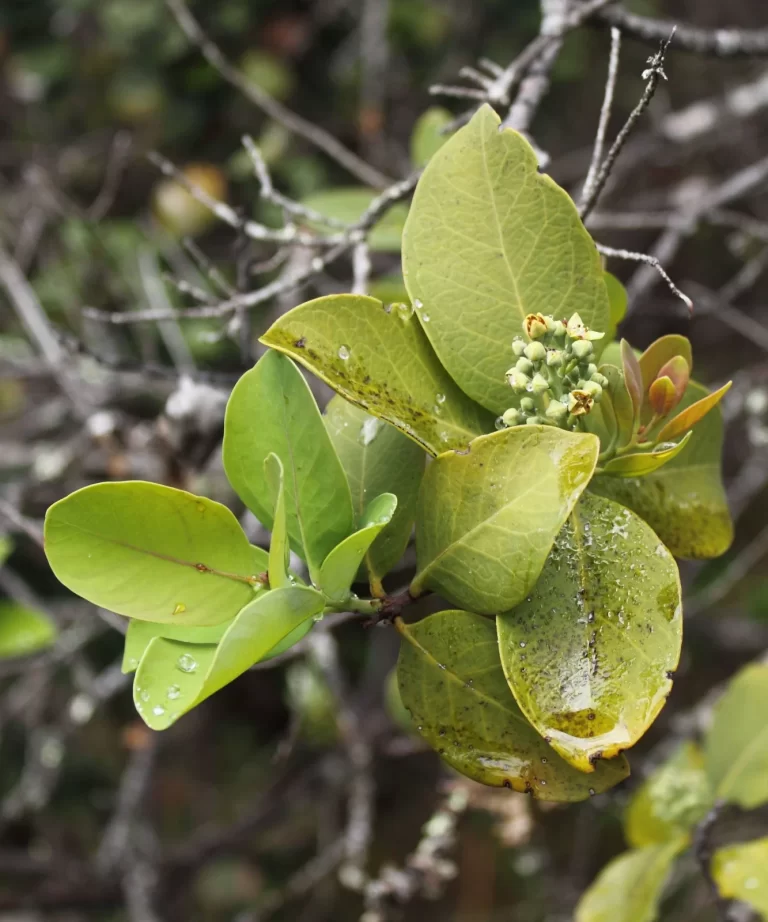
Sandalwood
Sandalwood tree grows wild in a few protected pockets, in the eastern part of the island. It is a small, unassuming tree until you scratch the bark. Local people harvest it legally only with permits.
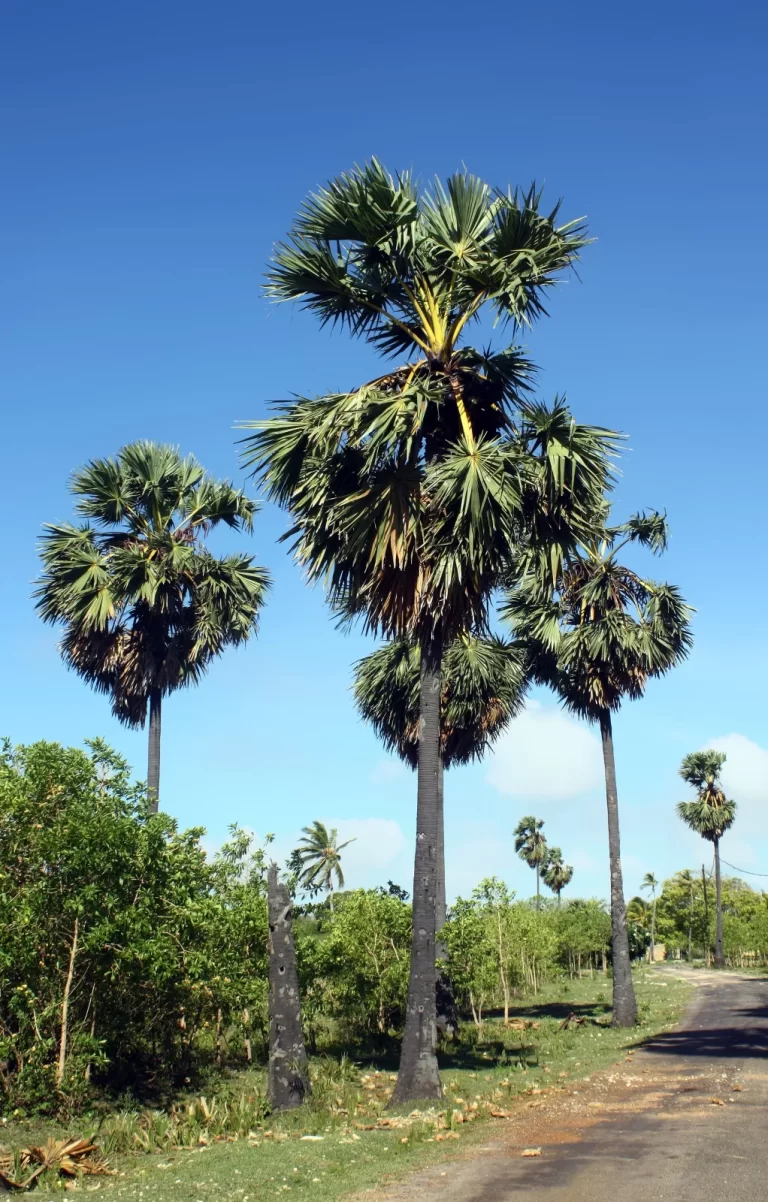
Lontar Palm
Tall, spiky, and unmistakable, Lontar Palm dots the savanna. Nearly every part is useful: leaves for thatch and baskets, trunks for timber, and the sap for sopi, a traditional alcoholic drink.
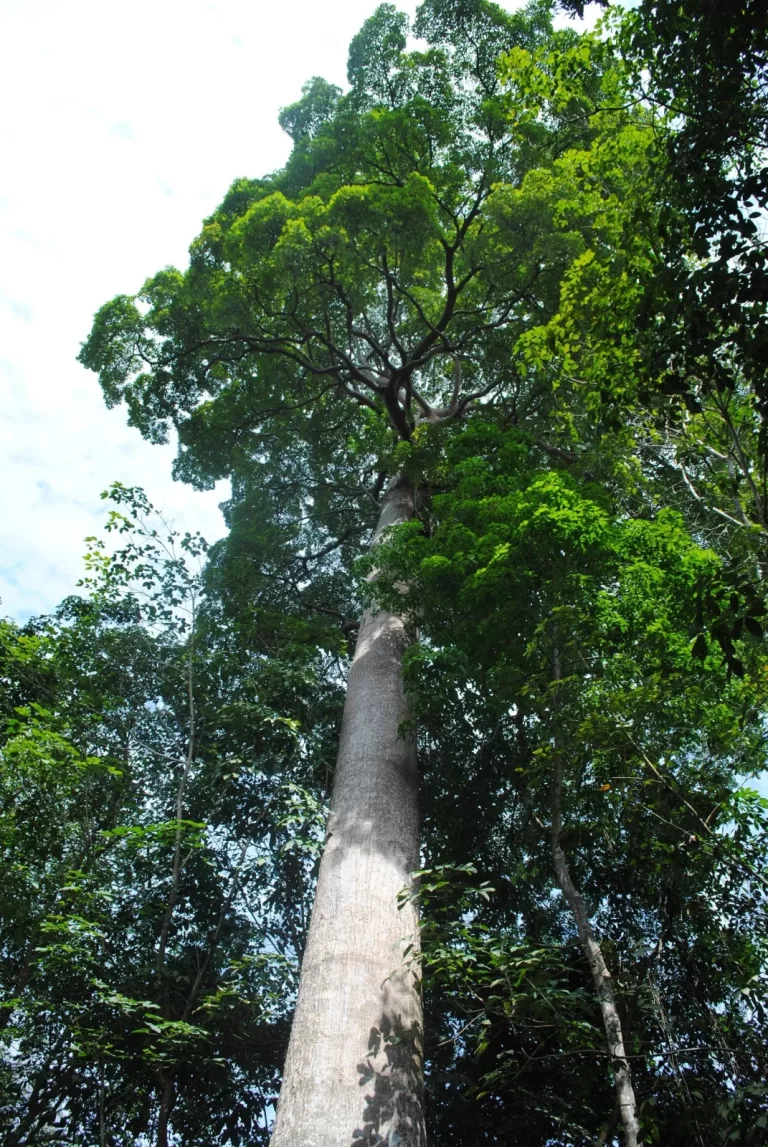
Suren, Kesambi, and Pulai
These three trees are the quiet backbone of Sumba’s woodlands. Suren grows tall and straight, favored by hornbills. Kesambi is a hardy, spreading tree that survives on little water. Pulai, often found along streams and forest edges, produces soft wood and milky sap.
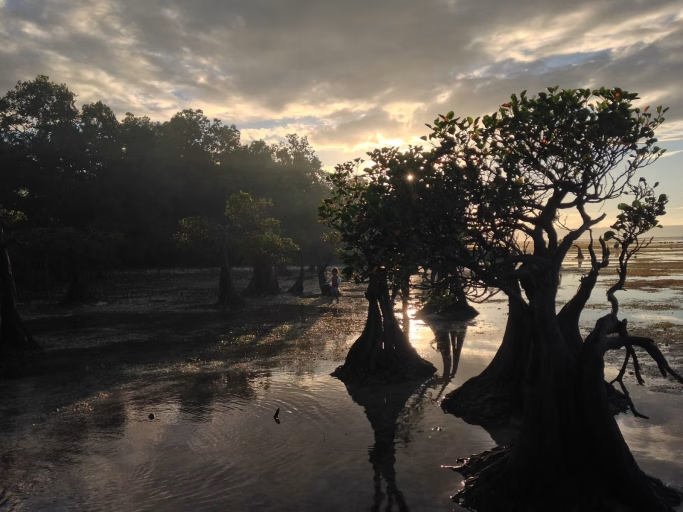
Mangrove Systems
Sumba’s mangrove forests are easy to overlook, but step inside, and you’ll find a nursery like no other. Tiny fish hide among the roots. Crabs and mudskippers scuttle across exposed mud at low tide.
How Can You Help?
Preserving Sumba's ecosystem is a responsibility for us all. Here are 4 very easy steps to keep the island pristine.
- Observe Sumba’s nature and wildlife from a respectful distance and never feed animals.
- Stay on marked paths in forest and savanna habitats to reduce disturbance.
- Support local conservation initiatives and community-based guides.
- Respect nesting and breeding sites, especially beaches used by turtles.
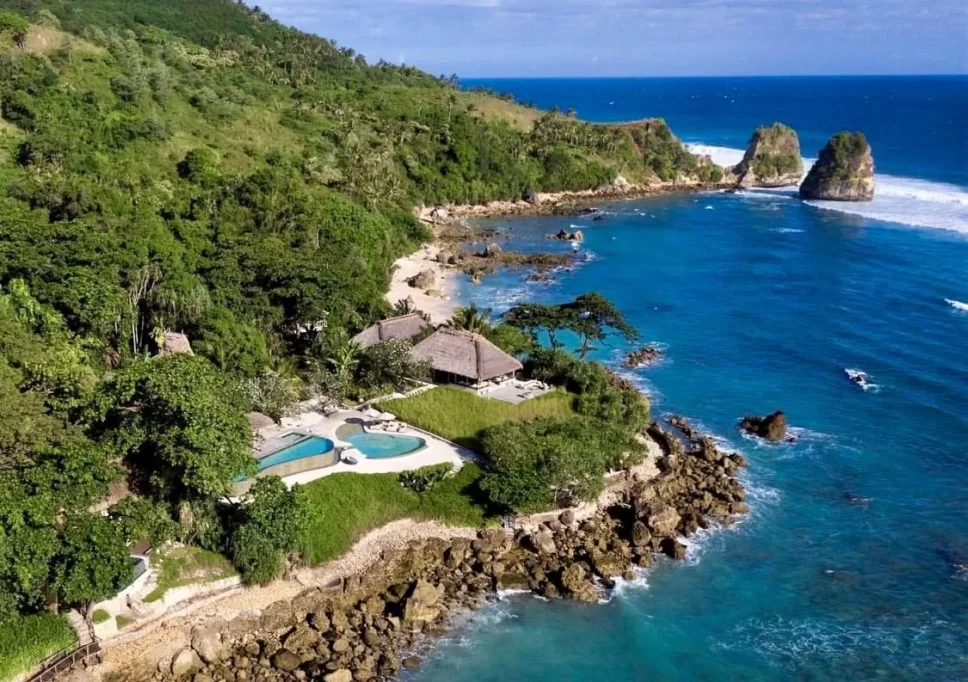
Plan an Expedition Across Sumba
Use our maps and guides to discover forests, coastlines, and endemic wildlife while supporting local communities.