Cafés in Sumba

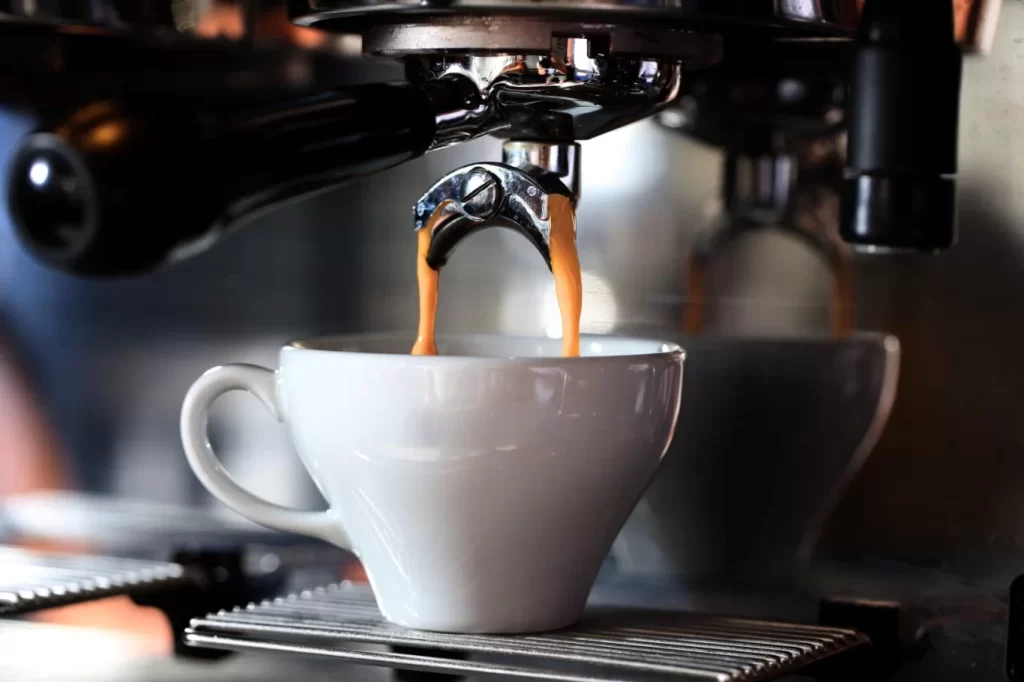
Espresso streams into a white cup from a chrome espresso machine's portafilter, set on a metal grate.
Coffee & Snacks

Sumba is a unique location for the coffee enthusiast. Learn about kopi Sumba and where to find it!

Home Where to Eat Cafés in Sumba

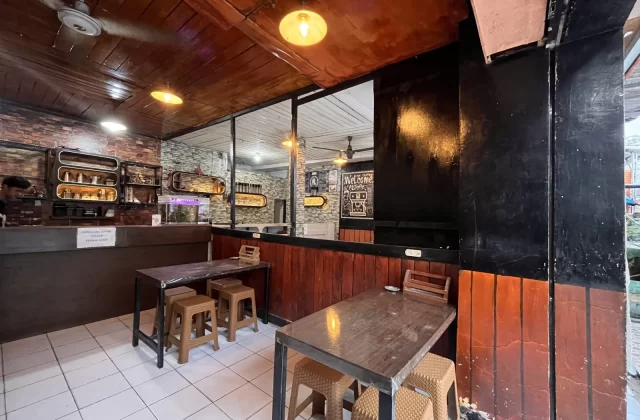
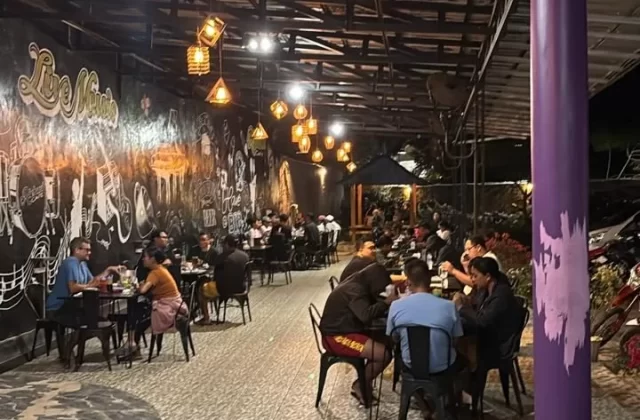
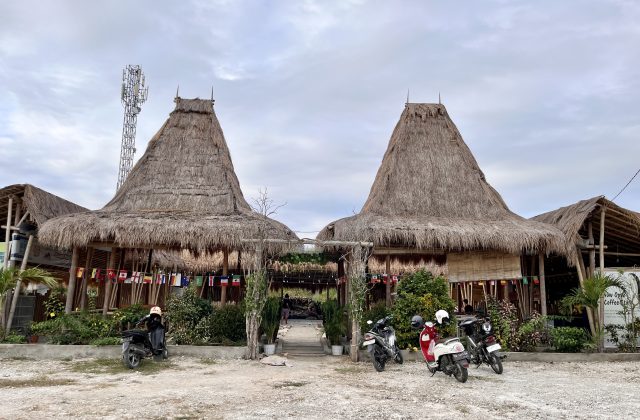
Traditionally, Sumbanese people preferred gathering at family homes, friends’ houses, beaches, or local tourist spots rather than hanging out in cafés. However, modern café culture has started growing among younger generations, especially in towns like Waingapu. Today, cafés are becoming popular places to relax, work, meet friends, enjoy live music, and drink coffee. Even so, many locals still prefer karaoke sessions and coffee gatherings at family homes.

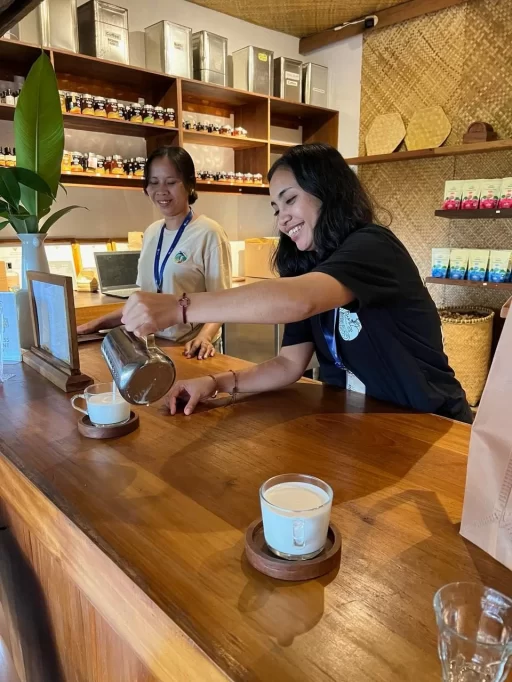
A smiling woman with dark hair pours a light-colored drink from a silver pitcher into a clear mug on a wooden counter, while another woman smiles behind her. Shelves with various products line the background.

Sumba's Robusta Coffee

Unlike the Arabica beans favored in specialty cafés worldwide, Sumba’s Robusta contains nearly twice the caffeine and produces a heavier body with notes of dark chocolate, rubber, and sometimes earthy spice.

The strong bitterness of Sumbanese coffee, that some find challenging, is exactly what Sumbanese traditional drinkers appreciate, it stands up well to sweet snacks and lasts longer in hot, humid weather. There is nothing more rewarding than a cup of black coffee after a long day walking and exploring the island’s verdant wilderness.

Before modern coffee machines existed, local communities processed coffee manually. Below, you can find a step-by-step overview of the entire process.
Traditional Coffee-Making Process

  1. Coffee cherries are harvested by hand
  2. Beans are pounded using a traditional mortar called a lesung
  3. Beans are left under the sun to dry
  4. Dried beans are roasted traditionally
  5. Roasted beans are ground manually and filtered

The resulting coffee powder is called Kopi Sumba and accounts for the majority of the coffee used on the island. If you enjoy strong and bitter Robusta coffee, Kopi Sumba is something you should definitely try.

Flavor Twists: Ginger, Palm Sugar, and Coconut Milk

Visitors seeking something beyond black coffee should try three local variations:

  1. Kopi Jahe: Brewed with fresh ginger slices, creating a spicy, warming drink perfect for rainy afternoons.
  2. Kopi Gula Aren: Uses palm sugar (gula aren) instead of white sugar, imparting a caramel-like sweetness that softens Robusta’s bitterness.
  3. Kopi Kelapa: Stirred in a splash of coconut milk; completely dairy-free, subtly sweet, and lighter on the stomach in tropical heat.

Some cafés in Waingapu offer all three upon request.

Best Cafés in Sumba

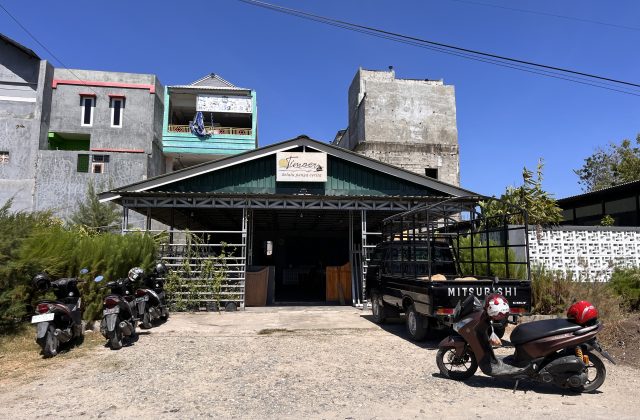
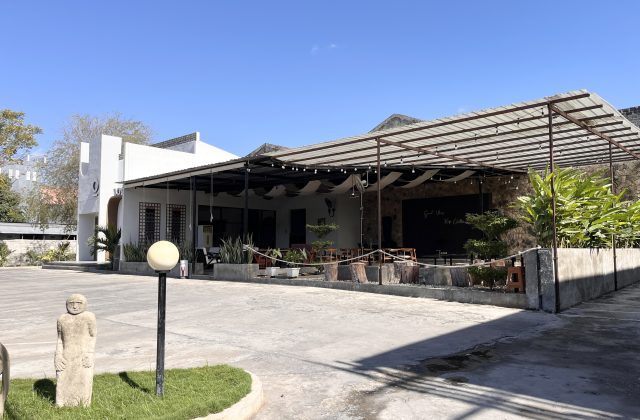
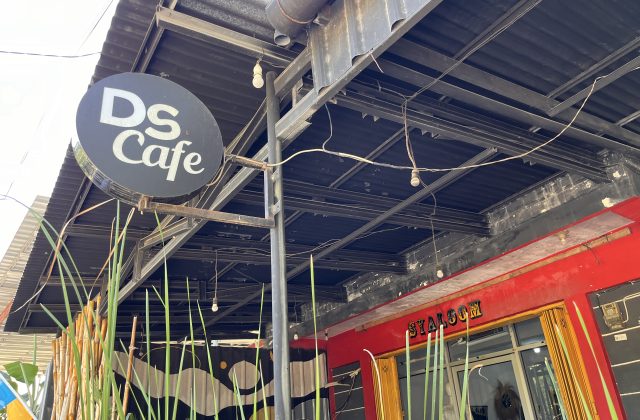
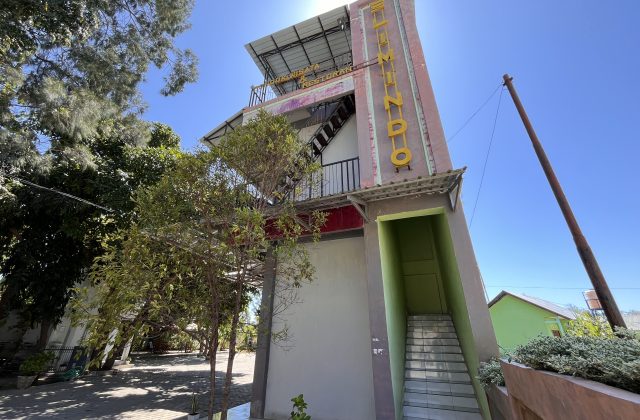
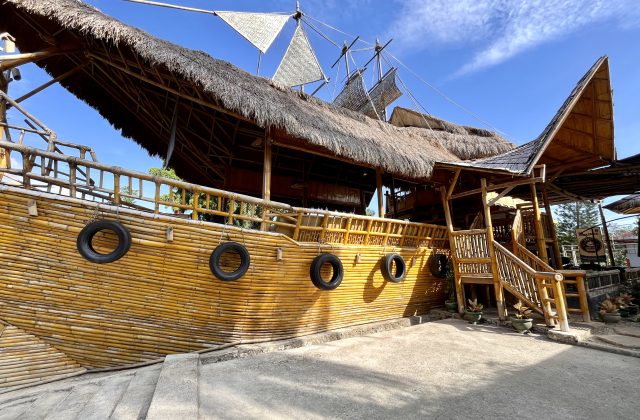
Sumba’s has both modern and traditional coffeehouses. You can enjoy authentic Sumbanese coffee in towns like Waingapu or Waikabubak, while beachfront areas usually have modern cafés.

Waingapu's Authentic Cafés

Waikabubak's Cosy Spots

Tambolaka's Hidden Gems

FAQ

Frequently Asked Questions

Do cafés in Sumba provide free WiFi?

Yes, several cafés such as Local Tree and Kopi Dari Hati offer free WiFi.

How much does coffee cost in Sumba cafés?

A cup of pure black coffee usually costs around IDR 20,000.

Are cafés in Sumba good for working remotely?

Yes, many cafés are suitable for work and some even provide live music.

Can café staff speak English?

Most café staff in Waingapu can speak basic English.

Are power outlets available in cafés?

Yes, power outlets are commonly available in cafés across Sumba.

Your Guide to Dining in Sumba
Taste Sumba

Your Guide to Dining in Sumba

Check our Sumba food guide and learn about the island's food scene!