Ratenggaro Village
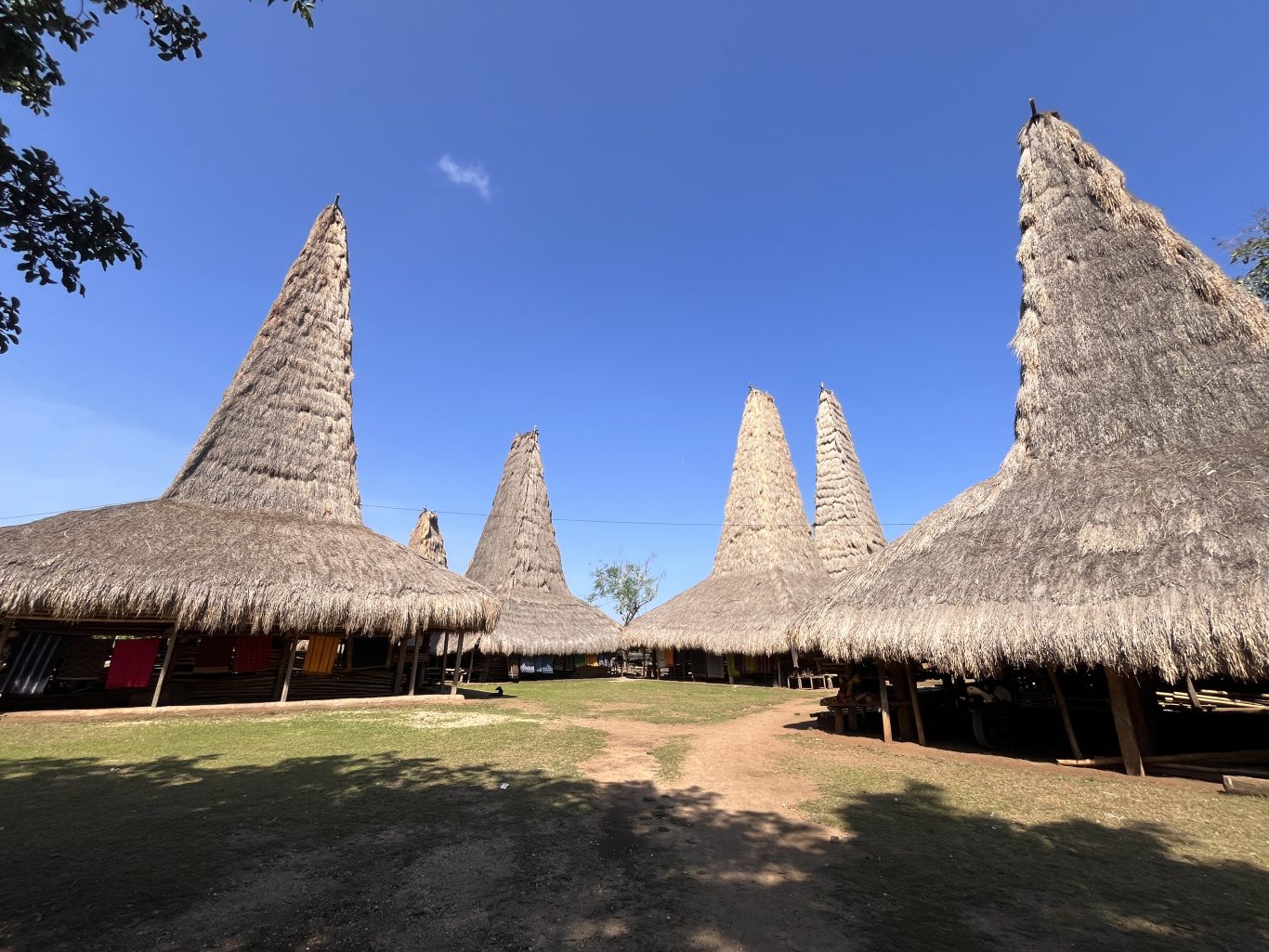
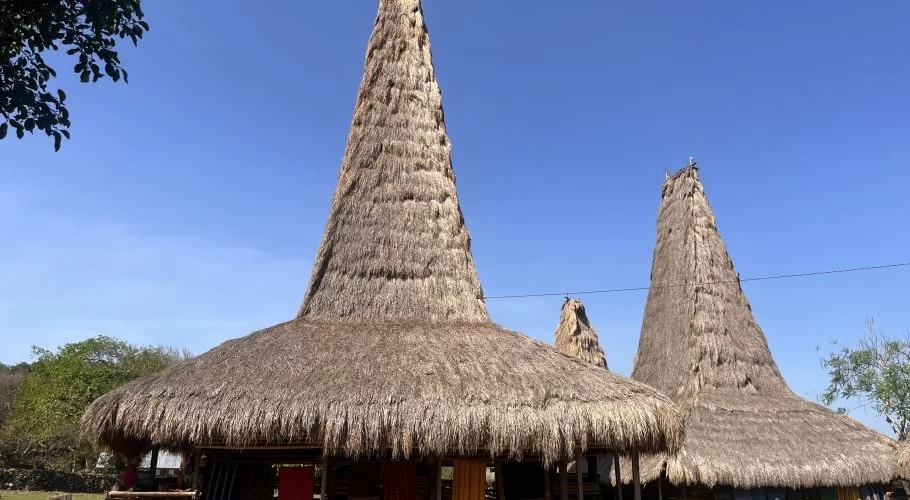
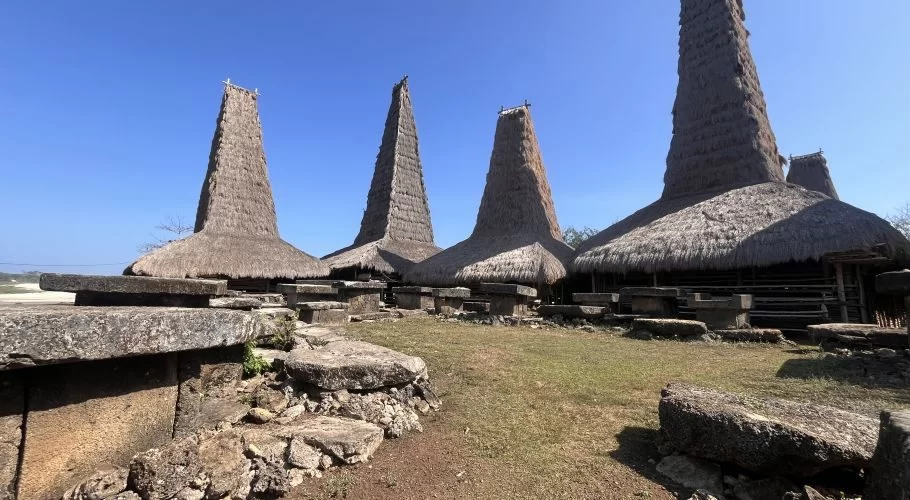
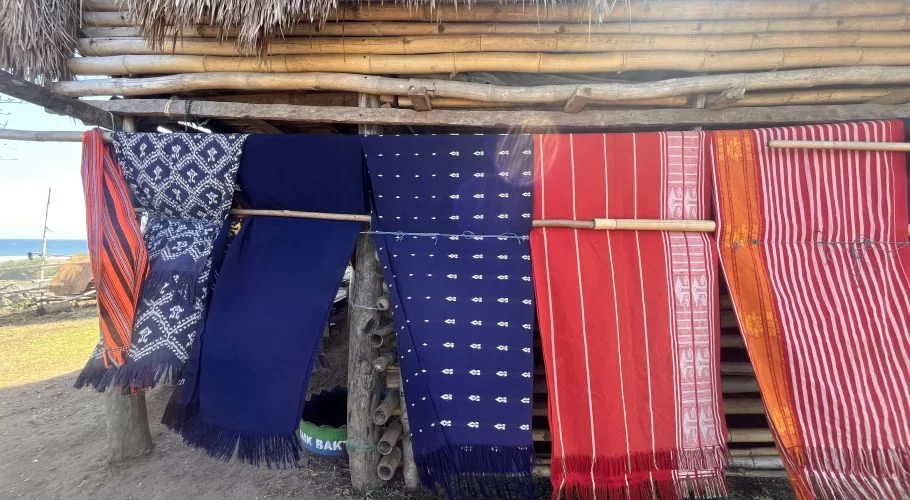
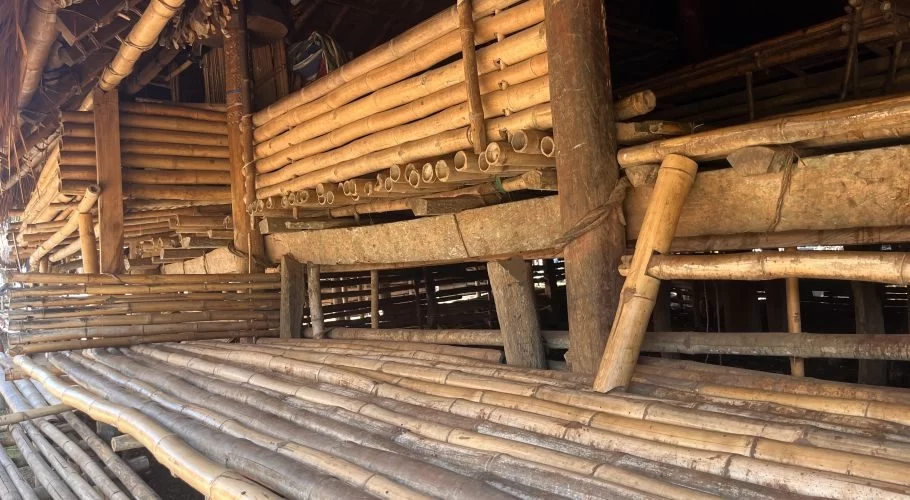
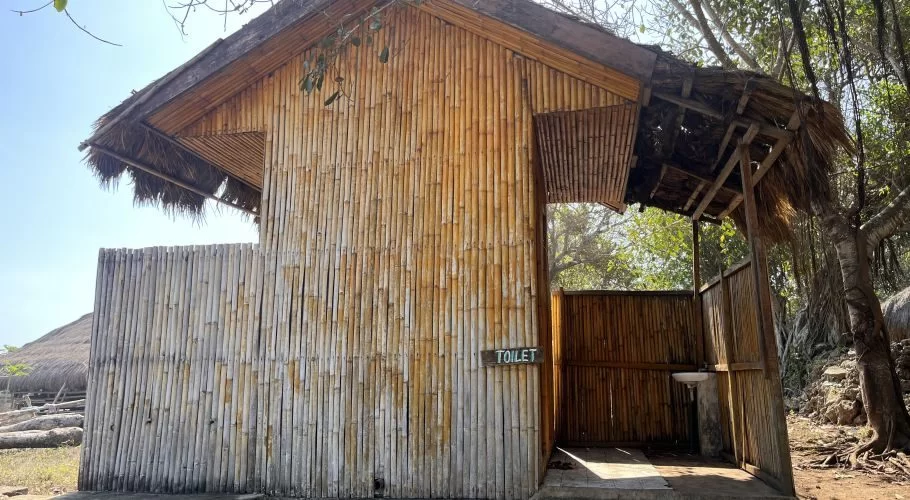
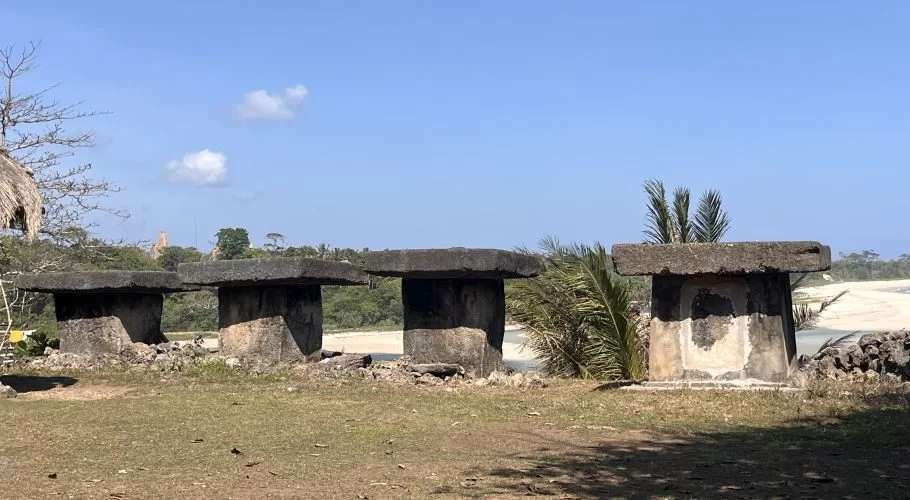
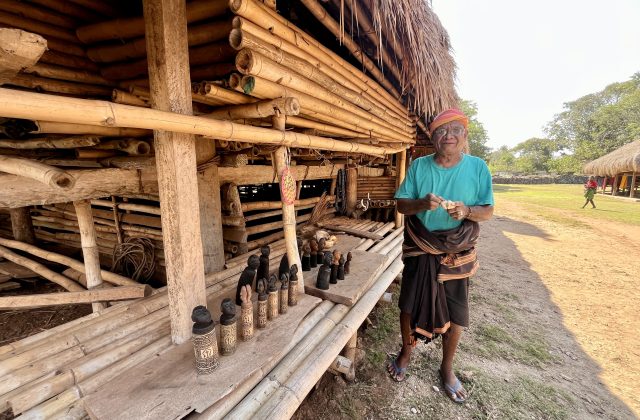
Ratenggaro Village, located an hour’s drive from the nearest airport in Southwest Sumba Regency, is a must-visit destination. The village is accessible via a scenic route, with travel time varying depending on speed. The entrance fee is IDR 20,000 (approximately $1.30) for domestic visitors and IDR 50,000 (approximately $3.20) for international guests. The name Ratenggaro offers a glimpse into the village’s history. “Rate” translates to grave, and “Garo” refers to the original inhabitants. During historical tribal conflicts, the village was captured from the Garo tribe, and the fallen warriors were interred in approximately 304 stone tombs. The square, table-like grave stones contribute to the village’s distinctive and haunting atmosphere. A unique aspect of Ratenggaro is that nearly every house sells handcrafted souvenirs, including traditional ikat Sumba, starting at around $30. Visitors should bring cash, as card payments are not accepted. The sale of these crafts provides valuable insight into local artistry and cultural heritage. To fully appreciate Ratenggaro, visitors should follow designated routes and be accompanied by local villagers to navigate the village properly. The central area of the village features an altar-like space used for ritual ceremonies, reflecting the village’s adherence to traditional practices. Adding to the village’s appeal is a beautiful beach located just behind Ratenggaro, offering a serene backdrop and a perfect spot for relaxation. Additionally, there are facilities available, including a toilet for visitor convenience. Ratenggaro is not only a historical site but also a vibrant community that rigorously maintains the Marapu belief system. This traditional belief system underpins Sumba’s social, political, and cultural fabric, making Ratenggaro a significant repository of ancestral traditions.
Reviews
We do not store your personal data.