Visiting Sumba for the First Time? Here’s What You Should Know
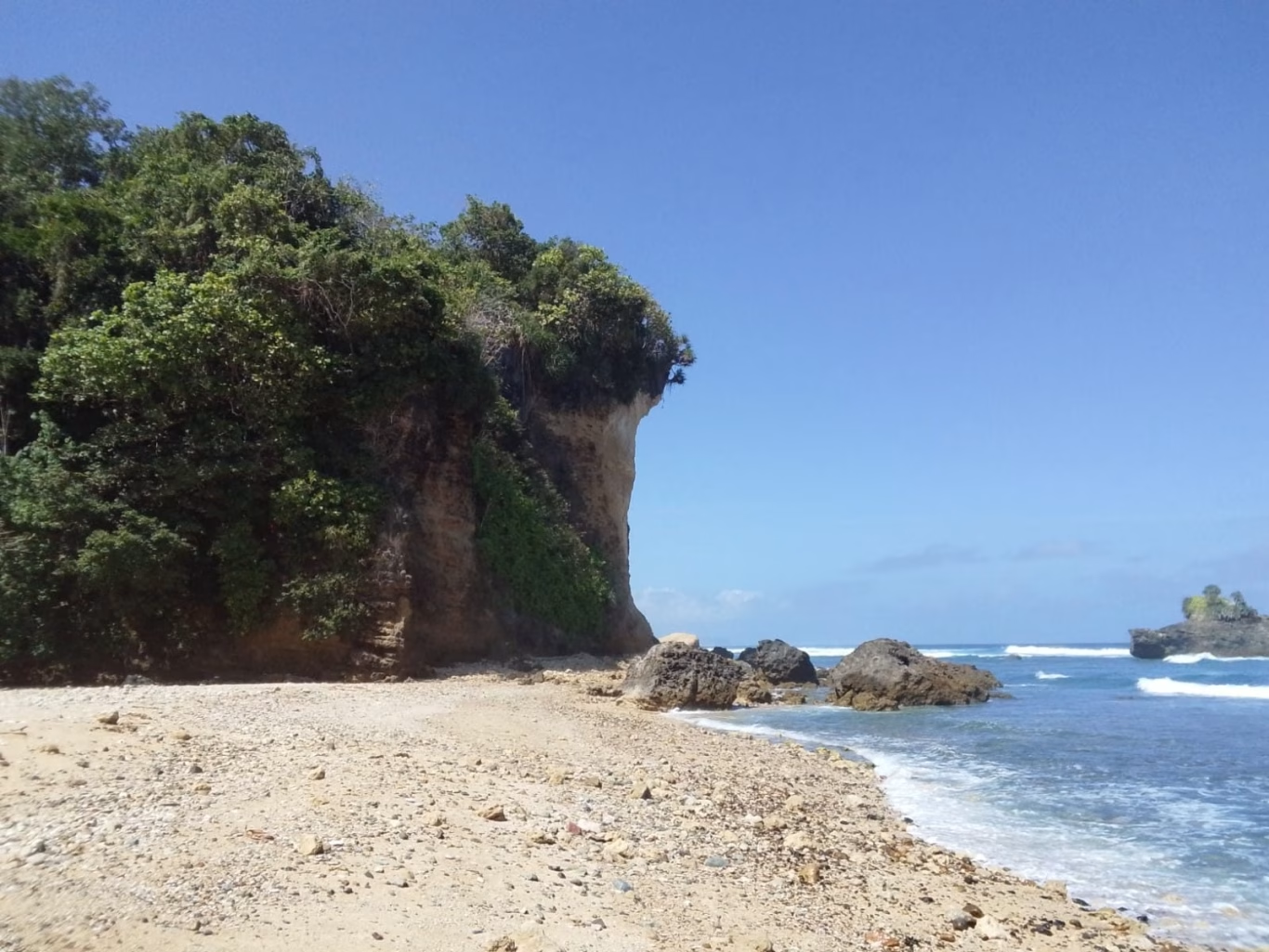
One of the first things you notice about Sumba is how little it tries to impress.
Where Sumba Is and Why It Feels So Far Away
On a map, Sumba sits east of Bali and Lombok. In reality, it feels much farther than that. And you notice the difference the moment you leave the airport. Roads stretch longer. Villages appear without warning. Life continues whether you are there or not. Tourism exists, but it stays on the sidelines.
If it’s your first time on this unique destination, you might need some help planning your journey. Thankfully, we are here to help you! Scroll down to learn all you need to know about Sumba for a smooth first trip.
Getting to Sumba
Planning is the key to a smooth trip to Sumba. You should first pick the most suitable way to travel to the island. Sumba lacks any direct international connections; so, you need to transfer from another island in Indonesia.
You have two options:
| Mode of Transportation | What to Expect |
|---|---|
| By Plane | There are flights to Sumba from various airports across Indonesia. Most common routes are from Bali and Lombok. |
| By Ferry | Ferry trips usually take longer than flights; expect to be on the sea for up to 15 hours. Ferries usually travel to the terminal in Waingapu. |
Know Before You Go
Sumba has basic medical facilities; so, if you are using any prescribed medication, make sure to pack it before your trip. Plus, get a comprehensive travel insurance with coverage of outdoor activities. You can learn more in our Sumba Health & Safety guide.
Moving Around Sumba
Getting around Sumba teaches you patience quickly. The island’s roads are usually in poor condition and some are even unpaved. There are three main ways to get around:
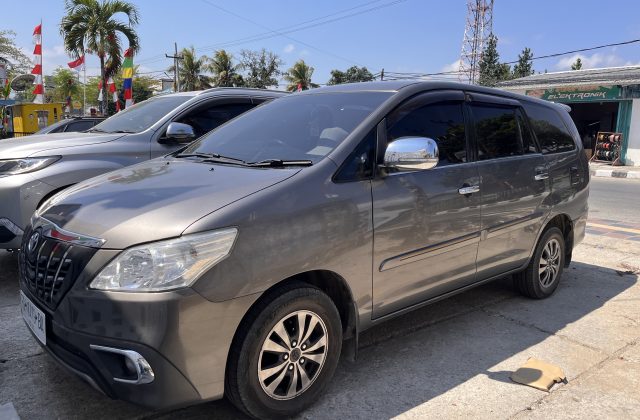
- Hiring a driver: Local drivers are your best bet to get around Sumba. They know where to go and when to go. Since drivers also serve as informal guides, you will have an enjoyable trip. You can arrange a good driver through your resort.
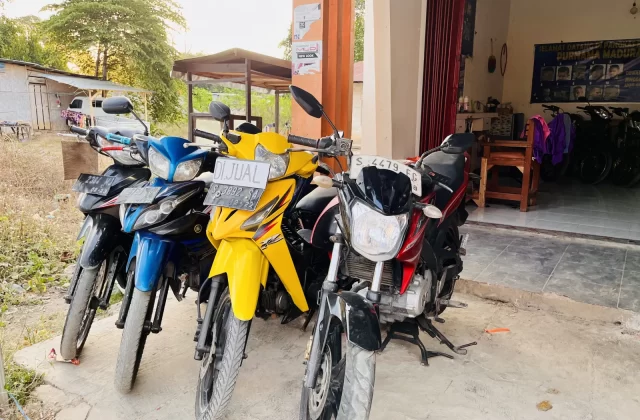
- Renting a car or motorbike: Difficult but ideal for privacy. When self-driving, you can enjoy the road without having to accommodate a stranger. Though, roads of Sumba are quite difficult and self-drive is not recommended to first timers. You can ask your resort to arrange a vehicle for you.
- Public transport: Sumba’s public transport is very poor. The main routes are usually between Waingapu, Tarimbang, Waikabubak and Lewa. It is difficult to navigate for non-Indonesian speakers.
No Ride Hailing
Gojek and Grab do not work in Sumba.
Dive Deeper
Where You Stay Shapes the Whole Experience
Picking the right place to stay is essential for a pleasant journey to Sumba, given the island is vast and each region has its own gems.
Accommodation
There are two distinct types of accommodation in Sumba:
| Local Stays (Guest Houses, Homestays) | Perfect for enjoying the island’s culture and lifestyle. Very affordable, starting from USD 10/night. |
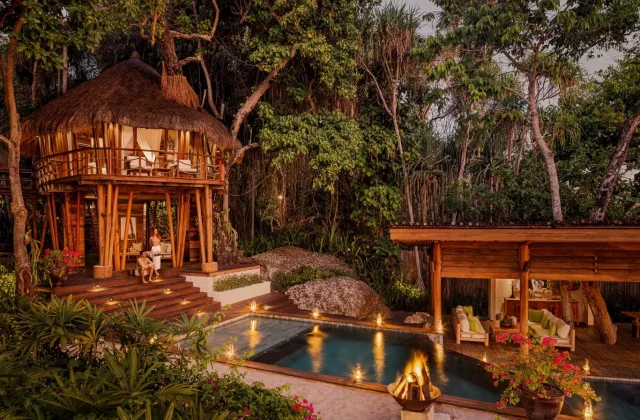
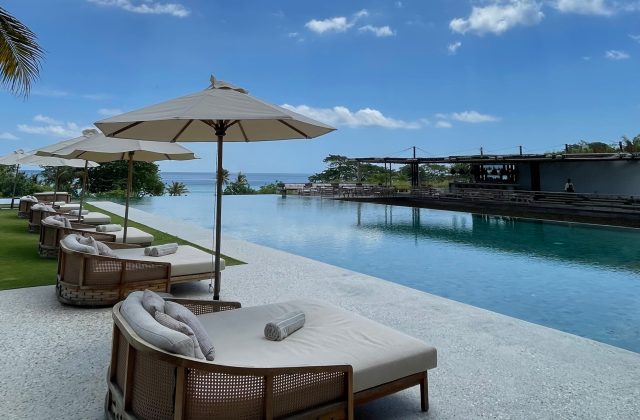
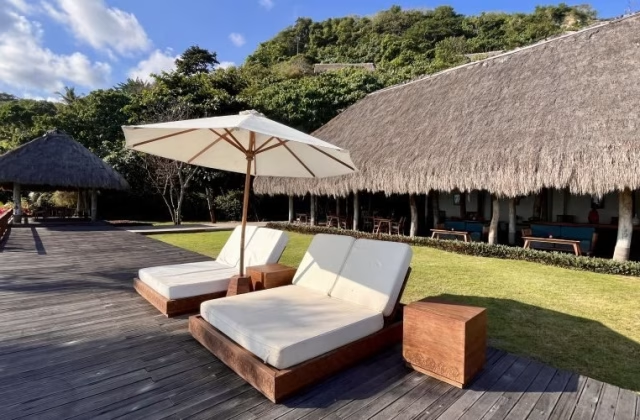
| Luxury Stays (Villas, Resorts, Hotels) | Great for having a very peaceful and comfortable getaway with premium food services and wellness facilities. |
For a first time visitor, the best option is staying at a luxury establishment, since they offer all types of services to ensure that you have a pleasant stay.
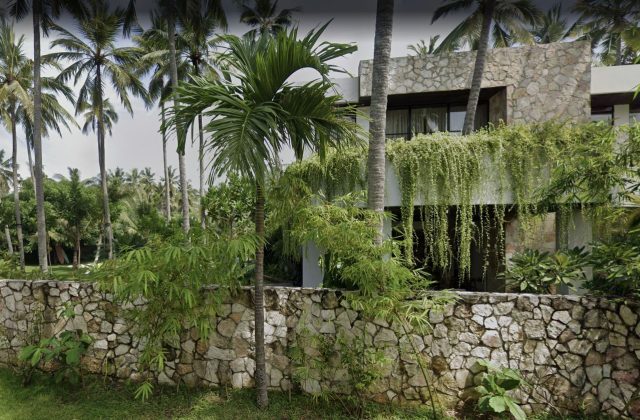
Top Places to Stay in Sumba
Region
Sumba has four main regions: West Sumba, Souhwest Sumba, Central Sumba and East Sumba. While each region has its unique flavor, popular attractions are usually located in West Sumba and Southwest Sumba.
West Sumba often feels cooler in the mornings, with mist settling over the hills. East Sumba feels more open, with long stretches of road and dry landscapes that shift in color throughout the day.
Food and Dining
Meals in Sumba are simple and familiar. Most dishes follow the same format: rice on the plate, vegetables on the side, fish or chicken on request. Popular dishes include:
- Ikan Bakar: Grilled fish marinated in a paste of turmeric, garlic and shallots.
- Nasi Campur: Steamed rice with an array of side dishes; typically includes grilled fish or chicken, sambal, vegetables, and crispy fried shallots.
- Nasi Jagung: Ground corn mixed with boiled red beans.
- Rumpu Rampe: Mixed vegetable dish made from boiled papaya flowers, young papaya, papaya leaves, moringa leaves, cassava leaves, and banana blossom.
- Kaparak: A snack made from finely pounded corn, rice, or sago mixed with ground peanuts.
There aren’t many fast food or restaurant options outside of major towns. However, resort restaurants offer truly unique dining opportunities. Check our Where to Eat page to find the perfect restaurant for your taste.
Connectivity and Daily Essentials
Internet connection can be spotty but it has been getting better in recent years. Telkomsel is your best bet for a physical SIM and Airalo works well for e-SIMs.
You must carry cash in Sumba; only a handful of establishments accept card payments. ATMs exist, but they’re not always reliable.
Top Experiences
Sumba doesn’t overwhelm you with attractions; experiences here are raw and unforgettable.
- Visiting traditional villages: Traditional communities of Sumba still preserve their ancestral ways of life. You can visit these villages to understand the island and its culture better.
- Enjoying surf breaks: Sumba is home to some of the world’s best surf breaks. Surfing in Sumba is a world-class experince you should not miss.
- Diving to the unfathomable blue: Diving and snorkeling are top acitivites among Sumba’s visitors. You can see unique marine species and marvel at gorgeous reefs.
- Stargazing under dark sky: Sumba is a trending destination for dark sky tourism and has been receiving lots of investment to keep it that way. Prepare to gaze at a sky you have never seen before.
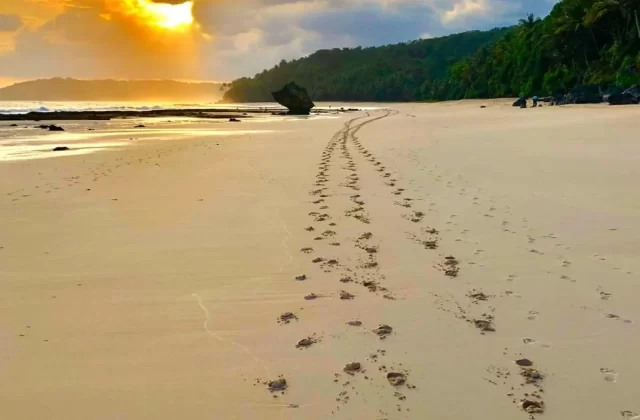
- Swim without a distraction: Sumba’s white-sand beaches offer you solitude and peace. You can enjoy golden strands without crowds and have the entire beach for yourself.
Best Time to Visit Sumba
The dry season is generally easier for first time visitors, offering more predictable road conditions and weather. The rainy season brings greener landscapes and fewer travelers, though weather conditions can be less consistent.
| Season | Period | What to Expect |
|---|---|---|
| Dry Season | April — November | Do not expect rain or much greenery in this season. Yellow leaves and drylands will color the island golden. It is a good time to enjoy swimming and traveling. |
| Shoulder Season | February — March, October — November | This is not a season per se, rather a transitional period between two seasons. During the shoulder season, the weather becomes less reliable, it does not rain much but the landscape is still green. |
| Wet Season | December — March | Expect rainy days, weeks and even months. The island will bloom and waterfalls will gush. Perfect time for nature expeditions and enjoying the island in its greenest form. |
Both seasons offer distinct experiences. The best time to visit depends on travel preferences and comfort with change.
Final Notes for First Time Visitors
Sumba is a destination that values patience and awareness. Travelers who arrive with flexible expectations often find the experience more rewarding, especially as the island reveals itself at its own pace. Approached with respect and curiosity, Sumba leaves an impression that stays long after the journey ends.
Frequently Asked Questions
What should I take with me to Sumba?
Don't forget essential items, such as sunscreen, a reusable water bottle, and sunglasses for protection against heat. An International Driving Permit (IDP) might be needed, if you wish to drive a car or motorbike. A strong mosquito repellent with DEET is also imperative, as mosquito-borne illnesses are widespread.
How can I rent a motorbike in Sumba?
There are various motorbike rental services, both local establishments and online services. You can check our Sumba Places map to find the nearest rental service. Alternatively, you can use a digital service, like BaliBestMotorcycle, to rent your motorbike.
Which Airlines should I fly?
You can fly from Bali with Batik Air, Nam Air, or Sriwijaya Air.
What is the best time to travel?
Dry season is the best time, thanks to pleasant weather and attractions being more available.