Nihiwatu Beach
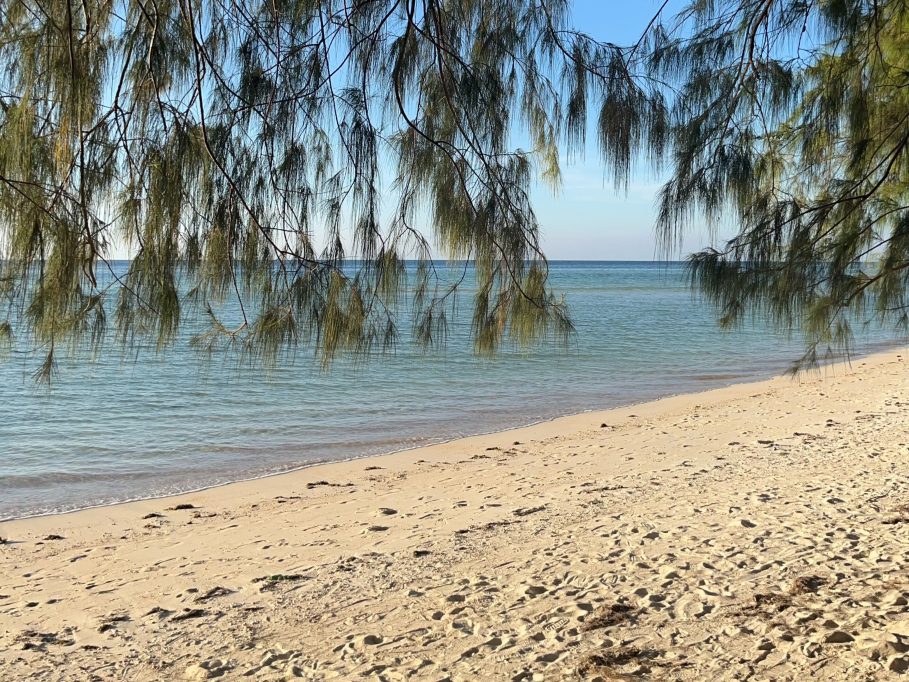
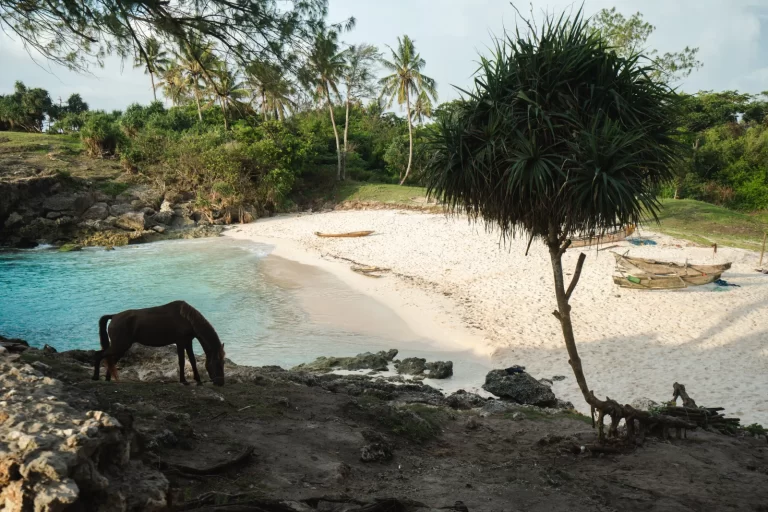
The island’s most beautiful beach, Nihiwatu is exclusive to NIHI Sumba and Villa Haweri residents. If you are a guest at one of these resorts, you can participate in their diving tours to truly witness Sumba's marine kingdom.


From world-class surfing to ancient villages, embark on life-changing journeys on Indonesia's most mystical island.
Sumba offers its visitors many authentic experiences: lush greenery, vast savannas, and magnificent culture. Whether you are chasing world-class waves, exploring ancient megalithic villages, or swimming in hidden turquoise lagoons, a Sumba vacation offers experiences you will not find anywhere else.

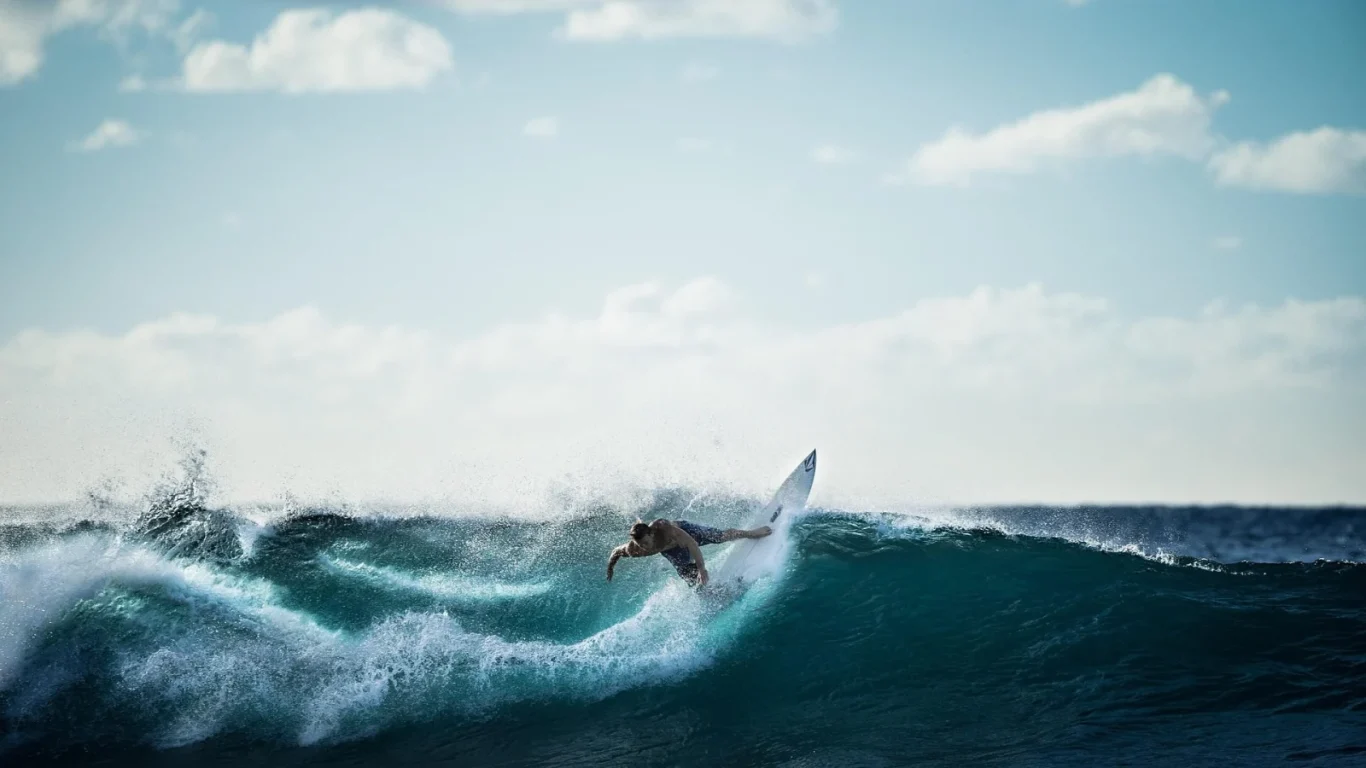
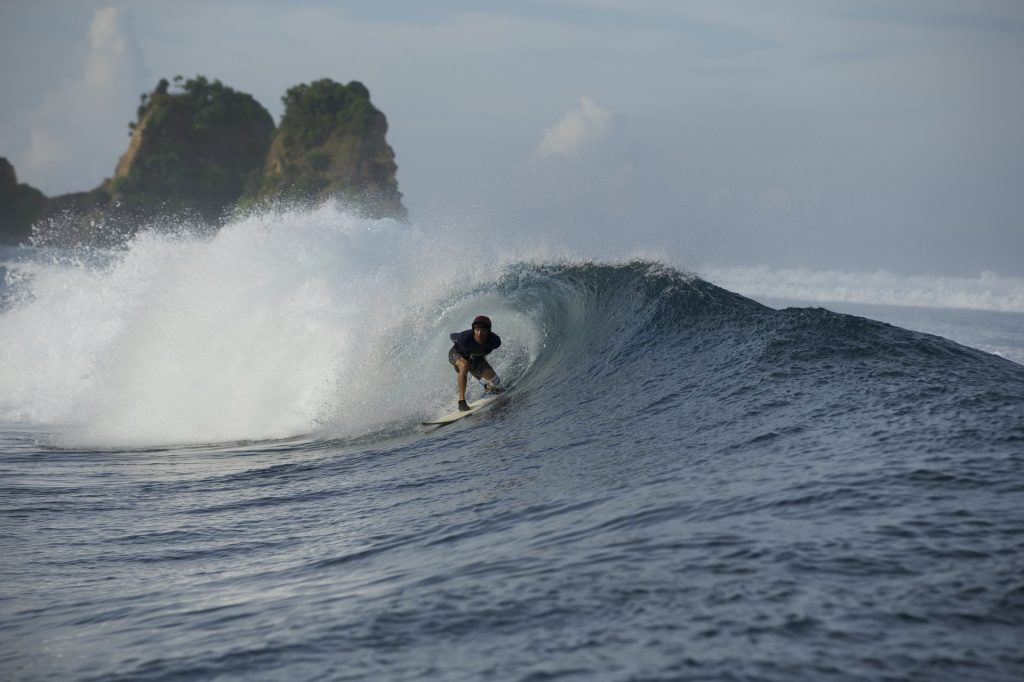
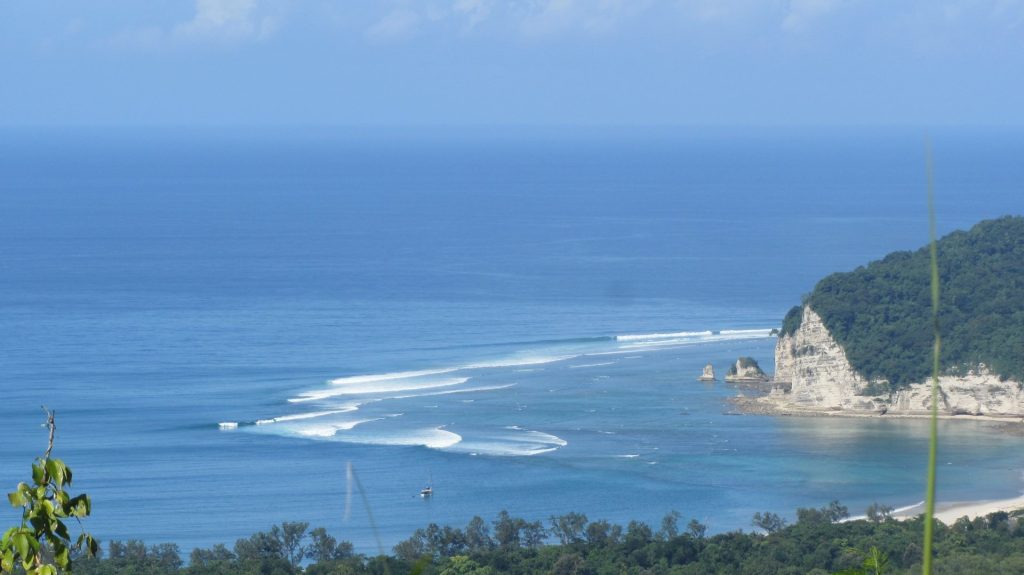
Sumba’s southwest coast is favored by surfers seeking uncrowded, world-class surf waves. The island is famed for its powerful and consistent breaks, with the legendary Occy’s Left leading the charge. If it’s your first time surfing in Sumba, our dedicated surfing page will help you quickly get accustomed to it.
You need a little bit more than enthusiasm for a good surf trip to Sumba. Here are the top things you will need for a smooth surf experience:
You have no reason to worry about finding a suitable surfboard to catch the right wave. Airlines allow surfers to carry their boards in the checked baggage. You can find more info in our Sumba Surfing Guide!

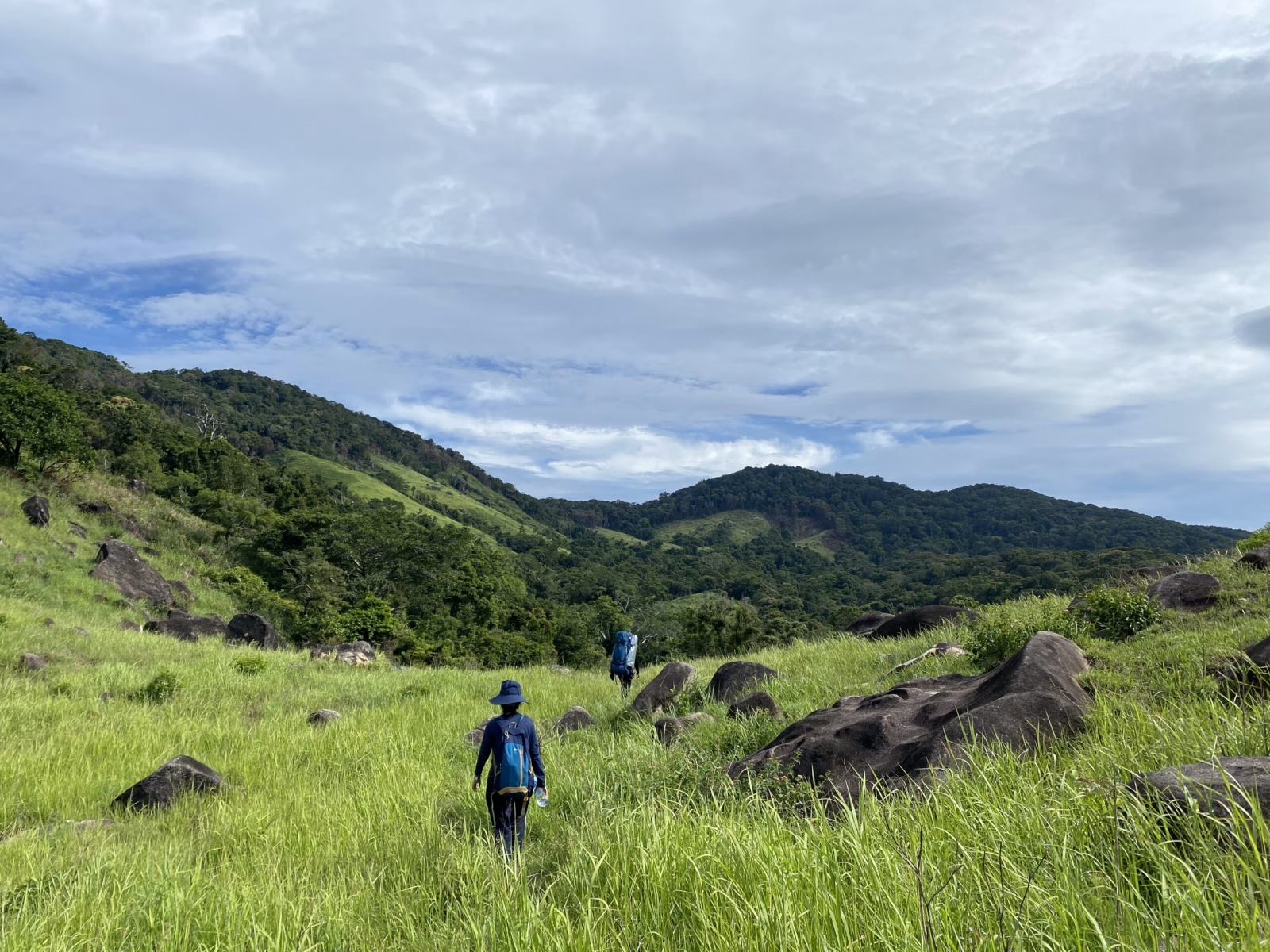
There is no better way to experience Sumba than hike across its secluded trails. This untouched island is home to many remote routes, where the only voice is birds’ songs. If you are a real hiking enthusiast, this will be an unforgettable experience for you.
Sumba boasts many hiking trails. In fact, since the majority of the island’s nature is completely untouched, every path is a hiking trip in Sumba. Still, there are some very popular trails that travelers frequent:
| Trail | Description |
|---|---|
| Weekuri Lagoon to Mandorak Beach | A relatively short trek from Weekuri Lagoon to Mandorak Beach (approx. 30 minutes). Suitable for beginners. This trek is within nature. |
| Villages of Waikabubak | Waikabubak encompasses two villages: Tarung and Waitabar. If you are staying in Waikabubak, you can easily complete the entire trek in 2 hours. This is mostly an urban trek. |
| Bukit Tanarara Trip | A trek starting deep within Waingapu and taking you to the spectacular highlands of Tanarara. This trek is suitable for experienced hikers, taking approximately 10 hours by foot. You can go a certain distance of the trip on foot for easier navigation. |
While Sumba is a very secure destination, there are still certain things you must beware of:
Check Sumba.travel’s curated health and safety guide for more.

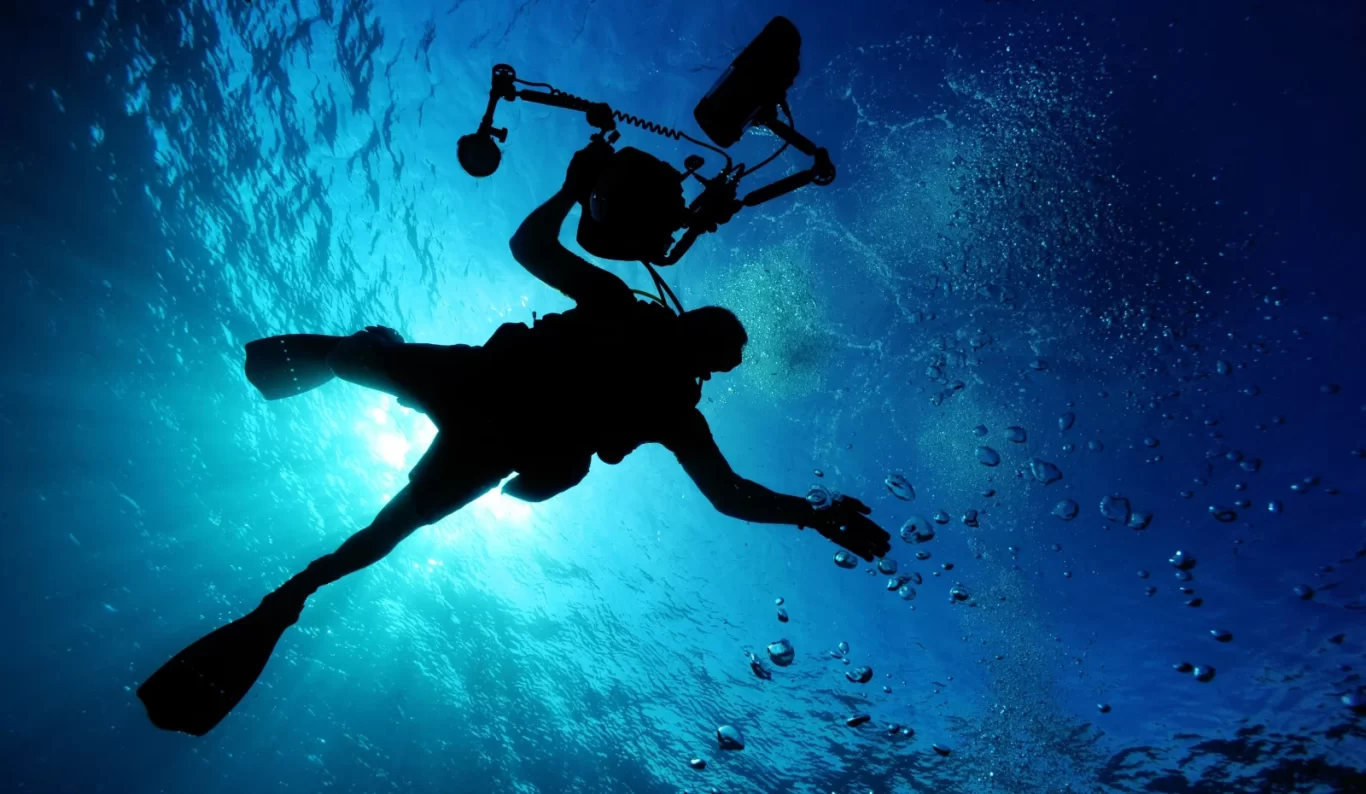
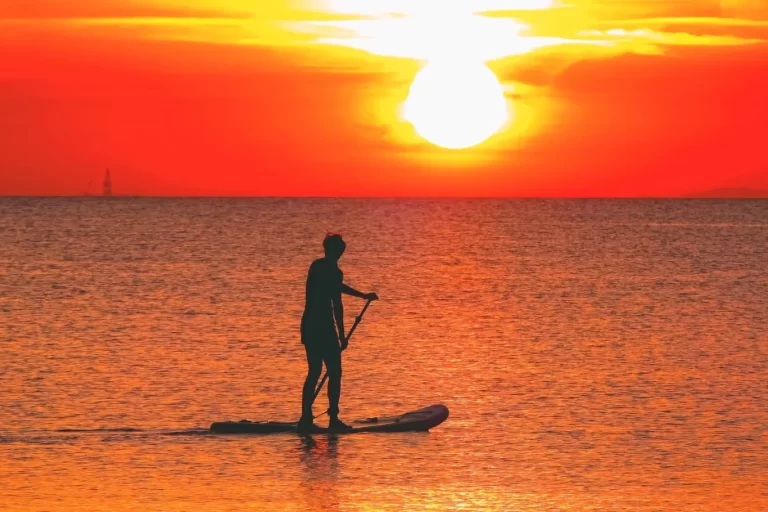
Two popular water activities in Sumba are diving and paddleboarding. The surrounding waters have a very rich marine environment, with coral reefs housing a myriad of species. You can dive from various bays across the island to bask in this stunning underwater world.
There are several places in Sumba where you can dive. The most popular three spots are:

The island’s most beautiful beach, Nihiwatu is exclusive to NIHI Sumba and Villa Haweri residents. If you are a guest at one of these resorts, you can participate in their diving tours to truly witness Sumba's marine kingdom.

Walakiri Beach is famous for its stunning mangroves and dramatic landscape during sunset. It's a very popular spot among diving and photography enthusiasts, thanks to its spectacular scenery.

Tarimbang Bay is a great spot for swimming and enjoying solitude. It boasts a great surf wave and golden beaches. Most resorts in the vicinity offer diving experiences. Furthermore, the bay is also a great spot for individual diving.
Our diving and snorkelling page tells you all about Sumba’s underwater kingdom.
Sumba is the top destination for adventures on a backdrop of raw beauty. Here, every adventure is a journey into the island’s wild heart.
Sumba’s culture is not a relic of the past; it is a living, breathing force. In this island, ancestral beliefs still guide everyday life. Today, traditional villages are among the island’s most popular attractions are representations of its rich past.

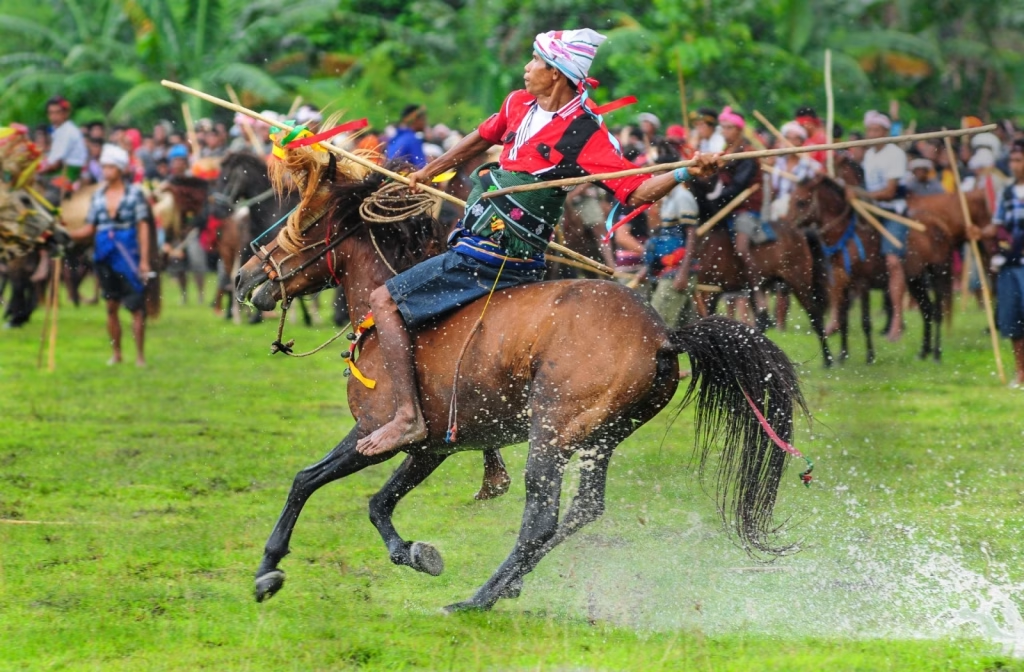
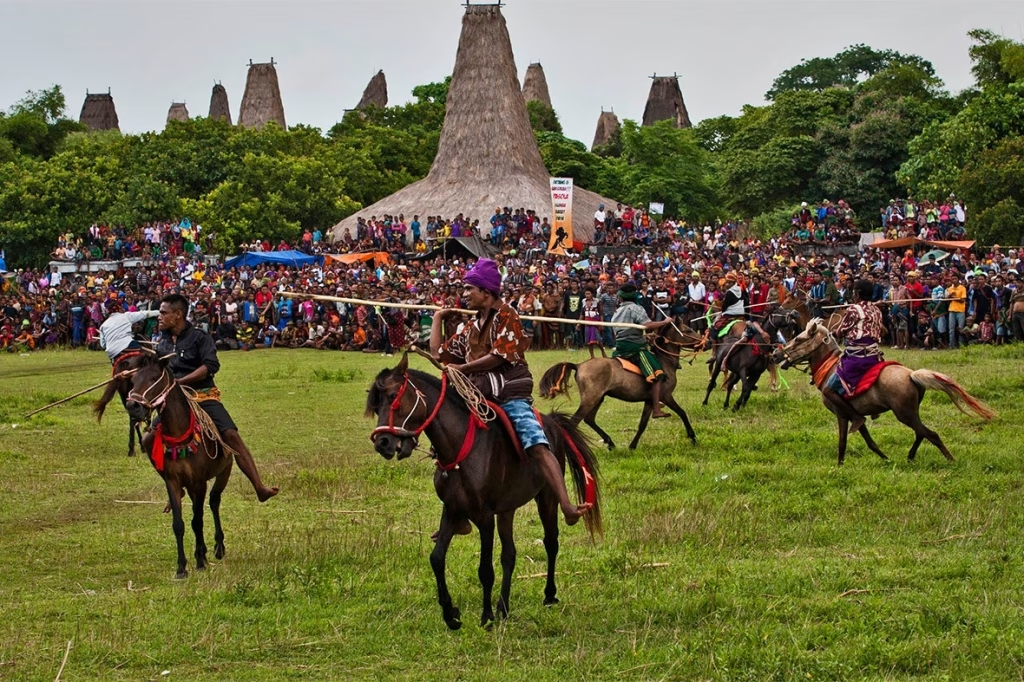
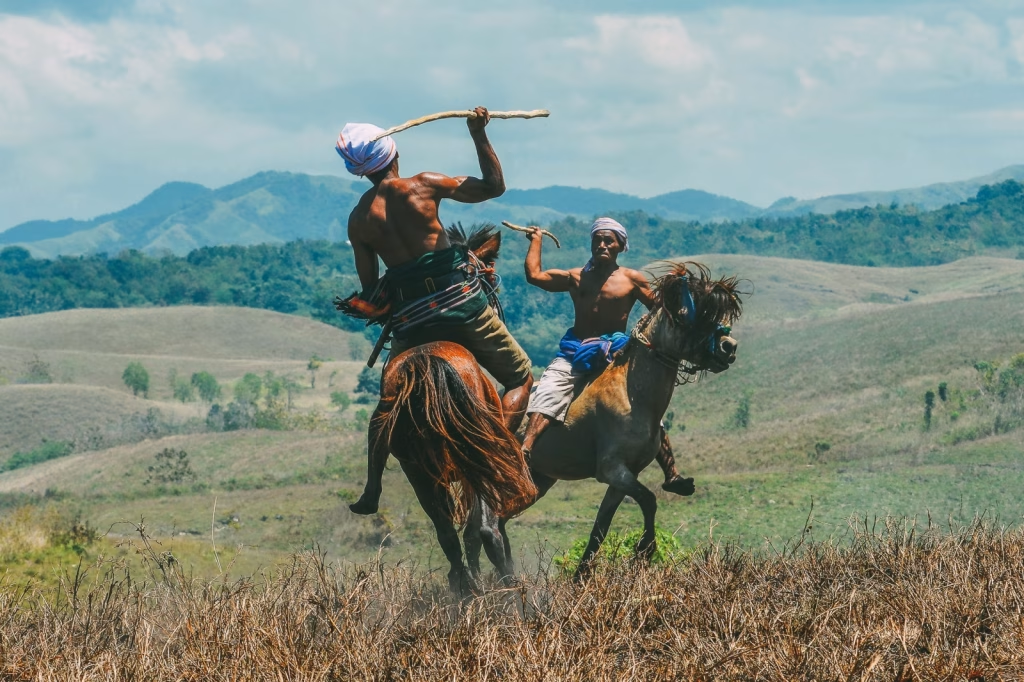
The Pasola is Sumba’s most dramatic spectacle, a traditional horse-mounted war game that is both a thrilling sport and a sacred ritual. This event does not have a set date; local shamans called rato determine the exact time by observing the annual emergence of nyale, colorful sea worms. If you want to join the event, you must plan your trip sometime between February and March.
You can join the ritual night before Pasola for the complete experience. Watch the rato praying, eat, drink, and witness everyone enjoying this jubilant time. The following day, Pasola, has a more bitter-sweet tone. While seeing glorious horsemen from different villages engaging in the field is truly distinct, be prepared for lots of blood. The main purpose of the event is to spill blood, which is believed to fertilize the soil. So, villagers won’t conclude the ritual before enough blood is spilled.
Useful Information
Quick answers for planning your activities in Sumba.
Walakiri Beach with its dancing mangrove trees and Weekuri Lagoon with crystal-clear water are the two most iconic highlights for first-time visitors.
The dry season from April to October is the best period for outdoor activities, beach days, and road travel. Pasola season usually happens from February to March.
You can fly to Tambolaka (West Sumba) or Waingapu (East Sumba) via Bali, Kupang, or other Indonesian hubs, then continue by private driver.
Yes. Families can enjoy calmer beaches, horse riding, waterfall visits, and cultural village tours. Plan realistic transfer times between regions.
Pack breathable clothes, reef-safe sunscreen, insect repellent, swimwear, sturdy sandals, and modest clothing for village visits.

Pasola is the traditional rebirth of Sumba. Local beliefs say that the ritual determines whether the upcoming harvest will be abundant. Check our calendar and mark the date!
The date of Pasola is determined by local shamans and announced weeks before the event.