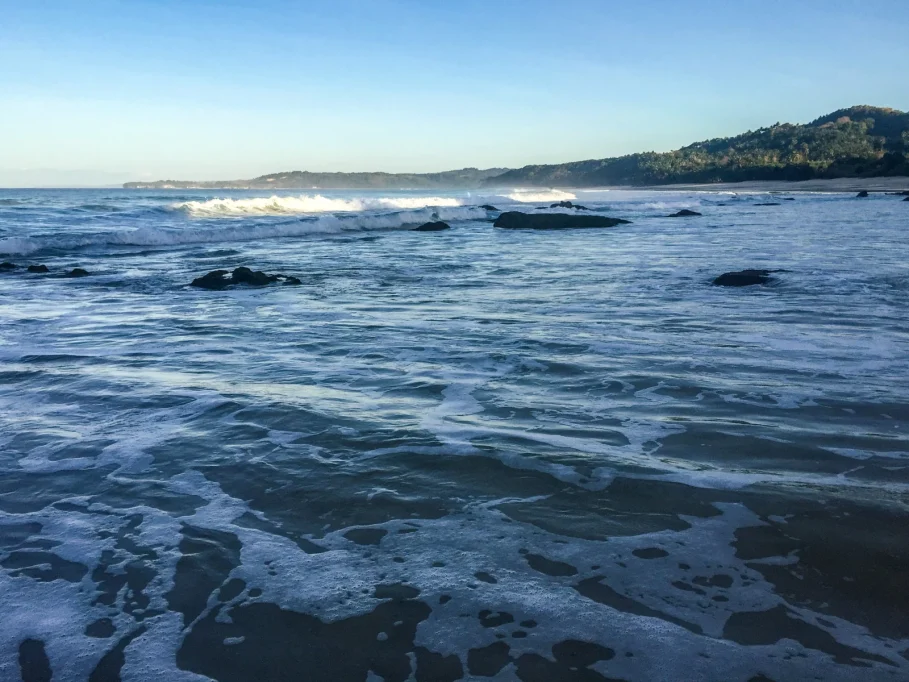
Weather in Sumba
Everything you need to know about Sumba's climate to plan your perfect island adventure
Two Distinct Seasons
Weather in Sumba owes its distinct nature to the island's climate. The tropical climate on the isle creates two dramatically different seasons, each offering unique experiences for travelers.
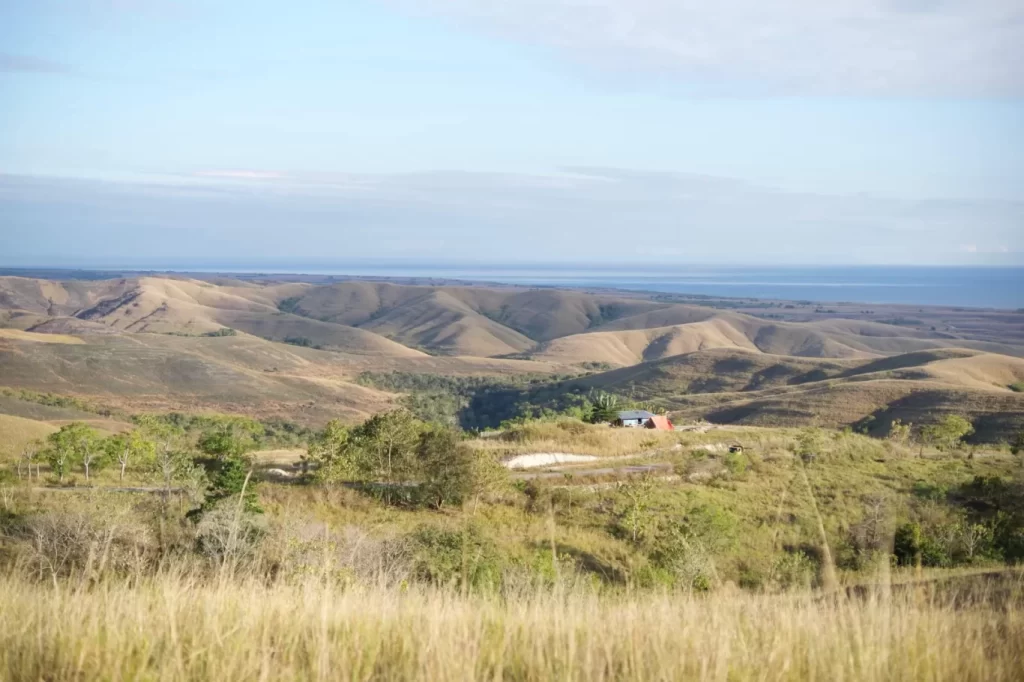 Dry Season
The Golden Season
April – November
Temperature
26-32° C
Rainfall
35mm avg
- The weather is consistently dry, making the season ideal for road trips, hiking and lagoon visits.
- Best time for visiting remote beaches and waterfalls, with lower water levels and more favorable temperatures for swimming.
- South coast swells are most reliable for surfing, even for beginners with limited experience.
- Perfect conditions for exploring traditional villages, traditional sites and walking for extended periods of time.
- Despite the warmth, cooler evenings still persevere in the central highlands, offering a true respite in scorching temperatures.
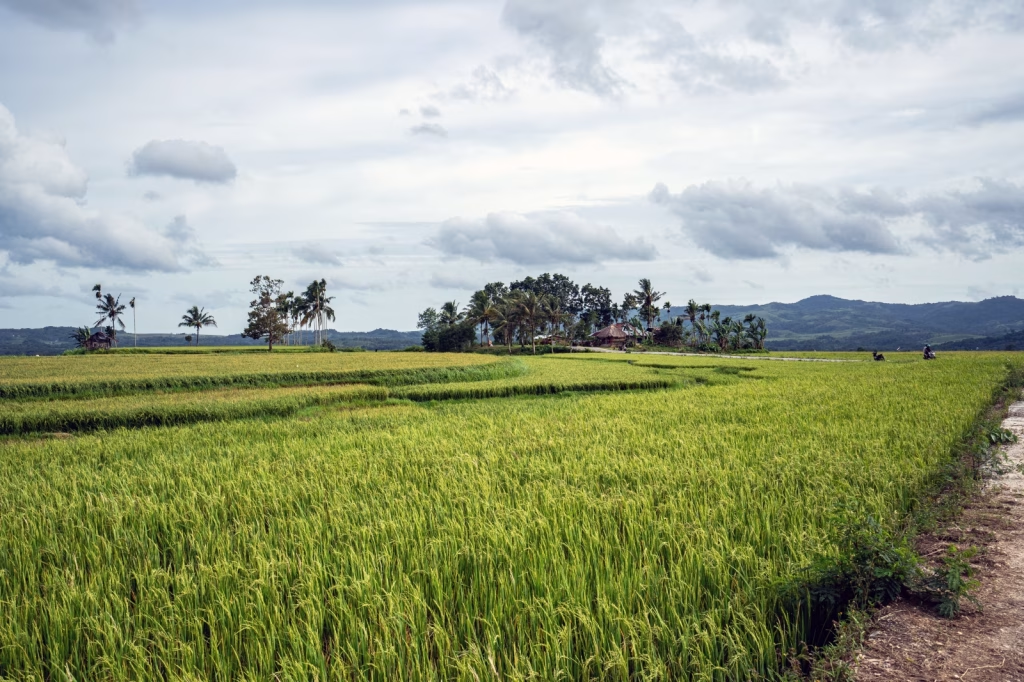 Wet Season
The Green Season
December – March
Temperature
24-30° C
Rainfall
200mm avg
- Lush green landscapes and vibrant vegetation color the island in a verdant tone.
- Fewer tourists and more authentic experiences where you can witness the island during its hibernation.
- Waterfalls are at their most spectacular with rising water levels and much stronger cascades.
- Lower accommodation and dining prices, as well as more affordable experiences.
- Cultural events and ceremonies are still accessible; some traditional rituals, such as Pasola, are celebrated in this season.
Seasonal Calendar
Plan your visit with our month-by-month guide to Sumba's weather patterns. Remember that temperatures and real weather conditions might not always follow the same pattern. So, make sure to check the forecast regularly when planning a visit during the rainy season.
Current Weather
Live weather in major cities in sumba.
Waingapu
 30°
30°Sunny
Waikabubak
28°Sunny
Tambolaka
28°Sunny
Anakalang
28°Sunny
Tarimbang
30°Sunny
North vs South Coast
Sumba’s north and south coastlines offer dramatically different experiences, due to their geographical situation. Choose based on your style.
What to Pack
Pack smart based on the season you're visiting. Since dry and wet seasons are dramatically different, you need to carry seasonal essentials.
Dry Season
April – November
Lightweight Fabrics
Linen and cotton are your best bet. Avoid heavy synthetics that trap heat.
Modest Attire
Locals and Marapu communities are relatively conservative. Cover shoulders and knees before visiting traditional villages.
Dust Protection
Dust might be a serious problem, especially during dry season. A light scarf or bandana helps protect your face during dusty drives.
Sturdy Walking Shoes
Since you will walk to most attractions, such as the waterfalls of Waimarang or Tanggedu, walking shoes will be your biggest helper.
Water Shoes
Great for rocky beaches</a> and crossing shallow rivers, as well as against sharp corals.
Light Jacket
Evenings can get chilly, especially in the central highlands. Don't forget to pack some layers, even if they are light.
Wet Season
December – March
Quick-Dry Clothing
Synthetic fabrics or light technical gear are best. Avoid cotton since it takes long to dry.
Insect Repellent
Mosquito activity increases significantly. Look for DEET or Picaridin to keep them away.
Lightweight Rain Shell
A breathable, lightweight poncho beats heavy raincoats in humidity.
Dry Bags
Essential to protect camera, phone, and wallet during downpours.
Waterproof Phone Pouch
Perfect for capturing photos even in wet conditions. Make sure to get a quality one, since rain in Sumba can be quite strong.
Common Questions
Frequently Asked Questions
Everything you need to know about Sumba's weather and climate.
When is the best time to visit Sumba?
The best time to travel to Sumba is the dry season, roughly May through October. The peak months of June-August offer the most consistent sunshine, minimal rainfall, and ideal conditions for exploring beaches, waterfalls, and traditional villages. The shoulder months of April–May and September–October also offer good conditions with fewer tourists.
Are there mosquitoes in Sumba during the dry season?
Yes, mosquitoes are present year-round in Sumba, though their numbers are significantly higher during the wet season. Even in the dry season, it’s recommended to use insect repellent, especially during dawn and dusk. Sumba is a high-risk area for malaria. Consider long sleeves and pants in the evenings, and consult your doctor about taking antimalarial pills before traveling.
Check our Health & Safety Guide for more tips to stay healthy and safe in Sumba.
Can I visit Sumba during the wet season?
Absolutely! The wet season (December–March) has its own charm with lush green landscapes, spectacular waterfalls at full flow, and fewer tourists. Rain typically comes in short, intense bursts rather than all-day drizzle. Just pack appropriate rain gear and plan indoor activities for afternoon showers.
How hot does it get in Sumba?
Sumba has a tropical climate with average temperatures around 26–32°C (79–90°F) during the day. The dry season can feel hotter due to the intense sun, while the wet season has slightly cooler temperatures but higher humidity. Evenings in the central highlands can be surprisingly cool, dropping to around 20°C.
What should I pack for the wet season vs. dry season?
Dry season (May-Oct): Light cotton clothing, high-SPF sunscreen, hat, sunglasses, sarong, swimwear, insect repellent, light jacket for cool highland evenings.
Wet season (Nov-Apr): Same as dry season, plus a waterproof jacket or poncho, quick-dry clothing, waterproof bag for electronics, water-resistant shoes or sandals. Expect muddy roads and higher mosquito activity.