01 / VISIBILITY
5-25 m
Typical Visibility Band
Spot and weather dependent
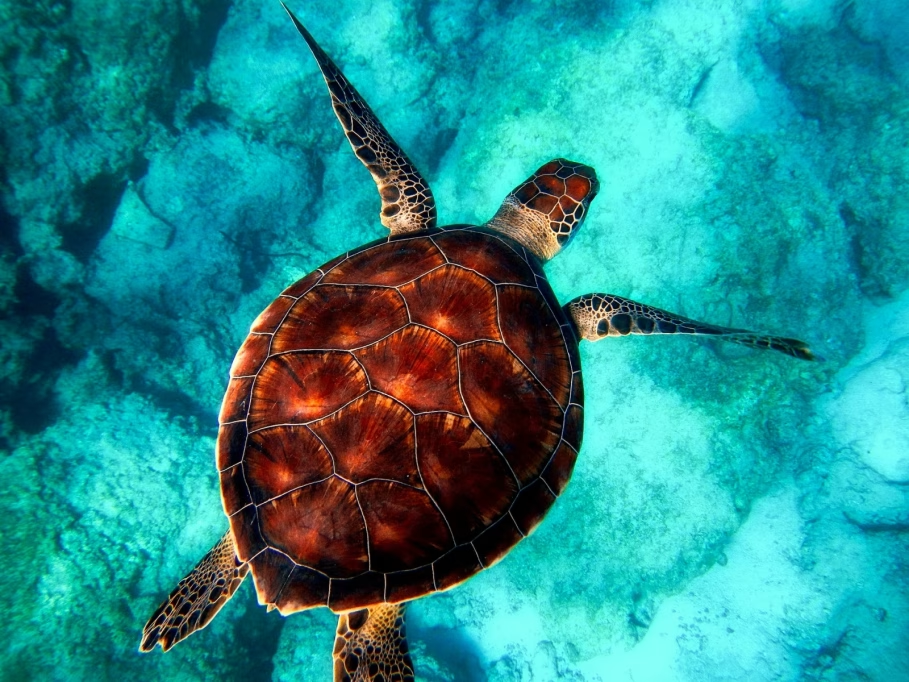
Snorkeling and diving in Sumba with spot notes, access realities, and seasonal conditions!
As an island with untouched coves everywhere, Sumba is a diver’s paradise!
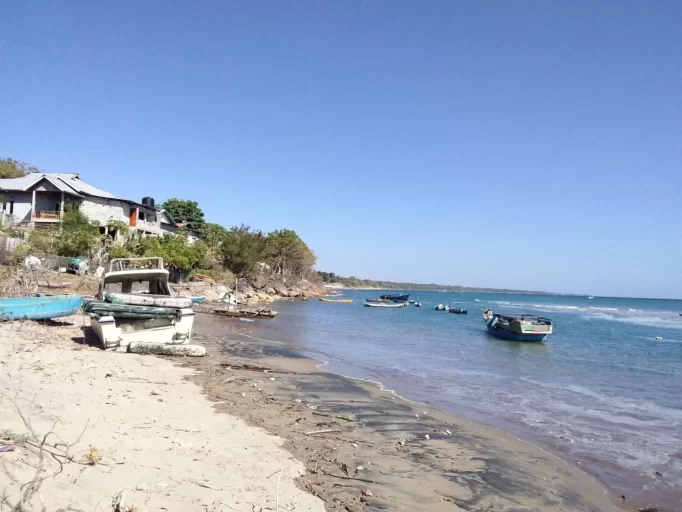
If you are used to crowded spots, Sumba will come as a true relief. The island is less known, crowds are smaller and distractions are almost non-existent.
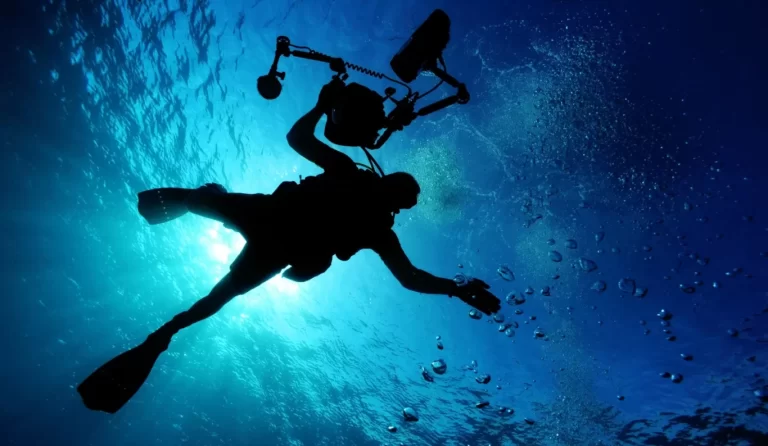
Sumba has thriving communities of seasoned divers and professional snorkeling and diving clubs. You can book a diving session either directly through your resort or via the internet.
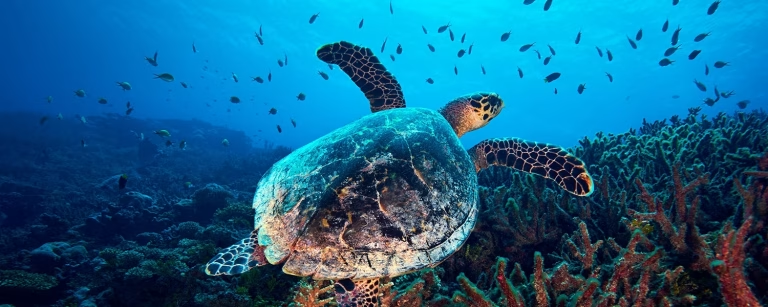
Sumba’s pristine underwater world allows you to uncover a stunning marine ecosystem. Here, you can observe coral reefs, fish and other marine life in their purest form.
There are favored diving spots across Sumba. Choose sites based on wave conditions, comfort level, and boat access availability.
Picking the right diving spot is the key to a truly enjoyable journey. Find below the top 3 diving and snorkeling spots in Sumba!
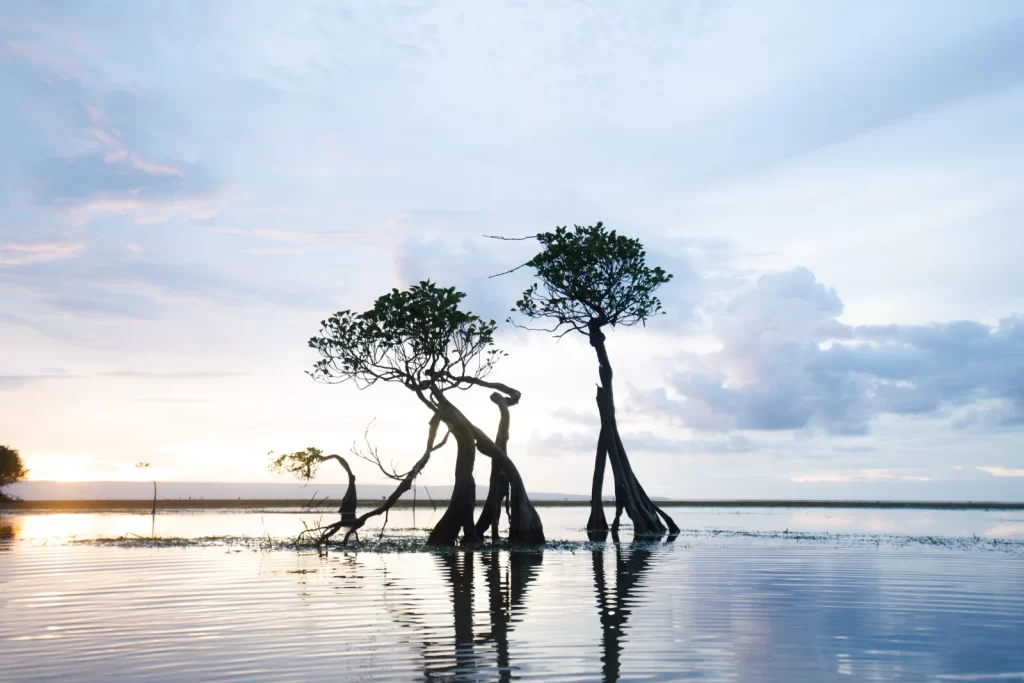
Walakiri Beach offers a serene snorkeling and coastal experience. The water here is clear and calm, making it ideal for observing colorful fish and healthy reef pockets. Walakiri’s seafloor houses 48 species of organisms, including 20 types of mollusks and 14 species of saltwater organisms, indicating a complex and thriving ecosystem. Besides being a very favored diving spot among both local and foreign divers, Walakiri Beach is also a popular place for taking sunset photos.
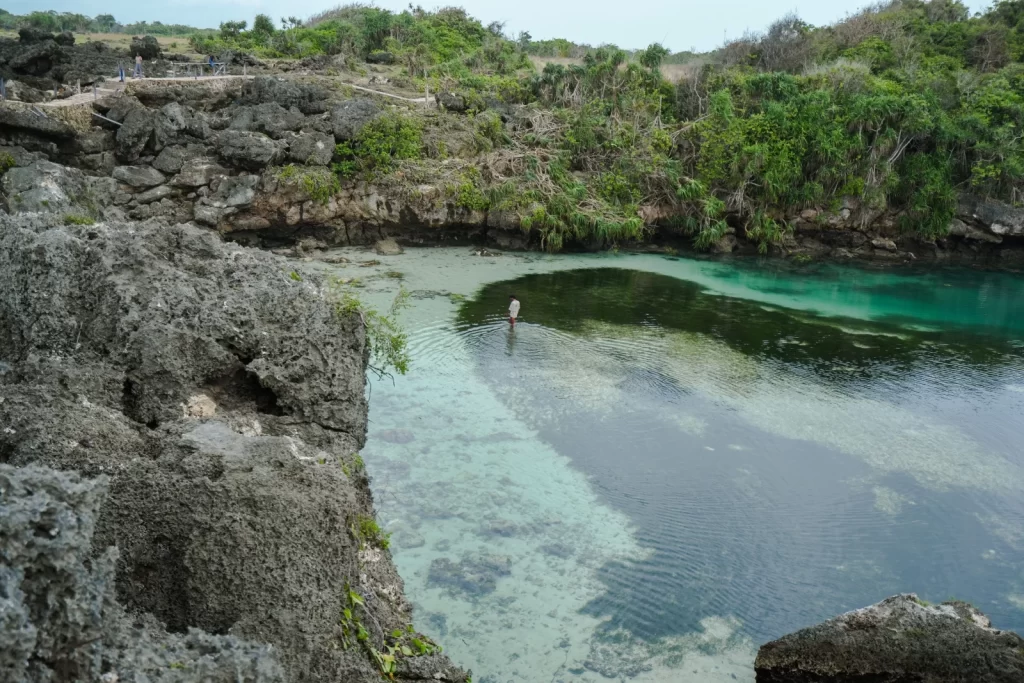
Weekuri Lagoon, located in Southwest Sumba about 1.5 to 2 hours from Tambolaka, is a geological wonder that offers an unlikely snorkeling experience. This oval-shaped saltwater lake, approximately 150 meters long and up to 5 meters deep during high tide, is fed by seawater seeping through coral rocks, mixing with freshwater springs to create an exceptionally clear, turquoise-blue pool. The water in the lagoon is so transparent that you can easily see the rocky bottom. The temperature varies, with some spots cool and others warm.
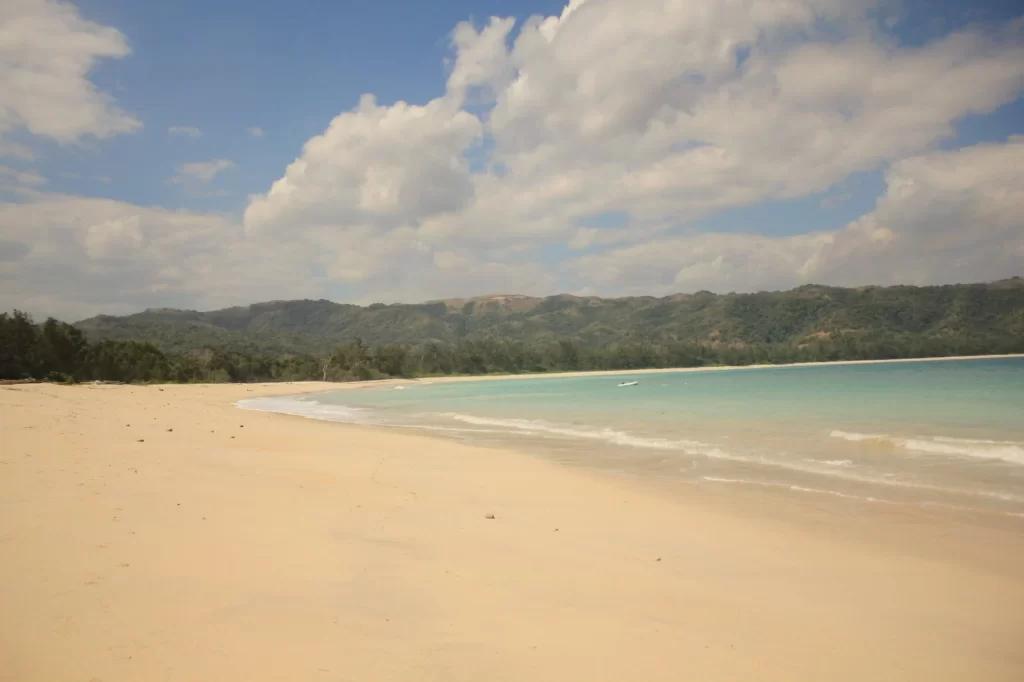
On Sumba’s southern coast, Tarimbang Bay stands as a premier destination for both surfers and divers seeking peaceful yet world-class conditions. Beyond its internationally recognized surf break, “Miller’s Right,” the bay’s clear waters and rugged coastline shelter healthy coral reefs teeming with marine life, offering excellent snorkeling and diving opportunities right alongside the surfing spots. The underwater seascape here is part of Sumba’s rich marine biodiversity, with pockets of vibrant coral and tropical fish.
Explore seasonal diving conditions in Sumba!
Perfect window for diving. Optimal underwater clarity to see Sumba’s pristine coral gardens, sharks, manta rays, and vibrant reef fish.
Ideal conditions for diving. Ocean swells are lower, making entry and boat trips safer.
Poor underwater visibility due to northwest winds and heavy rainfall. Not ideal for a pleasant dive.
Diving & Snorkeling
Live sea temperature, tide and current across Sumba's coasts.
0.05 m below mean sea level
0.05 m below mean sea level
0.04 m below mean sea level
0.04 m below mean sea level
All About Diving in Sumba
Find out more about diving in Sumba!
Sumba does not have big and crowded dive hubs. Diving and snorkeling activities are usually organized by resorts or divers themselves. There are local diving groups and operators that you can contact to plan a dive, though you need to find and contact these operators yourself.
Weather can be unpredictable during wet and shoulder seasons or a local event might block you from entering water. You should keep all these potential hindrances in mind when planning your dive. Working with a professional guide can help you greatly here.
Sumba's underwater world is as charming as its terrain. Manta rays, sea turtles, and countless coral species thrive in these waters. Sumba's coral reefs are part of the Coral Triangle, one of the world's richest corners in biodiversity.
| Topic | Source Guidance |
|---|---|
| Infrastructure | The island boasts very limited diving infrastructure. Snorkeling or diving in Sumba are commonly arranged through selected operators and resorts, such as NIHI Sumba. |
| Dive Profile | Sumba’s dive profile is quite diverse, with reported site styles including wall diving, drift sections, and occasional pelagic encounters. In other word, you can always find something that fits your experience and expectations. |
| Visibility | Typical diving visibility is around 10-25 m. However, the real-life experience might be strikingly different depending on weather and location. |
| Thermal Range | Water temperature on Sumba is around 24-28 °C. 3mm wetsuit is usually seen adequate. Of course, the temperature also depends on the season and real-world conditions. |
| Marine Sightings | Sumba’s waters are teeming with a myriad of marine animals. Reef fish and sea turtles are common; manta rays are seasonal. There are sightings and reports on offshore dolphins and occasional whale sharks. |
Planning a diving trip to Sumba requires you to be strategic. Since the island has limited diving options, you will need to arrange everything well in advance. Staying at a resort that boasts water sports facilities can make everything much easier to organize. Otherwise, you will need to contact a local guide or diving group for diving arrangements; diving without a guide is not recommended.
Timing is essential when planning a diving trip to Sumba. The window between July and August is the peak season in Sumba, when the accommodation prices climb and the underwater clarity is the best. If you have the budget, this season is the best time to dive in Sumba.
If you are looking for a more affordable season with relatively more affordable rates, you can go with shoulder season; though, remember that shoulder season often comes with unpredictable weather.
Wet season is potentially the most affordable time yet not optimal for divers. It constantly rains during this season and underwater clarity becomes quite poor.
The most convenient way to dive in Sumba is by booking a resort that offers diving trips. Most beachfront establishments on the island boast the necessary facilities to accommodate divers, along with a team of professional divers.
Contact the establishment you wish to book in advance to learn if they offer diving facilities. Once you pick a place, make sure to book at least 2 to 3 months in advance. Most beachfront establishments will book out 2 to 4 weeks before the peak season.
Once you booked your accommodation, your next step is to book a flight to Sumba. The island has two airports but none of them are international airports. Therefore, you will first need to fly into Bali, Jakarta or one of the nearby islands with an international airport. From there, you will need to take a domestic flight to Sumba. Learn more about getting to Sumba in our dedicated guide.
Transportation within Sumba is mostly through personal vehicles or private drivers, since the island lacks reliable public transportation. Your resort will probably organize your trip to the diving spot. However, if they don’t, you can hire a private driver through the concierge or, if you are staying at a homestay, your host.
FAQ
The best time to dive in Sumba is from May to October, when the weather is dry and there is optimal underwater clarity.
Walakiri Beach, Weekuri Lagoon and Tarimbang Bay are the best spots to dive in Sumba.
No, Sumba does not have an organized diving scene. Most diving activities are organized by resorts or individuals themselves.
You can contact a diving guide through your resort. Alternatively, there are Sumba tourism groups on Facebook where you can contact with local guides directly.
Sumba does not have large-scale diving schools. Instead, you can arrange diving classes through your resort or guide.
You need standard diving equipment, such as a mask, snorkel, fins, booties, BCD, regulator, dive computer, weights, and a wetsuit.
Yes, you can; though, you need to do it via operators that are usually part of resorts. Remember that most resorts have limited sizes and equipment; so, bringing your own gear is usually the safer option.
Yes, diving in Sumba is quite safe, as long as you have a good guide with you. Due to the lack of an organized diving scene, entering water without a guide is not recommended.
Sumba’s waters house a myriad of species, including whale sharks, manta rays, sea turtles, reef sharks, and diverse reef fish like clownfish, parrotfish, and butterflyfish.
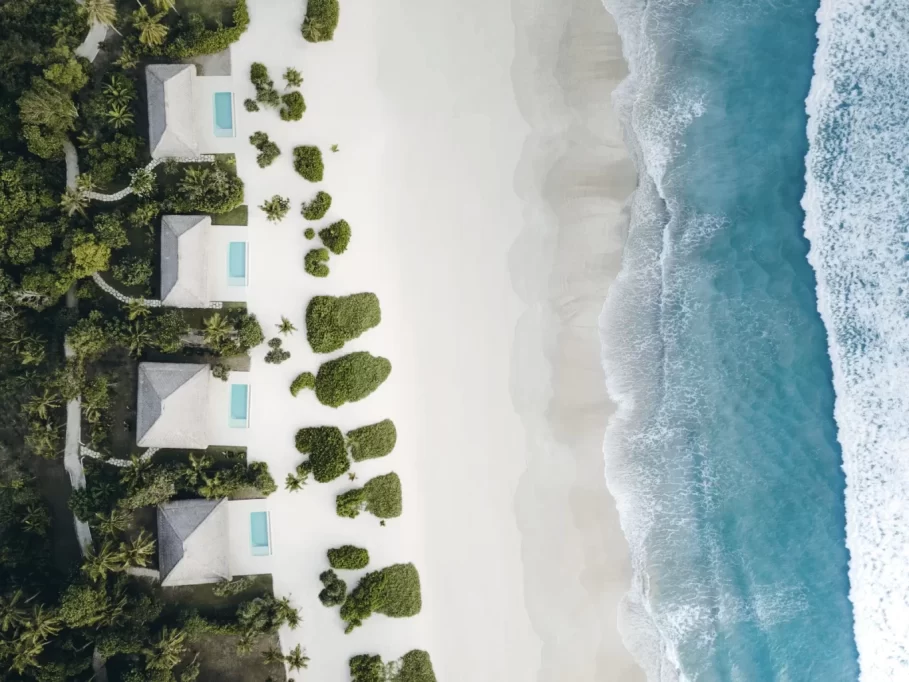
Find your accommodation in Sumba for a dream-like diving trip!