01 / VILLAGES
6+
Notable Villages
Across West and East Sumba
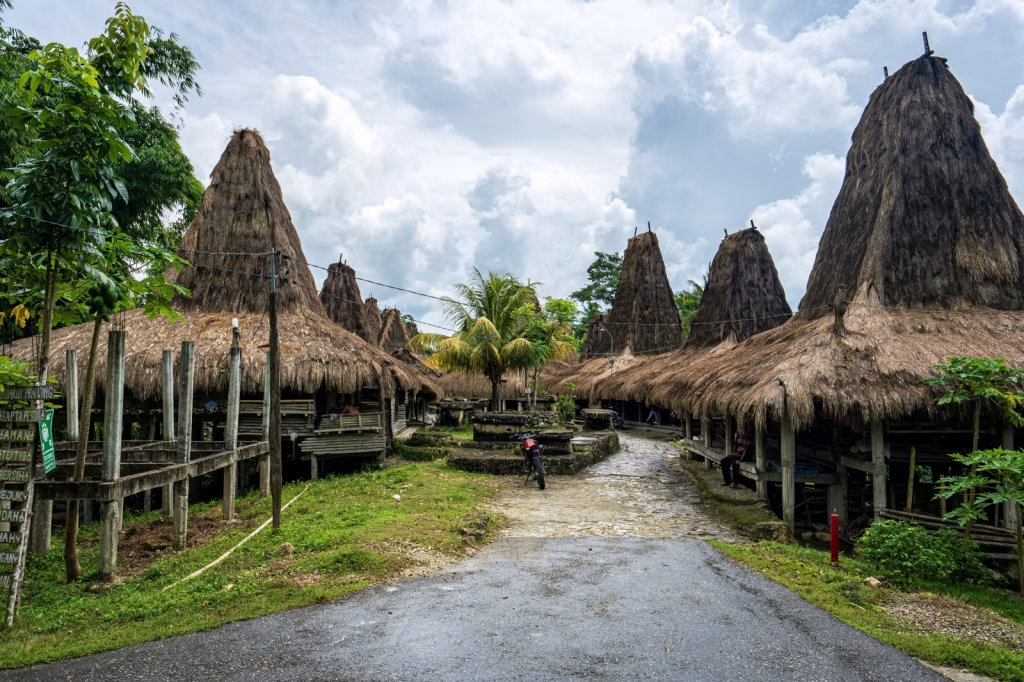
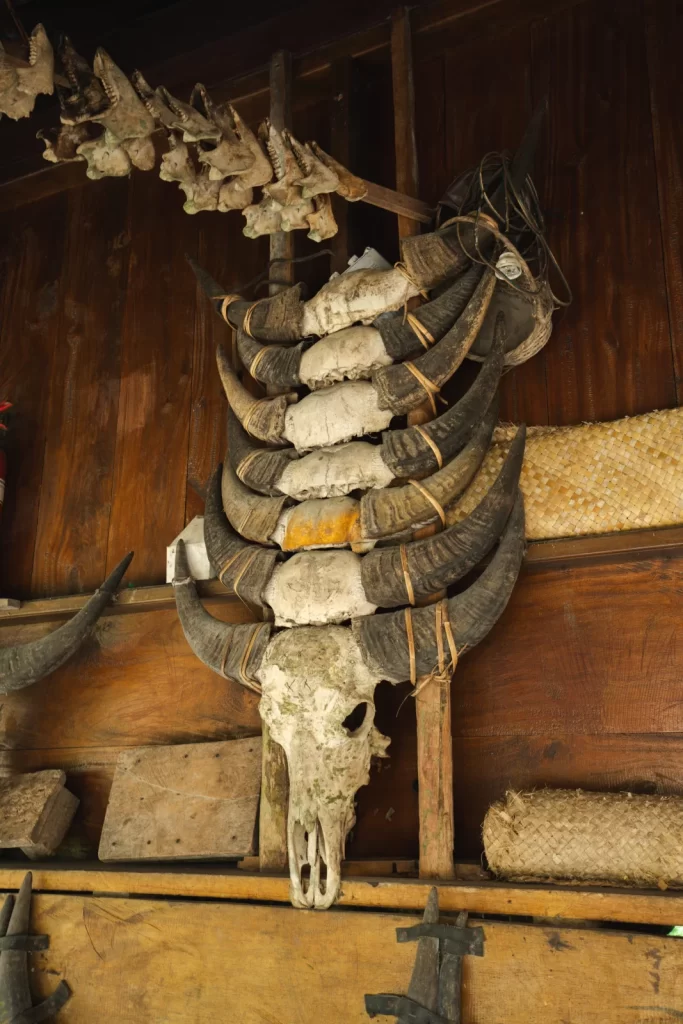
Traditional villages in Sumba still preserve their ancient Marapu tradition, a folk religion and philosophy deeply rooted in the island’s way of life. The prominence of this tradition can be seen at every corner of Sumba, from megalithic tombs at villages to social structures. Even the administrative divisions of Sumba are indirectly determined by traditional entities, such as clans or princely villages. While some of the villages on Sumba might be a tad secretive, the majority of Marapu villages are quite open to outsiders. You can visit these local settlements to witness their distinctive architectural styles and learn more about the ancestral way of life on the island.
| Place | Subcategory | Address |
|---|---|---|
| Balani Village | Traditional Village | Pero Batang, Kodi district, Southwest Sumba regency |
| Boku Bani Heritage Village | Traditional Village | Ate Dalo, Kodi district, Southwest Sumba regency |
| Bondo Kodi Village | Traditional Village | Bondo Kodi village, Dinjo, Kodi Bangedo district, Southwest Sumba regency |
| Gollu Village | Traditional Village | Kalembu Kuni, Tebara, Waikabubak district, West Sumba regency |
| King Prailiu Village | Traditional Village | Umbu Rara Meha street, Prailiu, Kambera district, East Sumba regency |
| Malisu Village | Traditional Village | Harona Kala, West Lamboya district, West Sumba regency |
| Mehengmata Village | Traditional Village | Mehengmata village, Lete Loko, Kodi Bangedo district, Southwest Sumba regency |
| Prai Goli Village | Traditional Village | Prai Goli, Wai Hura, Wanokaka district, West Sumba regency |
| Prai Ijing Village | Traditional Village | — |
| Praibakul Village | Traditional Village | Praibakul village, Wanokaka district, West Sumba regency |
| Praiyawang Village | Traditional Village | 3M7C+P25, Rindi, Sumba Timur, East Sumba Regency, East Nusa Tenggara, Indonesia |
| Rangga Baki Village | Traditional Village | Rangga Baki village, Umbu Ngedo, Kodi Bangedo district, Southwest Sumba regency |
| Ratenggaro Village | Traditional Village | Umbu Ngedo, Kodi Bangedo district, Southwest Sumba regency |
| Tarung Village | Traditional Village | Wailiang, Waikabubak, West Sumba regency |
| Tosi Village | Traditional Village | Wura Homba, Kodi district, Southwest Sumba regency |
| Totok Kalada Village | Traditional Village | Totok, Loura district, Southwest Sumba regency |
| Ubu Bewi Village | Traditional Village | Ubu Bewi Village, Tara Manu, Wanokaka district, West Sumba regency |
| Wai Galli Village | Traditional Village | Wai Galli Village, Tara Manu, Wanokaka district, West Sumba regency |
| Waiwuang Atas Village | Traditional Village | Pahola, Wanokaka district, West Sumba regency |
| Waiwuang Bawah Village | Traditional Village | Pahola, Wanokaka district, West Sumba regency |
| Wehola Traditional Village | Traditional Village | Hoba Wawi, Wanokaka district, West Sumba regency |
| Wunga Village | Traditional Village | — |
| Yaru Wora Village | Traditional Village | Patiala Bawa, Lamboya district, West Sumba regency |
For planning and transportation to villages, work with an experienced guide who can coordinate introductions, explain local norms, and help plan visits. It is recommended to visit not more than 3 villages per day for better cultural depth and lower fatigue.
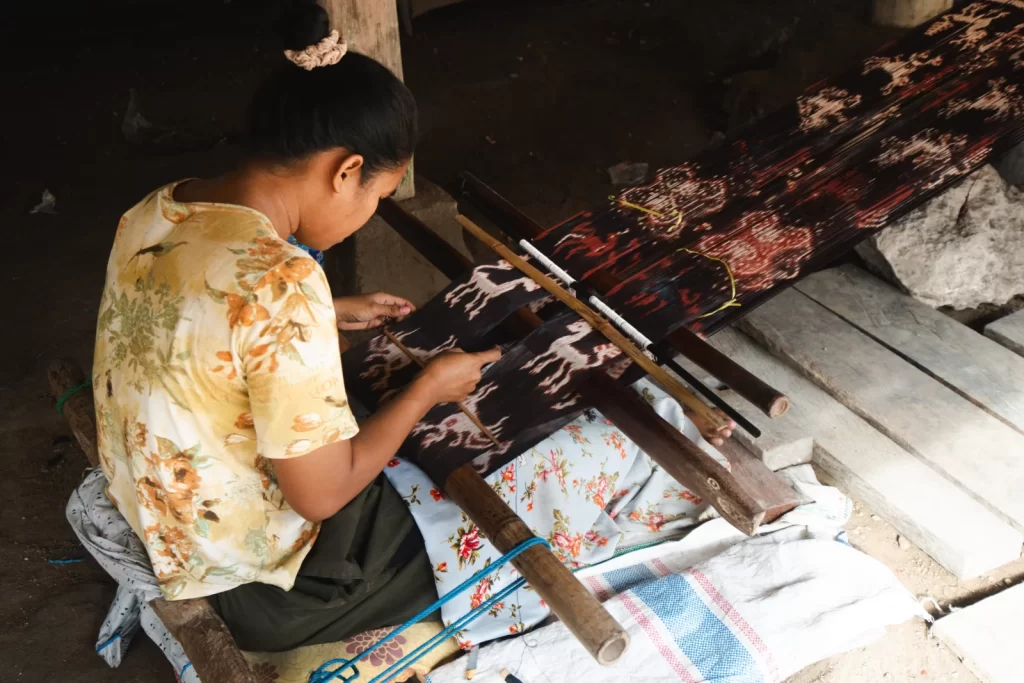
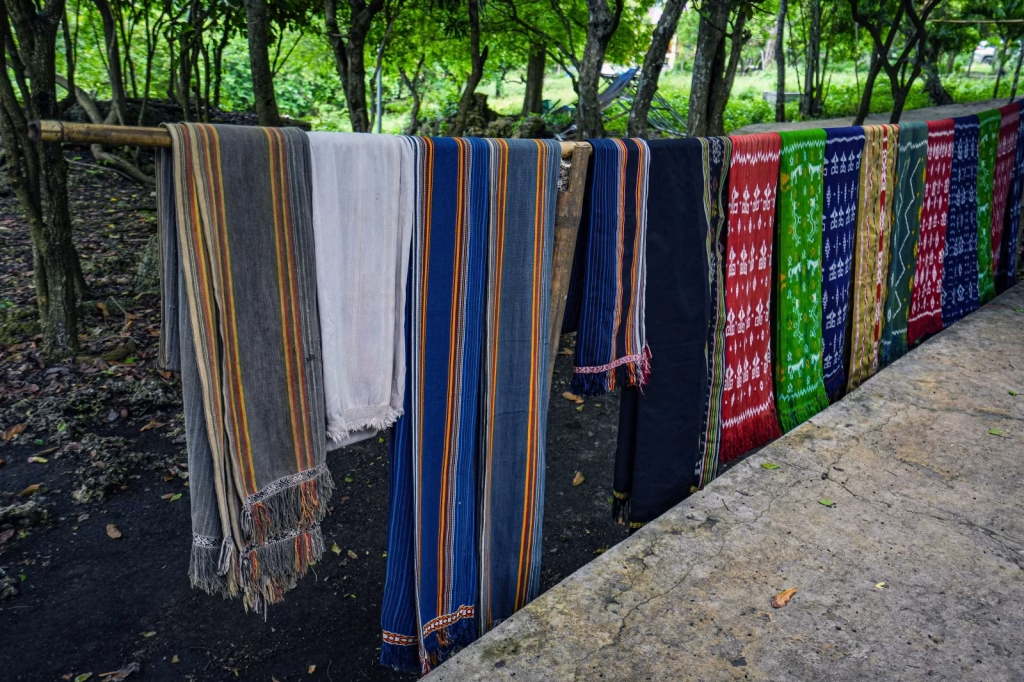
West Sumba is one of the best regions to learn more about the local culture and traditions. The ancestral Tenun Ikat weaving tradition thrives in this region, with unique cultural and spiritual significance.
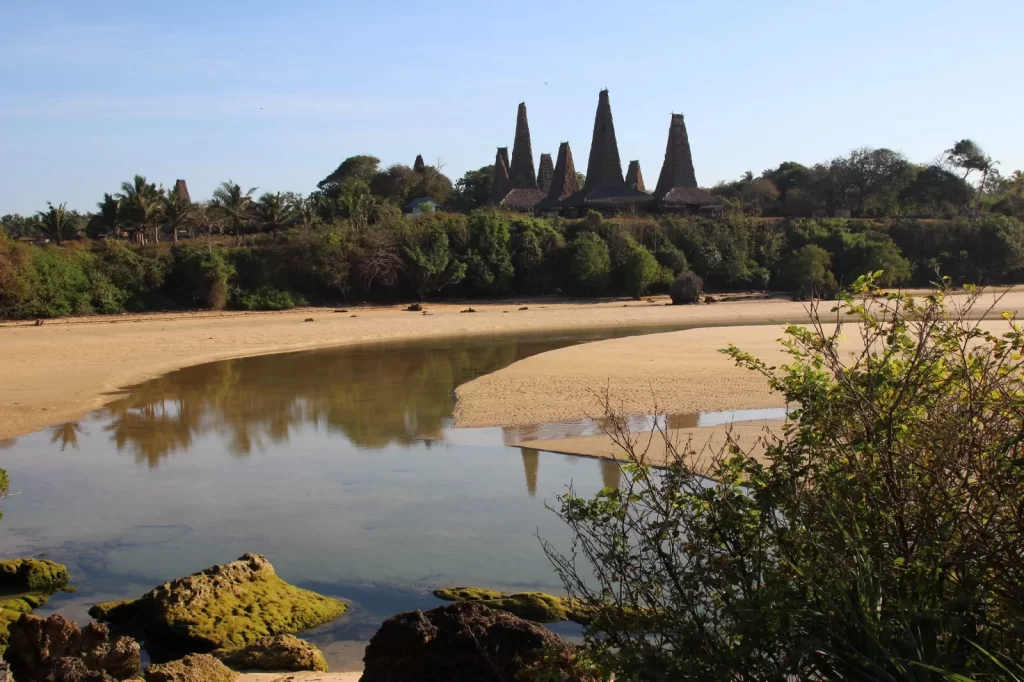
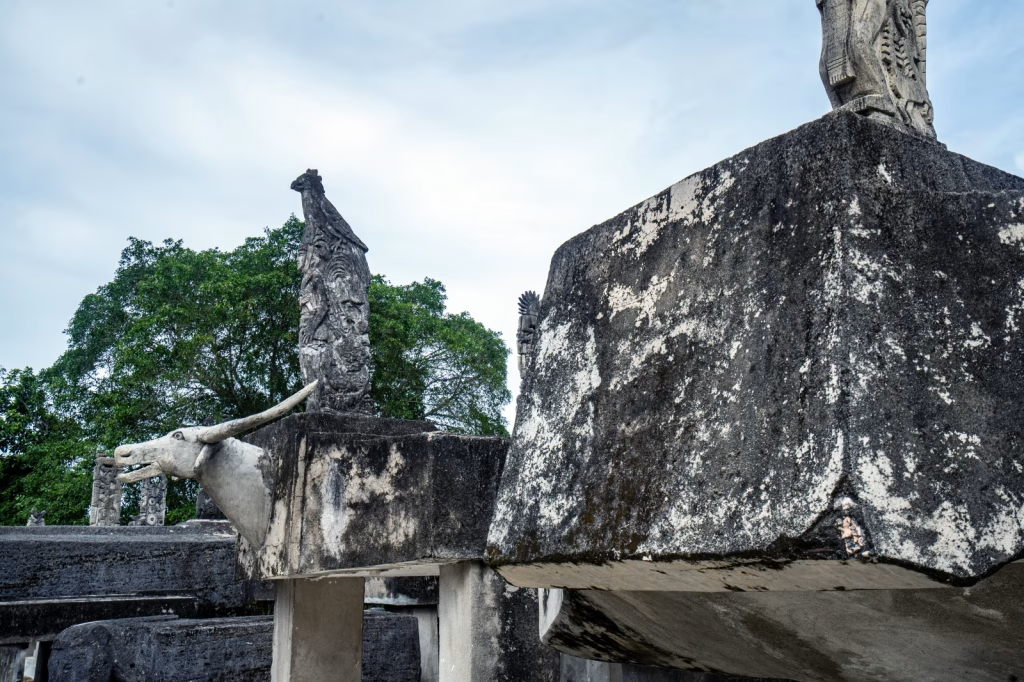
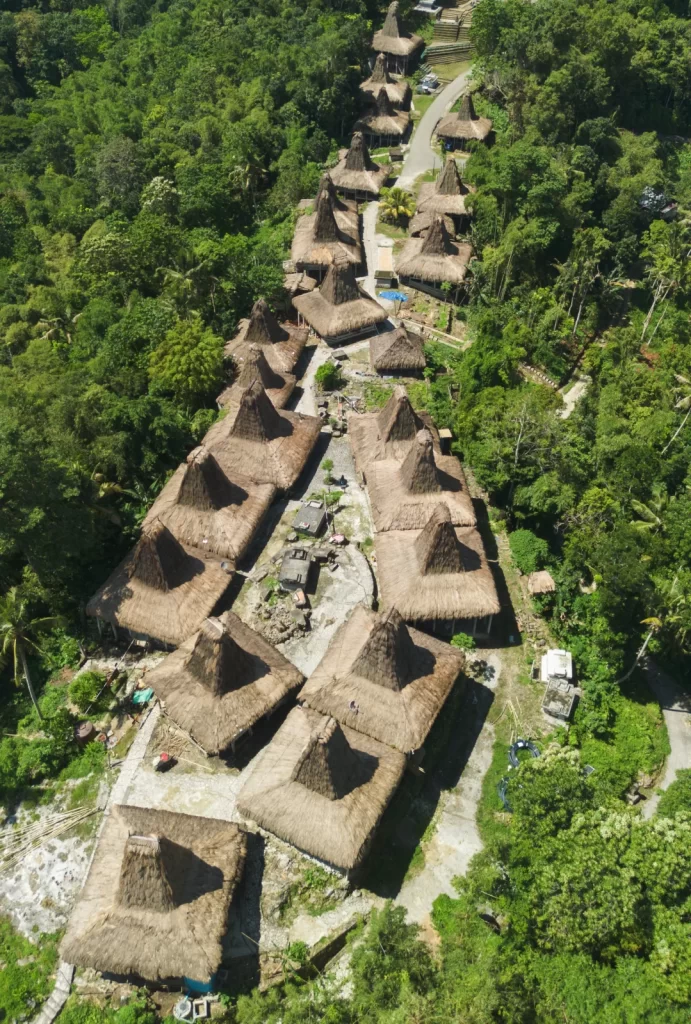
This well-known clifftop village boasts a stunning skyline dominated with peaked roofs. You can come across many stone tombs decorated with megalithic statues and obelisks in the village. Although it is relatively far from the region’s capital, it is among the most favored spots for visitors who want to witness Sumbanese lifestyle.
The village of Ratenggaro also has a very vibrant artisan scene. You can purchase ikat textiles or various arts and crafts from the village folk.
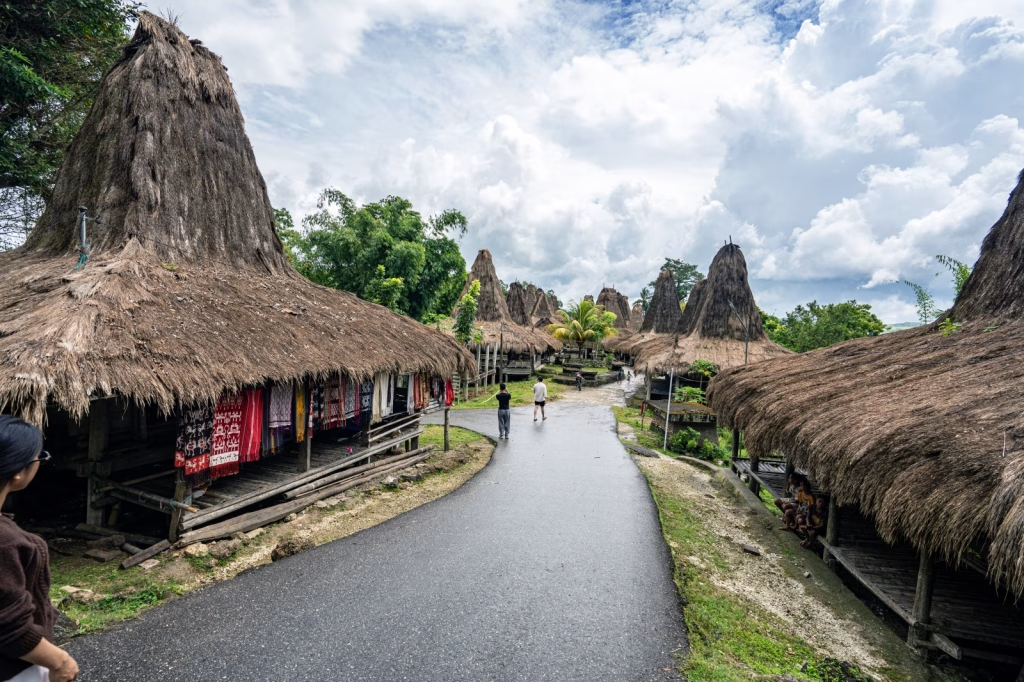
Another renowned hilltop village, Praijing is located near Waikabubak. One of the biggest highlights of Praijing is the stunning views from the high vantage point. Blended with the surrounding greenery and standing out with its tidiness, the village looks like a movie set.
Like other villages on Sumba, Praijing also houses many graves with intricate features. You can find a local marketplace within the village where you can buy local products.
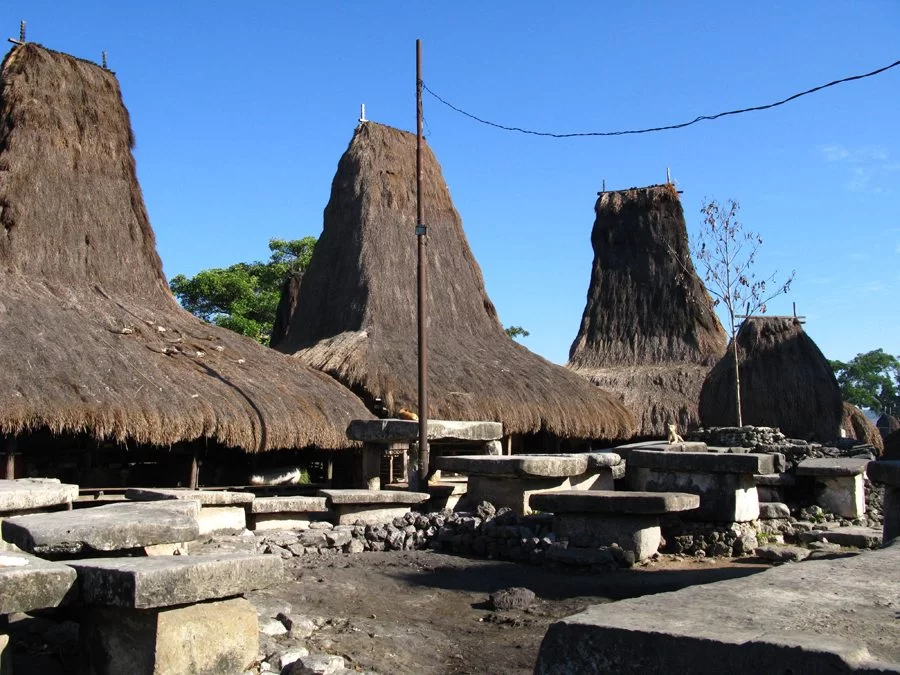
A historic village noted for the large number of stone tombs. Tarung is a densely populated village, meaning that you will get to experience the traditional Sumbanese equivalent of an urban settlement.
The distinctive feature of Tarung is the ritual of Wula Podhu. This ritual usually lasts several weeks, where rites and rituals are performed. Villagers close the period of Wula Podhu with a day of offerings and folk dances. Wula Podhu is often celebrated in November but the exact date varies.
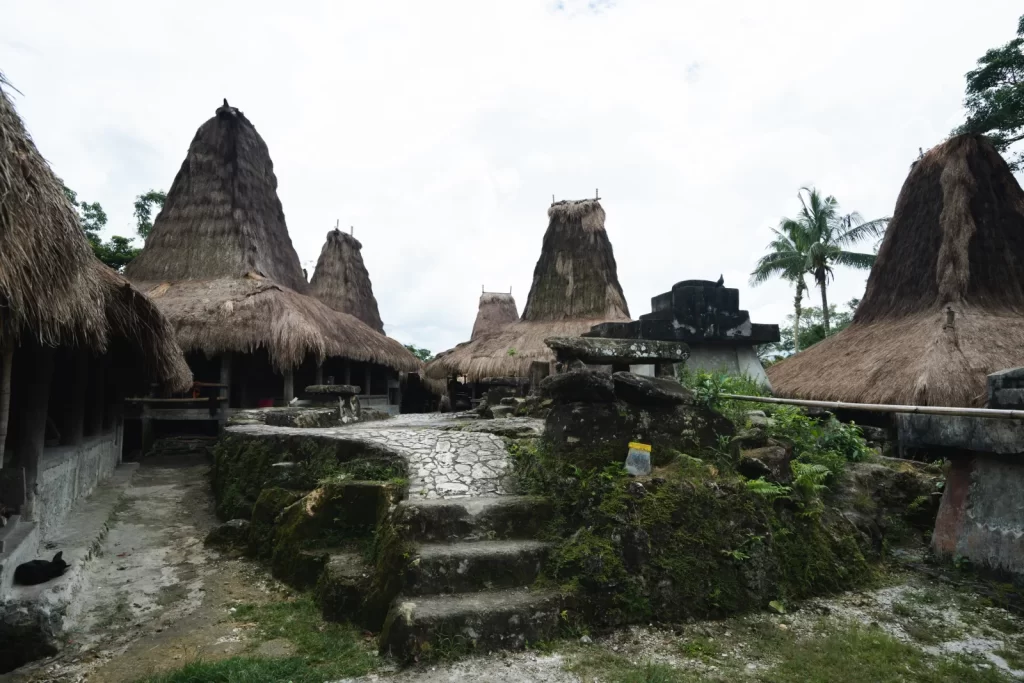
An adjacent village of Tarung, Waitabar is a humble yet rewarding destination. The two villages are so close that it is nearly impossible to tell where one village ends and the other starts.
You can see livestock strolling among high-roofed houses, walking by state-of-the-art satellite dishes. This unique place where ancient ways of life mix with contemporary needs, you can take a tranquil breather. Rising among lush greenery, the village has a very peaceful atmosphere.
You can buy weavings and local products at Waitabar as well. Some locals might speak English and offer you to visit their domiciles, of course, for a small donation.
Do not worry if you cannot purchase ikat at a village. Almost all weavers bring their textiles to markets in nearby towns; you can access a wider variety of products at these markets while still supporting the local economy.
Traditional villages in East Sumba differ very little from their western neighbors. However, the distinctive geography of eastern Sumba make these villages perfect destinations for observing the harmony between the geography and the inhabitants of the island.
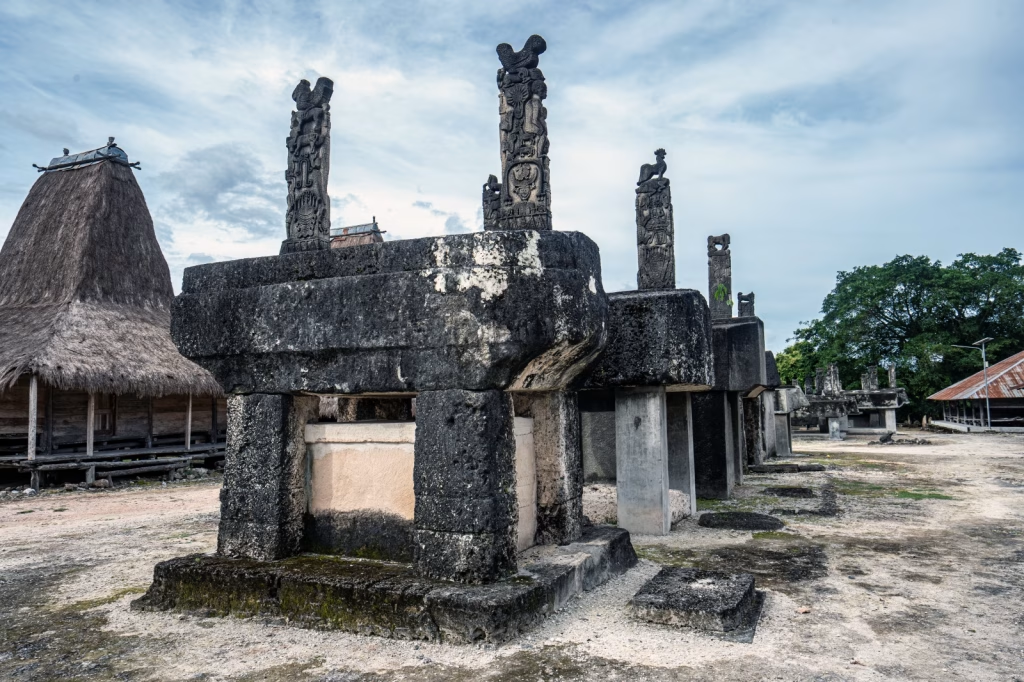
One of the largest and most reputable villages in East Sumba, Rende, is a village of kings. This small settlement houses the royal graves of the late kings of East Sumba, along with their slaves. As a result, the tombs in the village are very intricate and well-adorned, often boasting stunning carvings of animals.
Although most tour packages in East Sumba include Rende in their itinerary, the village is often very pristine. Unlike most other Sumbanese villages, men in Rende also weave ikat textiles. You can purchase the textiles to support the local economy and show your appreciation for Rende’s distinctive nature.
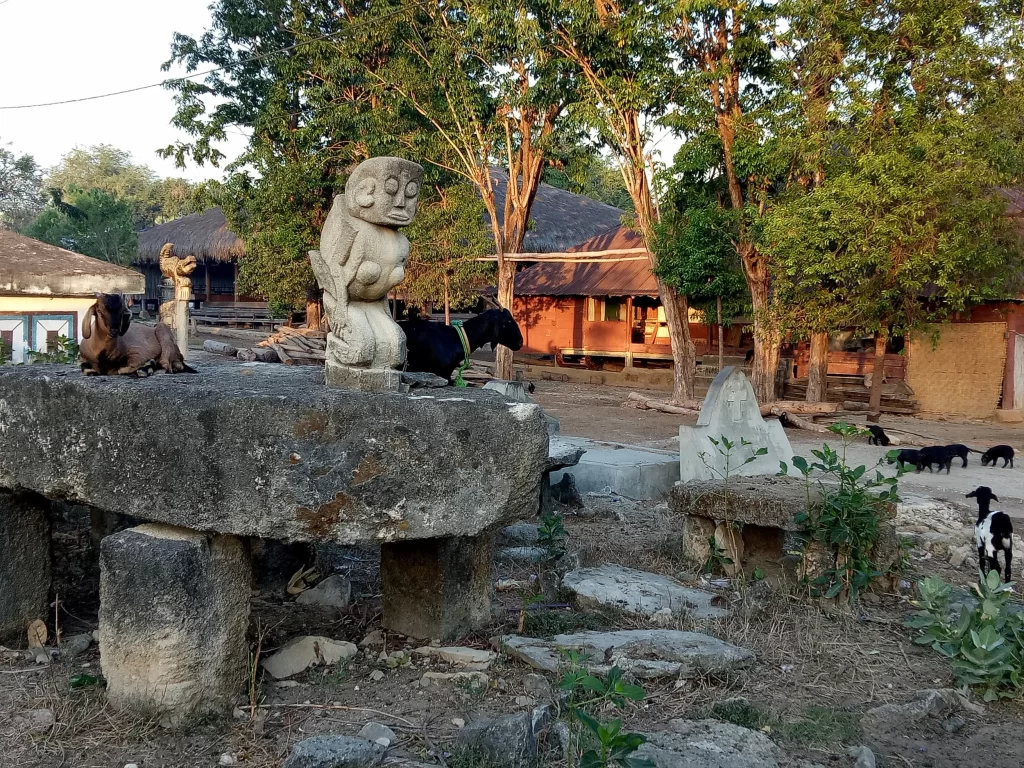
Another royal village in East Sumba, Prailiu is considered a cultural center for Waingapu. The village houses very large megalithic tombs and a vibrant ikat weaving scene. The strong communal structures in the village help them preserve their ancestral way of life.
Among the highlights of Prailiu village is the annual stone-dragging ceremony during March. If you wish to witness this event, contacting a local guide is recommended for cultural context.
You can visit the village’s website to learn more about their cloth- and textile-making practices.
Ask permission before entering villages and before taking photos; don’t insist if not permitted.
While village visits are affordable, minute amounts of entrance fees (around IDR 20,000-100,000) are expected; these small contributions support village communities.
Dress modestly by covering shoulders and knees.
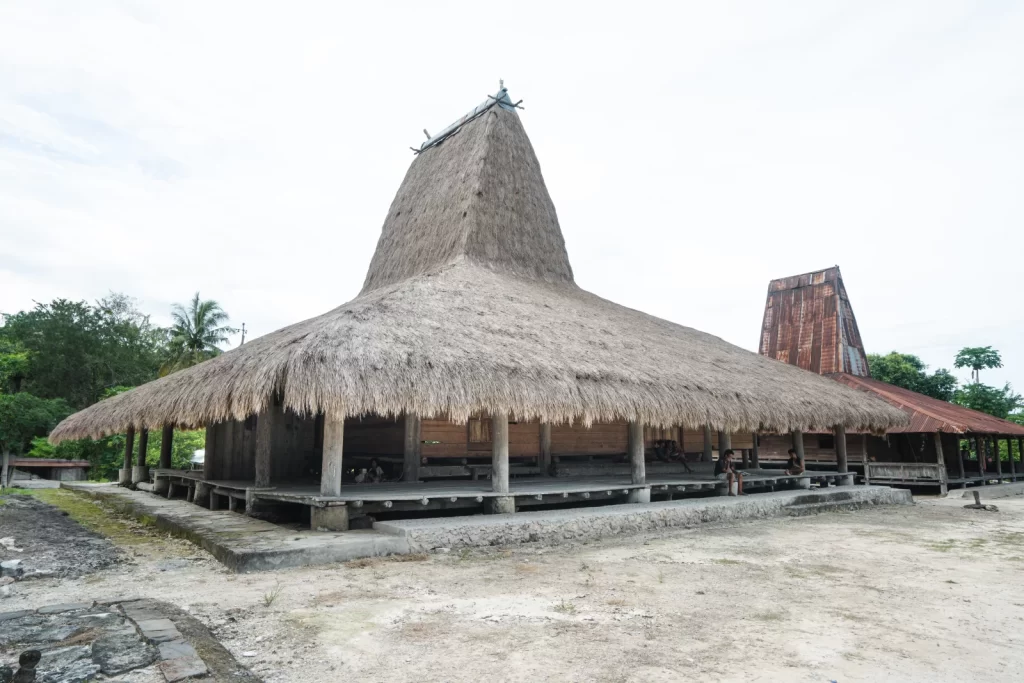
Remove shoes when entering traditional houses.
Do not touch sacred objects or sit on ancestral tombs.
Bring respectful small gifts, such as betel nuts or coffee, for elders when appropriate.
Use local guides to navigate protocols and translation.
 House
HouseFAQ
Things you need to know about visiting traditional villages in Sumba.
Yes, but it’s important to be respectful. Always greet the community first and ask for permission before walking around or entering houses.
Yes, a guide will serve as an interpreter and offer cultural context. Furthermore, some villages are considered sacred, so it’s best to visit with a local guide who can help communicate and ensure you follow the proper customs.
Yes, you are expected to greet the village elders or host when you arrive. It is important to dress modestly (avoid very short or revealing clothing). If you are planning to enter houses or take photos of people, ask permission.
It is not required, but bringing a small gift is considered a kind and respectful gesture.
Sugar, coffee beans, and betel nut are widely accepted. Money should be given only when appropriate.
Some very common mistakes are:
Learn more about the Marapu faith and traditional ceremonies in Sumba!