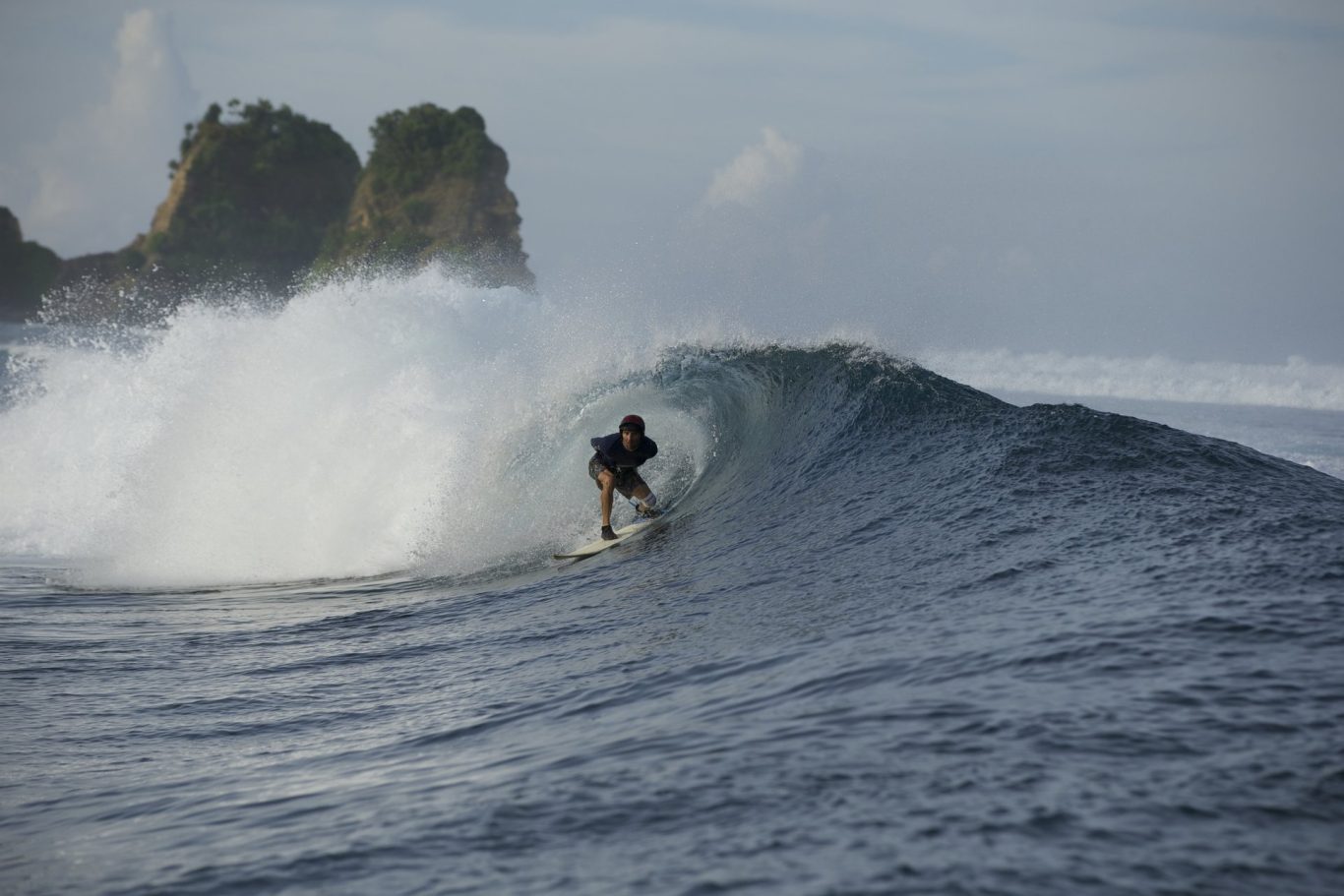
Complete Sumba Surf Waves Journey: A 5-Day Itinerary to Explore Premier Surf Beach Destinations (includes Nihiwatu)
Explore Sumba's top surf waves in only five days! Start from Occy's Left in the Southwest and finish in the East with Five-O.
Are you an experienced surfer looking for the wave that is unsurfed? Sumba is your way to go. Despite a myriad of waves across the island, lineups are almost completely empty. Surfing conditions in Sumba are very pleasant, with most breaks located off paradisaical beaches.
For a surfer, the true struggle in Sumba is figuring out which waves to ride. This is why we decided to create this ultimate itinerary for you. Keep scrolling to find out how to conquer the best Sumba surf waves in only five days!
Waves in This Itinerary
Route Overview 5 days
- 550 km
- 13h 46m
Explore Sumba’s premier surf spots and legendary breaks. Over the course of five days, you will journey from iconic reef breaks in the west to the rugged, wild coastlines of the southwest and south. Each selected destination offers a unique wave profile, creating a comprehensive multi-day trip that is ideal for intermediate to advanced surfers seeking pristine waves far from the crowds.
Day 1: Arrival & Nihiwatu Beach
Settling in
Since the majority of your route covers Western and Southwestern Sumba, you must initially land in Tambolaka Airport. This first day of your surf trip to Sumba will involve heavy preparation and settling in.
You will need to head south to reach the stunning coast and finding a suitable means of transportation is essential. You have three primary options:
- Hire a driver: This is the most viable option, as drivers often serve as guides and they know the shortest routes. Typically more expensive but much more convenient.
- Rent a car: If you are confident and have experience driving in Indonesia, renting a car for self-drive is also an option. However, you must remember that the roads of Sumba are quite bumpy and difficult to navigate.
- Rent a motorbike: Although carrying your surfing equipment will be difficult, travelers with light gear can still go with a traditional motorbike journey. Roads of Sumba are more suitable for smaller vehicles, making a motorbike very easy to ride.
Since you want to visit Nihiwatu and surf Occy’s Left, staying at NIHI Sumba or Villa Haweri is a must. The wave is only accessible to the guests staying at these two resorts.
World’s Best Surf Beach: Nihiwatu
Nihiwatu is globally renowned for boasting one of the world’s most coveted left-hand reef breaks. Often referred to by enthusiasts as “Occy’s Left,” this world-class break produces powerful, fast barrels that consistently form under optimal swell conditions. Because the waves break over a shallow reef, the spot presents a thrilling technical challenge that draws skilled surfers from across the globe.
The surrounding beach is well-protected and meticulously maintained, offering an uncrowded lineup that ensures premium surfing conditions. Surfers can gather here early in the day to analyze wind patterns and identify the most optimal tidal windows. While the main break is the primary draw, the pristine white sands and coastal cliffs surrounding Nihiwatu offer a dramatic introduction to Sumba’s rugged maritime landscape.

Day 2: Southwest & Pero Beach
On the second day, the itinerary shifts to the island’s western tip, specifically Pero Beach in Southwest Sumba. It is a roughly 2-hour drive from Nihiwatu — somewhat long but definitely worth the trip.
Pero is a highly reliable surfing destination and one of the most beautiful beaches on Sumba Indonesia, renowned for its intense right- and left-hand breaks, which surge over a seabed of rock and coral reef.
It is a favorite among experienced surfers for its ability to capture almost any incoming ocean swell, ensuring enjoyable surf action even when other parts of the island are calm.
Good to Know
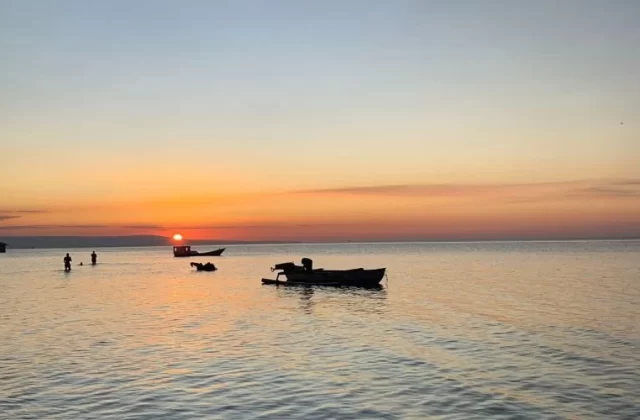
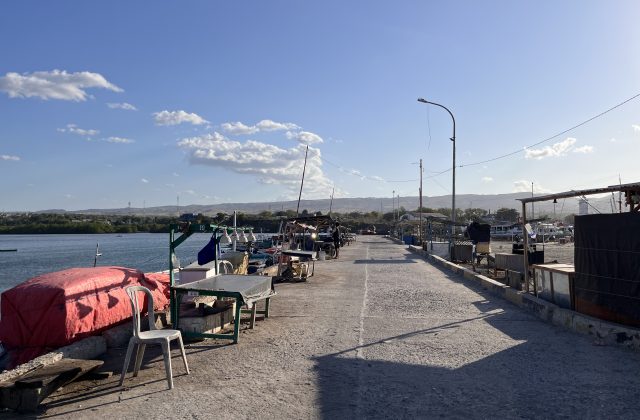
Beyond surfing, Pero Beach also features a traditional fishing harbor and a dramatic rocky coastline that creates a vibrant local atmosphere.
Day 3: A Cozy Day at Marosi Beach
You are off to a cozy day to rest after two days with very long routes. On day three, you will head to Marosi Beach, which is 20 minutes by car from Nihiwatu.
The biggest highlight of Marosi is its clear turquoise waters, completely untouched by mass tourism. You will be the only person there to enjoy those remarkably consistent surf conditions.
Unlike the intense left-handers at Nihiwatu, Marosi is famous for its dynamic right-hand reef break that performs exceptionally well across various tidal stages. When a large southwest swell rolls in, the waves form clean, hollow walls, offering long, high-speed rides and outstanding tube-riding opportunities.
Besides the surf wave, Marosi Beach itself is a very distinctive place. The beach is framed by exotic rocky islets and lush green vegetation, creating a private, tropical atmosphere. The lineup is rarely crowded, providing ample space for intermediate and advanced surfers to hone their maneuvers.
Know Before You Go
Ocean currents can become very strong near the tip of the peninsula; surfers are advised to remain vigilant regarding their positioning and shifting wind conditions throughout the afternoon.
Day 4: Southeast & Tarimbang Bay
The fourth day of the journey will take you deep into the rugged south, specifically to Tarimbang Bay, and then to the island’s eastern tip, Baing. It is essential to get up early in the morning and embark on the journey. This final chapter of the adventure will mostly take place in the East; so, you might consider booking a stay near the Baing town for a convenient trip.
Tarimbang Bay
You will arrive in Tarimbang after a long journey of approximately 3 to 4 hours by car. This stunning horseshoe-shaped bay is a legendary haven for surf enthusiasts, offering a powerful, heavy left-hand point break: Miller’s Right.
Due to the bay’s exposed position facing the open ocean, the best time to surf here is in the morning, before the monsoon winds pick up. Tarimbang’s pristine natural beauty and secluded tranquility made it an unforgettable highlight of the entire trip.
Journey Towards Baing
Once you completely enjoyed your time at Tarimbang, you must keep heading eastward until you reach Baing. It’s a small town, even a village, near the popular Five-O surf wave. There are various resorts and hotels in the area, allowing you to find a cozy stay for your last night in Sumba.
Day 5: Five-O & Return
This is the final day of your itinerary — a slower pace is the best. If you stayed at one of the resorts near Baing, you can easily reach the Five-O wave after a 5- to 20-minute journey. It’s an intense right-hand reef wave, renowned for its immense power. It serves as the perfect climax to a five-day surf tour in Sumba, challenging surfers to unlock their full potential on one of the island’s most powerful waves.
After an intense morning session conquering the surf, you can unwind on a vast, secluded stretch of golden sand, reflecting on an epic week spent navigating the breathtaking waters of Sumba. Do not forget to enjoy resort drinks, delicious local food and leaving the beach on time for your flight from Waingapu. Of course, if you are not leaving today, you have more time to enjoy all that the island offers!
Tips for This Itinerary
- Sumba is a very remote island and lacks fully stocked surf shops. Always pack spare fins, leashes, emergency board repair kits (such as solar-cure resin), and several bars of tropical-water surf wax.
- Most of Sumba’s primary surf breaks occur over sharp coral or volcanic rock. Wearing surf booties is highly recommended to protect your feet when walking out to the break or in the event of a sudden wipeout.
- Navigating to hidden surf spots along Sumba’s coast involves traversing rocky dirt roads and unmarked trails. A local guide with a 4×4 vehicle ensures you reach the breaks safely and at the ideal tide times.
- Surf conditions in Sumba are heavily dependent on the tides. Some spots turn into dry reef flats during extreme low tides, while others require mid-to-high tides for the waves to break cleanly. Align your daily schedule strictly with the local tide chart.
“Ocean is a living, breathing thing, and it knows me.”
— Mark 'Occy' Occhilupo
Frequently Asked Questions
When is the best time of year to undertake this Sumba surf route?
The primary surf season coincides with the dry season, which runs from May to October. During these months, wind patterns in the Southern Hemisphere generate consistent, large swells from the south to southwest, complemented by favorable offshore trade winds.
Is this surf route suitable for beginners?
No. The destinations highlighted in this itinerary feature fast takeoffs, heavy barrels, and shallow coral reef bottoms. This route is highly recommended only for intermediate to advanced surfers who are experienced and comfortable navigating powerful reef breaks.
Do I need a special permit to surf at Nihiwatu Beach?
Technically, yes. The famous left-hand wave at Nihiwatu ("Occy's Left") is strictly managed to prevent overcrowding in the lineup. Access is limited to a very small number of surfers per day, with priority usually given to resort guests or those who have booked a slot well in advance. So, while it isn't a permit per se, the entry to Nihiwatu is indeed limited.
Are malaria precautions necessary when exploring these remote coastal areas?
Sumba has historically been a malaria-endemic region. While urban centers have seen significant improvements in sanitation, these wild and remote coastal surf areas still carry a risk. It is strongly recommended to consult a travel doctor before departure, use high-quality insect repellent, and consider taking malaria prophylaxis.