How to Get to Sumba from Bali: Planes, Ferries & Private Transport (2026)
Are you looking from a cozy getaway during your Bali trip? Here is how you can get to Sumba from Bali!
Sumba lies east of Bali and offers a travel experience distinctly different from its more famous neighbour. The straight line distance between the two islands measures roughly 459 kilometres across the Savu Sea, yet the actual travel time varies so dramatically that your choice of transport essentially determines the rhythm of your entire trip.
Ways to Travel to Sumba from Bali
The two primary ways to reach Sumba from Bali are by air or by sea, each catering to different travel styles, budgets, and timeframes. This guide covers everything you need to know about both options, from flight durations and ferry schedules to practical tips for a smooth arrival. You can find out more about both means of transportation below.
Rule of Thumb
If you are traveling to Sumba on a holiday, get a flight. If you are traveling with a vehicle, get a ferry.
By Air
Flying is the preferred choice for most visitors, cutting the journey to just over an hour. Ngurah Rai International Airport (DPS) in Denpasar, Bali handles daily departures to Sumba’s two airstrips:
| Airport | Location |
|---|---|
| TMC (Lede Kalumbang) | Tambolaka, Southwest Sumba |
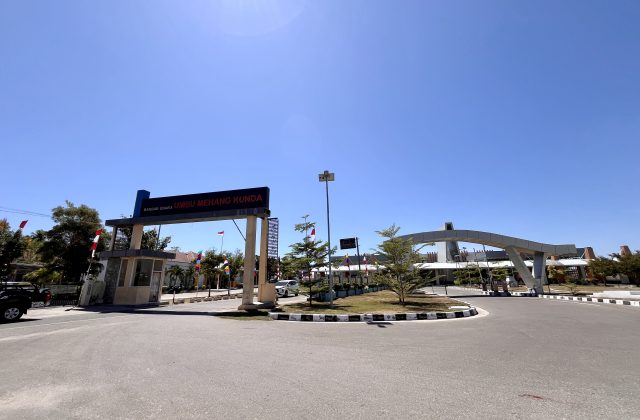
| WGP (Umbu Mehang Kunda) | Waingapu, East Sumba |
By Sea
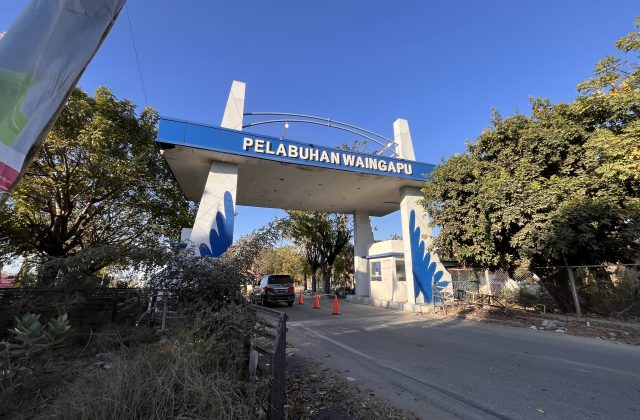
For travellers with flexible itineraries, overland adventurers bringing vehicles, or those simply seeking a slower, more immersive experience, the ferry route offers a compelling alternative. The journey relies on the state owned PELNI fleet and several regional roll-on/roll-off (Ro-Ro) ferries. The most practical routing departs from Benoa Harbour in Bali, calls at Bima (on Sumbawa island), and continues to Waingapu.
Travellers should budget at least two full days for this voyage. PELNI schedules are released monthly and often change, so booking tickets at least one week in advance is strongly advised.
Best Airlines Flying from Bali to Sumba
Several airlines operate flights from DPS to TMC and WGP, such as Batik Air, Nam Air, and TransNusa. Most departures are scheduled in the morning window between 9:00 AM and 10:45 AM, which suits travellers connecting from overnight international flights.
| Airline | Frequency |
|---|---|
| Batik Air | Daily flights to Tambolaka (TMC). |
| Nam Air | Daily flights to Tambolaka (TMC). |
| TransNusa | Four flights per week to Waingapu (WGP). |
Ticket Prices for Flights from Bali to Sumba
Ticket prices for flights from Bali to Sumba vary considerably depending on the airline, season, and how far in advance you book. As a general guide, one-way fares typically range from around IDR 1,300,000 to IDR 1,700,000. The table below provides an approximate cost and baggage breakdown for the main airlines operating this route. Remember that these are estimates and actual prices will depend on your specific travel dates.
| Airline | Approximate Cost (One-Way) | Baggage Included | Baggage Price |
|---|---|---|---|
| Batik Air | IDR 1,300,000 – 1,600,000+ | Yes (20 kg) | Excess baggage fees apply for additional weight, varying by route |
| Nam Air | IDR 1,300,000 – 1,600,000+ | Yes (15 kg) | Fees apply for additional weight |
| TransNusa | IDR 1,500,000 – 1,700,000+ | Varies by ticket type (20 kg) | Pre-purchased baggage and excess baggage fees apply |
How to Book a Flight to Sumba from Bali
Booking a flight from Bali to Sumba is a straightforward process. Following these steps will help ensure a smooth and efficient booking experience.
The first and most important step is deciding whether to fly to Tambolaka (TMC) for West Sumba or Waingapu (WGP) for East Sumba. Your choice will determine which airlines and flight options are available to you. Choose the airport closest to your final destination to minimise overland travel. Sumba is large, and road journeys take longer than they appear on a map.
Use a flight comparison website such as Skyscanner, Google Flights, or KAYAK to see a list of available flights, airlines, and prices on your chosen date. Google Flights is particularly useful for checking flexible date ranges with its calendar price view, while Skyscanner offers strong coverage for regional budget carriers. This will help you find the best option for your schedule and budget.
Once you have identified potential flights, go directly to the official airline’s website (e.g., Batik Air, Nam Air, TransNusa) or use a reputable online travel agency to book. This is the most reliable way to see the final price and any baggage inclusions. Be aware that some comparison sites may redirect to third-party OTAs with hidden fees at checkout, so always double-check the total price before confirming.
When booking, carefully check the fare conditions. If your fare includes baggage (e.g., Batik Air), the allowance is usually listed in the fare details. For any airline, always look for the “pre-paid baggage” option when booking, this is almost always cheaper than paying for extra weight at the airport. Some airlines also allow baggage pooling within the same booking, so if you are travelling with companions, you can combine allowances to save on excess fees.
Enter your personal details, including your full name exactly as it appears on your passport. Provide an active email address and a reachable phone number, these are how the airline will contact you if there are schedule changes, cancellations, or other important updates. Review all flight and baggage details carefully before making payment. After payment, you will receive an e-ticket via email. Save a copy on your phone and keep a printed backup, as mobile signal at Tambolaka and Waingapu airports can be unreliable.
A few days before your trip, check the airline’s website or app to confirm your flight’s status, as schedules on regional routes can change with little notice. For the most competitive fares, aim to book domestic flights roughly 3 to 8 weeks before departure. Avoid booking too close to peak seasons, such as July–August or December–January, as availability on Sumba routes becomes extremely limited and prices tend to spike.
Best Ferry Operators with Routes from Bali to Sumba
While flying is the most popular way to reach Sumba, travelling by sea offers a more adventurous and budget-friendly alternative. The journey is long and requires patience, but for travellers with flexible schedules or those wishing to bring a vehicle, ferries provide a viable option. The main operators serving routes to Sumba from Bali and the surrounding region include the following:
- PELNI
- ASDP Indonesia Ferry
- Dharma Lautan Utama (DLU)
Ferry Ticket Prices from Bali to Sumba
Travelling by ferry from Bali to Sumba is considerably cheaper than flying, making it an attractive option for budget-conscious travellers. However, the journey is long and requires a multi-stage route. The total cost for the entire journey typically ranges from IDR 400,000 to IDR 800,000 per person, depending on the specific route, operator, and class of service. The table below provides a breakdown of estimated costs for the main ferry segments.
| Ferry Name / Operator | Route | Approximate Cost | Baggage Included | Baggage Price |
| PELNI (KM Awu, Binaiya, Lawit) | Benoa (Bali) – Bima | ~IDR 179,800 | Yes, (Up to 40kg) | Excess charged as cargo at the port . |
| PELNI (KM Awu, Binaiya, Lawit) | Bima – Waingapu (Sumba) | ~IDR 97,000 | Yes (Up to 40kg) | Excess charged as cargo at the port . |
| Dharma Lautan Utama (KM Dharma Kartika V) | Surabaya – Waingapu (Sumba) | IDR 490,000 – IDR 1,690,000 | Yes* | Information not specified. |
Taking a Ferry with a Vehicle
For those who wish to bring their own motorcycle or car to Sumba, travelling by ferry is the only option, as there is no car-carrying flight service. Public ferries like those from ASDP and RoRo ships from operators like DLU are specifically designed to transport vehicles, with separate fees applied based on vehicle type and size. There are several routes they operate:
| Operator | Route |
|---|---|
| DLU | Lombok → Waingapu |
| DLU | Surabaya → Lombok → Waingapu |
| ASDP | Sape → Waingapu or Waikelo |
| ASDP | Sape → Labuan Bajo → Waingapu |
How to Book a Ferry to Sumba from Bali
Booking a ferry to Sumba requires a bit more effort than booking a flight, as the options are limited. Here is a step-by-step guide to booking your ferry journey.
Decide which ferry operator best suits your needs. PELNI is the main option for passenger travel to Sumba.
Install the PELNI Mobile app from the Play Store or App Store, or visit the official PELNI website at www.pelni.co.id. You can use the app or website to search and book tickets for your ferry.
Besides PELNI’s online channels, you can purchase PELNI tickets at minimarkets or through travel agents.
Ensure you have a valid ID card or passport that matches the name on your ticket, as this is required for boarding.
PELNI allows a maximum of 40 kg of free baggage per passenger, with dimensions of 70 x 40 x 35 cm and a total volume of 0.1 m³. Excess baggage will incur a fee calculated at the port’s cargo rate.
Do not pack prohibited items such as flammable materials, narcotics, weapons, or pets. These are strictly enforced and may result in denied boarding.
Ferry schedules are subject to change. Always check the official website or app to confirm your departure time and the correct port of departure at least a few days before your trip. Benoa Harbour is the main departure point in Bali, but double-check your ticket to avoid confusion with Padang Bai or Gilimanuk.
Travel Agents List
Check the official list of travel agents endorsed by PELNI before purchasing your ticket.
How to Travel to Sumba from Bali on a Private Aircraft
For those seeking the ultimate in convenience and exclusivity, chartering a private plane is the most comfortable way to travel from Bali to Sumba. To ensure a seamless journey, you must be aware of the points below.
Regulations and Permits
If you are flying your own plane to Sumba, the resort or estate you are visiting may be able to assist with the necessary documentation and ground support. Typical documents and permits you need are:
| Document/Permit | Description |
|---|---|
| Aircraft Registration Certificate | Proof of the aircraft’s registration and ownership. Required for all aviation operations. |
| Certificate of Airworthiness | A document certifying the aircraft is safe to fly. |
| Certificate of Insurance | Valid insurance coverage for the aircraft, including liability and wreck removal. |
| Noise Compliance Certificate | Certificate confirming the aircraft meets noise regulations. |
| Passenger and Crew Lists | Complete list with passport details for all individuals on board. |
| Pilot Licences | Copies of pilot licences and medical certificates, mandatory for permit approval. |
| Cruising Permit (for own aircraft) | Customs temporary import document allowing the aircraft to stay and operate in Indonesia. |
Parking Your Aircraft
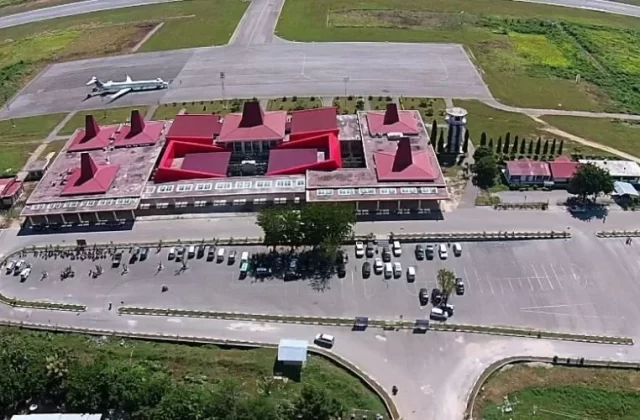
Sumba’s primary airport for private and charter aircraft is Lede Kalumbang Airport (TMC) in West Sumba, also known as Tambolaka Airport. The facility is equipped to handle private planes and features designated aircraft parking space.
Practical Tips
Given the complexities involved, it is highly recommended to work with a professional charter company or let your accommodation handle the logistics. They can navigate the regulations on your behalf, ensuring a smooth and hassle free private arrival.
How to Travel to Sumba from Bali on a Private Vessel
For those who prefer to arrive by sea, chartering a private yacht or phinisi offers an extraordinary way to reach Sumba. However, there is almost no charter infrastructure on Sumba itself. The island’s two working harbours are Waikelo in the west and Waingapu in the east. So, arriving by private vessel puts you in anchorages that see only a handful of boats each year, offering true seclusion.
Good to Know
The best season for a private vessel journey is during the dry season from May to October, with June to September being the prime swell window for surfers.
Regulations and Permits for Operating a Private Vessel
Entering Indonesian waters with a private yacht requires specific permits and documents. You will typically need the following documents to operate a vessel in Indonesia:
| Document/Permit | Description |
|---|---|
| Yacht’s Certificate of Registration | Proof of private vessel registration and ownership. |
| Insurance Certificates | Valid insurance coverage for the vessel, including wreck removal. |
| Crew and Guest Lists | Complete with passport details of all persons that will be onboard in Indonesia. |
| Last Port Clearance | From the previous outward clearance port. |
| Ship’s Particulars | Technical details of the yacht and its tendered vessels. |
| Crew Effects | Details of the crew’s possessions of value (mainly electronic), used for temporary customs import procedures. |
| NIL List | Declaration or NILs to certain goods such as firearms. |
| Controlled Drugs & First Aid Kit Contents | To be declared and logged on arrival by customs. |
Getting to Resorts on a Private Vessel
Some resorts, particularly in West Sumba, may have private beach access or anchorage points, but this is not guaranteed. It is essential to confirm docking or anchorage arrangements with your accommodation well in advance.
Booking Helicopter Transfers
Booking a helicopter transfer from Bali to Sumba is a premium service typically arranged through specialised charter companies or directly via the concierge team of luxury resorts. Properties like NIHI Sumba and Haweri Estate can coordinate the entire transfer, from your arrival in Bali to your final destination in Sumba. There is also Air Sumba and other charter companies that offer extraordinary services for independent travelers.
Typical Rates for Helicopter Transfers from Bali to Sumba
The cost varies significantly based on the type of aircraft, the number of passengers, and the specific route. Typical prices can start from approximately $5,000 and go up significantly, depending on the requirements.
Our How to Get to Sumba page has more information about traveling to Sumba on a helicopter charter or private plane.
Important Tips
For commercial flights, booking at least three to eight weeks in advance often yields the best fares.
Always pre-purchase baggage online, as paying at the airport can be substantially more expensive.
Sumba’s weather patterns significantly affect both air and sea travel. Do not forget to check our weather forecast before planning your journey.
Frequently Asked Questions
How far is Sumba from Bali?
The distance between Bali and Sumba is approximately 459 kilometres across the Savu Sea. While this may seem relatively short, the journey time varies dramatically depending on whether you fly or take a ferry. By air, the distance is covered in about 1 to 1.5 hours, while by sea, the journey can take anywhere from 30 hours to several days.
How long is a flight from Bali to Sumba?
The flight from Bali's Ngurah Rai International Airport (DPS) to Sumba takes approximately 1 hour to 1 hour 30 minutes. TransNusa, for example, flies direct from Bali to Waingapu in about 1 hour 30 minutes. Both islands share the same time zone (Central Indonesia Time, WITA, UTC+8), so there's no time difference to adjust for.
Which airlines fly from Bali to Sumba?
Several airlines operate flights from Bali to Sumba's two airports: Tambolaka (TMC) in West Sumba and Waingapu (WGP) in East Sumba. The main carriers include:
| Airline | Destination |
| Nam Air | Daily flights to Tambolaka |
| Batik Air | Daily flights to Tambolaka |
| TransNusa | Direct flights to Waingapu |
How can I get to NIHI Sumba from Bali?
To reach NIHI Sumba, the world-renowned resort on the west coast, you should first fly into Tambolaka Airport (TMC) in West Sumba. The resort can arrange a transfer from Tambolaka Airport directly to the property. The land journey takes approximately 90 minutes through scenic Sumbanese landscapes.
NOTE: NIHI Sumba can also secure return flights for you with your choice of airline.
Can I get to NIHI Sumba by ferry?
Technically yes, but it is not recommended for most travellers. Getting to NIHI Sumba by ferry involves a very long and complex multi-stage journey. The resort itself recommends flying into Tambolaka Airport.
Which options do I have for traveling to Sumba?
Travellers have two main options for getting from Bali to Sumba:
- By Air (Recommended): Flights from Bali to Sumba's two airports take just over an hour. This is the fastest, most comfortable, and most practical option for the majority of travellers.
- By Sea (Alternative): Ferries are available but are very slow and less convenient. This option makes sense for travellers with extra time, tighter budgets, or a specific interest in experiencing long-distance boat travel across eastern Indonesia. Routes involve multiple legs, often via Bima or Kupang.
Are there affordable flights from Bali to Sumba with baggage included?
Yes, there are affordable flight options, though prices vary by airline and season. One-way fares typically range from IDR 1,300,000 to IDR 1,700,000.
Baggage policies differ by airline: Batik Air, Nam Air, TransNusa generally include baggage in the fare (typically 15–20 kg).
What is the fastest way to travel from Bali to Sumba?
The fastest way to travel from Bali to Sumba is by flying. Direct flights take approximately 1 to 1.5 hours, making this the quickest and most efficient option. For those seeking even more exclusivity, private charter aircraft can also fly directly to Sumba from Bali.
Is it worth going to Sumba?
Absolutely. Sumba offers a travel experience vastly different from Bali. Twice the size of Bali, the island is largely undeveloped, featuring rolling green hills, cornfields, rice paddies, and stunning coastlines. It is known for its unique traditional architecture, the animistic Marapu culture, world-class surfing, and a burgeoning luxury resort scene. If you're looking for an authentic, off-the-grid adventure away from crowded tourist spots, Sumba is well worth the journey.
Can I fly from Bali to Sumba on a private aircraft?
Yes, you can. Private charter aircraft are available for hire from Bali (DPS) to Sumba's airports, with Tambolaka (TMC) being the most common destination. This option is ideal for high-end travellers, VIPs, and those seeking to avoid commercial flight schedules. Private charters are particularly worth considering for groups of 6–12 travellers who have budget flexibility. The resort or a professional charter company can handle the logistics and permits required for private flights.