Sumba by Night: A 3-Day Astro-Journey into the Island’s Dark Sky
Sumba is the world's best place to stargaze and here is the perfect itinerary to make the best of it!
A Journey to Your Inner Self through the Stars
When was the last time you saw a sky full of stars? If you live in a big city, the answer is probably “Not recently.” Unfortunately, as our skies get more illuminated, stars slowly fade away. Thankfully, there are still places on earth with dark skies enlightened by innumerable tiny dots — and Sumba is one of them!
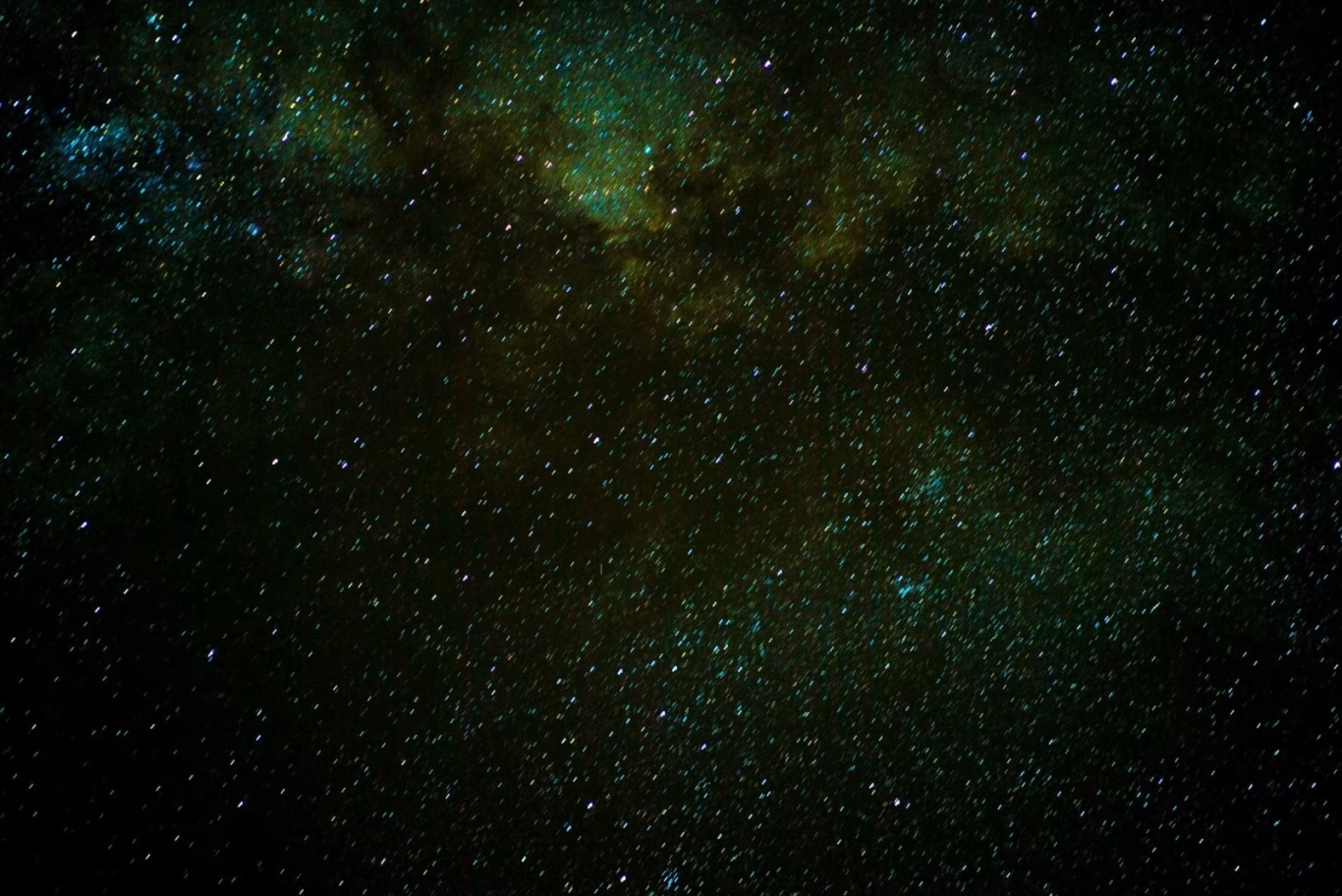
Sumba is the best place to stargaze and one of the world’s top places to see the Milky Way (and photograph it). This itinerary is your chance to take three days off your journey and catch a good night’s sky in Indonesia — a chance to boost your mindfulness and marvel at nature’s hidden gems.
Good to Know
In a September 2026 article, Agoda listed Sumba as one of the world’s top 10 sleep havens for a slow paced travel experience focusing on skygazing and cozying.
Itinerary Details
- 193 km
- 4h 50m
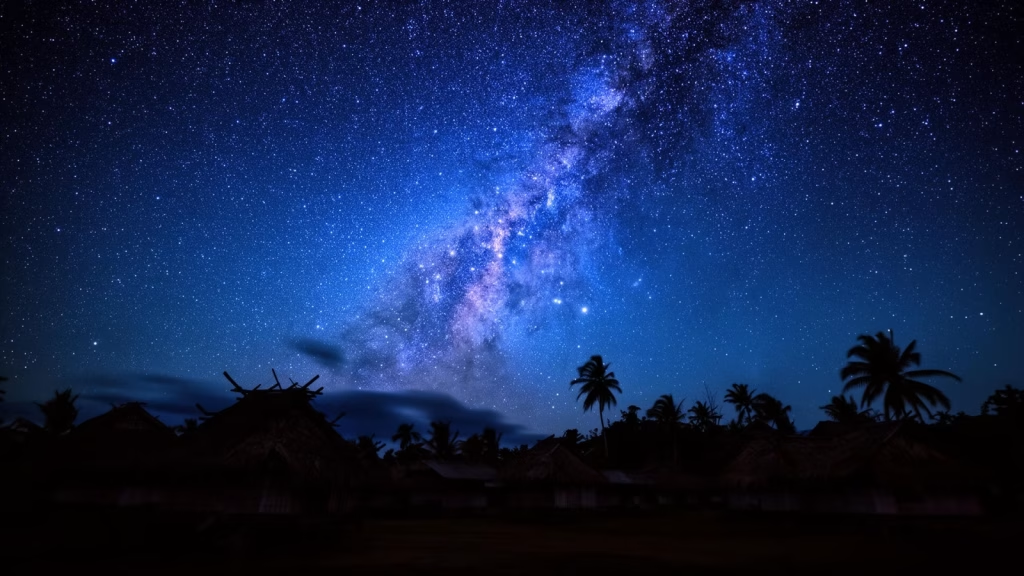
This 3-day trip is your chance to try something out of the ordinary and experience the magic of a starry night. Best of all, its short duration makes it easy to add to a longer itinerary!
Highlights of the Trip
- Diverse Terrains: This itinerary includes a sunset beach, a mangrove beach and a highland mountain range across the island’s both corners. You will enjoy the diversity of Sumba’s terrain and observe the dark sky at distinct settings.
- Photogenic Spots: You will visit Sumba’s most stunning corners, under a very picturesque sky adorned with a myriad of stars and the majestic Milky Way. This is the time to take lots of photos!
- True Mindfulness: A dark night is the perfect time to taste a liberating solitude and focus on your inner self. This is the ultimate opportunity for natural mindfulness. Nothing will feel the same ever again once you sit on top of the Wairinding Hill and watch the starry night.
- Easily Merged into a Longer Trip: Three days are not enough for Sumba at all. Thankfully, this short trip can be easily embedded into a longer one.
Preparations & Requirements
For this trip, you only need a convenient means of transportation. Hiring a driver is typically the safest and recommended way to get around Sumba — especially after dark. Do not self-drive unless you are already experienced driving in Indonesia.
Besides these, just try to enjoy this experience. Stargazing is one of the top things to do in Sumba and you won’t regret this journey!
Route Overview
This Sumba stargazing itinerary will take you to the rugged southwest coast before cutting across central highlands, ending amidst the dramatic grasslands of the east. Follow this comprehensive itinerary to experience Sumba’s most breathtaking nocturnal landscapes and unforgettable stargazing spots!
Day 1: Stargazing on the Pero coast
Your astro-journey begins on Sumba’s southwestern coast, specifically at Pero Beach in Southwest Sumba, one of the island’s most famous beaches. Renowned for its dramatic rock formations, powerful waves, and traditional fishing boats, this coastal destination is the best dark-sky destination out there.
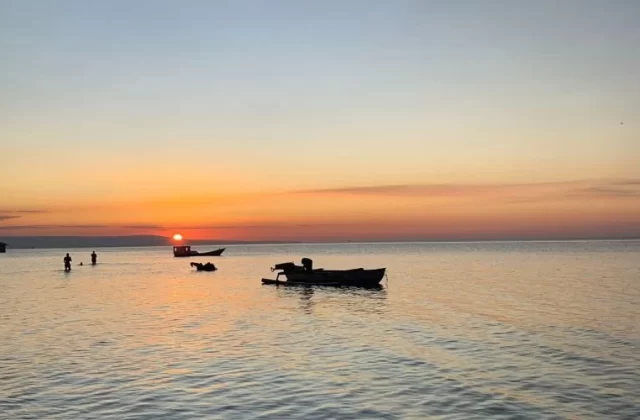
If you arrive in the late afternoon, you can witness a stunning sunset before the surroundings fully transition into the darkness of night. Because the area faces the open ocean and lies far from major urban developments, light pollution here is exceptionally low.
As night falls, the crashing waves play a rhythmic backdrop to the vast canopy of stars overhead. Rocky cliffs along the shoreline offer dramatic foreground silhouettes for night photography enthusiasts looking to capture the Milky Way reflecting over the Indian Ocean.
You can stay at nearby accommodations in Tambolaka or at local eco-lodges for a safe and convenient return after a long night of stargazing.
Accommodation Near Pero Beach
There are many resorts and hotels near Pero Beach. You can find a suitable one for your trip and spend the night there. Remember that booking in advance is essential.
Day 2: Watch the Highland Horizon at Wairinding Hill
On the second day, your route shifts inland and eastward towards the iconic Wairinding Hill. By day, the site offers panoramic views of Sumba’s distinctive topography; by night, however, the hill transforms into a vast, open-air amphitheater for stargazing. The journey will take 2 to 3 hours, depending on where you stay — leave around noon for the best journey.
Wairinding is tall and in an open landscape free from trees, mountains or anything that can obstruct your view. On top of the hill, you will have a true 360 perspective of the night sky. As you can imagine, there’s virtually no light pollution and the celestial sphere is remarkably vivid. Turn off your phone, lie back on the grassy slopes and trace constellations with the naked eye.
Accommodation Near Wairinding
Although Wairinding does not have resorts, you can drive for approximately 30 minutes to an hour to reach Waingapu, the perfect base for the third day of your trip with lots of hotels.
Practical Info
Arrive before dusk to secure a safe vantage point along the ridge before nightfall fully sets in. No light around — be careful where you step.
Day 3: Coastal Mangroves and the Night Sky at Walakiri Beach
The final leg of this trip takes you to Walakiri Beach, located just a short distance from the town center of Waingapu.
Walakiri is renowned for its unique mangrove trees standing in the calm, shallow coastal waters — they look like dancing figures with their twisted branches and distinct appearance. While famous for its sunset views, the beach becomes a serene, surreal wonderland once the sun has fully set.
The shallow waters at the beach create a stunning spectacle during the low tide — the sea turns into a mirror, reflecting the cosmos. The silhouettes of the twisting mangrove trees offer a stunning contrast against the star-studded backdrop. There is no better scenery to marvel at. Don’t forget to take photos!
You will conclude the three-day journey here. This small pilgrimage will leave you with a profound appreciation for the island’s pristine natural environment and the gorgeous night sky.
Accommodation Near Walakiri Beach
nighWalakiri Beach is very close to Waingapu, where you can find lots of hotels, guesthouses and homestays. Alternatively, the coastline houses various resorts and hotels. You will face no difficulty at all finding a good place to stay.
Tips for This Itinerary
- Monitor the Moon Phase: Plan your trip during the new moon phase or when the moon rises late at night to maximize visibility of faint stars and the Milky Way.
- Use a 4WD Vehicle: Navigating Sumba’s rural and coastal roads at night requires a rugged four-wheel-drive vehicle, as unpaved terrain and steep inclines are common.
- Avoid Night Driving Hazards: If you decide to drive yourself, drive slowly and stay alert after dark — rural roads lack street lighting, and livestock often sleep directly on the warm asphalt.
- Bring Warm Clothing: Savanna ridges and coastal beaches can become very windy and cold after midnight, making a jacket or blanket essential for extended stargazing sessions.
- Pack Self-Sufficiency Gear: Bring a headlamp with a red-light mode to preserve your night vision, and carry sufficient water and snacks, as remote locations lack shops that stay open late.
The sky over Sumba
A live chart for this latitude, with the moon, the dark window, and what is worth looking up for.
Sat 31 Oct · 19:11 WITA
Your time appears here.
Drag the chart to look around. Scroll to zoom. South is where the Milky Way sits in season.
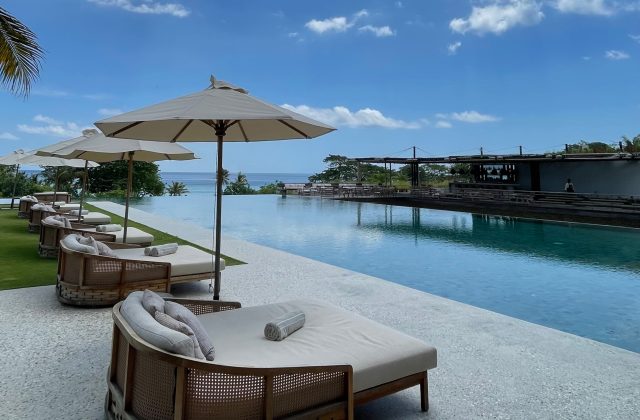
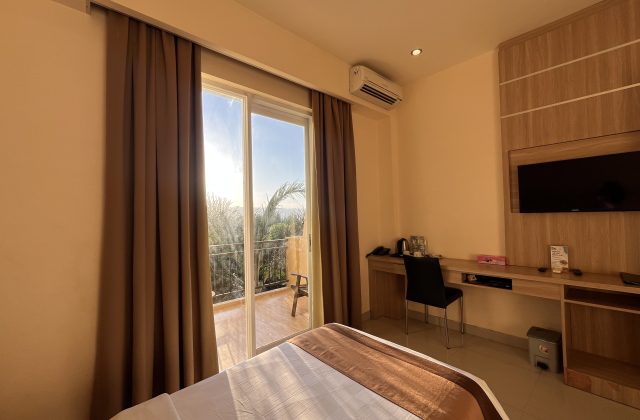
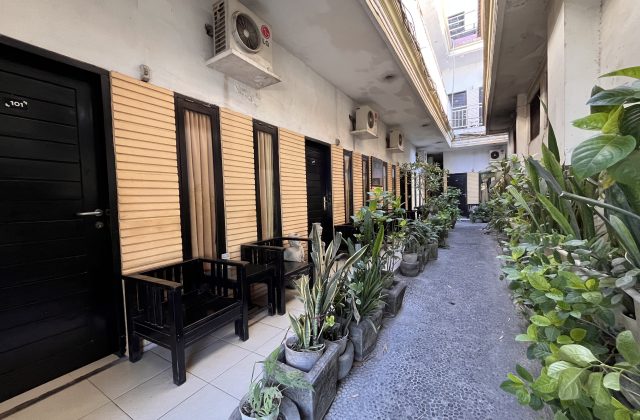
Hand-Picked Stays for This Itinerary
Frequently Asked Questions
When is the best time of year for stargazing in Sumba?
The best time is during the dry season, from May to October. The skies are consistently clear with minimal cloud cover, offering the sharpest views of the stars.
Is it safe to visit these remote locations late at night?
Yes, it is generally safe, but it is highly recommended to travel with a local guide or driver. They provide invaluable navigation assistance on unlit roads and ensure respectful interactions when near local traditional villages.
Can I see the Milky Way with the naked eye from these locations?
Absolutely. Due to Sumba's remote geography and limited infrastructure, locations such as Wairinding Hill and Pero Beach boast incredibly dark skies, allowing the Milky Way's galactic core to be clearly visible to the naked eye during clear, moonless nights.
Can I reverse this itinerary?
Of course! This three day Sumba stargazing itinerary works both ways. If you are staying near Waingapu, you can start from Walakiri and travel towards the west!