One of the things which make Sumba such a good place to visit is that it’s not Bali—decidedly not. Whereas Indonesia’s best-known island welcomed just under 7 million foreign visitors in 2025, lower-profile Sumba is estimated to have received just 15,000–25,000, despite its being twice as big. Accordingly, an unhurried sense of space prevails, with wild coasts, vast savannas, intact tribal traditions and undeveloped beaches awaiting instead of shopping malls, stress or traffic jams. For once, tourism isn’t the dominant force.
Compared to Bali, Lombok or other Indonesian destinations, slow-paced Sumba also stands out for its sensational surfing, its welter of waterfalls and its array of proposal-worthy sunset spots. Including those, here are seven reasons to book a flight here.
1. Sumba’s cultural landmarks are like nothing you’ve ever seen
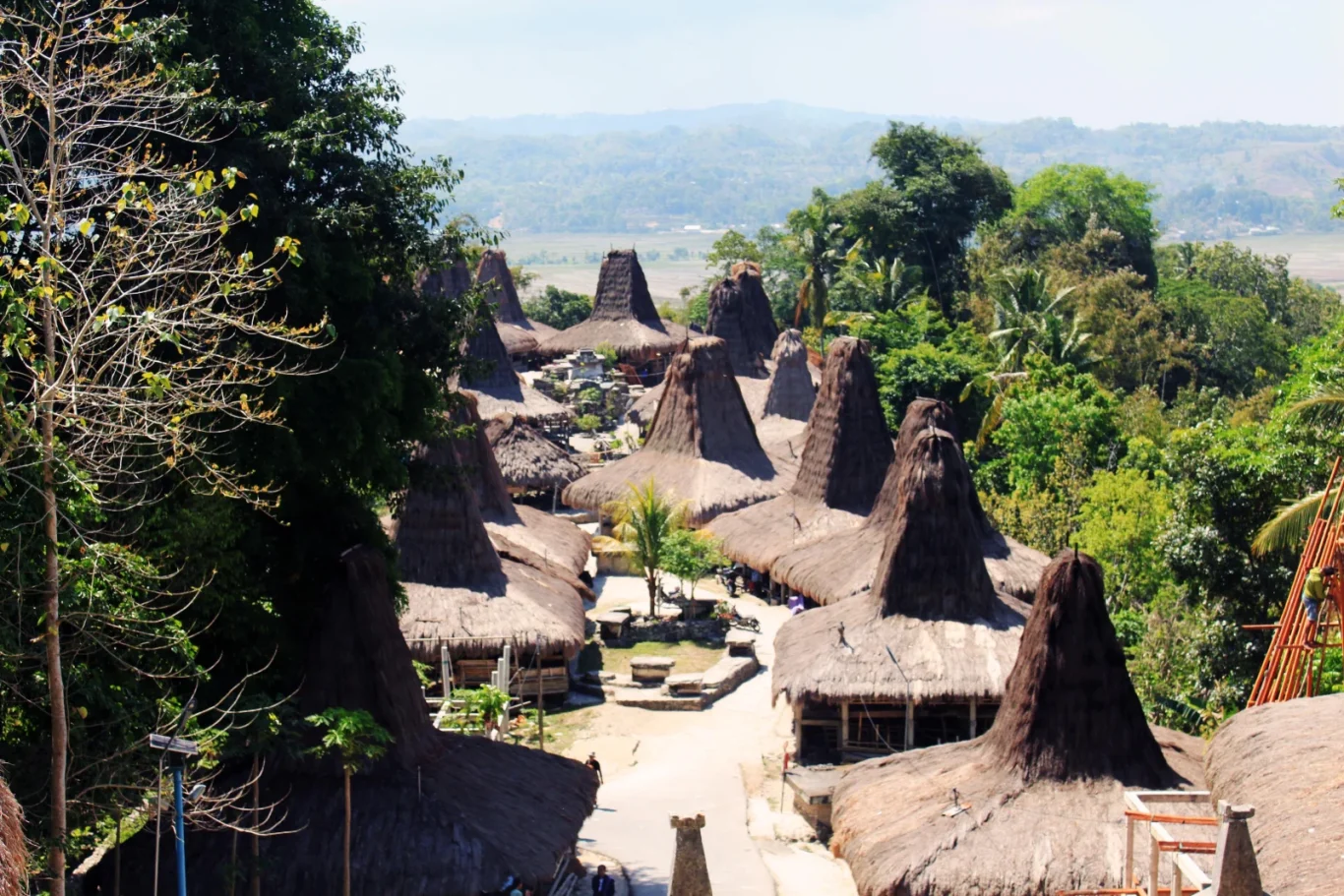
Unlike Hindu or Muslim-dominated islands elsewhere in Indonesia, an indigenous, animist Marapu belief system endures on Sumba. Closely tied to ancestral spirits, it is most evident in the many still-traditional villages whose thatched uma houses, with their central, witches’-hat peaks, are precisely arranged around a plaza where massive, megalithic tombs uphold a 4,500-year-old tradition.
Perhaps the most striking example is Ratenggaro, a southwestern village whose towering houses, some 25 meters high, flank roughly 300 stone tombs. Marapu rituals regularly take place here; while visiting, you can also meet ikat-weaving locals and relax on a neighboring, white-sand beach popular with wild horses.
2. Sunsets are more dramatic in Sumba
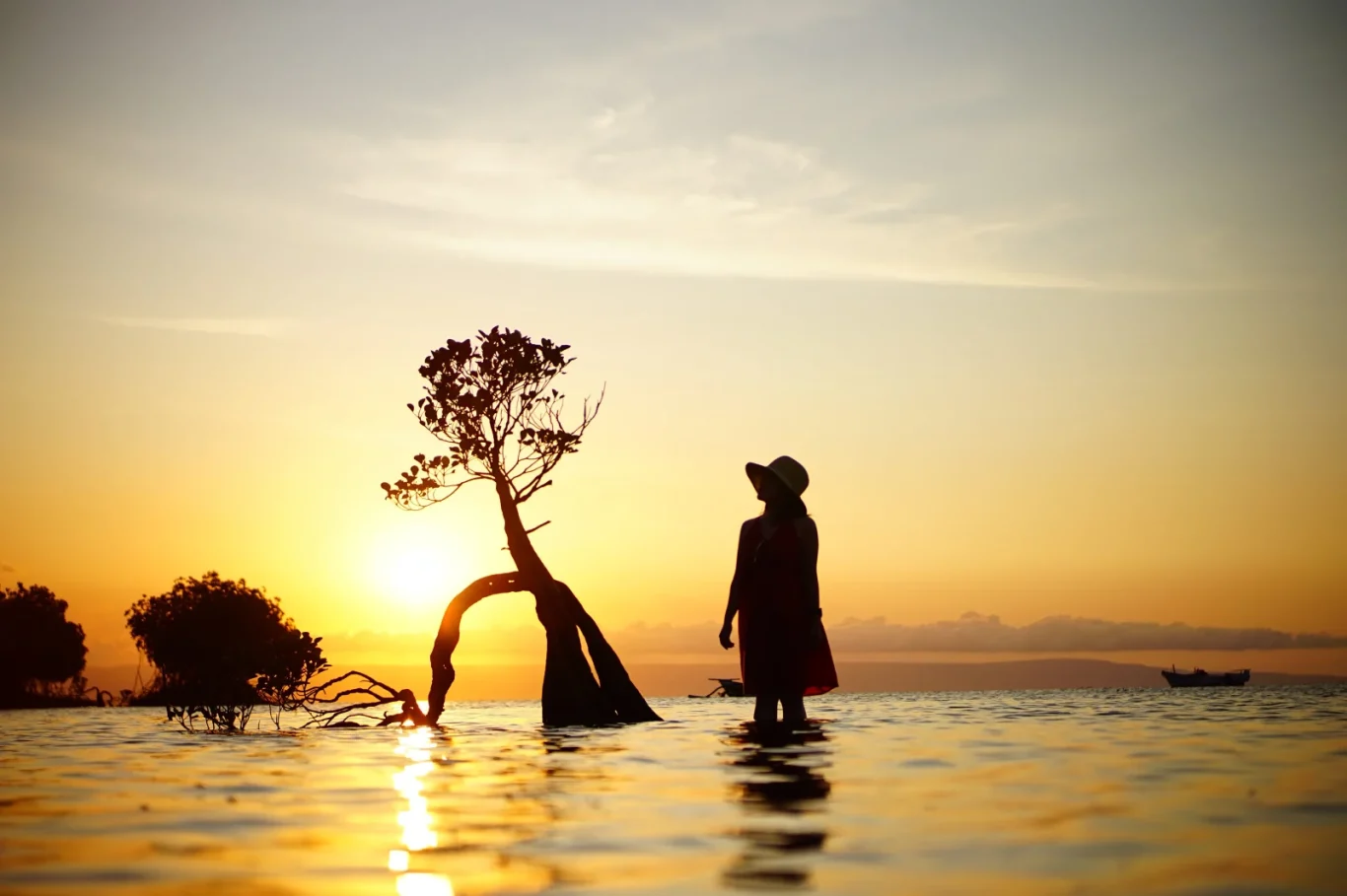
Inland Sumba is characterized by rolling hills covered in sprawling grasslands, while secluded coves and empty, white shores line its fringes. With wide-skied views a constant, and industrialization scarce, you’ve got the recipe for astonishing and oh-so-romantic sunsets.
Popular beach spots include Walakiri, with its ‘dancing’ mangroves, and Mananga Aba, whose scattered driftwood and silhouetted trees belie the fact that the town of Tambolaka is just 15 minutes away.
For maximum goosebumps, head to Lendongara hill. Tens of other mounds stretch away from here, with villages and twinkling seas also visible as the horizon turns pink and purple.
3. Sumba is one of the last places to view a dark sky
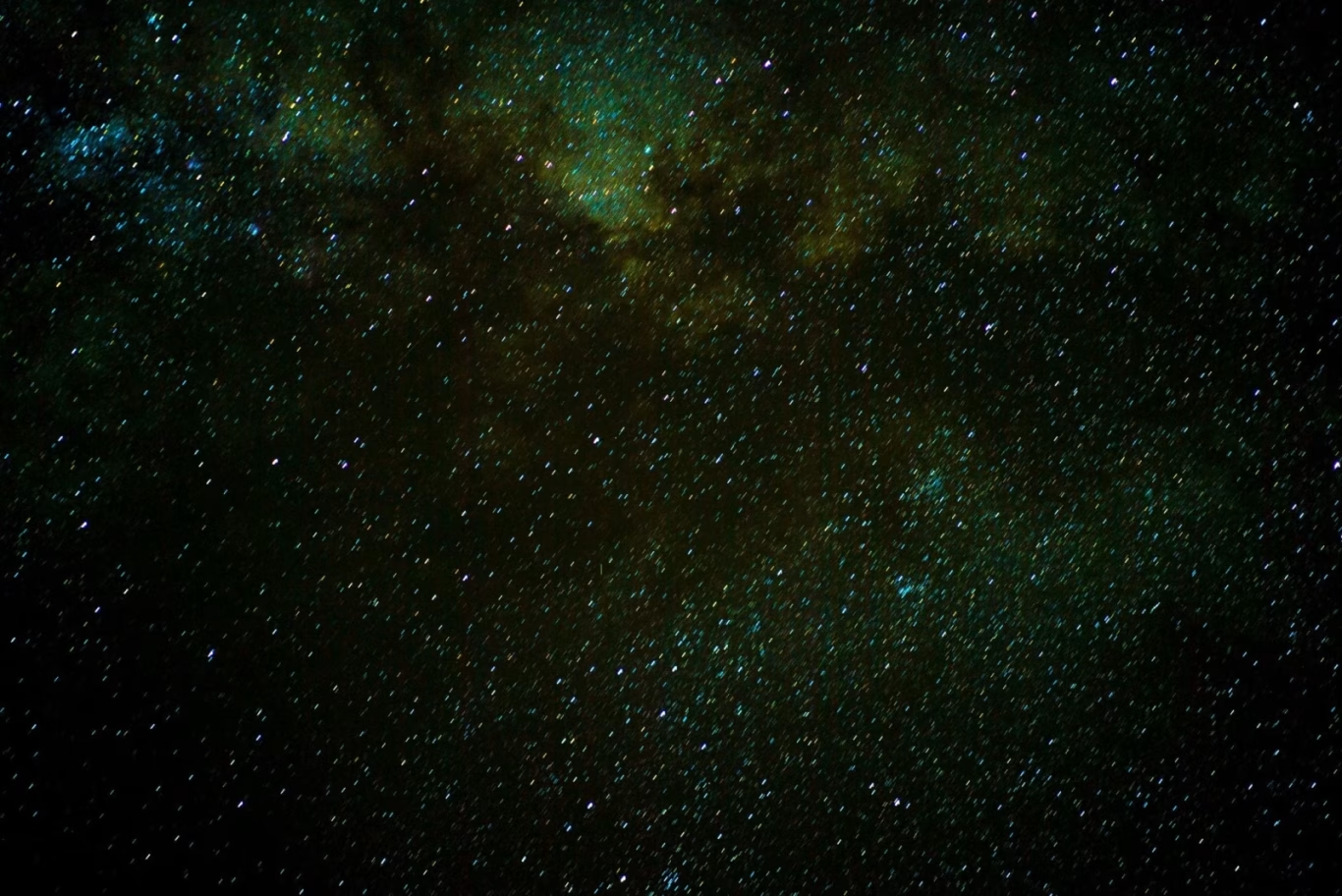
Naturally, that same combination of wide open landscapes and little development also equates to top-notch stargazing. The absence of artificial light pollution helps no end, too. Dry season, from April to October, delivers prime conditions.
Tarimbang Beach, a far-flung crescent on the southeastern coast, is one of a host of dreamy dark-sky locations dotting Sumba. Bring a blanket, plus perhaps some hot chocolate, and lie supine. Your eyes will soon find the Milky Way, all milky dust and swirls, beside an explosion of stars and other galaxies—more than you ever imagined.
4. Sumba has distinctive food
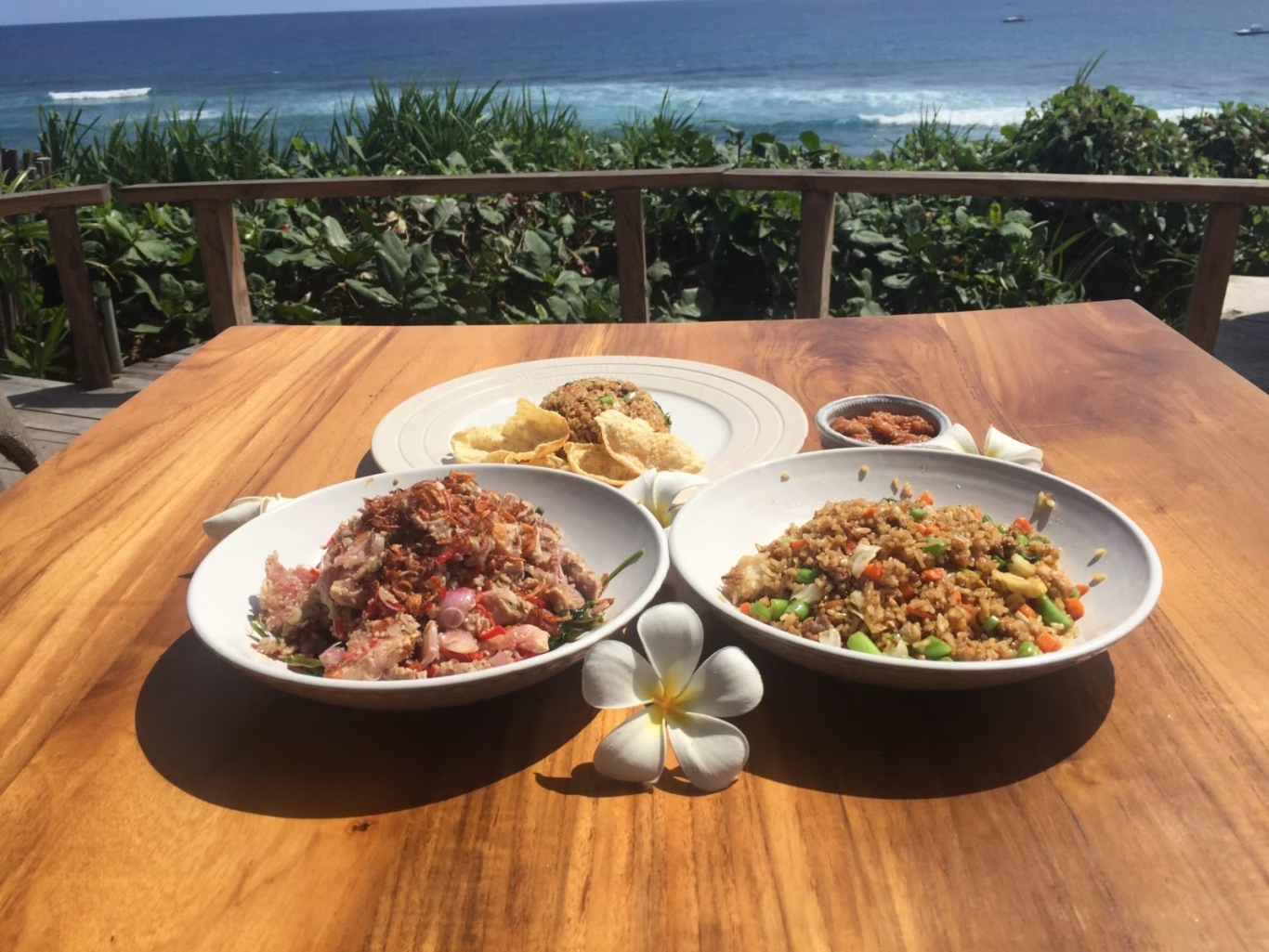
Although quite simple, with rice and corn almost omnipresent, Sumbanese cuisine is milder and more appealingly ‘local’ than on other, fusion-mad Indonesian islands. Young coconut, cassava, cashews and tropical fruits such as soursop are prolific, while villagers reliably offer bitter betel nuts as a sign of hospitality.
Aim to try du’e, the sweet sap of sugar-palm flowers, and chocolatey Kopi Sumba coffee. Meal-wise, you might eat grilled fish at beachside warungs (stalls) or enjoy traditional villages’ ceremonial, fire-cooked buffalo. A dish to definitely seek out is Ayam Panggang: free-range chicken marinated in candlenuts, coriander, and galangal, then slowly grilled to deep-flavoured perfection.
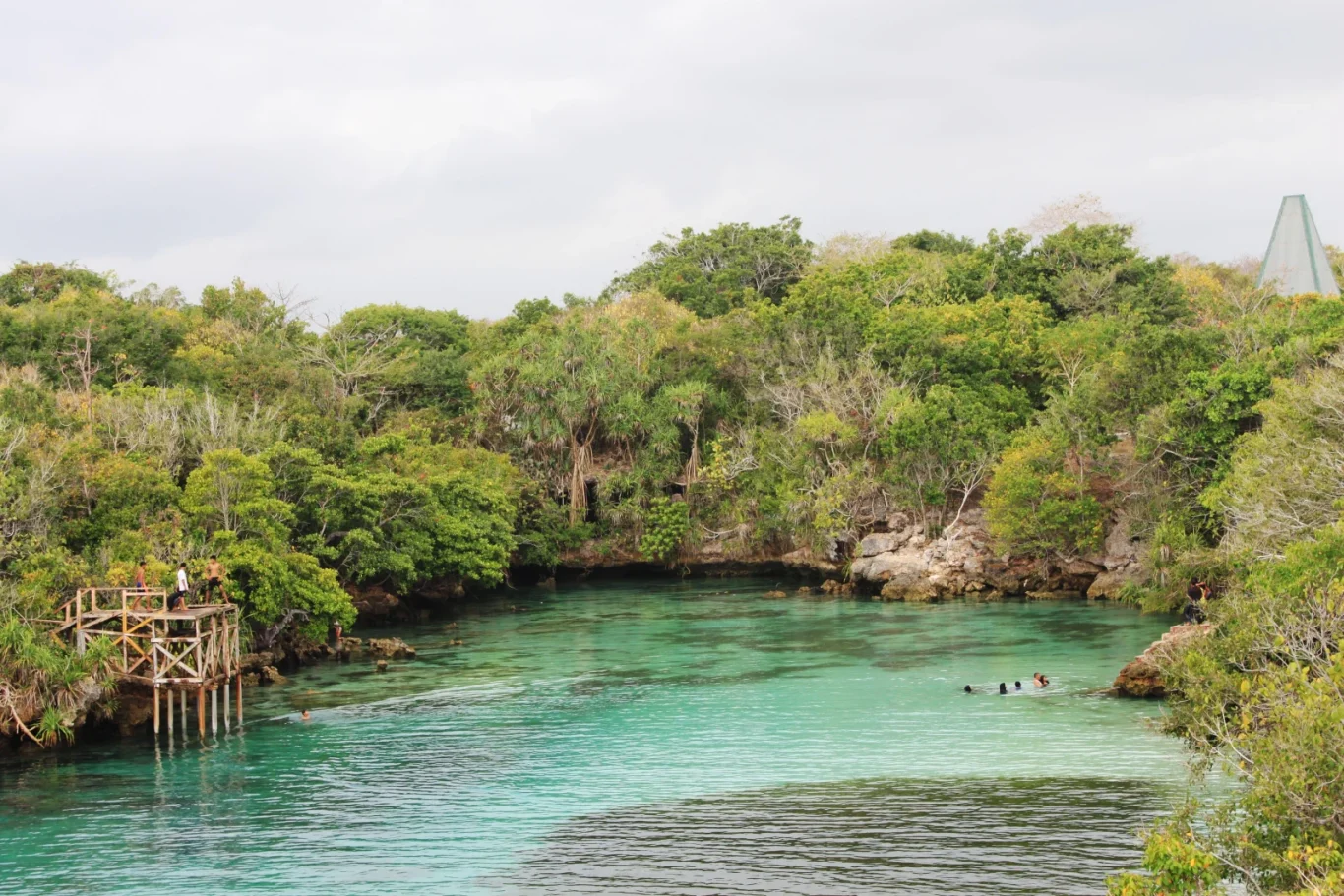
5. You can be the first person to discover hidden waterfalls and lagoons
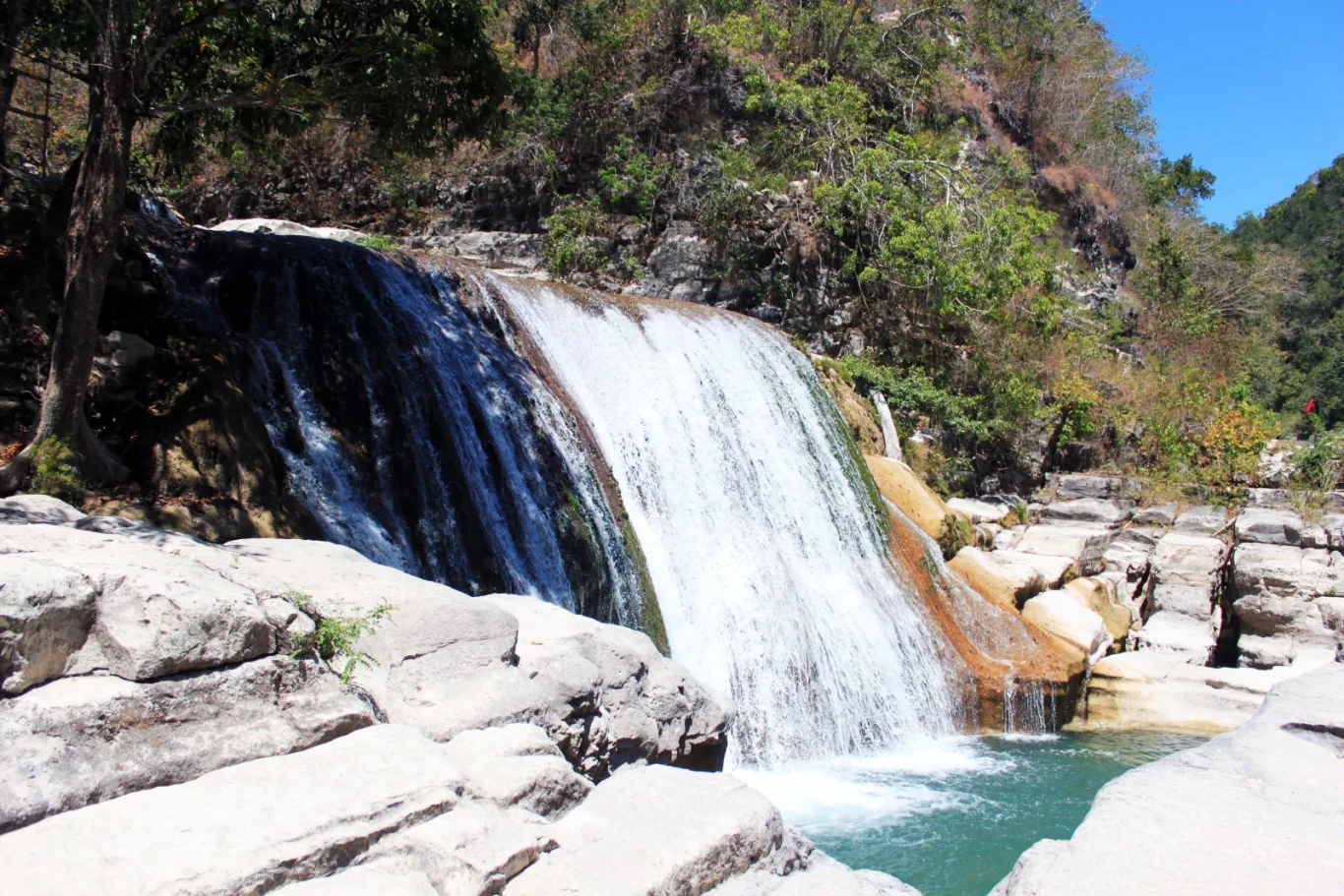
It says everything about Sumba that some of its waterfalls haven’t even been properly mapped yet, so far-flung are they. One which remains relatively ‘undiscovered’ is the southwesterly Waimarang Waterfall. Reached via a steep and often slippery 15-minute rainforest trek, its main pool—like a smaller sister one accessible with some scrambling—is enclosed by high rock walls, dreamily turquoise and truly memorable to bathe in.
Lapopu, with its multiple tiers, and the canyon-set Tanggedu are beautiful too, but busier. The good news is that you’re always close to a waterfall on Sumba — and usually to one with nobody else around.
6. Sumba’s surf scene is nothing like other places
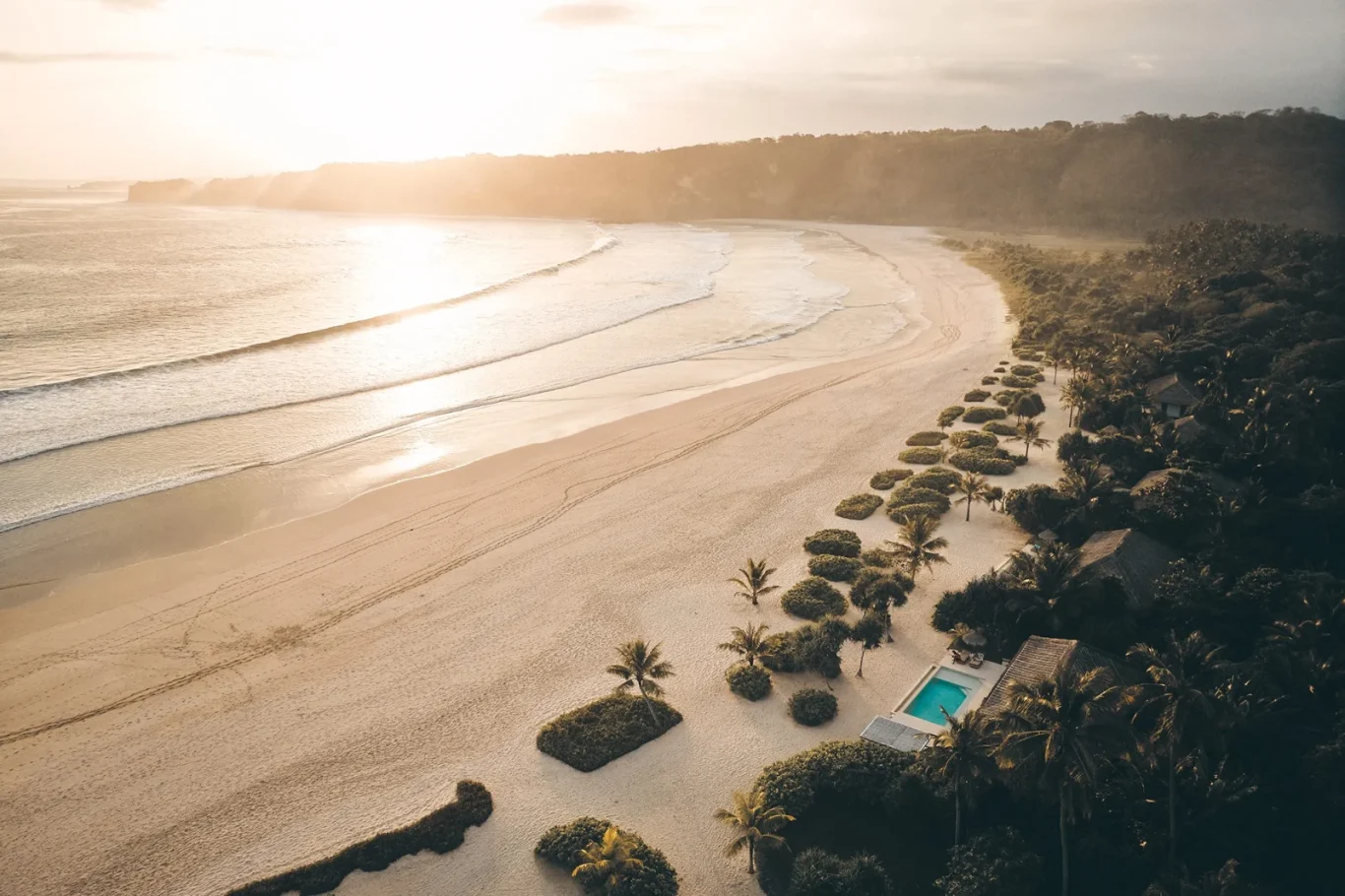
Unlike other surf hotspots, Sumba doesn’t deliver boisterous beach bars, crowded schools and heavily congested line-ups. You won’t even find specialty shops — only some resort shops. Instead, aided by a helpful, friendly surfing community, the island’s multiple breaks have a raw feel, even at the spot whose numbers are strictly regulated.
That is Occy’s Left, one of the many lefts for which Sumba is renowned. As enforced by NIHI Sumba, an adjacent luxury eco-resort, just ten surfers per day can tackle this legendary, demanding wave—made famous in Australia by 1992’s The Green Iguana movie—to ensure an uncrowded feel.
7. This is your chance to visit it before everyone else does
In tourism terms, Sumba is effectively where Bali was decades ago—explaining why a host of organizations are trying to preserve its singular charms, traditions and innocent feel. The likes of the Sumba Foundation and the Sanubari hotel run English or hospitality training programs for locals, while sustainable tour operators support community efforts financing clean-water projects, forest regeneration, school supplies, medical kits and more.
Nevertheless, there remains a fear that tourism will grow significantly in the coming years—too fast, and too unchecked. That’s why you’re far better off visiting Sumba right away, before crowds and development possibly descend.
Conclusion
For now, Sumba remains amazingly low-profile among Indonesian travel destinations, despite its sunsets, surf, waterfalls and wondrous stargazing. So come now to have those star turns largely to yourself; come now while Sumba is still Sumba.