Birdwatching in Sumba: Explore Endemic Beauties
Explore the colorful plumage dominating every corner of this paradisiacal land.
Vibrant Plumage in Paradisiacal Diversity
Sumba has recently become a very popular destination among birdwatchers. Its preserved nature and diverse wildlife are what distinguishes birdwatching on this island from a casual stroll with binoculars. For birdwatchers, Sumba offers something increasingly rare: the chance to observe species that have never been photographed outside this single island. More than 200 bird species have been recorded here, with at least 26 endemic to the island. This guide will dive into the basics of birdwatching in Sumba; scroll to dive deeper!
Grab the Right Gear
Essentials make the difference. Carrying the right gear on a birdwatching trip is the single most important thing. Below is a list of the key equipment you must have:
- Binoculars with good low-light performance,
- A telephoto lens,
- Lightweight, long-sleeved shirts and trousers,
- Sturdy footwear,
- A portable power bank.
Patience Is the Key
Patience is the most important piece of equipment. Some species, like the Sumba Buttonquail, may require hours of quiet waiting in grassland before making an appearance.
Might Be Interesting
Getting a Guide vs. Solo Excursions
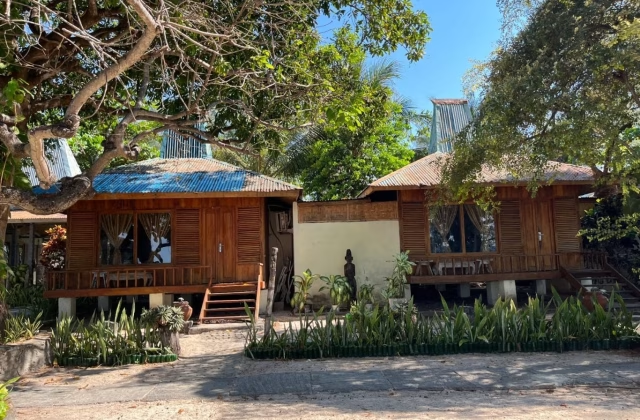
Getting a guide or going solo? This is the question. In Sumba, the recommended, and the most common, way is to get a guide who knows how to spot birds. Seasoned travelers who are familiar with Sumba can try going on a solo trip, but it is recommended against. You can either get a resort guide or find a local guide through online platforms.
| Pros | Cons | |
|---|---|---|
| Resort guides |
|
|
| Local Guides |
|
|
| Solo trip |
|
|
Solo Trip Is Only for Seasoned Travelers
Sumba is not a place for inexperienced solo birdwatchers. Do not go birdwatching without a guide if it’s your first time.
How to Find a Guide in Sumba
You can contact your resort to arrange a guide for you. Alternatively, you can join Facebook groups to find a local group.
Where to Find Birds
Sumba’s birdwatching locations fall into distinct ecological zones. Each region holds a different subset of the island’s endemic species.
We can separate the top birding spots of Sumba in four distinct locations, each with their own unique fauna:
| Birdwatching Area | Highlight | Key Species |
|---|---|---|
| Manupeu Tanah Daru National Park | 87 species | Sumba Hornbill Citron-crested Cockatoo Apricot-breasted Sunbird Sumba Green Pigeon Red-naped Fruit Dove Sumba Flycatcher Sumba Brown Flycatcher |
| Laiwangi Wanggameti National Park | 115 species | Citron-crested Cockatoo Sumba Hornbill |
| Kadumbul and Yumbu Grasslands | Grasslands species | Sumba Buttonquail Horsfield’s Bush Lark Brown Quail Zebra Finch Pied Bush Chat |
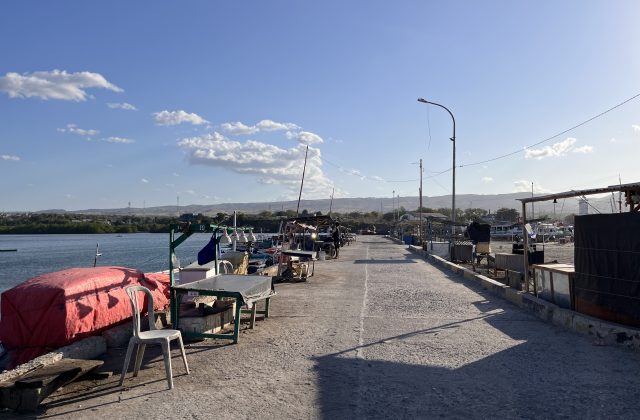
| Coastal Areas and Mangroves | Waterbirds in action | Beach Thick-knee Great-billed Heron |
Manupeu Tanah Daru National Park Is Recommended
Manupeu Tanah Daru National Park covers a large area with many bird species. The park’s close proximity to popular resorts make it the go-to spot for first-timers.
Bird Species of Sumba
Sumba’s endemic birds represent a remarkable evolutionary story. Each species has adapted to the island’s specific conditions, from its seasonal rainfall patterns to its unique forest composition. The following species represent some of the most sought-after endemics.
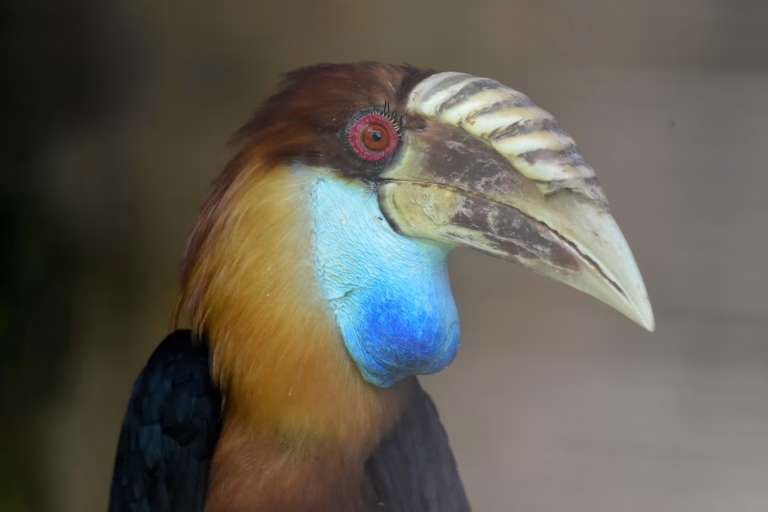
Sumba Hornbill (Rhyticeros everetti)
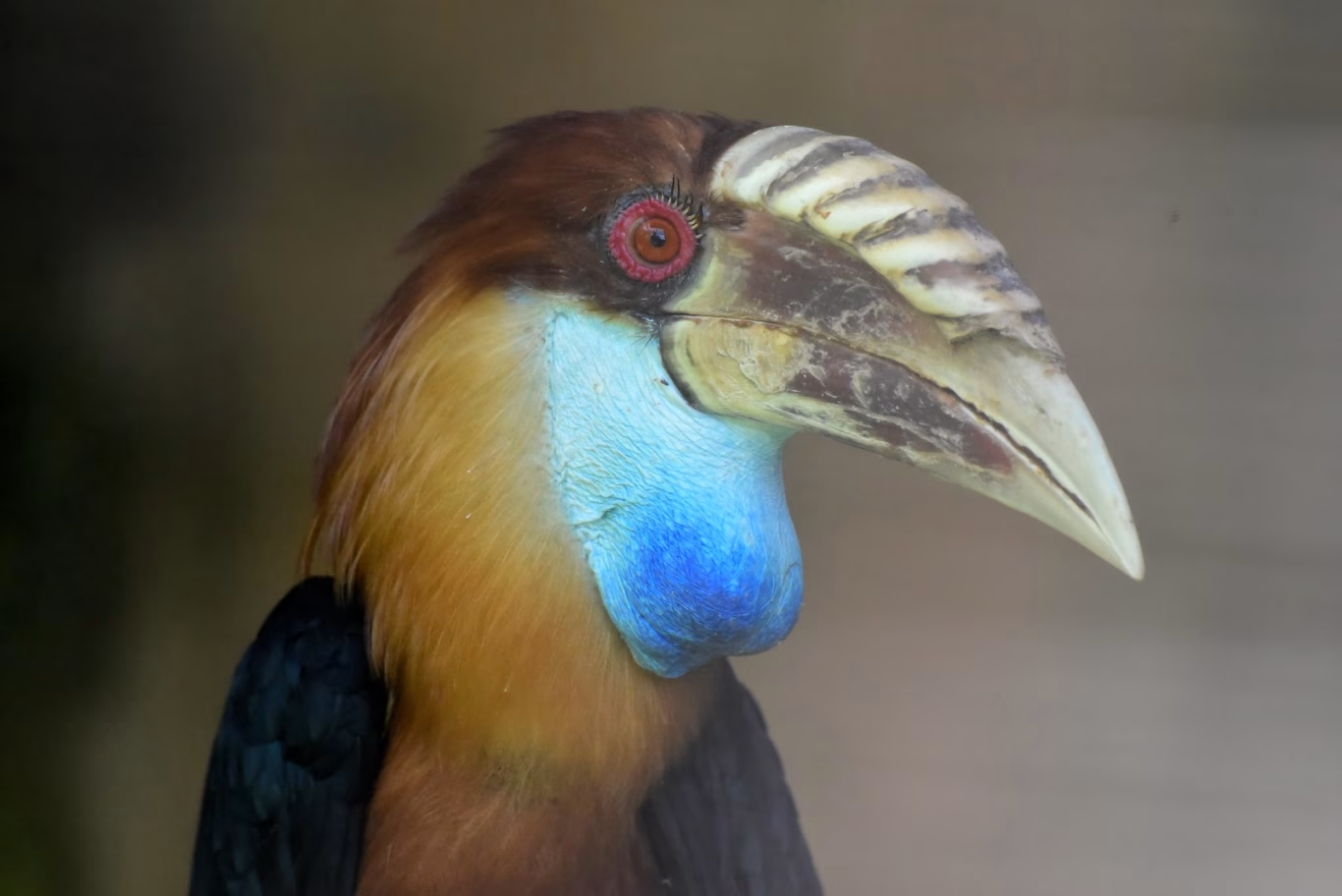
The Sumba Hornbill (locally known as Julang Sumba) is the island’s most iconic bird. They play a crucial ecological role as seed dispersers. Classified as endangered due to habitat loss and slow reproductive rates.
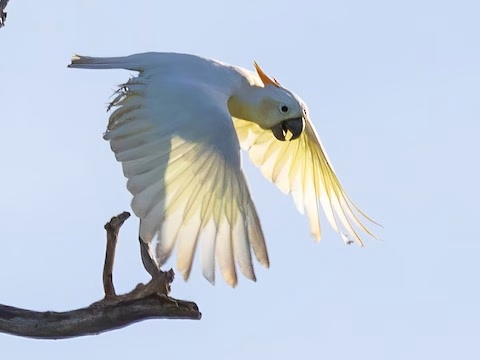
Citron-crested Cockatoo (Cacatua citrinocristata)
A critically endangered species, citron-crested cockatoos are among Sumba’s hole-dwelling birds. They stand out with their bright orange-yellow crest feathers.
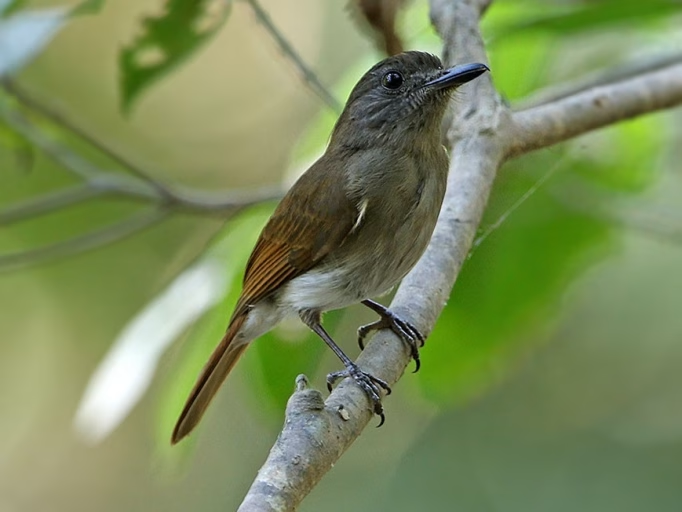
Sumba Warbling-flycatcher (Eumyias stresemanni)
A species endemic to Sumba, Sumba Warbling-flycatcher has an estimated population of 50,000 to 99,999 mature individuals. It remains classified as least concern despite its restricted range.
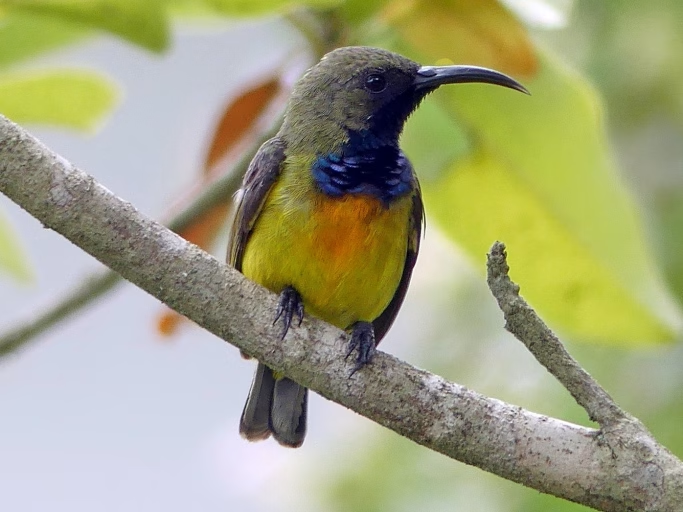
Apricot-breasted Sunbird (Cinnyris buettikoferi)
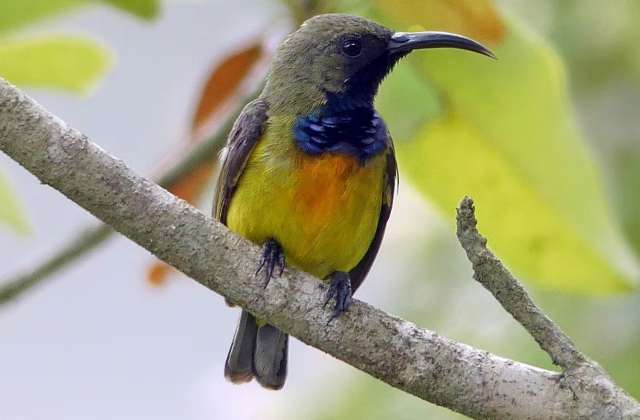
This sunbird is named for the male’s striking apricot-orange chest, which contrasts with iridescent blue and green plumage. It is found in forests, gardens, and flowering trees across the island.
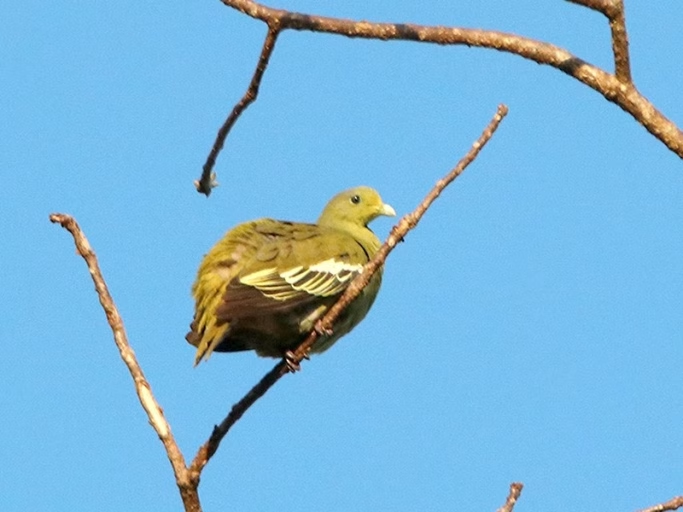
Sumba Green Pigeon (Treron teysmannii)
This pigeon is endemic to Sumba and classified as near threatened. Sumba Green Pigeon tolerates habitat degradation and can be found in disturbed areas with tall trees. It occurs at all altitudes and feeds on fruits in the forest canopy.
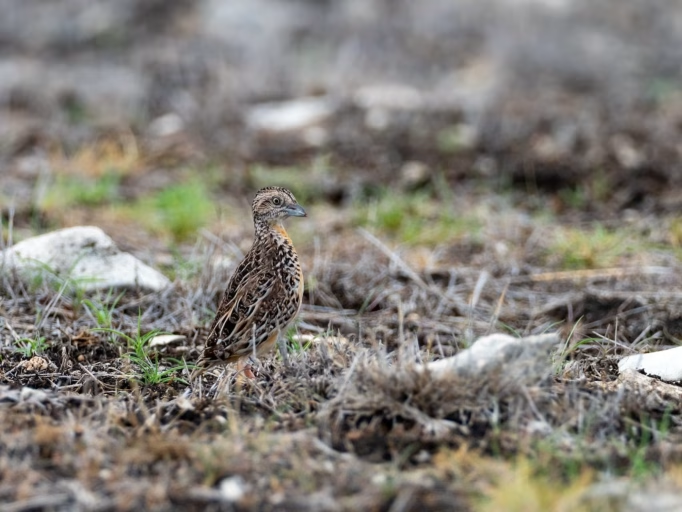
Sumba Buttonquail (Turnix everetti)
Sumba’s only non-forest endemic, this ground-dwelling bird inhabits open grasslands. It is elusive by nature. Birdwatchers typically locate it by flushing it accidentally. The species is rarely seen well, and its population status is poorly known.
The Future of Sumba’s Birds: A Delicate Balance
To understand what is at stake on Sumba, one must view the island not as a static museum of endemics but as a dynamic ecological system under accelerating pressure. Academic assessments over the past two decades have consistently identified three primary drivers of decline: deforestation, illegal wildlife trade, and the synergistic effects of nest cavity scarcity. Each factor alone would be concerning; together they form a cascade that threatens to undo millions of years of evolutionary history.
Recent Attempts and New Solutions
Conservation on Sumba has entered a new phase. Government-managed national parks now protect core forest areas, and NGOs have established community-based conservation programs that engage villages in habitat protection and nest monitoring. Yet the challenges remain formidable.
For the visiting birdwatcher, this complexity is not cause for despair but for engagement. A trip to Sumba can be more than a tick on a life list; it can be an opportunity to contribute to local economies that are choosing conservation over exploitation. The birds of Sumba have survived millennia of isolation, volcanic eruptions, and climatic shifts. With informed and responsible stewardship, they will continue to fly over these savannas and forests for generations to come.