The digital nomad lifestyle offers freedom, flexibility, and plenty of opportunities for adventure. But, like any adventure, it also comes with some important decisions — the biggest is choosing where to live.
There are countless destinations around the world, but Asia, particularly Indonesia, is emerging as a favorite for remote workers. With its mix of tropical islands and vibrant cities, Indonesia offers an appealing combination of affordability, lifestyle, and opportunities to explore. Among its many destinations, five stand out as particularly promising places for digital nomads in 2027. Let’s take a closer look at what makes each one worth considering.
1. Sumba Island
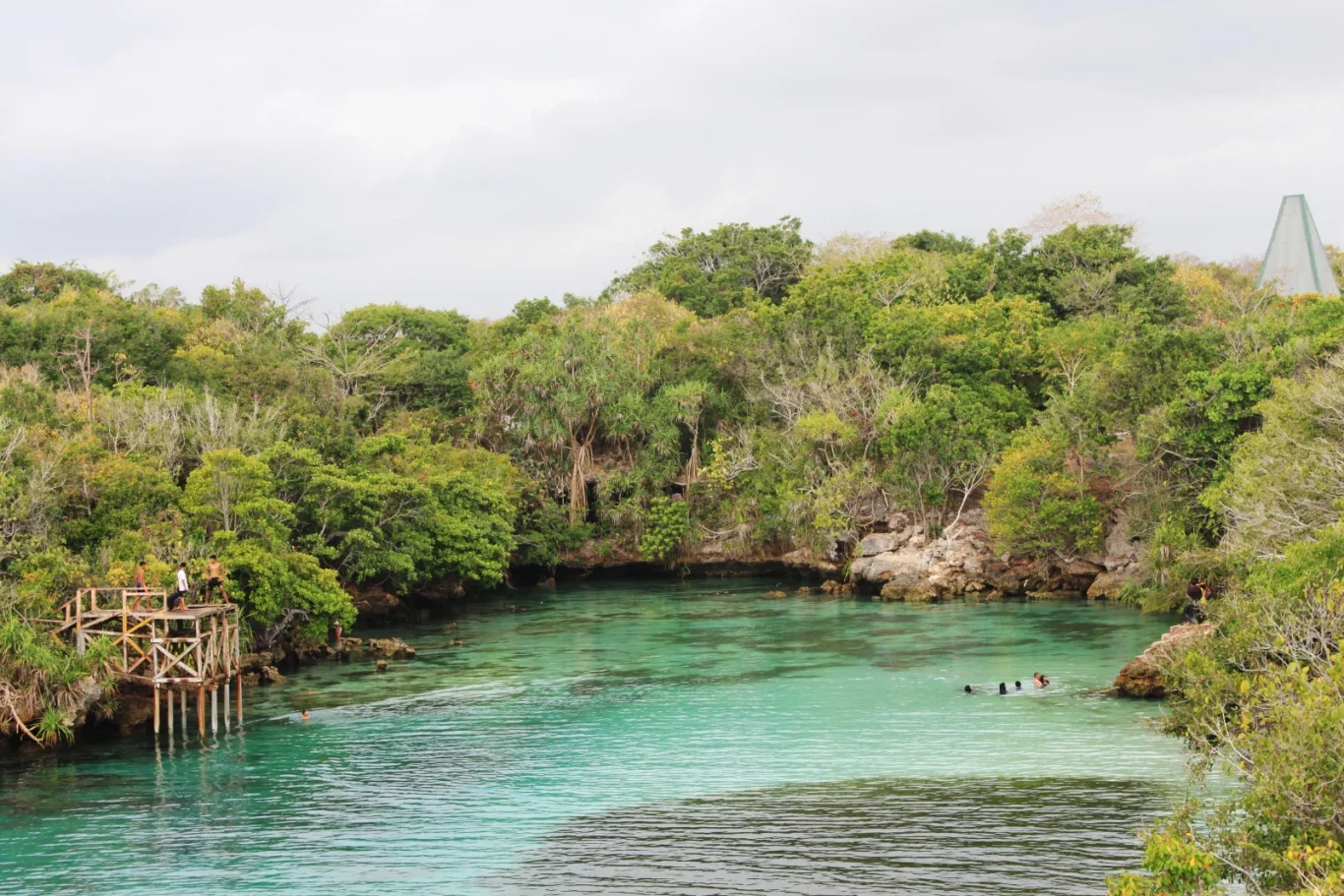
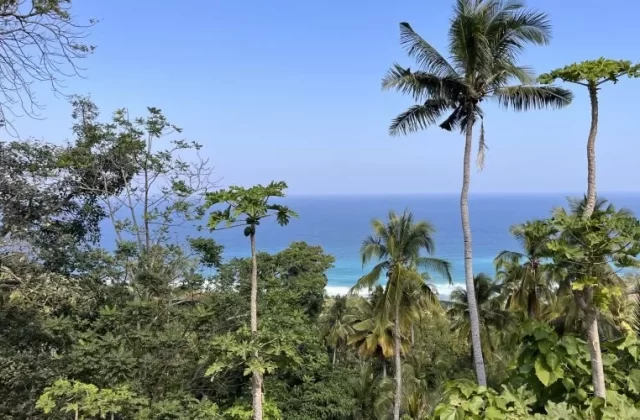
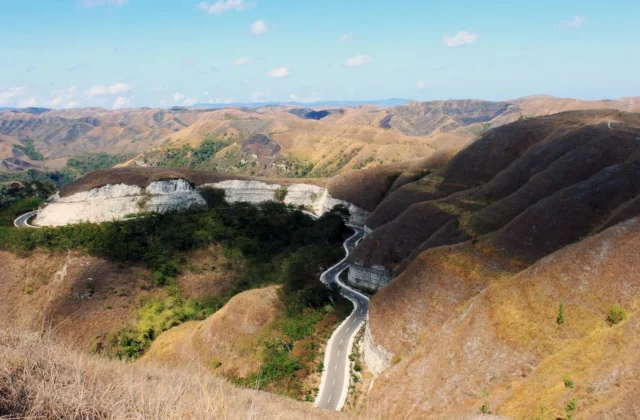
Sumba is perhaps the best digital nomad destination of 2027. The island is very peaceful, with empty beaches and gorgeous natural wonders that are hidden within the island’s secluded nature. With an ever-growing number of hotels and resorts, Sumba has plenty of amenities for remote workers.
The island was once overshadowed by better-known Indonesian destinations, especially Bali. However, its off-the-beaten-path appeal gradually became one of Sumba’s biggest selling points — it’s now widely recognized as a quieter alternative to more established tourist hubs.
Finding a place to stay in Sumba is relatively straightforward. From affordable guesthouses and homestays to high-end resorts offering more comfort and amenities, there are endless options for different budgets and preferences. While the island doesn’t have large shopping malls or department stores, convenience store chains are widely available, making it easy to pick up everyday essentials.
Might Be Interesting


2. Flores Island
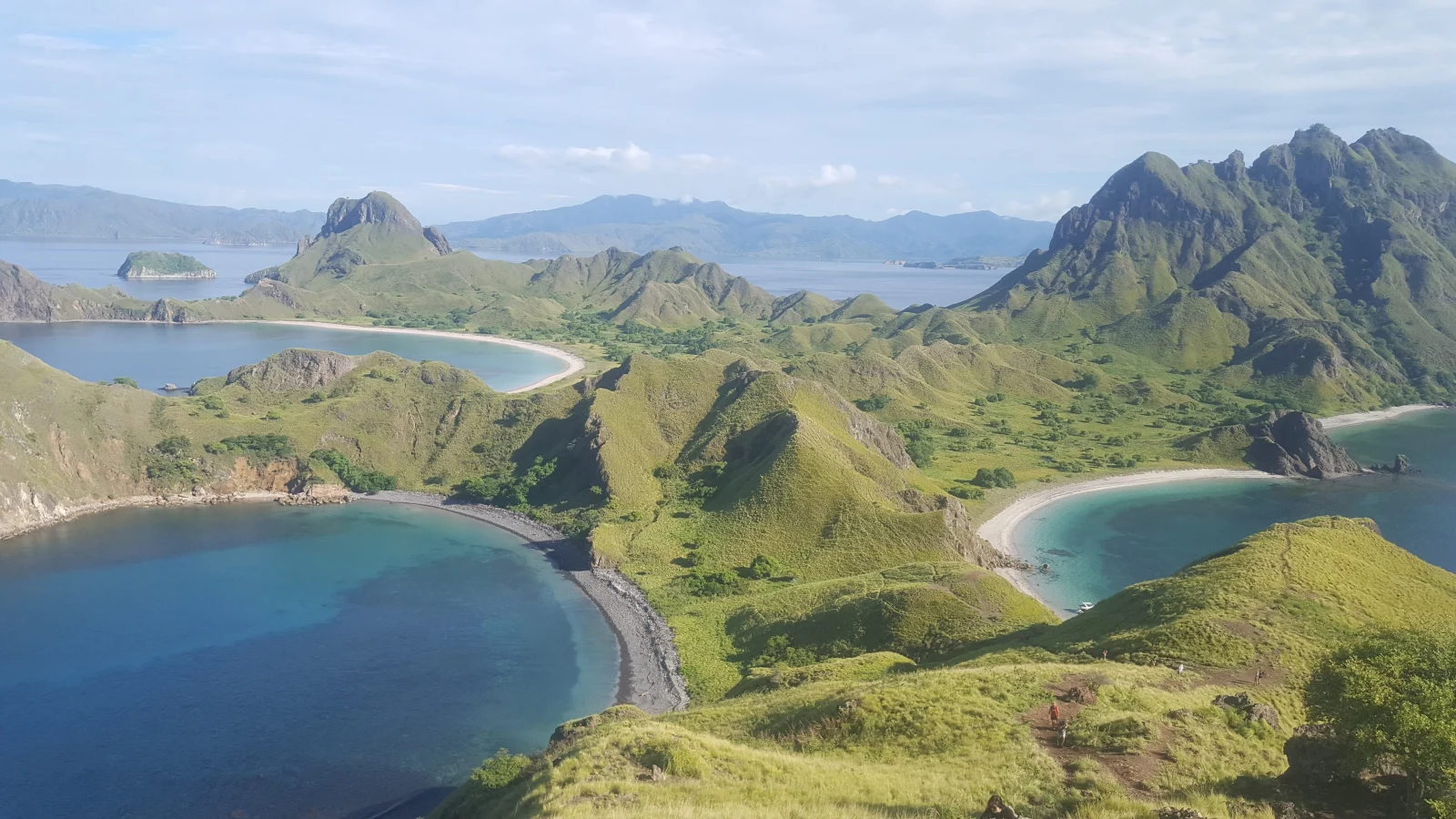
Flores is another island in the Lesser Sunda Islands, located relatively close to Sumba. Its main digital nomad hub, Labuan Bajo, has a growing remote-work community. The city features plenty of guesthouses, apartments, and hotels catering to different budgets.
The island is also accessible by air, with Komodo International Airport serving as its main gateway — most connections are domestic but there are limited international routes.
Compared to Sumba, Labuan Bajo has a more sociable atmosphere, with plenty of bars, restaurants, and entertainment options. However, it isn’t quite the party destination you might expect from a major tourist hub. Nights are generally quieter, and the overall pace of life remains relatively laid-back.
3. Yogyakarta
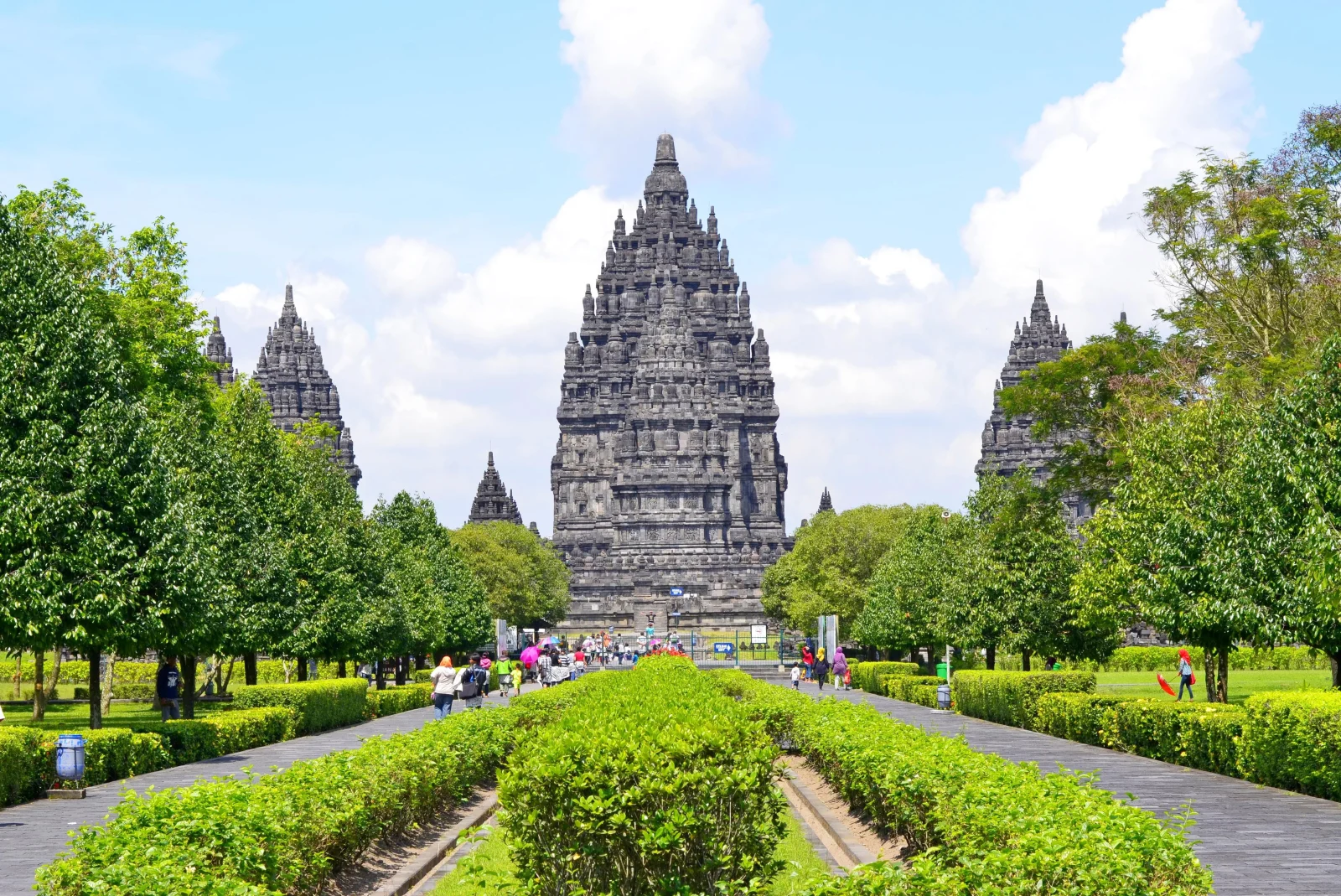
Yogyakarta is one of Java’s most appealing destinations for digital nomads, particularly those interested in culture, history, and an affordable urban lifestyle. It’s a university town with lots of students and plenty of cafés, bars and music venues — locals call Yogyakarta “city of students” for this reason.
As the cultural heart of Java, Yogyakarta houses many historic structures, the most famous being the Yogyakarta Palace. Living costs in the city are relatively low compared to popular destinations like Bali, while accommodation ranges from affordable guesthouses to private apartments and hotels. Public transport is somewhat reliable in Yogyakarta and ride-hailing apps work flawlessly.
Might Be Interesting
4. Lombok Island
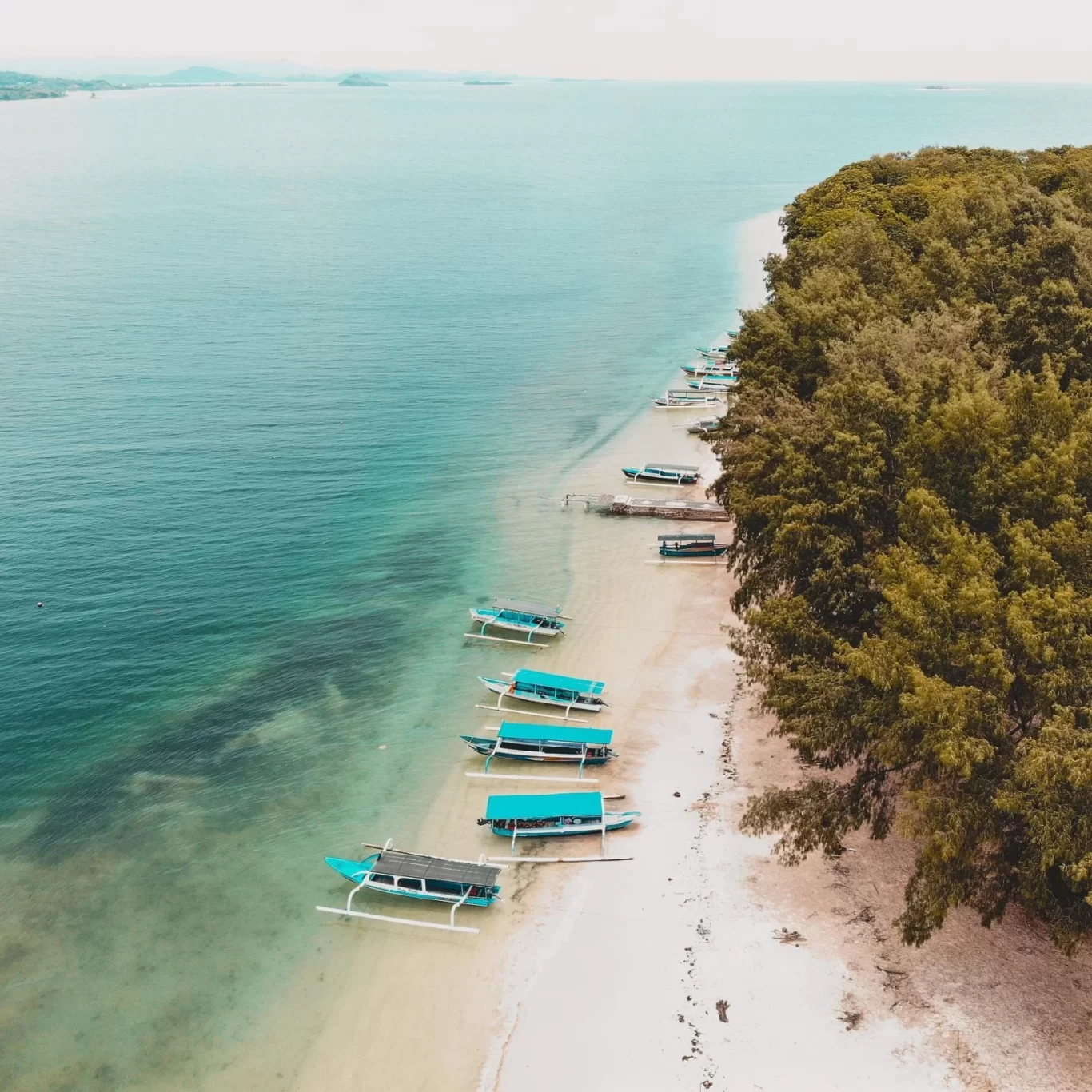
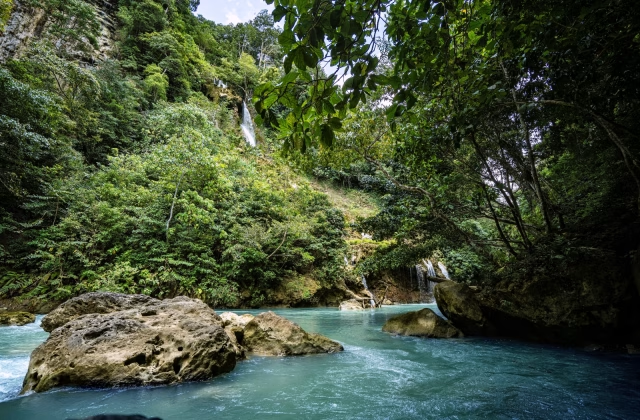
Lombok is a popular alternative to Bali for digital nomads looking for a more relaxed island lifestyle without giving up modern conveniences. More developed in terms of tourism infrastructure than Sumba, the island offers plenty of accommodation options, from affordable guesthouses to hotels and private villas. One of its biggest advantages is Lombok International Airport, which provides direct domestic connections and international flights to destinations such as Singapore and Kuala Lumpur.
The island also has a lively social scene, particularly around Kuta and Senggigi, where you’ll find plenty of cafés, restaurants, bars, and places to meet other travelers. While Lombok is quieter than Bali’s busiest tourist areas, it still offers enough entertainment and everyday conveniences to make longer stays comfortable. Its location also makes it a convenient base for exploring other islands in the Lesser Sunda group, including Sumba and Flores, especially for digital nomads who enjoy combining remote work with island-hopping.
5. Rote Island
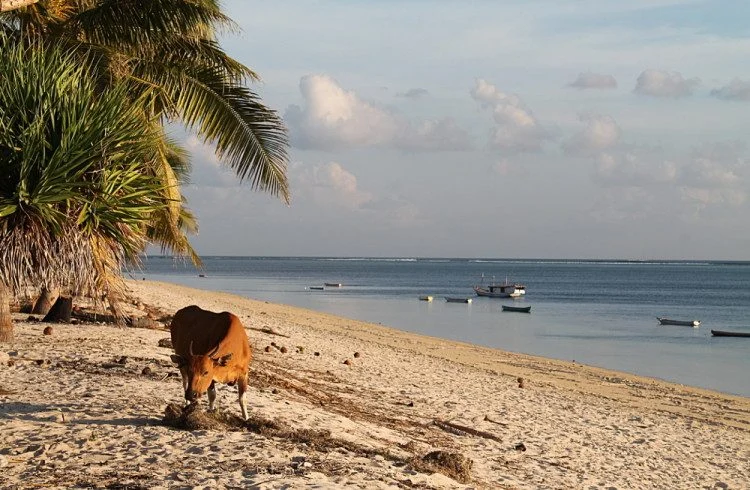
Rote is an emerging destination for digital nomads looking to get away from Indonesia’s more established tourist hubs. Located south of Timor-Leste and accessible via Kupang, this relatively remote island is known for its quiet beaches, uncrowded surf breaks, and laid-back lifestyle. Tourism is gradually developing there and new accommodations appear alongside established local guesthouses and resorts. One of the most notable developments is the arrival of NIHI Rote in 2026, bringing a new luxury resort and hospitality academy to the island.
Rote is still a relatively quiet destination, so don’t expect the extensive cafés, coworking spaces, and entertainment options you’d find in Bali or Lombok. Accommodation is available at different price points, but internet connectivity can vary considerably depending on where you stay. Some resorts and guesthouses offer reliable Wi-Fi, while mobile coverage can be patchy in more remote areas. If you depend on a stable connection for work, check the internet facilities before booking. For those who enjoy exploring, Rote also offers opportunities for boat trips to nearby islands and coastal areas, making it an interesting base for a slower-paced remote-work experience.