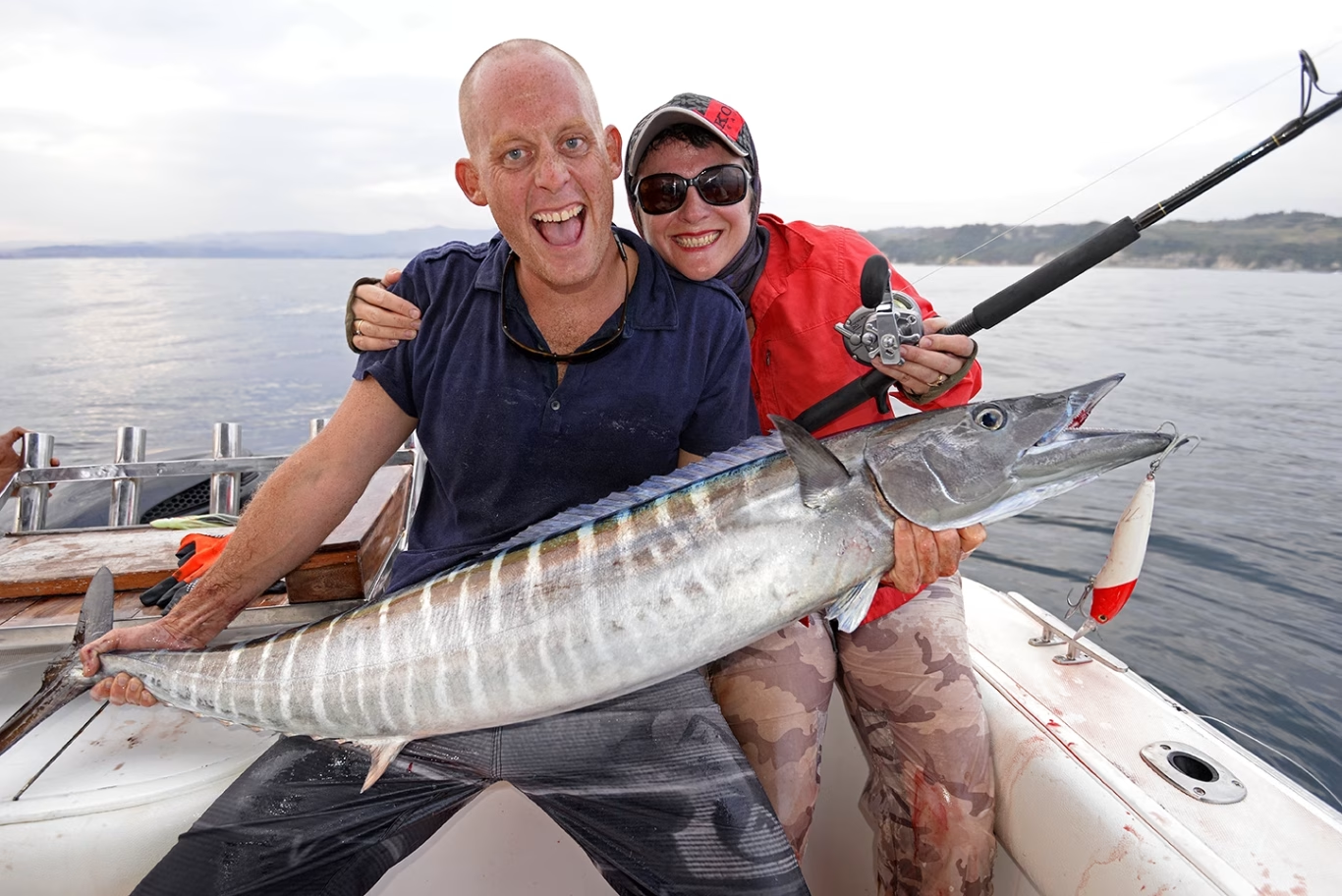
Fishing in Sumba: Where, When, and How to Do It Right
A fishing trip in Sumba is a great way to cool down and spend enjoyable time.
Why Fish in Sumba
Fishing in Sumba is still refreshingly authentic. There are no crowded charters or heavily commercialized hotspots, which means a bit of planning goes a long way. Whether you’re after reef species, pelagic game fish, or simply a local experience, the island offers them all.
Sumba sits along major nutrient flows of the Indian Ocean, which creates excellent conditions for both reef and offshore species. The island has a virgin nature, making its shores perfect for marine creatures to thrive. Because fishing pressure remains relatively low compared to Bali or Lombok, stocks are generally healthier and the experience feels far more personal. You’re not just fishing here, you’re participating in a long-standing coastal culture.
Best Fishing Areas
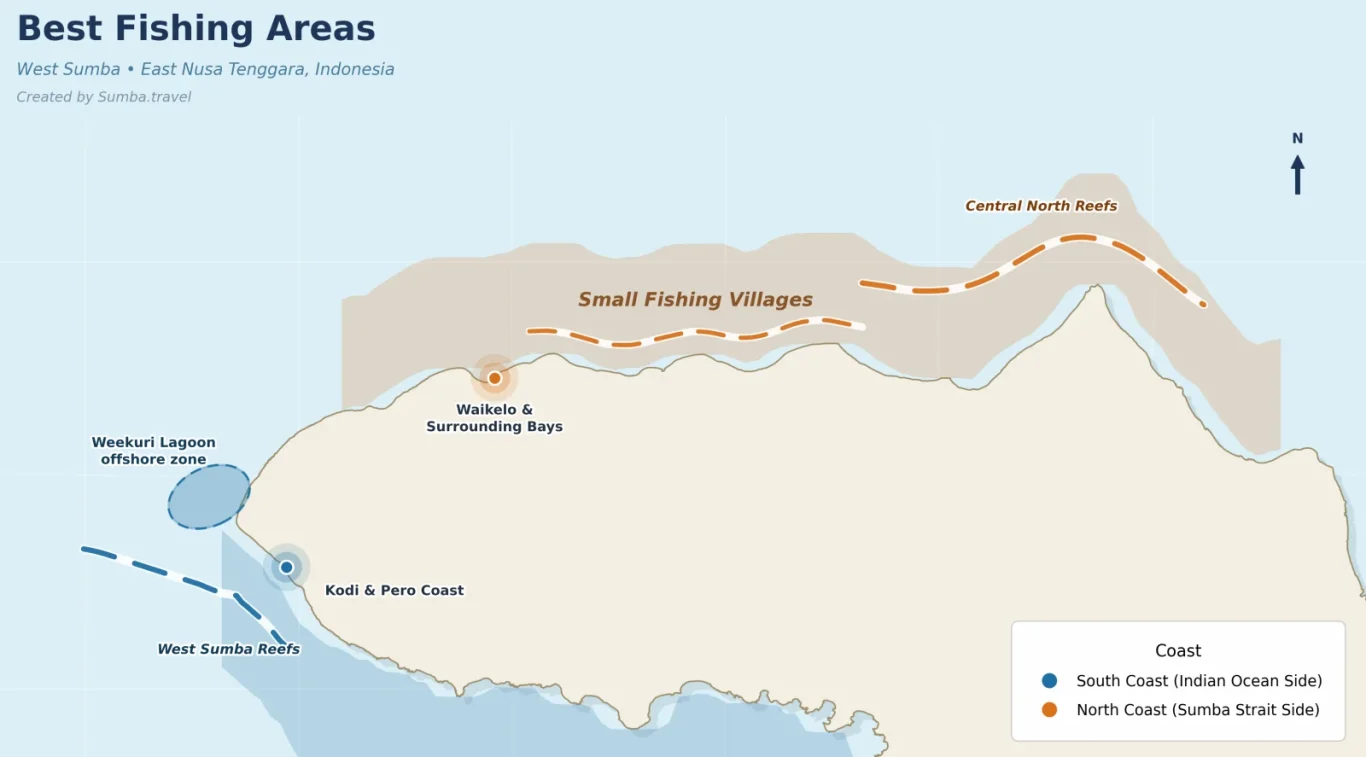
There are two major fishing areas in Sumba: South Coast and North Coast. Each coast has its distinct features and conditions. Explore them below.
South Coast (Indian Ocean Side)
It’s best for big game and dramatic scenery. South Coast offers deeper water close to shore, which means less travel time to reach productive spots. Some of the most popular places are:
- Kodi & Pero Coast: Productive waters with strong currents,
- West Sumba reefs: Good for trolling and jigging,
- Near Weekuri Lagoon offshore zone: Occasional pelagic activity.
This side offers deeper water close to shore, which means less travel time to reach productive spots.
North Coast (Sumba Strait Side)
This side is best for calmer conditions and reef fishing. The sea is generally calmer here, making it ideal if you want a relaxed outing. The best places to fish are:
- Waikelo & surrounding bays: Easier Access,
- Central north reefs: Good for snapper and grouper,
- Near small fishing villages: Authentic local trips.
Common Fish Species
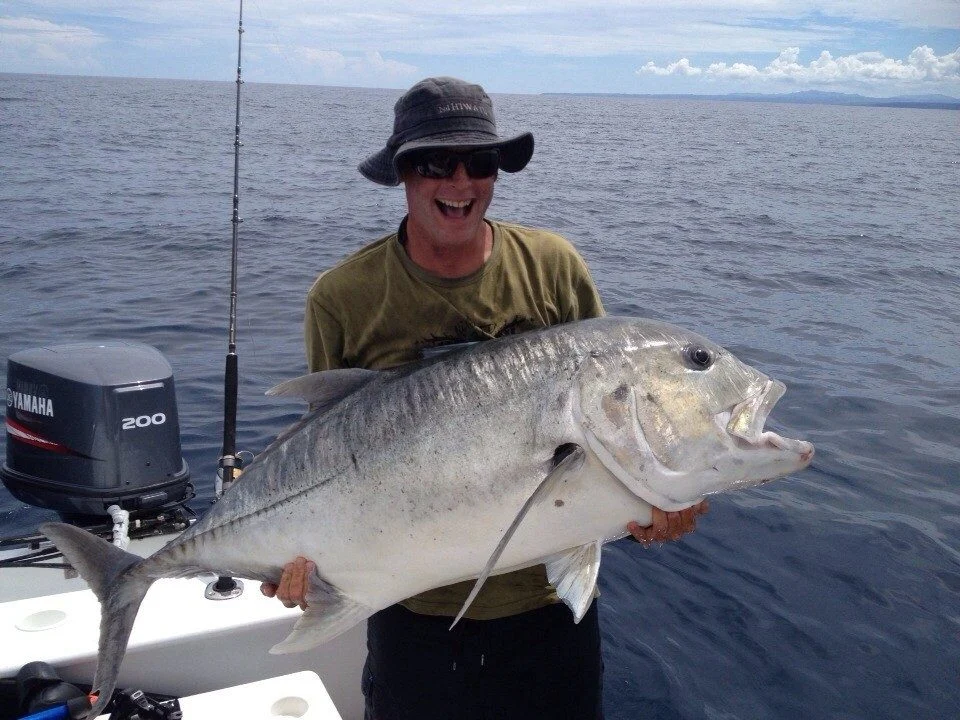
You can expect different fish species depending on season and technique. Some of the most commonly caught ones are:
- Mahi-mahi (dorado)
- Tuna (skipjack and yellowfin)
- Spanish mackerel
- Giant trevally (GT)
- Snapper and grouper
- Barracuda
Pelagic species are more common offshore, while reefs produce steady catches year-round.
Best Seasons
There are two seasons in Sumba. Dry season is when the island has little to no rainfall. Some parts of the island experience drought and water shortage. Wet season, on the other hand, is known for heavy showers. The distinct nature of both seasons affects the populations and behavior of marine life as well.
April – November (Dry Season)
Dry season is between April and November, when sea is calmer and visibility is much better. It is ideal for offshore trips and enjoying fishing to the fullest.
December – March (Wet Season)
Wet season between December and March is not the best time for fishing. It is windy and much rainier. Although fishing is still possible, especially on the north coast, it is not a highlight of the season. Calm weather windows are shorter.
Important Tip
Early mornings are almost always best regardless of season.
Fishing Methods
Thanks to its diverse water ecosystems and vast size, Sumba is a prime location for both professional and recreational fishing. You can find a detailed list of fishing methods used in Sumba below:
| Fishing Method | Tips & Info |
| Traditional Local Fishing | Hand lines or simple rods are used. Offers great cultural experience during typically half-day trips. |
| Trolling Offshore | This fishing method usually targets tuna, mahi-mahi, or mackerel. It requires a boat with reliable engine. Might be too professional for recreational fishing. |
| Jigging & Popping | Targets GT and reef predators. If you are serious on engaging in this type of fishing, make sure to bring your own gear. |
| Shore Fishing | Best done at sunrise or sunset. Rocky points and reef edges work well for this fishing method. |
Safety Considerations
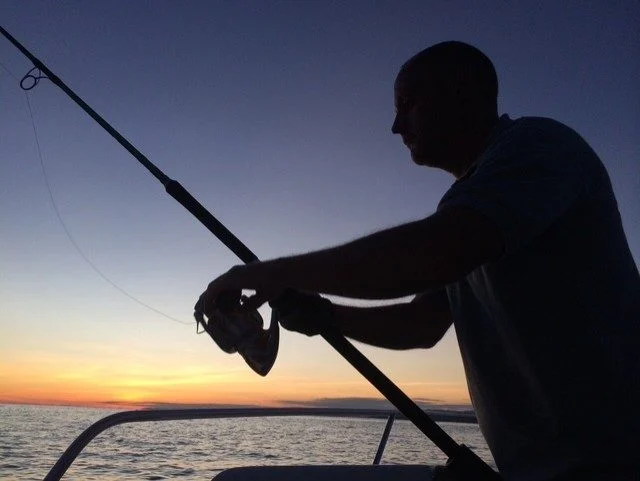
Fishing also comes with various obstacles. Since medical facilities are limited outside main towns, it is imperative to plan conservatively. Some of the essential safety considerations are:
- Always check weather and swell forecasts,
- Wear a life jacket if heading offshore,
- Respect local advice on currents,
- Avoid fishing alone in remote areas,
- Stay hydrated, as the sun is intense.
Sustainability & Etiquette Tips
Fishing is part of local livelihoods, so, responsible behavior matters. Sticking to more sustainable methods of fishing is essential to protect the environment and island's local economy. You can make a difference by following a few simple insights.
- Take only what you’ll eat
- Avoid sensitive reef areas
- Support local fishermen directly
- Respect customary fishing zones
- Do not leave gear or waste behind
- Catch-and-release is appreciated for large species like GT
Booking a Trip
Unlike major destinations in the periphery, Sumba doesn’t have a large charter industry. Most fishing trips are arranged through boutique hotels or surf camps. You can easily request your resort or host to arrange a fishing trip for you.
Regardless of the way you book the trip, you should expect simpler boats rather than luxury vessels. The experience is part of the charm.
Combining Fishing with Travel
Fishing is a great activity for all travelers. It naturally pairs with other Sumba experiences and enhances your overall enjoyment on the island.
You can easily substitute fishing with many activities, such as:
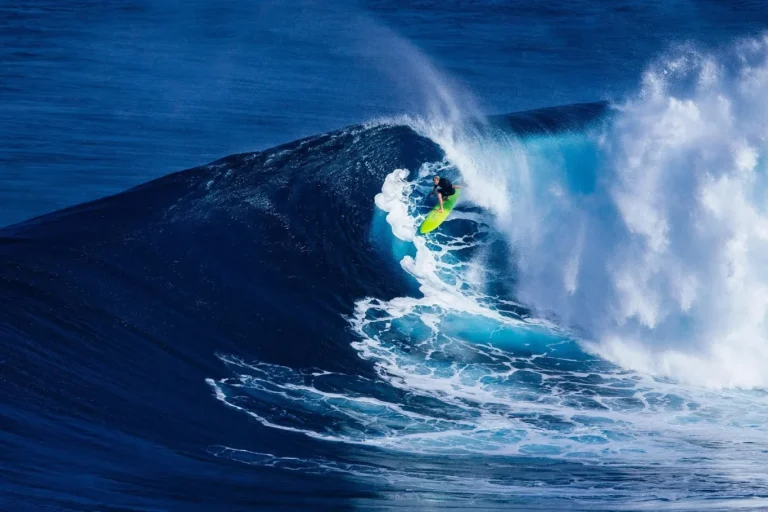
Surf breaks
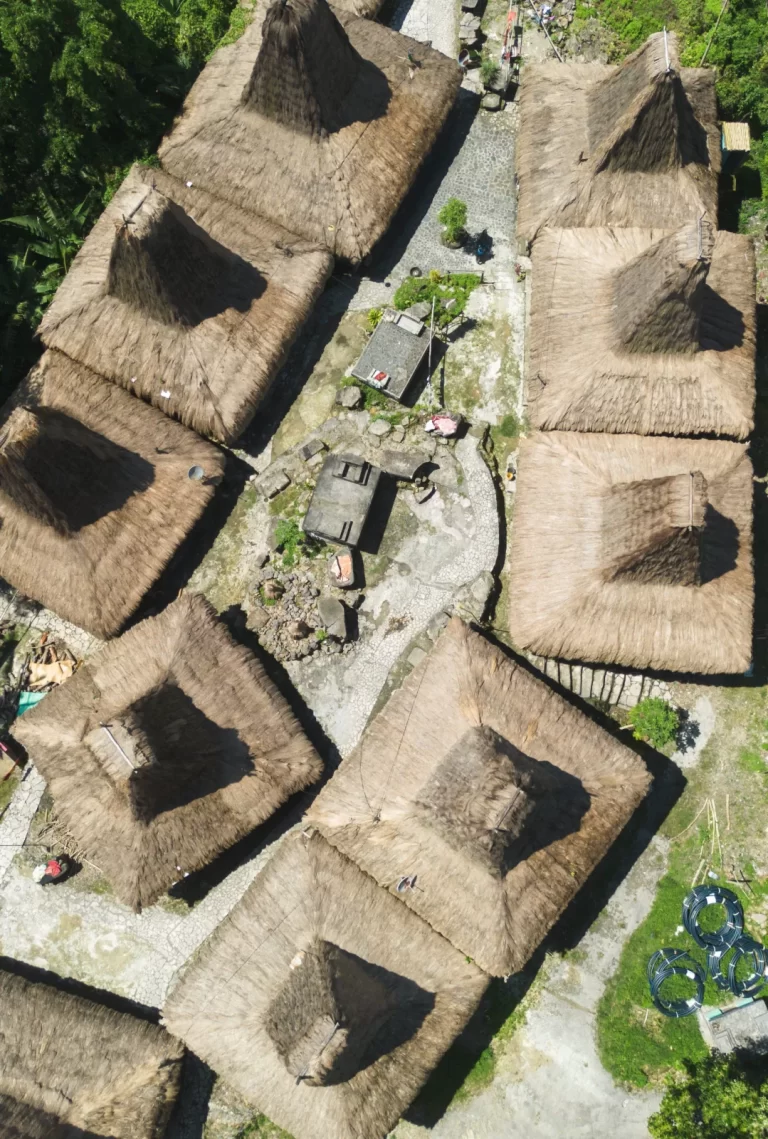
Village visits
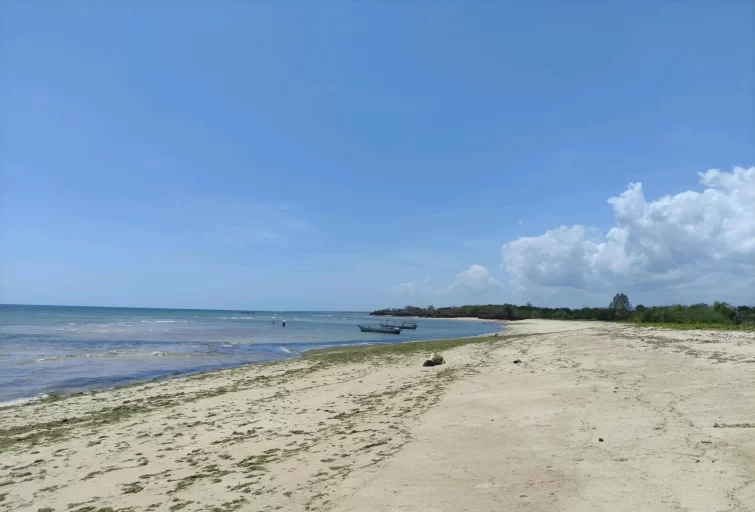
Beach days
What to Bring
Packing the essentials is very important when going on a fishing expedition to Sumba. Here is the ultimate checklist:
Essentials
Optional but useful
Conclusion
There are many factors that make fishing in Sumba a great experience. It is ideal if you prefer authentic over polished, enjoy nature-focused experiences, want a slow, immersive activity, and like combining culture with adventure.
If you’re expecting luxury sport-fishing infrastructure, you may find it minimal, but that’s exactly what makes it special.