The Complete Wellness & Spa Guide to Sumba: Yoga, Retreats & Natural Healing
Explore everything about wellness and spa experiences in Sumba.
Your Dream Getaway
In recent years, Sumba has become a hidden spot for wellness travelers seeking authentic healing, silence, and a deep connection to nature. From cliffside spas and ocean-view yoga shalas to waterfall meditations and equine therapy with local Sumbanese ponies, Sumba wellness experiences cannot be found anywhere else. If you are also seeking a soothing getaway on this pristine island, this guide covers everything you may wonder: the best resorts, yoga spots, traditional treatments, natural healing experiences, retreats, and practical itineraries.
Why Sumba Is a Wellness Destination
Sumba is not your typical tropical getaway. With its pristine nature and sustainability-oriented tourism scene, the island has become a rising star in the global wellness scene.
Top Wellness Resorts in Sumba
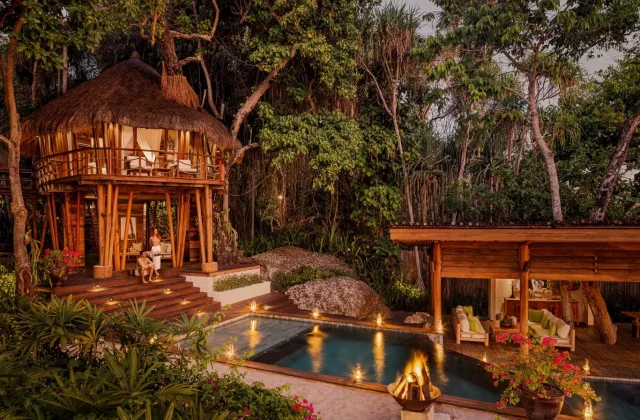
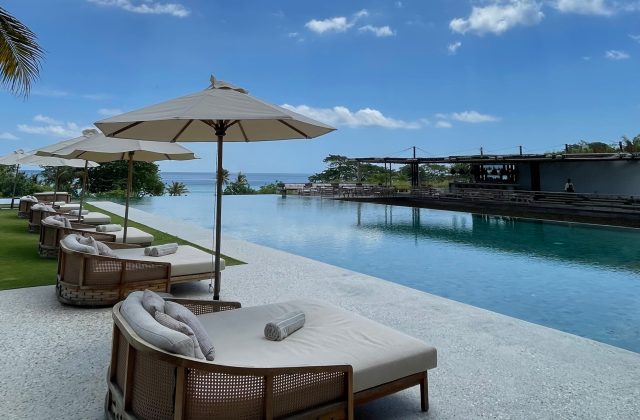
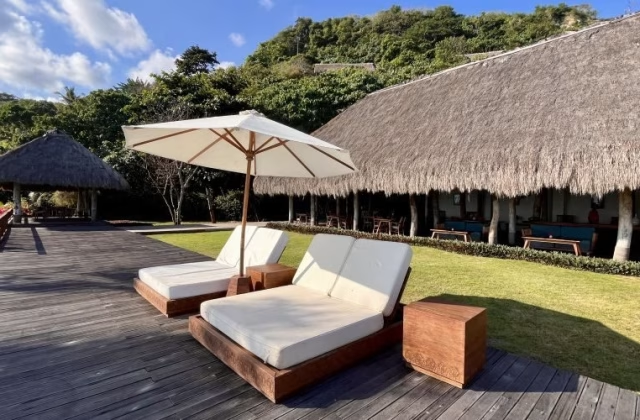
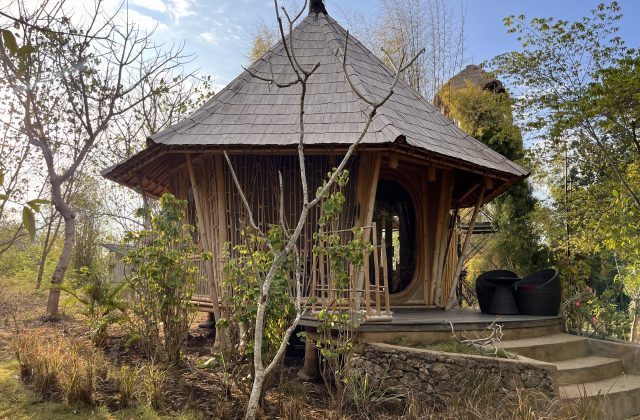
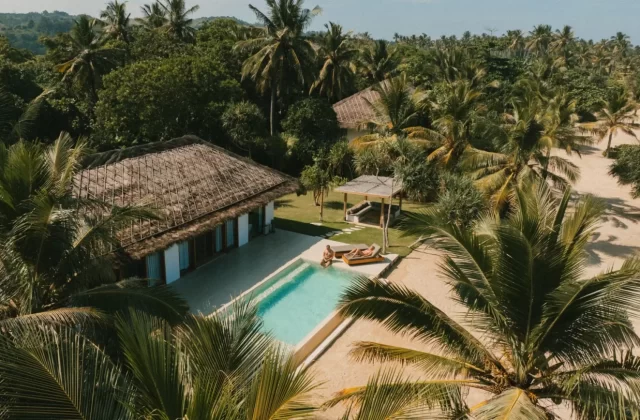
There are many high-end resorts on Sumba, each offering a distinct experience with their unique approach to tourism on the island. Below, you can find the top resorts with the best wellness offerings.
Where to Practice Yoga in Sumba
Yoga on Sumba is less about going to a studio and more about finding your own rhythm with nature. You have multiple options, from guided resort yoga to more spontenous experiences. Explore them all below.
Resort Yoga (Accessible to Guests Only)
Many resorts in Sumba offer daily yoga services. However, these services are usually exclusive to guests who stay at the resort. Why? Because Sumba is very remote and public yoga studios nearly do not exist outside resorts. If you want a professionally guided class, you must stay at a resort or hire a private instructor.
Yoga in Nature: Find Your Own Spot
If you are staying in a simple homestay or guesthouse, you can easily practice alone. Sumba’s national parks, lagoons, waterfalls, and beaches do not have huge crowds. The best public spots for solo practice are:
- Weekuri Lagoon: A saltwater lagoon with calm, crystal water. Perfect for post‑yoga swimming.
- Walakiri Beach: Famous for its mangroves and white sand. Sunrise here is magical.
- Persaudaran Hill (East Sumba): A grassy hill with 360° views of savannah and ocean.
- Teno Waterfall: The sound of falling water creates a natural meditation soundtrack.
Private Yoga Instructors
Only a handful of certified instructors work on Sumba and most are based in West Sumba (near Tambolaka). You can arrange a private class at your homestay or on the beach. All you need to do is to find and contact a reliable yoga instructor. Rates often range from IDR 350,000 to 600,000 with more affordable or luxury options available.
Spas & Traditional Treatments
Spas and traditionaal healing experiences in Sumba are plenty. You can go for a luxury massage given by expert masseurs at luxury resorts or receive a rub from local healers. Both are unique and worth a try.
Resort Spas
You can access traditional massage through your resort. Some of the services offered by well-known resorts are:
- Nihioka Spa (Nihi Sumba): Most luxurious with 2‑hour treatments. As NIHI’s services are world-known, spa experience at Nihioka is almost satisfaction guaranteed.
- Lelewatu Spa: A 90‑min traditional scrub and massage. Lelewatu spa focuses on a more intimate and personal connection to Sumba; so, their massages are quite authentic and given by experts.
- Maringi Spa: A 60‑min traditional massage. Maringi spa is student-run and most visitors praise the experience.
Local Massage
Many local establishments near Waikabubak and the beaches offer simple massage from Sumbanese experts. Price often ranges between IDR 100,000 and 150,000 for an hour. It is worth noting that this is not a luxury experience, just authentic healing. While it isn’t as fancy as resort massage, many travellers report relief from back pain after a traditional Sumbanese treatment.
What to Expect from a Sumbanese Spa Treatment
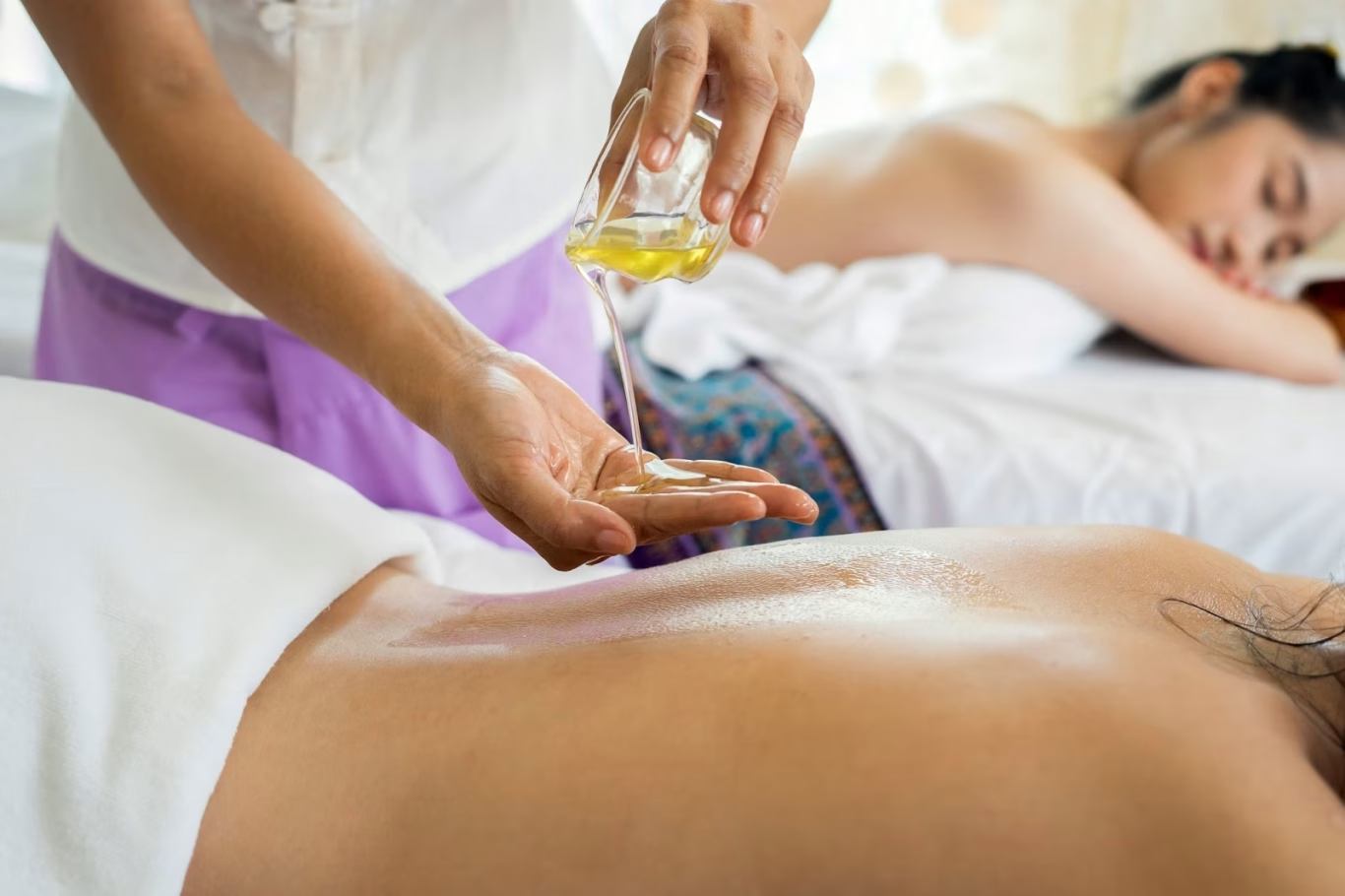
Sumbanese massage is firmer than Balinese. It uses warm coconut oil and focuses on muscle knots and energy lines (similar to Thai massage but slower). Ingredients are almost always 100% local: turmeric, ginger, candlenut, and pandan leaves.
Natural Wellness Experiences
When in Sumba, you don’t need to look for a peaceful place, since the entire island is very tranquil. If you want to be alone and enjoy the nature, there are many options for you. Explore the top natural wellness experiences below.
Waterfall Meditation
There are many secluded waterfalls in Sumba. You can visit them for a calming meditation session where the only voice you can hear is the song of the cascading water. Lapopu Waterfall, one of the highest on Sumba, is among visitors’ favorite for a waterfall meditation session.
Lagoon Swimming
Lagoons of Sumba are famous for their gorgeous scenery and calming atmosphere. While there are many, the most popular is Weekuri Lagoon, naturally separated from the ocean by a rock reef. It is saltwater but calm, with high mineral content that is known to relax muscles.
Cold Plunge at Natural Pools
A cold plunge at natural pools during the dry season is a true lifesaver after a sweltering day. Waimarang Waterfall and its pool are the perfect spot for this experience. Locals believe that it removes negative energy and invigorates the healee. However, it is important to remember that this activity should never be done completely alone.
Top 10 Spots for Natural Wellness in Sumba
Savanna Sunrises & Sunsets
Watching the sunrise and sunset is a completely different experience in Sumba. There are many spots to watch the Sun go down or up, but the best one is by far Wairinding Hill, the famous sunset spot on Sumba. Just bring a mat, sit on the grass, and watch the sun turn the unfathomable savanna golden.
Ocean Breathing at Empty Beaches
Sumba is very much different from Bali; its beaches are often empty, with only a handful of travelers and several local kids walking around. You can take a stroll along these golden strands of sand to be alone in the nature and breath in fresh ocean weather.
Wellness Retreats & Events
Its untouched nature makes Sumba a great spot for wellness retreats and events. Every year, resorts and local communities organize various events to reinforce the participants’ personal development and bask in the island’s paradisiacal atmosphere.
Most retreats happen from May to September. Typical duration is around 3 to 7 days. Focus areas often include yoga and surfing, detox and fasting, or writing and meditation.
Equine Therapy: Unique to Sumba
Equine Therapy is a guided activity where you interact with horses (grooming, walking, riding) to improve emotional awareness, reduce anxiety, and build confidence. Sumba’s small, gentle ponies are perfect for this. The therapy is non‑competitive and slow.
| Location | NIHI Sumba |
| Duration | Varies (usually minium 3 nights) |
| Cost | From USD 3,000/person |
Find Retreats
Check our events calendar for the most up-to-date events in Sumba.
Meditation & Mindfulness
Sumba might be the perfect place for meditation and mindfulness. Once you’re in the island’s nature, you will be far from any distractions. Far away from the voice of vehicles and constructions, you will be in the middle of an orchestra of birds and the wind.
Best Meditation Spots
Best meditation spots in Sumba are:
- Bukit Persaudaraan: A peaceful place for resting and meditating. A sunrise trip is recommended. Usually very quiet and serene.
- Puru Kambera Beach at dawn: A popular beach for locals by day and the perfect spot for solitude by night.
- Pool of Waimarang Waterfall: A cave with a natural pool, surrounded by a cave-like rocky structure. This is where you’ll truly be alone.
What to Bring
You need to bring a meditation cushion (zafu). It might be hard to find on Sumba; your best bet is resorts and luxury stores.
Practical Wellness Itineraries
3-Day Wellness Reset
- Accommodation: Maringi Sumba
- Attraction(s): Lapopu Waterfall
3 days are more than enough for a reset and soothing experience away the city’s hustle and bustle. You can plan your trip like the following:
| Day | Itinerary |
|---|---|
| Day 1 | Arrive at Tambolaka (TMC). Transfer to Maringi Sumba for an afternoon massage and sunset yoga. |
| Day 2 | Morning hike to Lapopu Waterfall (meditation). Afternoon spa treatment. |
| Day 3 | Yoga at sunrise, some nature expedition, flight out. |
5-Day Deep Wellness
- Accommodation: Lelewatu Resort
- Attraction(s): Weekuri Lagoon
If you want to connect with your inner self and have a deep wellness experience in Sumba, the following itinerary is pefect for you:
| Day | Itinerary |
|---|---|
| Days 1 to 2 | Stay at Lelewatu Resort for cliffside yoga and traditional scrub. |
| Day 3 | Drive to Weekuri Lagoon for cold plunge and enjoy some yoga in nature. |
| Day 4 | Take advantage of Luluwatu’s wellness facilities, especially the pool. |
| Day 5 | Silent sunrise walk, local massage, departure. |
7-Day Full Rejuvenation
- Accommodation: Sumba NIHI Hotel, Cap Karoso
- Attraction(s): Lapopu Waterfall, Nihiwatu Beach
For a 7-day full rejuvenation experience, we recommend you combine 4 nights at Sumba NIHI hotel (all wellness programs) and 3 nights at Cap Karoso (Ayurveda focus). For a more relaxed experience, of course, you may consider a whole week at a single resort. Remember that you must book 3 months in advance due to high demand.
The perfect itinerary for your week-long detox would look like the following:
| Day | Itinerary |
|---|---|
| Days 1 to 2 | Complete digital detox, equine retreat and luxury massages. Meditate in nature and try to relax for the upcoming days. |
| Day 3 | Find a secluded waterfall nearby (Lapopu recommended) and meditate to the sound of the cascade. |
| Day 4 | Visit a nearby beach. and just enjoy a soothing stroll along the coastline. Swimming is permitted. Nihiwatu beach is perfect for this |
| Day 5 | Resort massage and relaxation. |
| Day 6 | Visit a traditional village to receive some truly authentic local massage. Immerse yourself with the ancestral way of life at Sumba’s villages. |
| Day 7 | Resort massage, swimming if visited during dry season, and departure |
You can also check our guide to planning 7-day trip in Sumba to fill out the empty slots in your itinerary!
What to Pack for a Wellness Trip to Sumba
Make sure to pack the following for a calming wellness trip to Sumba:
Frequently Asked Questions
Is Sumba good for a wellness retreat?
Yes, if you want deep silence and nature. No, if you want nightlife or cheap street yoga. Sumba is for serious reset and authentic healing.
Do I need to stay at a resort to access wellness activities?
For spas and guided yoga: yes, mostly. For DIY meditation, hiking, and swimming: no. Free nature is accessible to everyone.
What is the best time of year for a wellness trip?
Dry season between April and October. July and August are peak, book early.
How much does a wellness trip to Sumba cost?
It depends. For budget travelers, it might take as little as around USD 30–50 per night. For a high-end experience, on the other hand, you may end up paying around USD 600 to 1,500 per night.
Can I find vegan or healthy food in Sumba?
Yes. All resorts offer vegetarian/vegan options. In local warungs, ask for nasi campur (rice with vegetables and tofu/tempeh). Fresh fruit is abundant: bananas, papaya, dragon fruit.