Sumba preserves a lifestyle deeply entwined with ancestral spirits, megalithic tombs, and rigid sacred pacts. At the absolute pinnacle of this living heritage is the Pasola festival, a breathtaking ritual of horseback warfare where the thunder of hooves, the flashing of wooden spears, and the spilling of sacrificial blood converge to honor the gods. For travelers seeking a profound, unfiltered encounter with a civilization that still honors its ancestors’ way of life, understanding and witnessing Pasola is an unmatched privilege. This comprehensive guide unravels the intricate spiritual tapestry, legendary origins, and practical logistics of navigating Sumba’s defining cultural event.
What Is the Pasola Festival?
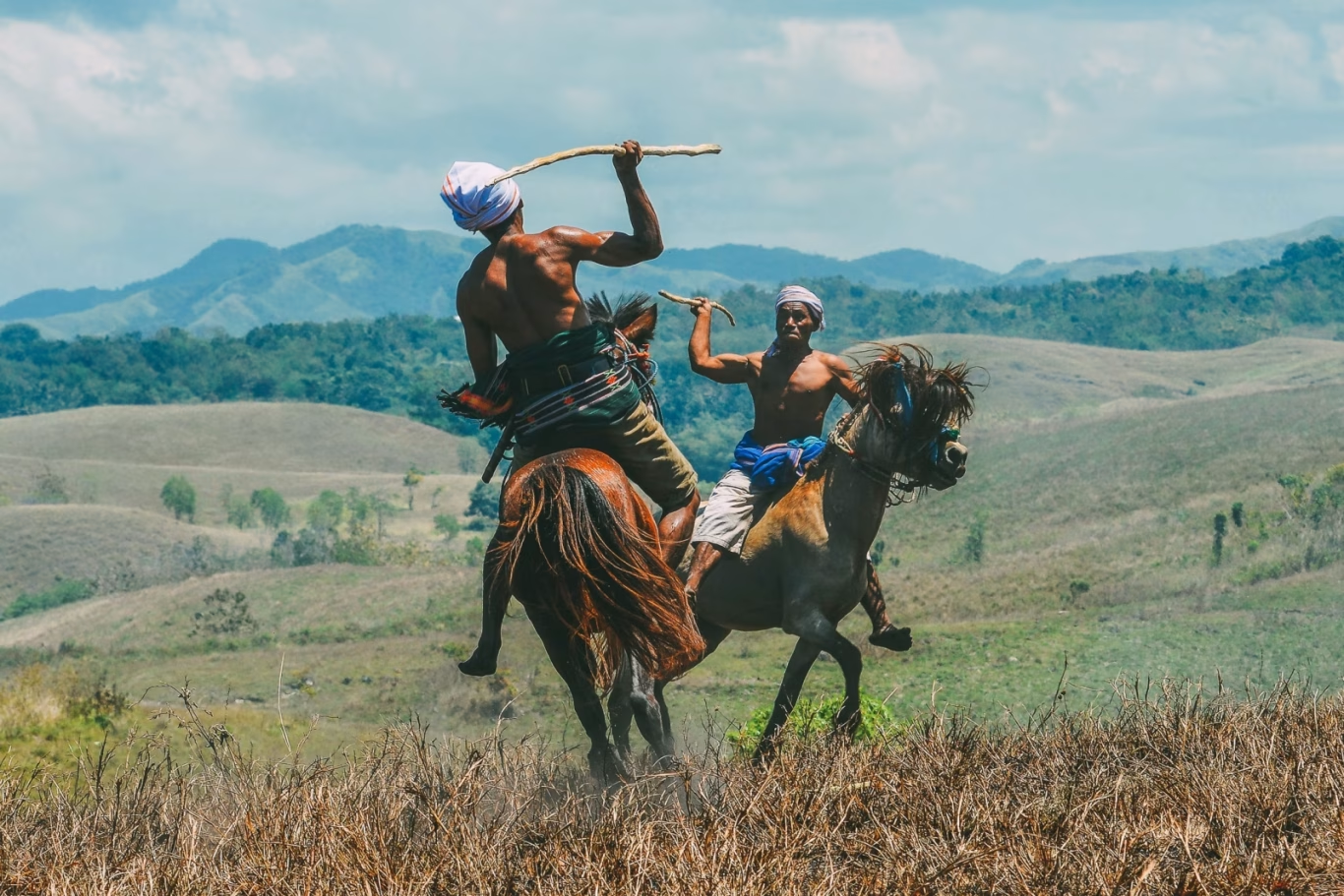
Pasola is a sacred ritual combat game, played horseback, by the indigenous people of Western and Southwest Sumba to celebrate the beginning of the agricultural cycle. It is integral to the ancestral Marapu religion and a spiritual obligation to guarantee the fertility of the earth for the upcoming rice-planting season.
During the event, factions from two opposing villages charge at each other across wide open fields with wooden spears. In the eyes of the Marapu faith, any bloodshed resulting from these collisions is holy and a necessary sacrificial offering to fertilize the soil.
Etymology
The word Pasola derives from the local term “sola,” or “hola.” It refers to the long wooden javelin or spear used by warriors competing at Pasola.
The Origin Story of Pasola
According to a local story, the historical origins of the Pasola festival are rooted in an epic story of heartbreak, honor, and tribal diplomacy involving the ancient village of Waiwuang.
The legend recounts that a powerful local village chief had to leave his community for an extended period to handle matters in a distant region, leaving behind his beautiful and deeply devoted wife. Months turned into years with no word from the chief, leading the villagers to assume that their leader had perished in his travels. Mourning his loss, the village eventually moved forward, and the chief’s wife fell deeply in love with a charismatic warrior from a neighboring clan, whom she eventually chose to marry.
The twist in the legend occurs when the original village chief suddenly returned to Waiwuang alive and well, only to discover his wife wedded to another man. Rather than plunging the entire region into an all-out bloody tribal war over this perceived betrayal, the elders and leaders negotiated a peaceful resolution to restore social equilibrium and joy to the community: an elaborate series of competitive equestrian games combining masterful riding agility with mock combat. This legendary settlement established the sacred game of spear throwing that has been re-enacted for generations.
Significance of Sandalwood Ponies
The iconic Sandalwood pony is a natural part of the Pasola festival in Sumba. These small yet robust horses are native to Sumba, with Arab ancestors. They go through extensive training for multiple years before becoming ‘Pasola horses.’
Sumbanese families handle these horses with utmost reverence. Families treat these horses as members of the household. As the Pasola time approaches, horses are blessed by priests, bathed in sacred rivers and have their coats painted with traditional symbols.
Location & Regional Differences in Pasola Festival
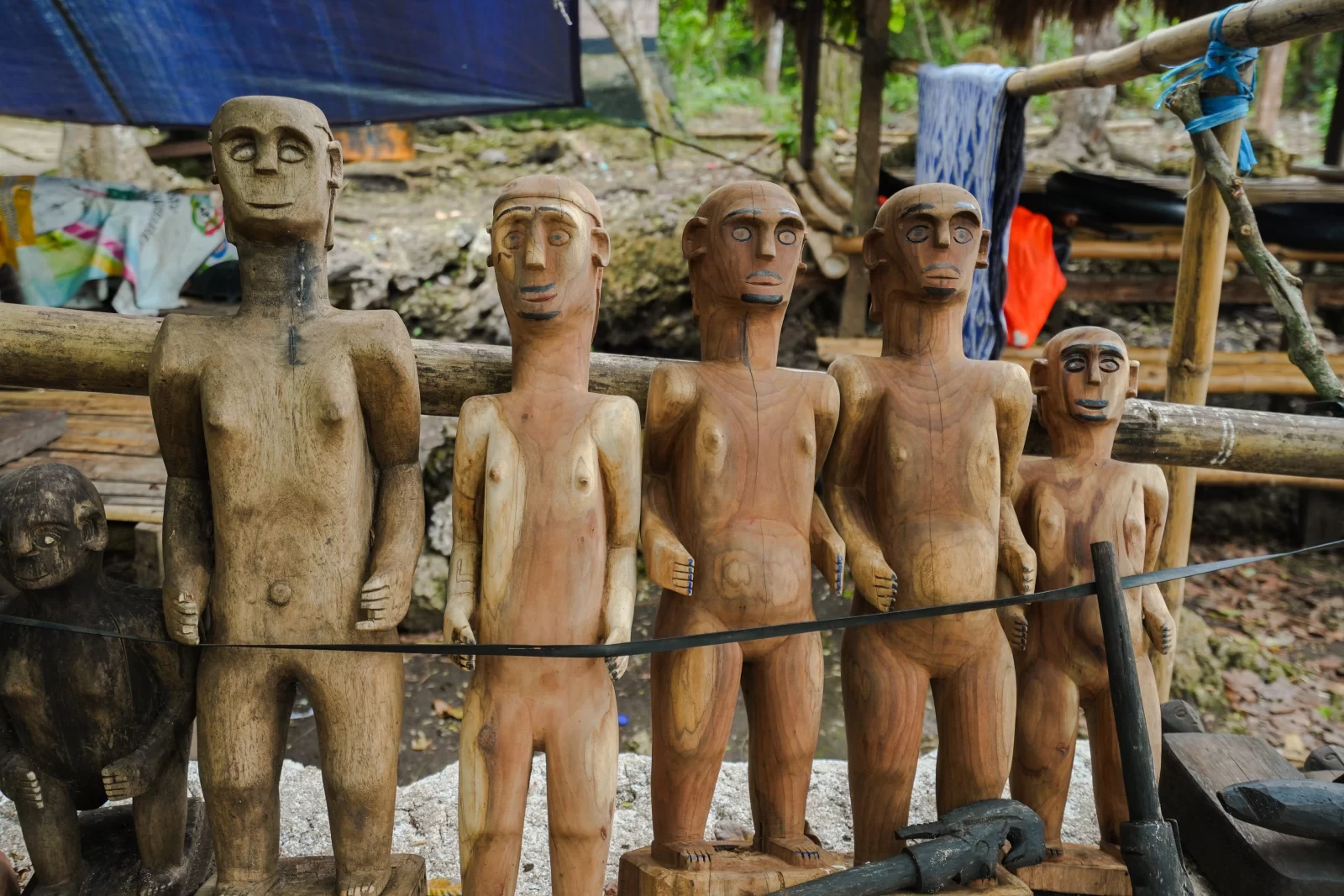
The traditional staging grounds for the Pasola festival are concentrated entirely within the western half of Sumba Island. These vast, and dusty, grass clearings are locally known as ratu or lapangan fields. The primary districts that host these legendary gatherings include Lamboya, Kodi, Wanukaka, and Gaura.
While the foundational Marapu theology and the core mechanics remain the same across Sumba, subtle regional differences create a very beautiful diversity. Below is a table with four key regions and their distinct characteristics:
| Region | Characteristics |
|---|---|
| Lamboya | Integrates the mandatory nighttime Pajura boxing matches on the beach as a compulsory precursor to the main event. |
| Wanukaka | Enforces the strictest set of environmental and behavioral taboos (Wula Nyale), completely banning the use of red clothing, boat anchoring, or horse washing in the district for a full month. |
| Gaura | Splits the festival into a distinct two-day structure: day one is reserved exclusively for young boys to hone their skills, while day two features the main battle of veteran warriors. |
| Kodi and surrounding areas | Raw displays of riding speed and larger numbers of active participants. The celebrations are almost identical across all villages around Kodi. |
Cultural Traditions and Practices Surrounding Pasola
The execution of the Pasola festival is governed by a sequence of cultural traditions, strict ancestral taboos, and spiritual preparations that dictate the behavior of the community weeks before the first spear is thrown.
The entire timeline is overseen by the Rato, the high spiritual priests of the Marapu faith, who serve as the mediators between the living community and the unseen realm of the ancestors:
| Tradition | Details |
|---|---|
| Wula Nyale | Wula Nyale is the sacred month leading up to the main event. During this time, strict taboos are enforced, such as not wearing red, building no structures or a ban on bathing horses in public rivers. |
| Pajura | Pajura is a traditional boxing match held under the moonlight on local beaches, during the nights before the event. The spiritual goal of the Pajura is to draw early drops of blood to alert the ancestors that the sacred season has officially begun. |
| The Morning Ritual of Invocations | On the dawn of the festival day, the Rato priests gather on the shoreline to offer animal sacrifices to ensure that the gods approve of the proceeding games. |
| The Post-Festival Resolution | Once the final horn blows, all rivalries are immediately resolved. Participants wash their horses, share communal meals, and return to their villages with the absolute understanding that no grudges or legal disputes can remain. |
Timing of the Pasola Festival
The elder rato priests of the Marapu religion use a complex lunar tracking system to determine the exact calendar date for each regional Pasola. They monitor the moon cycles alongside specific environmental cues, waiting for the precise alignment that triggers the mass spawning of the Nyale sea worms.
Because the calculations depend entirely on shifting natural cycles and real-time astronomical observations, the official dates are never finalized until approximately one to two weeks before the events are scheduled to begin.
Local government tourism boards attempt to publish estimated calendars based on preliminary consultations with the priests, but you must remain highly adaptable and book a broad two-week travel window just in case.
The Nyale
The arrival of the Nyale, a unique species of multi-colored sea worms, is interpreted by the Marapu faithful as a direct physical manifestation of the sea goddess’s blessing and a infallible omen for the upcoming harvest. Once these worms are on the shores, the Pasola timeline officially begins.
The Nyale are collected in the early hours before dawn. Thousands of villagers flock the beaches of Sumba with woven baskets. Once the Nyale are collected, priests carefully examine them to indicate the fertility of the upcoming harvest.
Thick and vibrant Nyale typically indicate a year of immense prosperity, while thin and pale point to impending drought, disease, or agricultural failure. Following the inspection, the worms are cooked with local spices and consumed by the families as a sacred meal believed to impart vitality, luck, and fertility to all who partake.
How to Travel to the Pasola Venue
No public shuttle buses, commercial transit systems, or ride-sharing applications operate routes from towns to rural festival fields. The standard and most highly recommended method of travel is to rent a private 4W4 vehicle accompanied by a professional local driver, which typically costs between IDR 600,000 and IDR 1,000,000 per day.
For highly experienced motorcyclists, renting a scooter from hubs like Waikabubak or Tambolaka is an alternative option, though riders must exercise extreme caution due to loose gravel, wandering livestock, and the heavy influx of local motorcycle traffic on the morning of the event.
Tips for a Pleasant Pasola
- Book an extended travel window, since the exact dates of the festival are declared by the Rato priests only a week or two in advance,
- Bring high-SPF sunscreen, a wide-brimmed hat, polarized sunglasses, and a lightweight scarf or face mask to shield your lungs from the massive clouds of dust kicked up by the horses,
- Bring plenty of Indonesian Rupiah in small denominations, along with a full day’s supply of bottled drinking water, snacks, and personal wet wipes.
Spectator Safety Notes
The Pasola festival involves intense physical activity, making spectator vigilance an absolute priority throughout the day. Wooden spears are hurled with terrifying velocity and can easily cause severe injury or bone fractures if they fly off-target into the crowd. Plus, in the past, small disagreements have turned into volatile aggression among spectating clan members.
To guarantee a safe and secure viewing experience, spectators should follow these safety tips:
- Get a local guide for both cultural insights and also safety precautions,
- Get elevated seating and stay close to exit routes to quickly retreat if a horse charges directly towards your section,
- Never cross the active field boundaries under any circumstances,
- If your local guide tells you to leave, follow their instructions immediately and move towards your transport vehicle without hesitation.
Frequently Asked Questions
What is Pasola and where is it traditionally practiced?
Pasola is an ancient, sacred ritual war game played on horseback where opposing village factions hurl wooden spears at each other to honor ancestral spirits and fertilize the soil. It is traditionally practiced exclusively in the western and southwestern districts of Sumba Island, Indonesia, including Lamboya, Kodi, Wanukaka, and Gaura.
Is the Pasola festival worth visiting?
Yes, for travelers interested in authentic tribal culture, ancient spiritual heritages, and raw equestrian skill, Pasola is widely considered one of the most unique, profound, and unforgettable cultural experiences in Southeast Asia.
Can I participate as a warrior?
No, foreigners and outsiders are strictly prohibited from participating as warriors due to the immense physical danger, the deep Marapu religious requirements, and the necessity of lifelong bareback combat training.
When is the best time to plan a trip for Pasola?
The best time to visit is between February and March. Because the exact dates change annually based on the lunar calendar and the spawning of sea worms, you should plan a flexible trip spanning at least a week during this period.
Where are the main Pasola festival locations in Sumba?
The primary festival venues are scattered across the grass plains and coastal villages of four main districts in Western and Southwest Sumba: Lamboya, Kodi (including Wainyapu village), Wanukaka, and Gaura.
What are the cultural traditions observed during Pasola?
Key traditions include the strict pre-festival fasting and purification taboos (Wula Nyale), the nighttime Pajura boxing matches on the beach, the sunrise harvesting of the sacred Nyale sea worms, and the sacrificial animal readings performed by the Rato priests.
Is the Pasola festival violent?
Yes, Pasola is a high-intensity ritual battle. While modern regulations require blunt-tipped spears, the intense speed of the horses means that severe injuries, deep cuts, and heavy blood loss are common, and are viewed spiritually as necessary blessings for the earth.
What do I bring to the Pasola festival?
You should bring high-SPF sunscreen, a protective sun hat, sunglasses, a face mask for heavy dust, plenty of bottled drinking water, personal snacks, and ample cash in small Indonesian Rupiah bills.
Do resorts operate tours for Pasola?
Yes, prominent regional eco-lodges and luxury properties, such as Resort Cap Karoso and Maringi Sumba, provide comprehensive, guided transport and viewing packages for their guests.
Is there a special food for Pasola?
The most iconic and sacred food tied directly to the festival is the Nyale sea worms. They are harvested from the ocean at dawn, inspected by priests for omens, and then traditionally fried or roasted with local spices and coconut for a communal blessing meal.
Are mock Pasola fights organized for tourists?
No, authentic Pasola matches are strictly sacred religious rituals that cannot be staged, simulated, or performed purely for commercial tourism entertainment.
Are all the Pasola festivals the same?
While the core spiritual purpose remains identical, the festivals differ slightly by region; for instance, Lamboya features pre-match boxing, Wanukaka enforces much stricter taboos, and Gaura spreads its event across distinct days for youth and adult warriors.