Pasunga Village
Facts
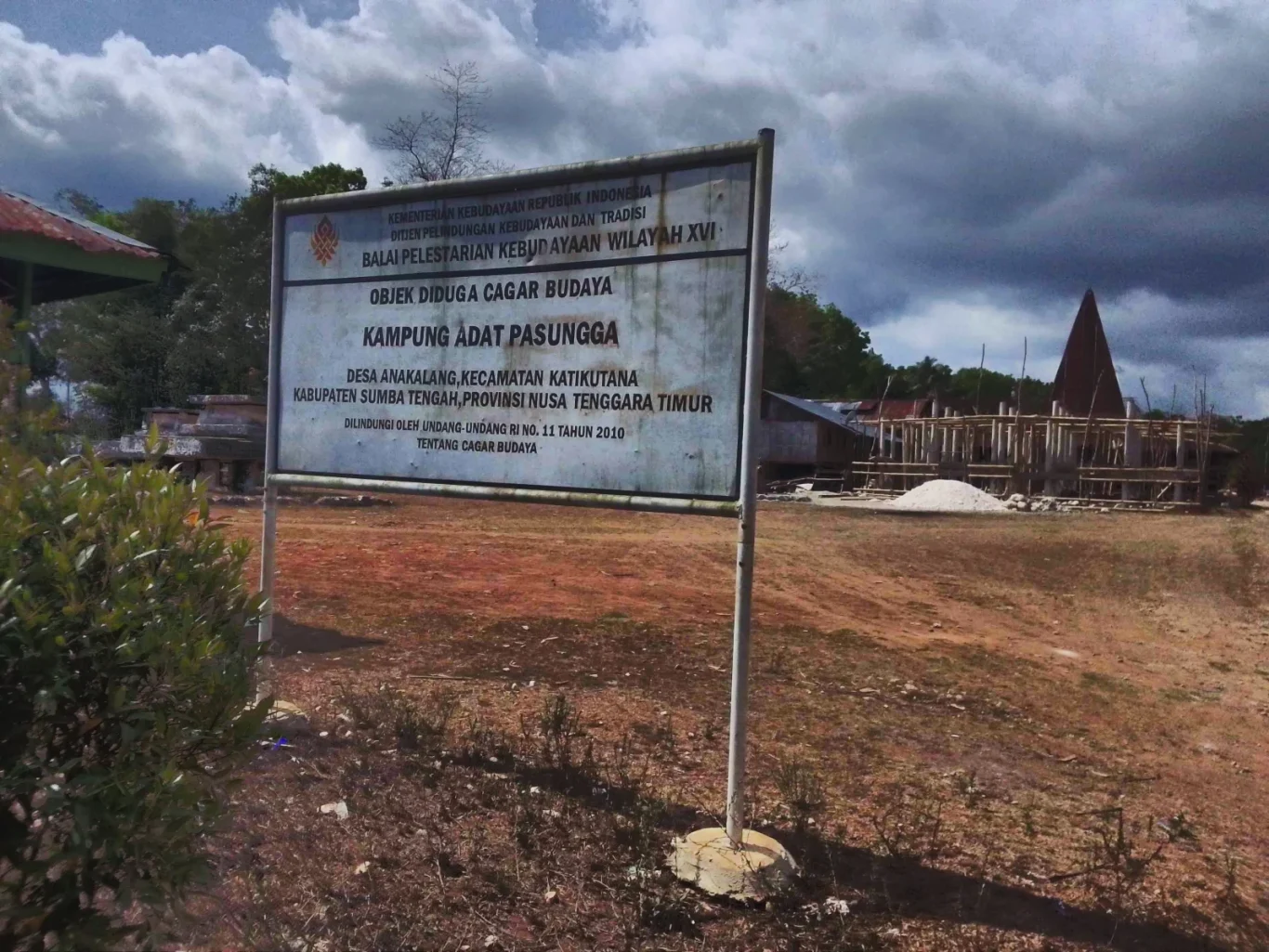
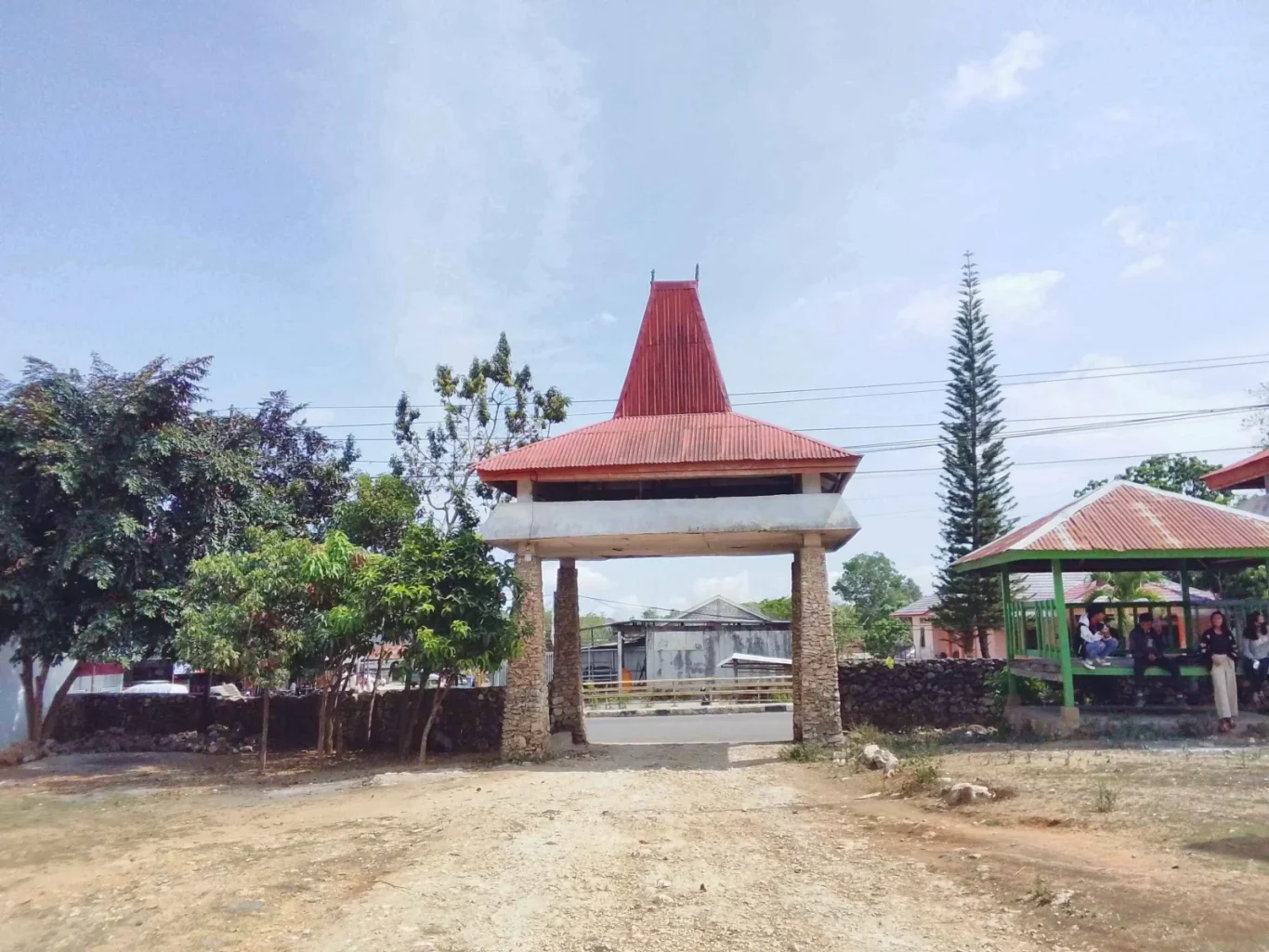
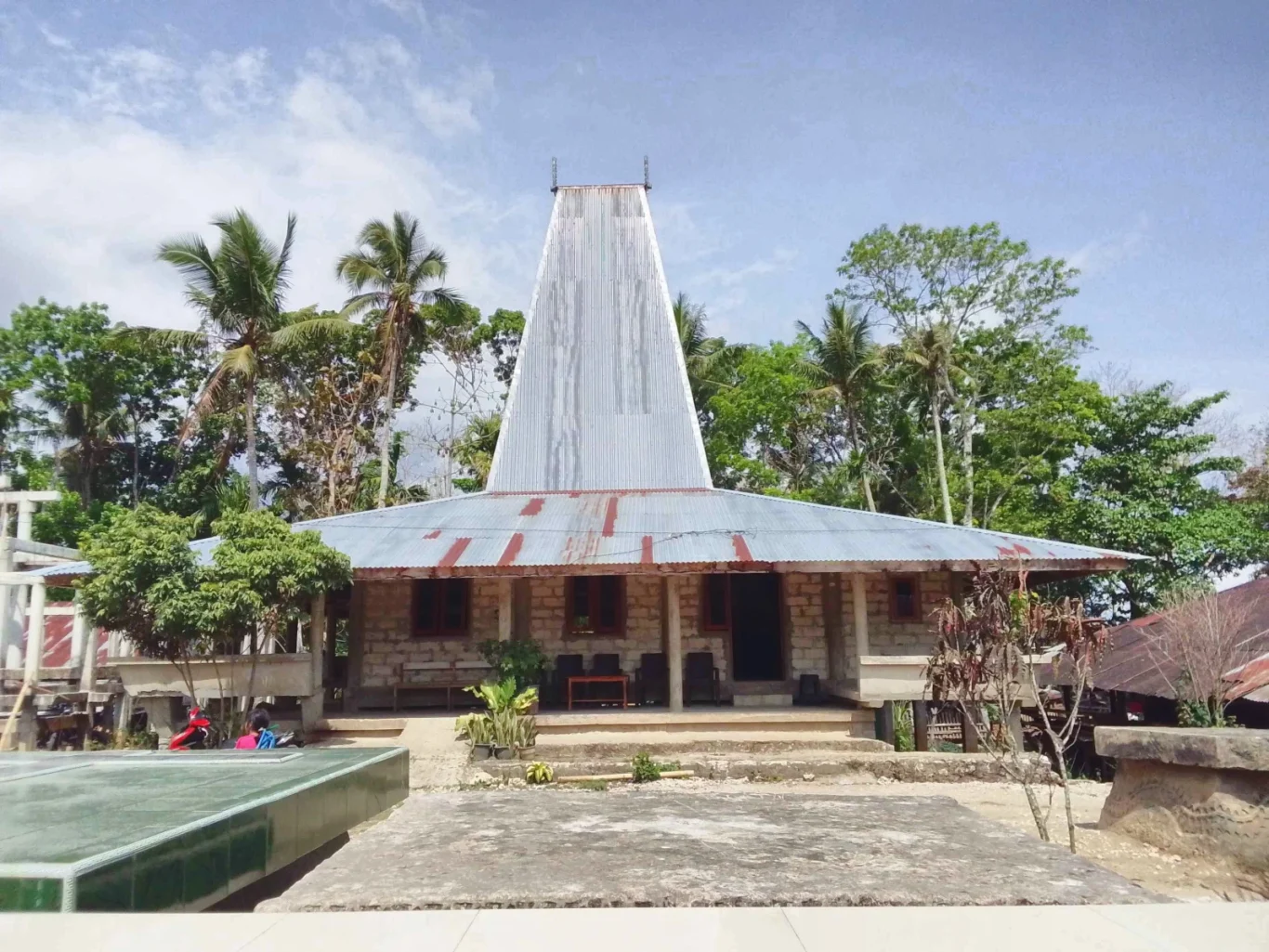
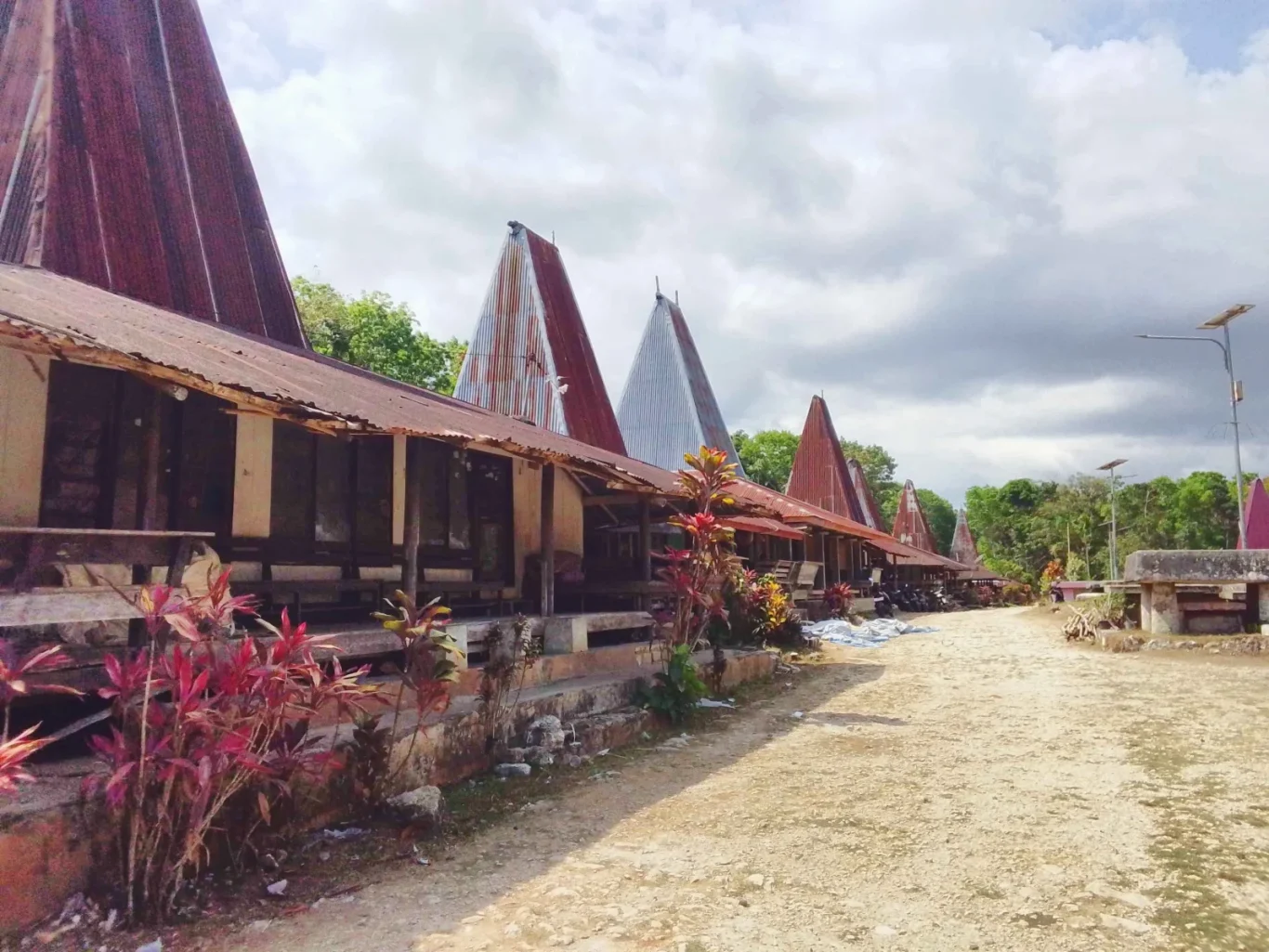
- Traditional houses in Pasunga use tin roofs, unlike the traditional thatched ones.
- Despite its modern look and lack of recorded history, Pasunga village is quite ancient, with the settlement going back thousands of years.
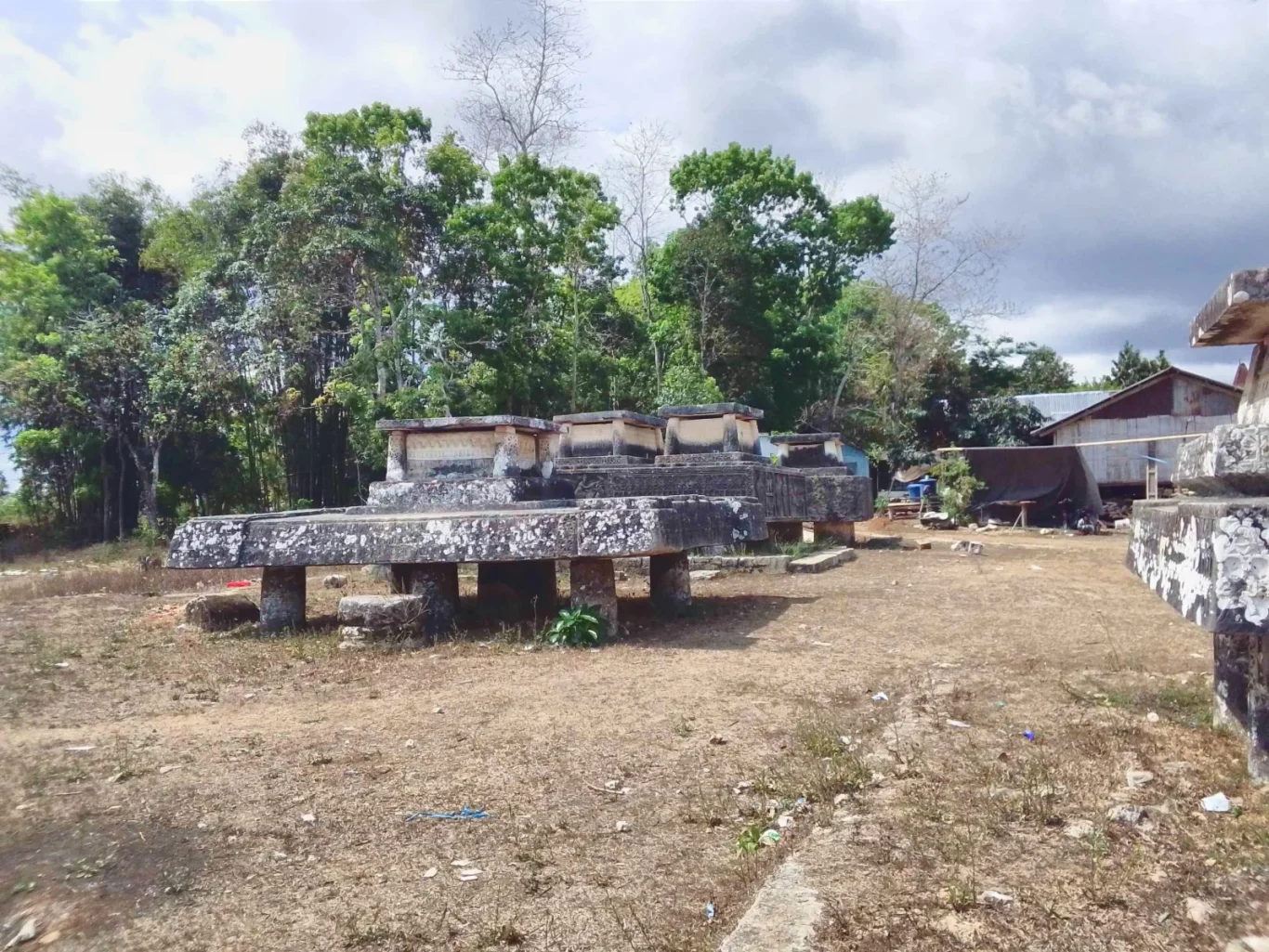
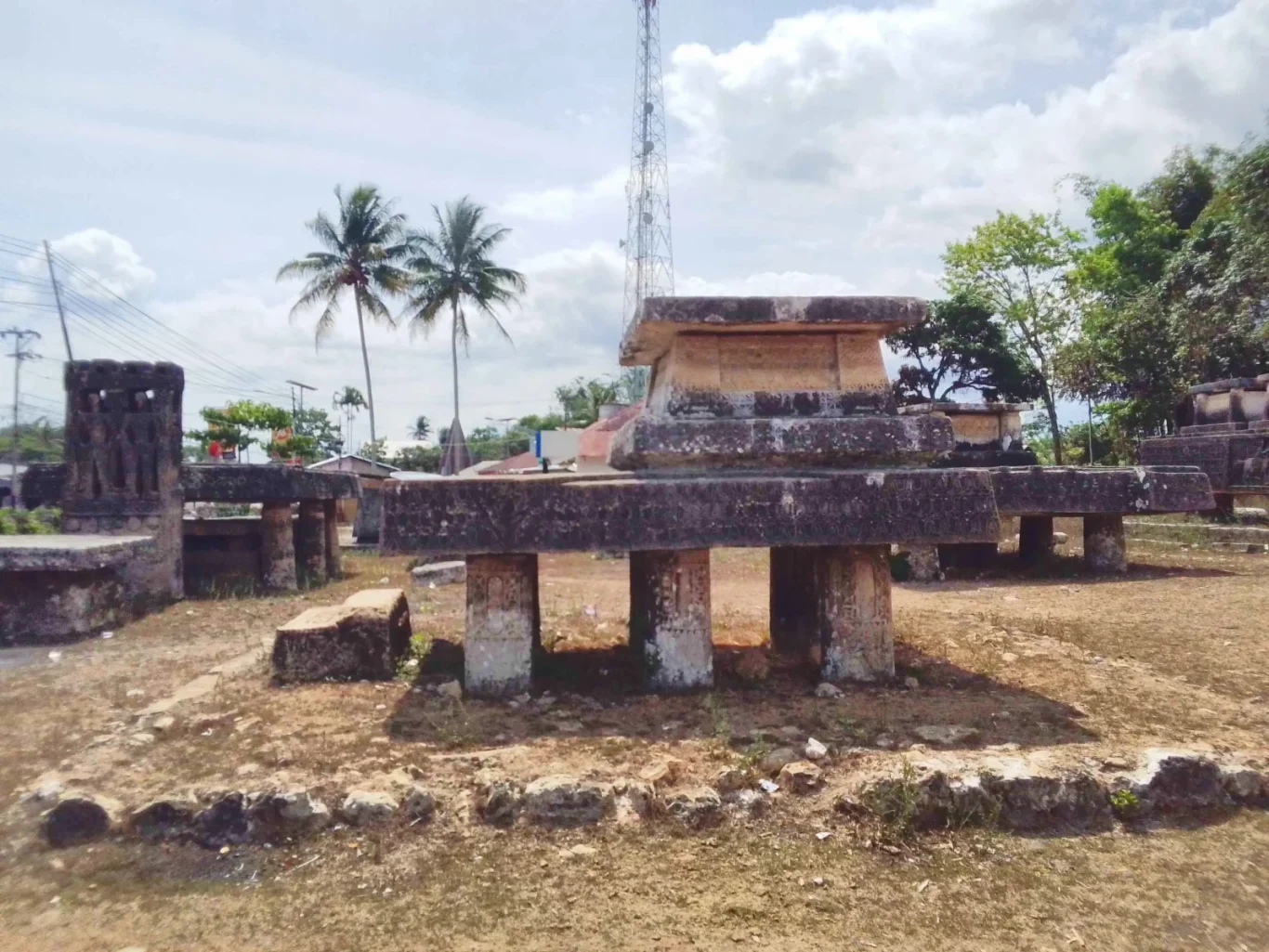
- Similar to other villages, the center of Pasunga is also marked by stone slabs and megaliths.
Pasunga Traditional Village is a captivating cultural heritage site located in the heart of Anakalang, Central Sumba Regency. The village serves as a hub for the local culture and spirituality, offering a visual blend of traditional and modern architecture.
Distinctive layout
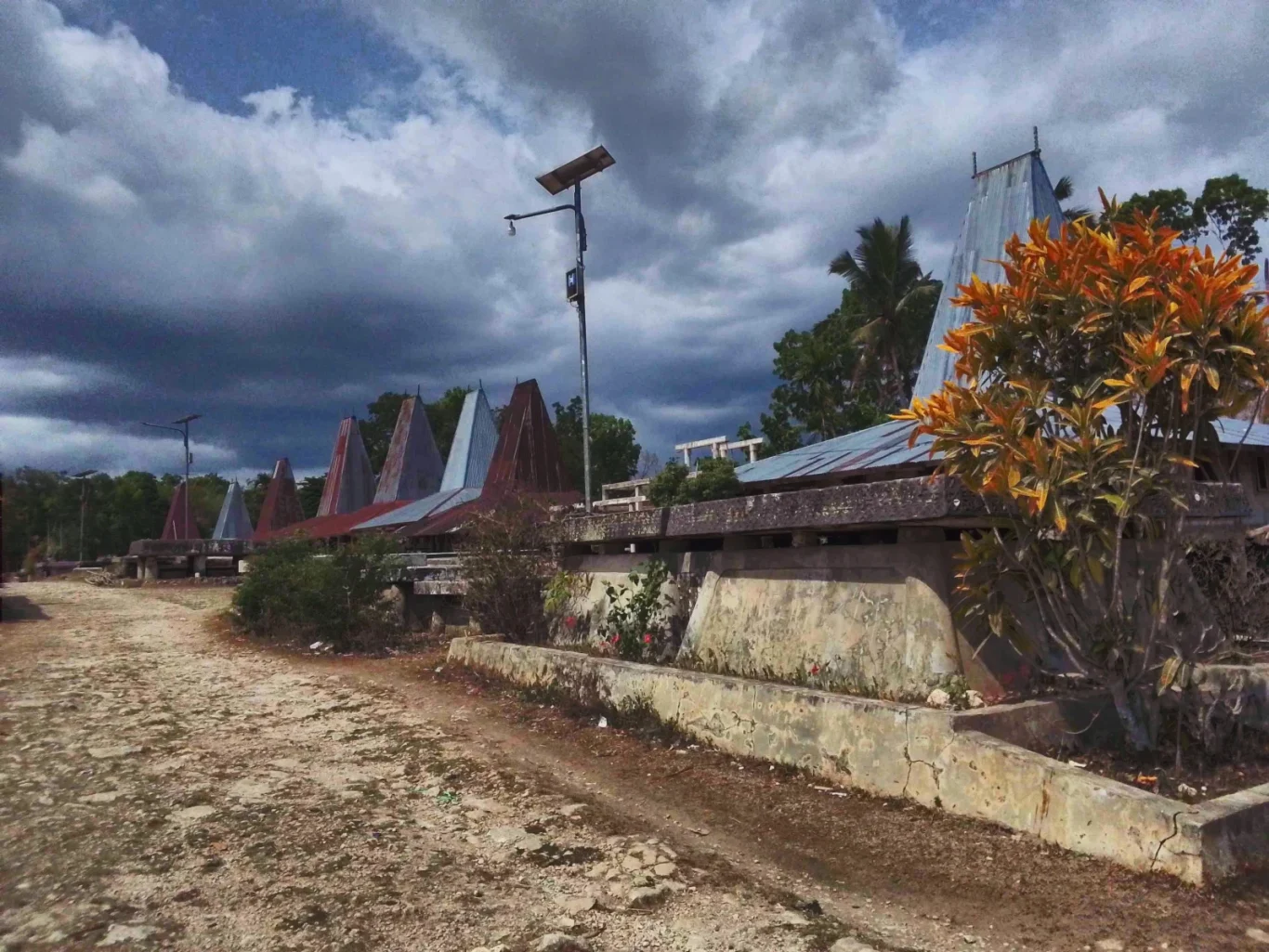
One of the distinctive features of Pasunga is the village’s highly symmetrical and orderly layout. Traditional houses with towering, spire-like roofs (known as Uma Mbatangu) stand arranged in rows facing one another along the eastern and western sides.
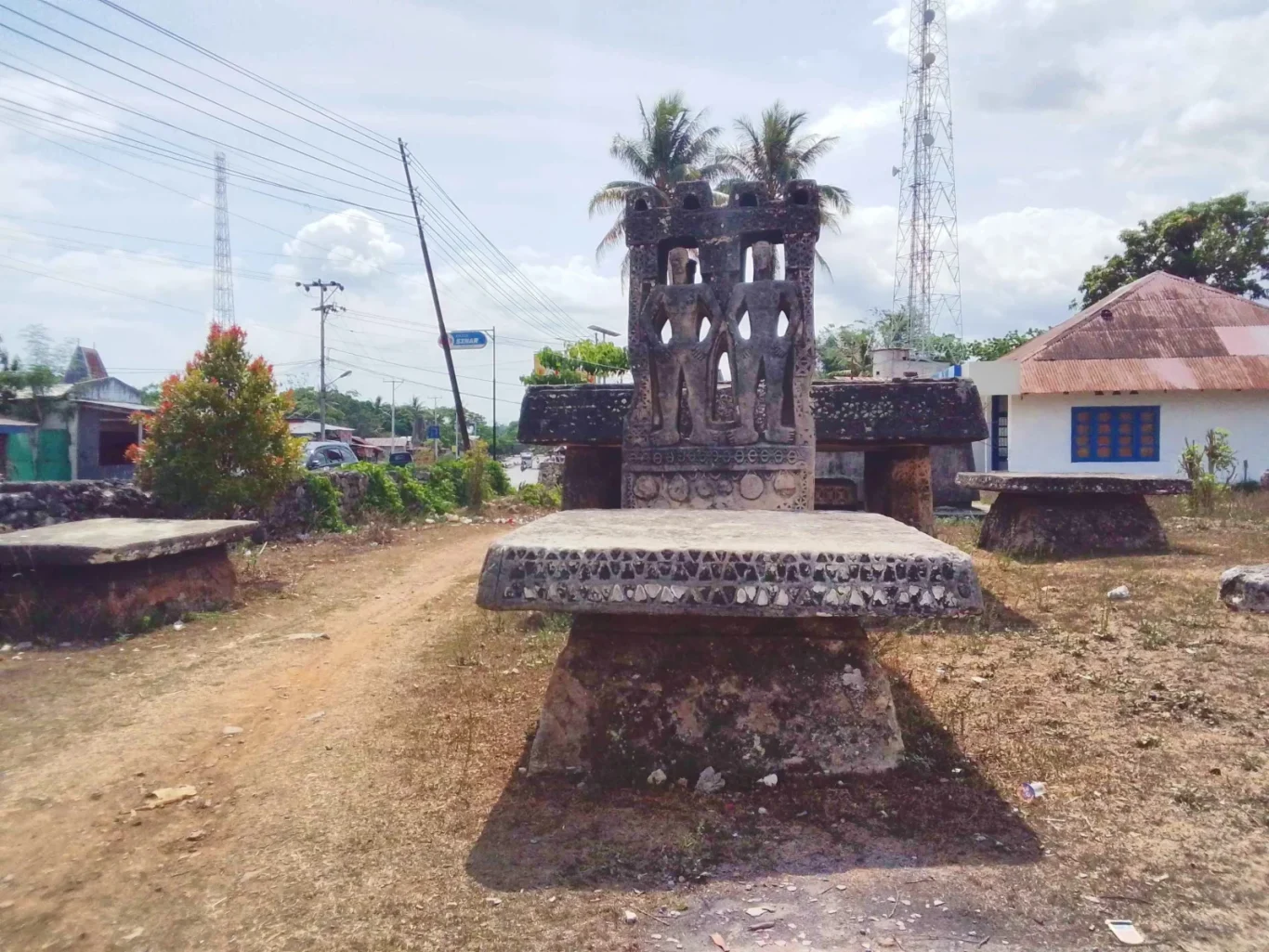
This configuration is a reflection of cosmic balance. A series of megalithic stone dolmens stretch through the central corridor of the village — these are the eternal resting places of the ancestors and sophisticated works of art. You can think of this part of the village as the spiritual center of Pasunga.
Stories carved in stone
The surfaces of monolithic structures are adorned with intricate carvings depicting social status, life stories, and symbols of protection for those who have passed on. At the very center of the village stands a colossal megalithic tomb, which serves as the primary icon of Pasunga. Sumba houses perhaps the world’s final monolithic cultures and this magnificent stone tomb is a great testament of it.
Amidst Pasunga’s sacred sites is a pavilion (known as lopo), functioning as a social space where villagers gather, welcome visitors, or find refuge from the sun.
Reviews
We do not store your personal data.