This article has been prepared by Erna Debora Patola, a local contributor at Sumba.travel, based on her visit to the Pero Konda Village after the earthquake on October 4th, 2026.
We arrived in Pero Konda Village, Kodi Subdistrict, on Monday, 5 October 2026. Our first stop was the Posko Utama Bencana (Main Disaster Coordination Post), which is located at the house of the Village Head, Mr. Kode Sigore. Mr. Kode Sigore received us warmly and provided a general explanation about the damage that had occurred in Pero Konda Village, as well as in other areas across different subdistricts, namely Kodi Balaghar and Kodi Bangedo.
Though official aid packages were still on their way, the spirit of mutual aid was already alive on the ground. Outside their homes, residents gathered in small groups, checking on one another, sharing accounts of Sunday morning’s shock, and offering comforting company as families adjusted to sleeping safely on open terraces while awaiting aftershocks.
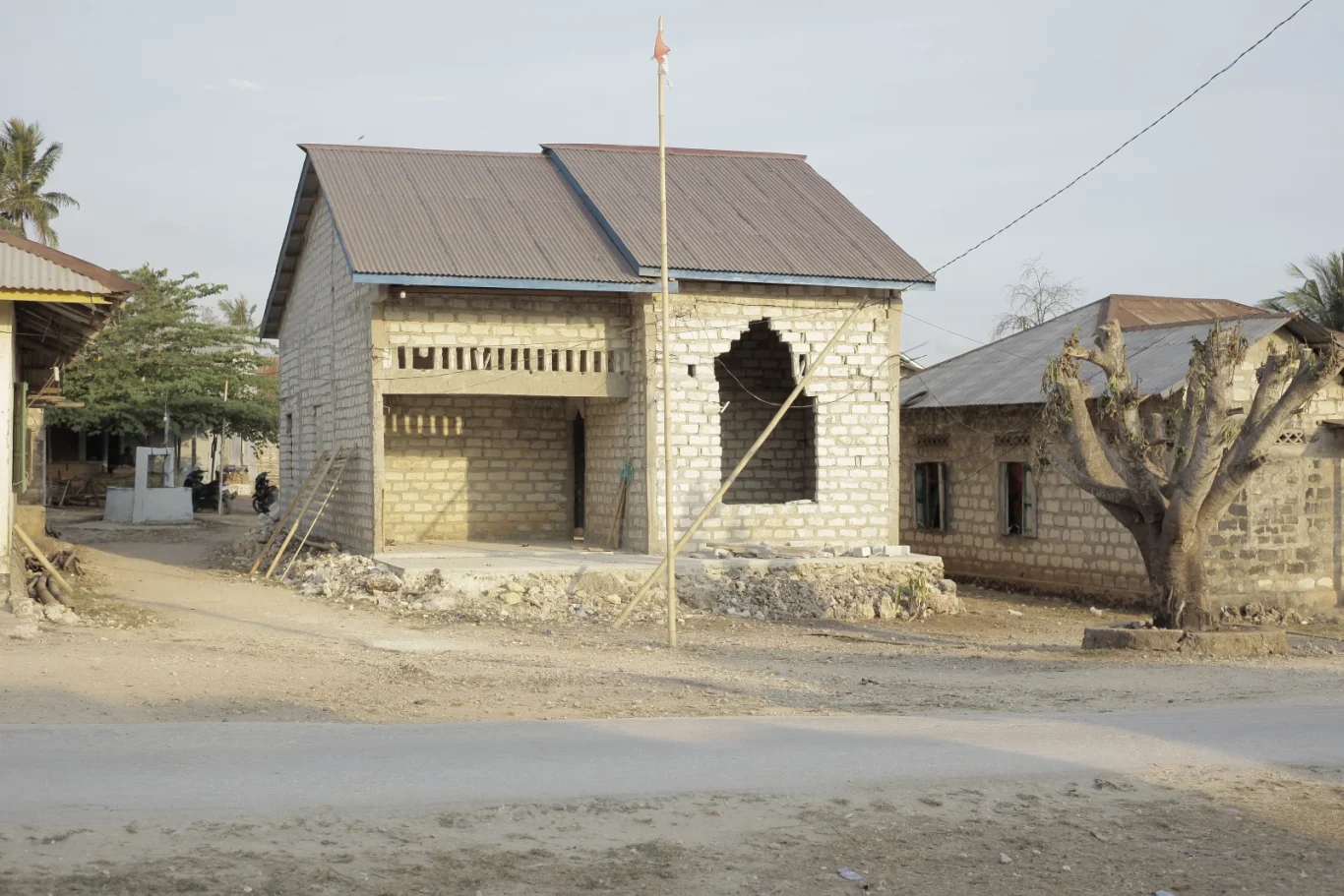
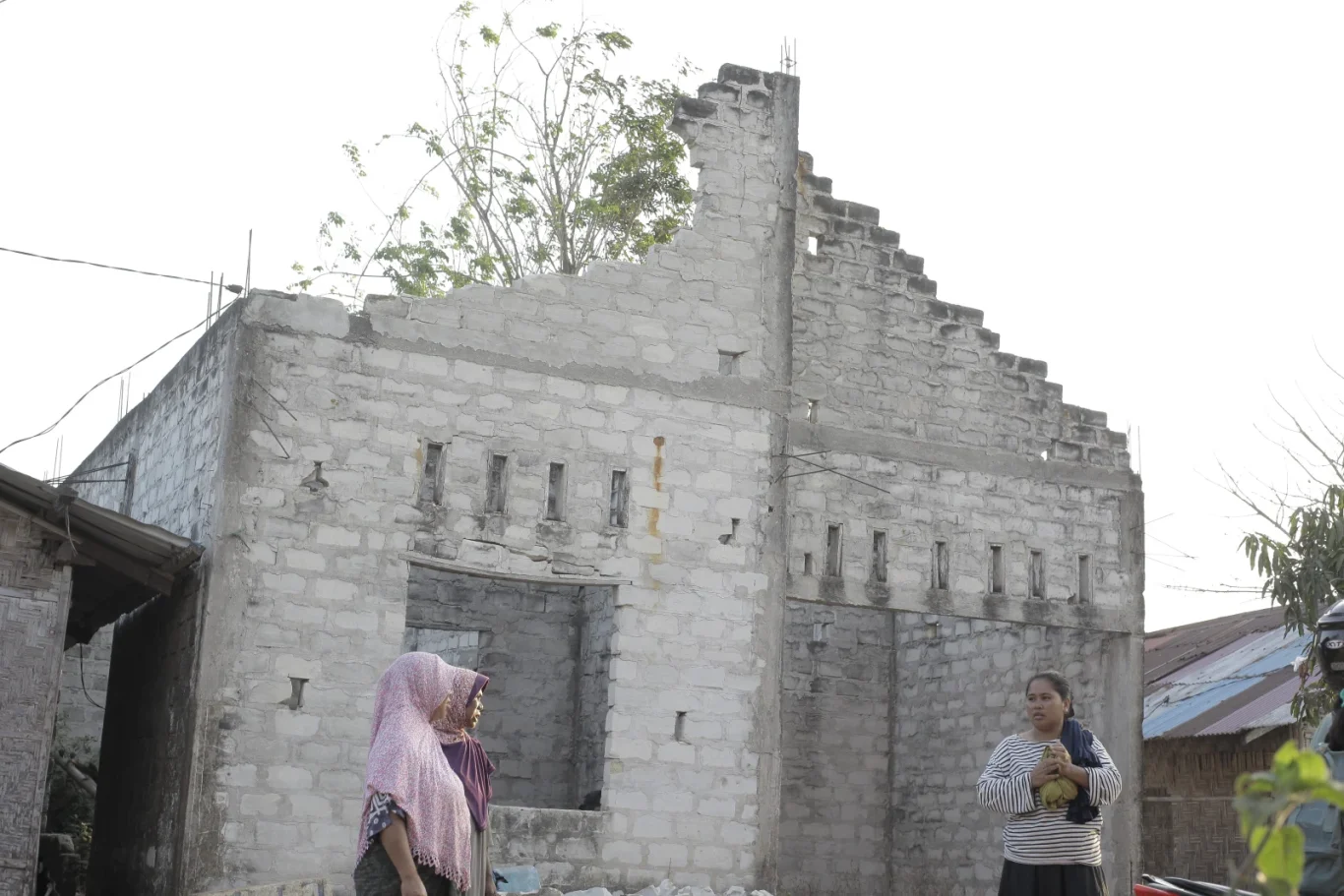
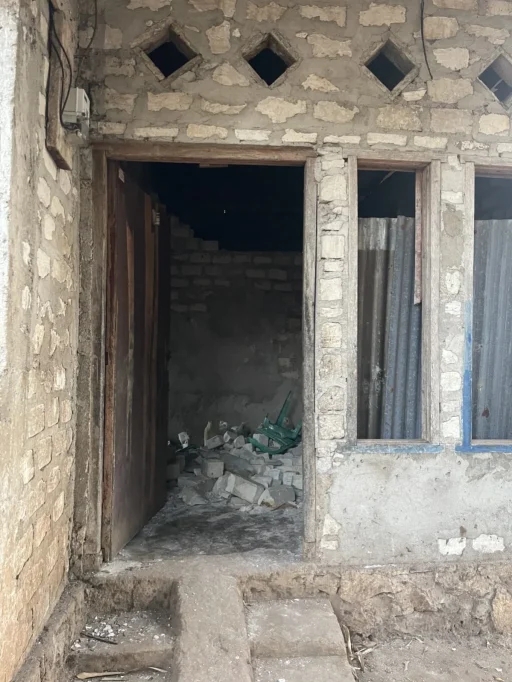
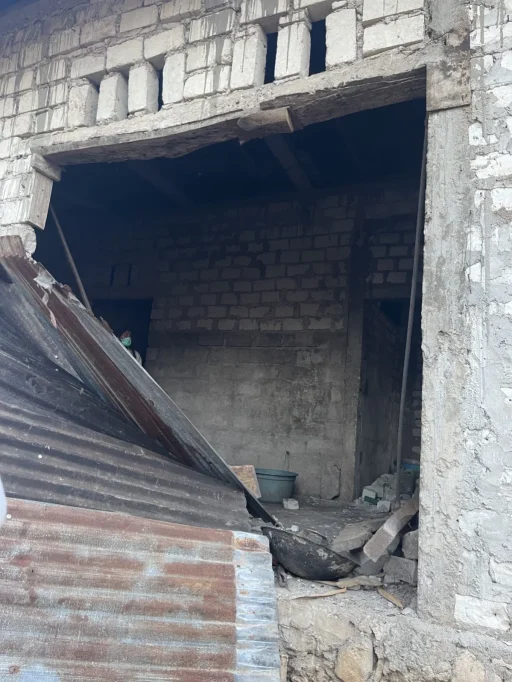
Still in front of the Village Head’s house (the disaster post), we observed a house whose front section had collapsed. It was a newly built structure, completed only about three months ago, and fortunately, no one had moved in yet (Photo 1). Not far from the Village Head’s house, we also noticed another new building that was in the process of undergoing minor collapse (Photo 2).
Community at Pero Konda supports each other
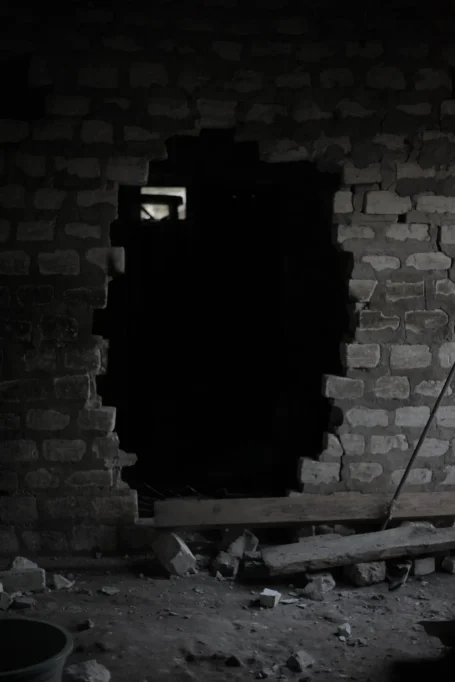
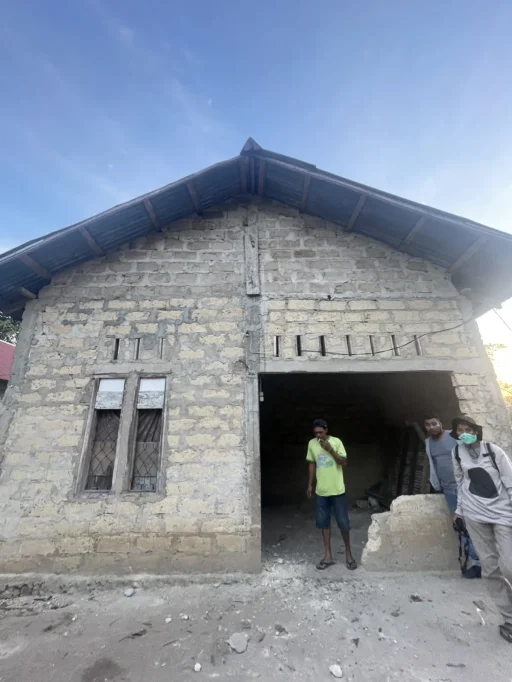
The damage was not limited to cracked walls, several structures also suffered significant fractures that forced residents to evacuate their homes. One particularly affected home belonged to Mr. Sanggore. Located very close to the beach, less than 80 meters from the shoreline, the house showed extremely significant cracking (Photo 3, Photo 4).
Mrs. Yani Sanggore, the wife of Mr. Sanggore, expressed the heartbreak she experienced due to the damage to their three-month-old home, but they were not alone. Neighbors and extended family had already rallied around them, working side-by-side to safely salvage belongings. Mrs. Yani Sanggore shared that she preferred to stay in an emergency tent (Photo 5), which had been set up in the yard outside their damaged home.
Together with staff from the NGO CIS (Circle of Imagine Society) Timor, Mr. Lozze and Ms. Erci, we advised and strongly urged residents, especially children, not to engage in activities around the damaged buildings, given the high risk of collapse.
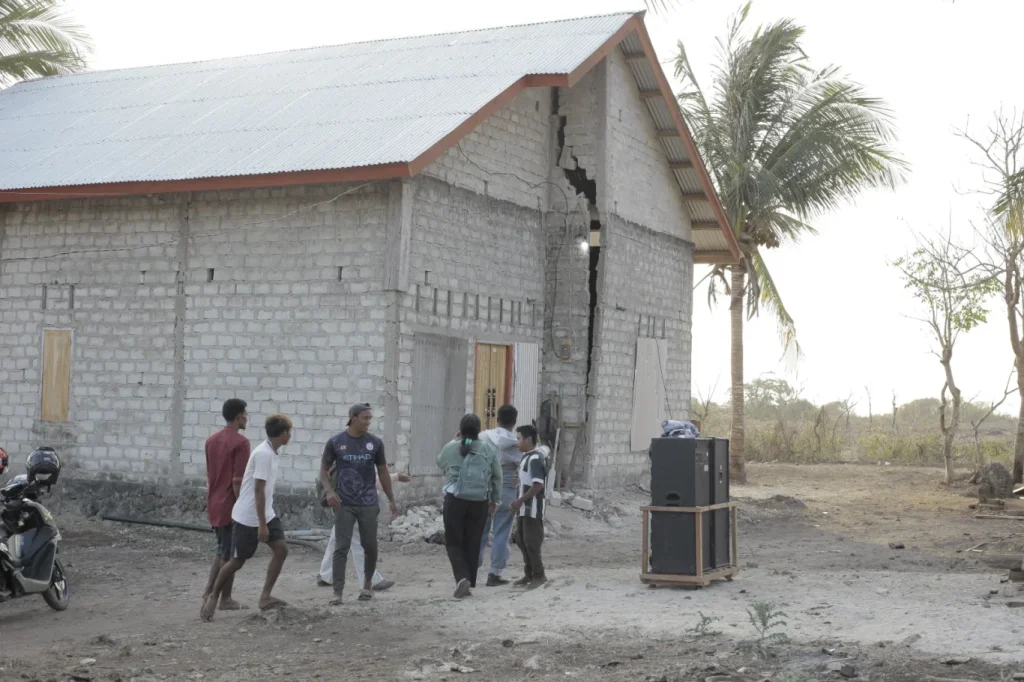
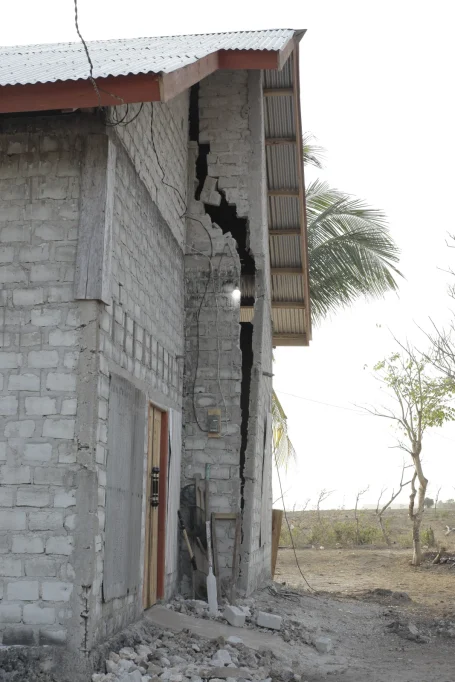
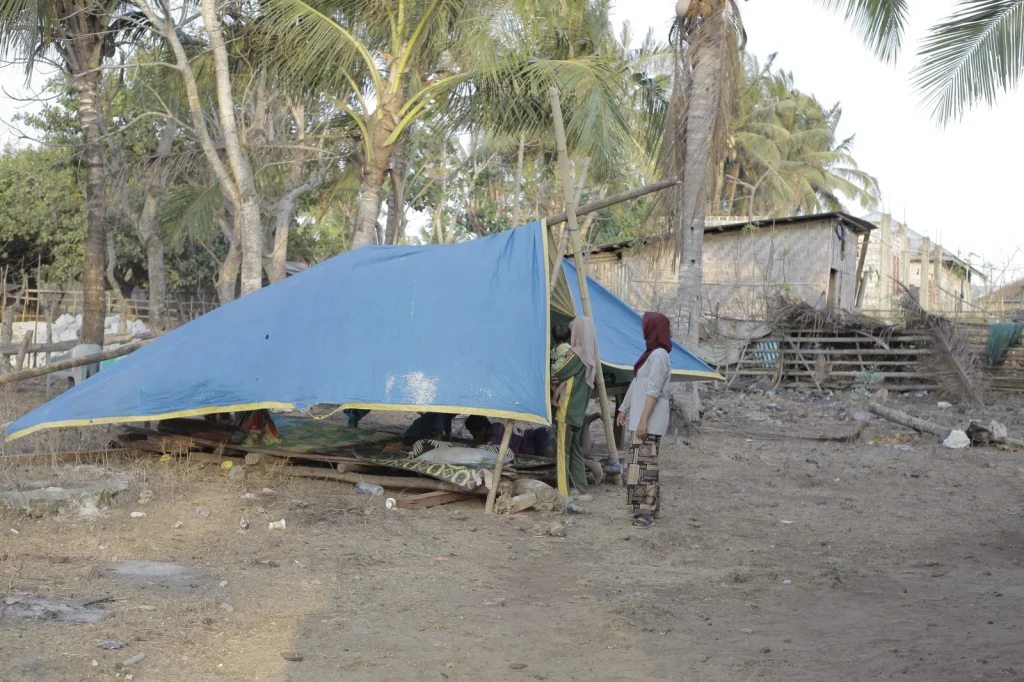
Strongest earthquake to occur in this area
According to the Village Head of Pero Konda, Mr. Koda Sigore, this was the largest earthquake ever to occur in this area. Several residents we met told us they continued to sleep on their house terraces at night after the earthquake, as they were expecting aftershocks.
We visited the home of Mrs. Mifta, where the kitchen wall had collapsed (Photo 6). Due to the damage, she decided not to stay in the house and evacuated to a relative’s home. Mr. Ibrahim Abu Bakar also experienced severe damage to his home (Photo 7, Photo 8, Photo 9). The structural damage was serious enough that he evacuated his entire family. Similarly, Mr. Muhdin Abu Bakar (Photo 10, Photo 11), brother of Mr. Ibrahim Abu Bakar, also evacuated his whole family due to severe structural damage to their home.
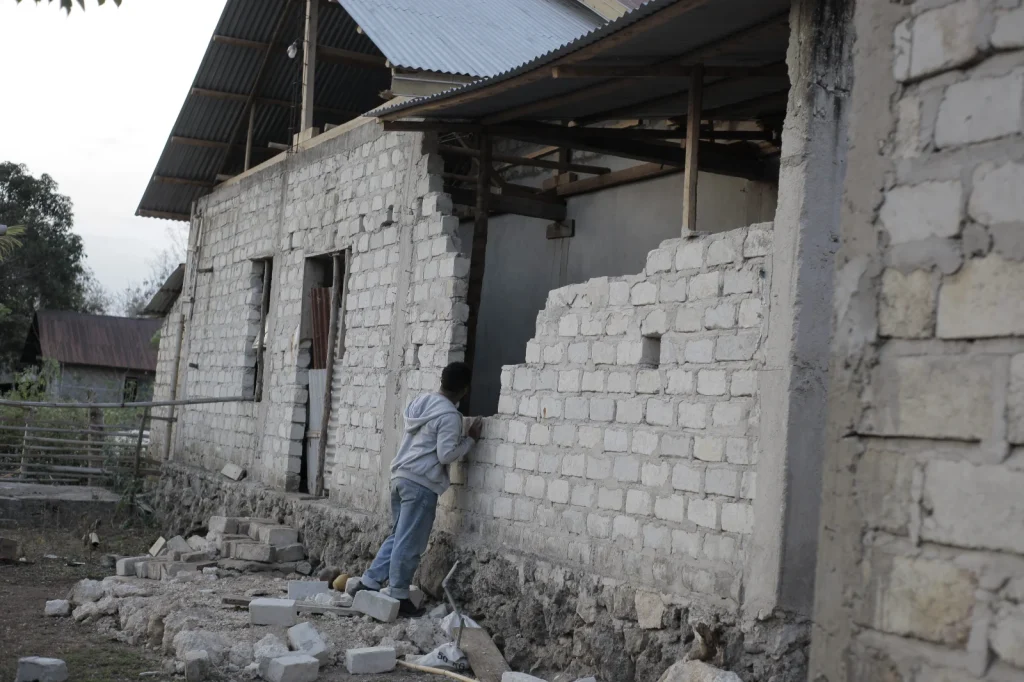
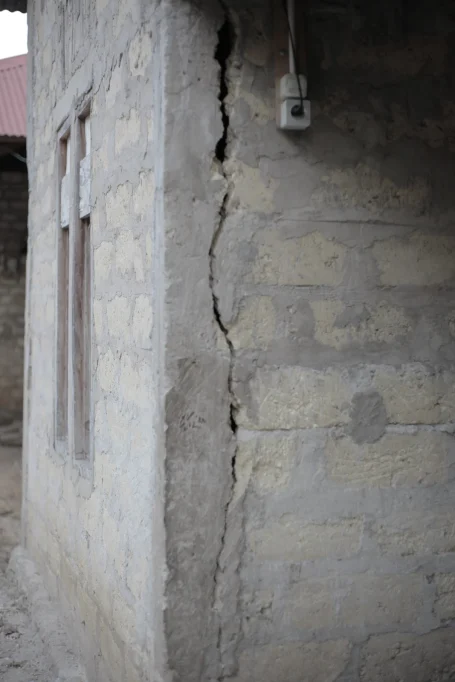
We also met Mr. Imam, whose house suffered fairly severe damage (Photo 12, Photo 13, Photo 14). Despite the condition of his home, he chose to stay and sleep outside the house, while evacuating his family to another relative’s home.
Based on our observations, there was only one emergency tent in Kodi Subdistrict, Pero Konda Village. It was occupied by Mrs. Yani (Photo 5). Other residents, who vacated their homes, chose to stay at other family members’ houses rather than staying in emergency shelters.
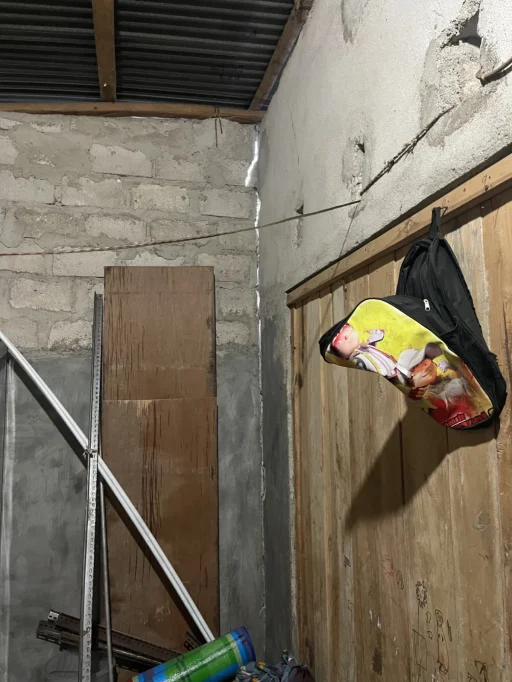
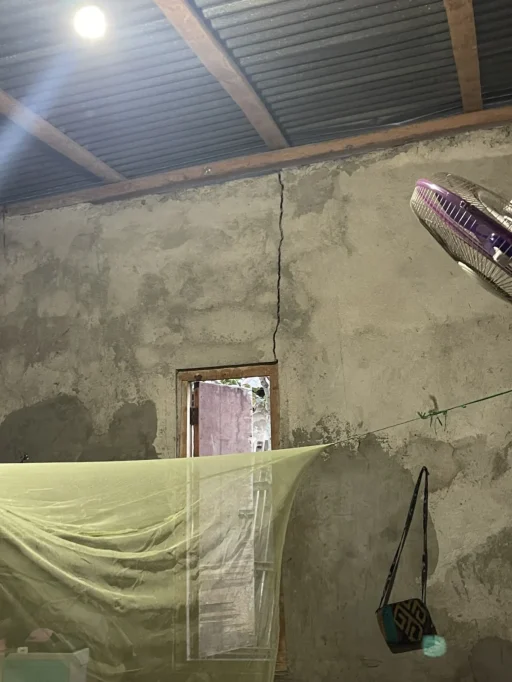
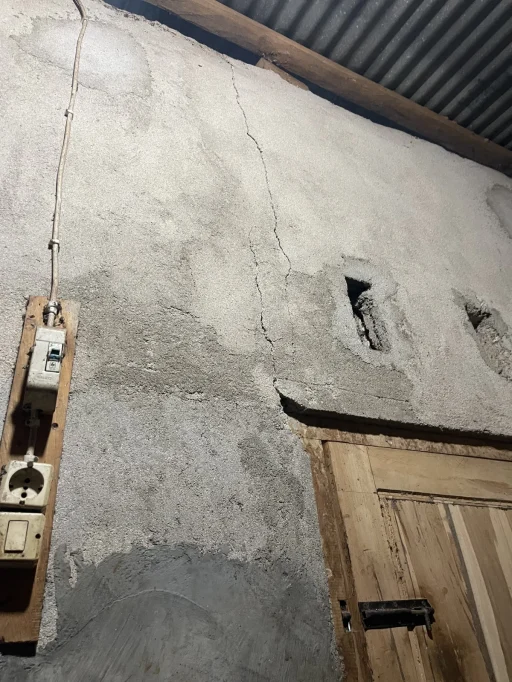
Children are still enthusiastic to come to school
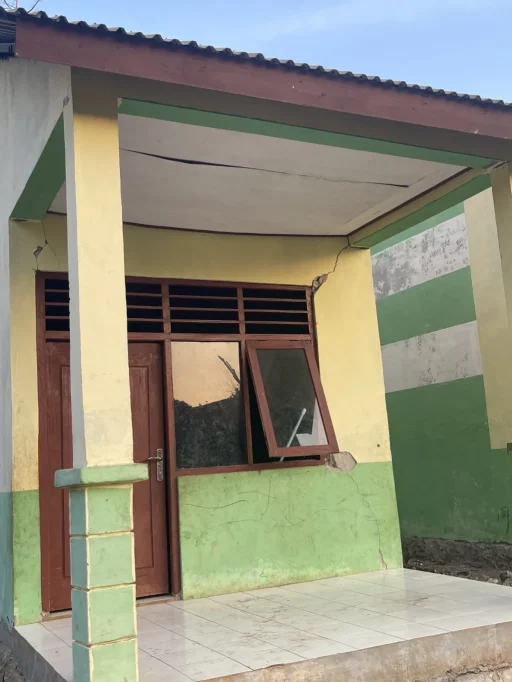
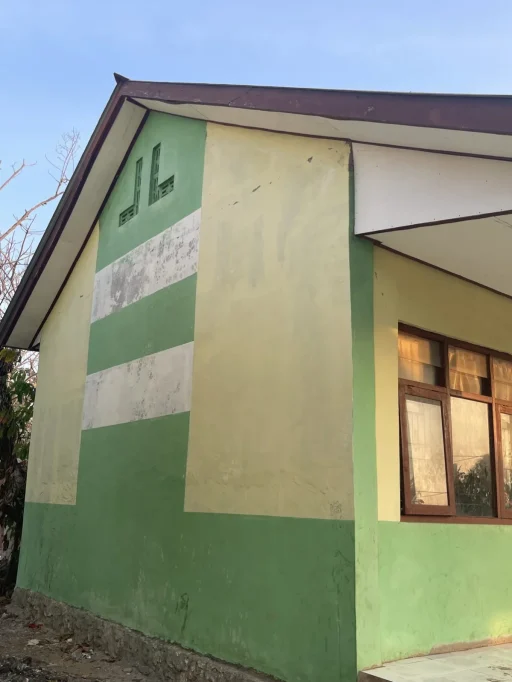
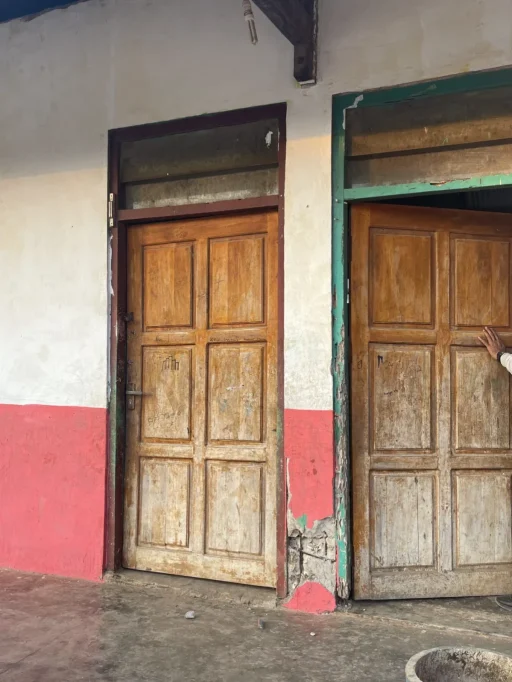
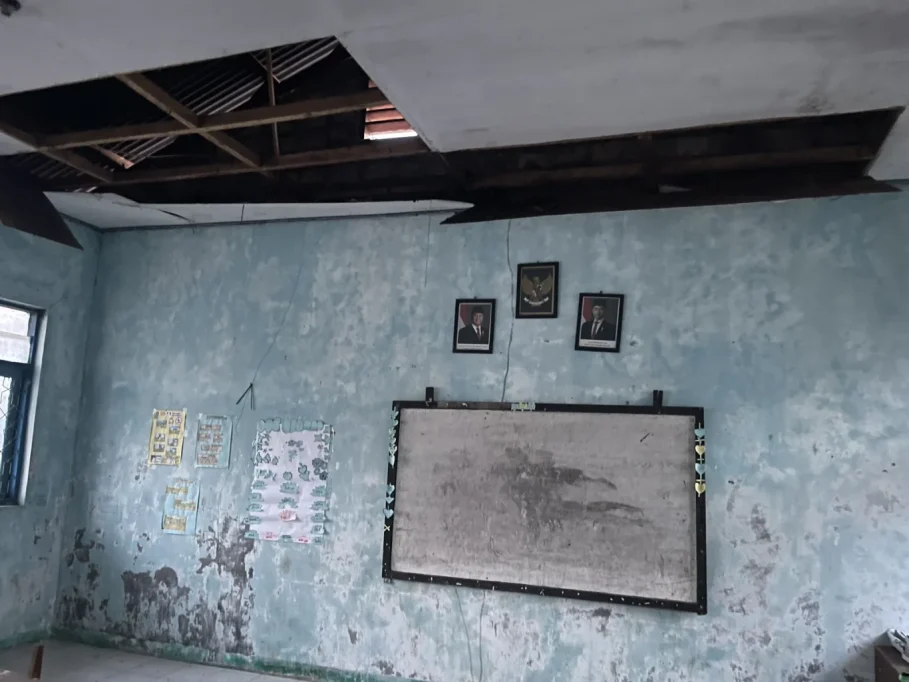
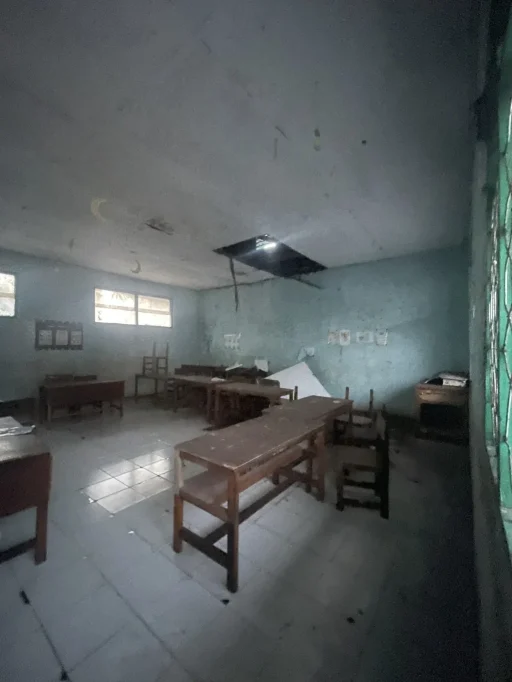
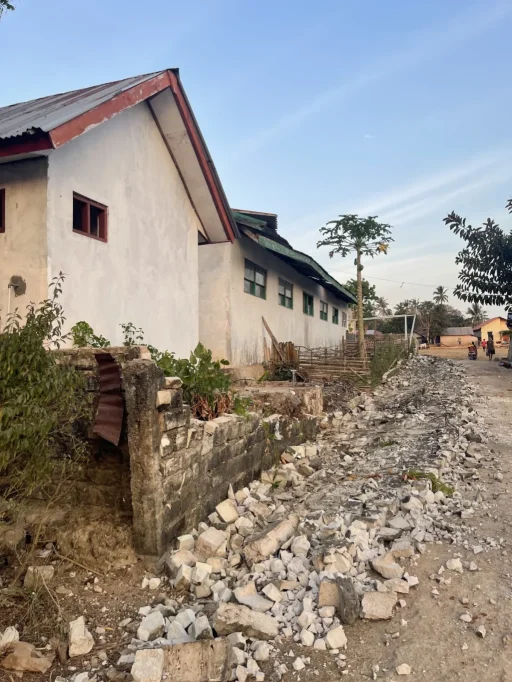
Beyond residential homes, several public facilities were also affected by the earthquake that struck on Sunday morning. One of them was Sekolah Dasar Islam (SDI) Pero, an Islamic elementary school in the area. Our observations at the school revealed: Classroom buildings with cracks on the walls (Photo 15, Photo 16, Photo 17), Ceiling damage in several rooms (Photo 18, Photo 19), Collapsed fence at the back of the school building (Photo 20)
We were accompanied by a teacher, Ms. Inri, who expressed her relief that the earthquake occurred on a Sunday, when children were not at school, which meant the situation remained conducive and no students were harmed. According to Ms. Inri, on Monday, the children were still enthusiastic about coming to school. However, the school principal and teachers continued to emphasize that students must not approach the damaged school buildings.