How to Plan a 7-Day Trip to Sumba
A trip to Sumba isn't difficult; all you need is ome preparation. Here is a clear, step-by-step framework to design your first week on Sumba.
Planning a 7-Day Trip to Sumba
Where popular islands and world-famous destinations suffer from overcrowding, Sumba shines with tranquility and pristine beauty. If it’s your first trip to Sumba, you might be struggling to decide on the perfect itinerary. What should be the exact duration of your stay? How can you budget your stay? Is it even possible to choose the route without arriving on the island? Questions might be infinite, but each question comes with an answer.
Keep reading this detailed guide for insider tips, route plans and transportation info that will make your journey much easier.
Why Is a 7-Day Trip Ideal for Sumba?
Seven days are ideal for experiencing Sumba without rushing and skipping any attractions. The island is huge; windy roads and varying conditions due to changing weather may cause longer travel times than expected. A week allows you to experience both the cultural spots and coastal landscapes while leaving room for spontaneous discoveries.
| Ideal Timing for Sumba | |
|---|---|
| Less than 7 days | You’ll either need to focus on one region or skip most of the attractions. |
| 7 days | You can explore the remote corners of the island and travel at a slower pace without running out of unique experiences. |
| More than 7 days | Surfing, hiking, trekking and cultural experiences may quickly become repetitive, making your journey a tad stale. |
All summed up, the perfect journey to Sumba is about finding the right balance. And, for most travelers, seven days offers perfect stability between highlights and immersion.
First Step: Choosing Your Route
For a week-long trip, it’s best to travel in one direction rather than looping back. So, you should consider starting in one region and concluding on your journey on another. The regions you want to see the most should ideally come first, as you will have more time and less fatigue.
Getting to Sumba
Sumba has two airports: Tambolaka (West Sumba) and Waingapu (East Sumba). You can arrive at the airport located in the region where you’ll spend the first half of your journey and depart from the one where you finish your journey.
West to East
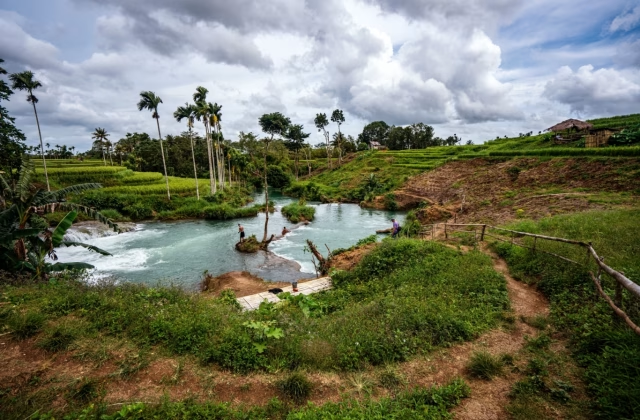
The most rewarding route begins on the western side of the island. Tambolaka and the surrounding areas are characterized by verdant greenery. There are many hidden waterfalls, stunning lagoons and traditional villages in the vicinity.
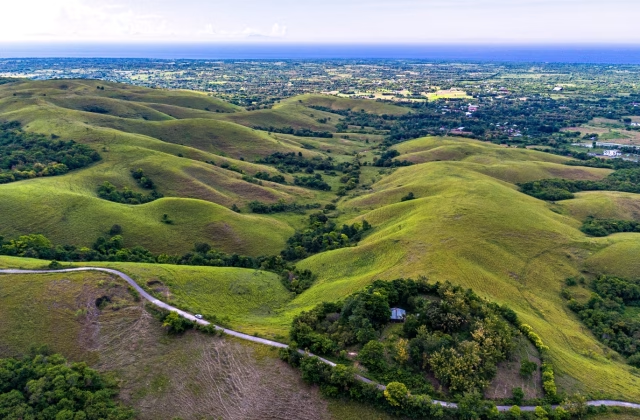
As you travel eastwards, you will witness the lush landscape transition into open savannas and dramatic coastlines. This natural progression gives a true sense of journey, breaking repetition.
This route is ideal for those who wish to enjoy Sumba’s lagoons and waterfalls. You can spare the majority of your trip in the island’s greener part and save the road trip for the second half.
East to West
Waingapu in East Sumba is a great spot to begin your journey. The town is only 10 to 15 minutes away from the famed Walakiri Beach, where dancing mangroves welcome visitors to a dramatic sunset.
Your journey from East to West will take you through a breathtaking savanna, where you’ll drive across expansive valleys. If you travel during dry season, you’ll witness the savanna in its most distinct form: an unfathomable sea of dryland.
This route is ideal for those who wish to have a more cultural experience. You can spend the majority of your time on the island’s savannas, while having one or two extra days to enjoy verdant west.
Curated Itineraries
Second Step: Structure Your Week
Structuring your week is the most important part of planning the trip. You need to determine details such as pacing, highlights you want to see and Plan Bs.
| Pacing | It typically takes 30 minutes to 1 hour traveling between attractions. Instead of trying to see many places in a single day, aim for one or two meaningful stops and leave room for rest or unplanned detours. |
| Highlights | Creating a balanced itinerary is essential. You should pick local highlights, such as waterfalls, lagoons or traditional villages, rather than distant points of interest. Make sure to plan your first and last days in a way that you can rest well. |
Some of the popular attractions on Sumba are:
Step Three: Figure Out Transportation
Sumba is not a walkable place for visitors. Finding a reliable form of transportation is essential when traveling to this vast island. So, the third step of your planning should focus on transportation.
There are various modes of transportation in Sumba, each with their advantages and disadvantages. Although you can try to combine them and use different means throughout your journey, this plan might fail due to the island’s size and humble infrastructure. So, it is recommended to pick one transport and stick to it throughout your journey.
| 3 Main Modes of Transportation in Sumba | |
|---|---|
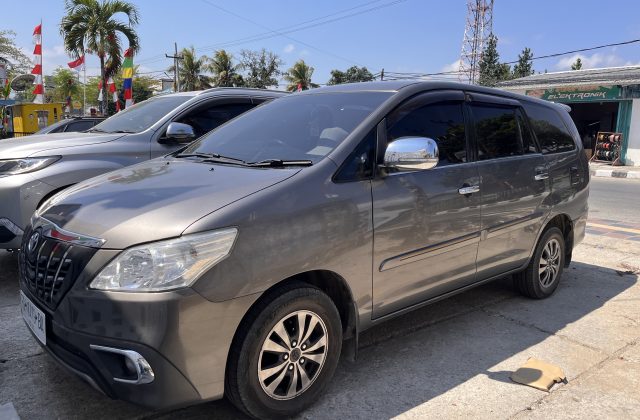
| Hiring a Local Driver | Most common and recommended means of transportation in Sumba. Drivers know local roads, customs, and scenic stops, allowing you to focus on the journey rather than navigation. |
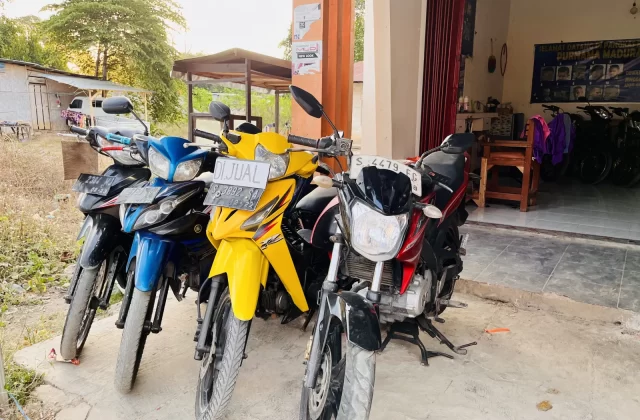
| Car or Motorbike Rentals | Only for experienced drivers but requires extra planning and flexibility due to road conditions and long distances. Motorbikes are usually faster and provide more flexibility but only recommended to seasoned drivers. |
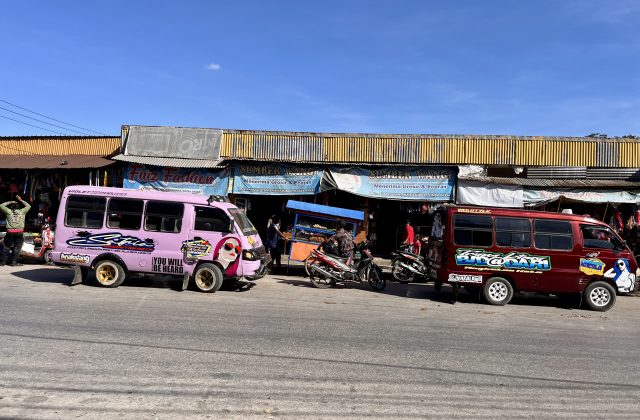
| Public Transport | Available but unreliable. You can use public transport to get around major towns or travel close distances. Not for first timers. |
Related Guides
Step Four: Where to Stay
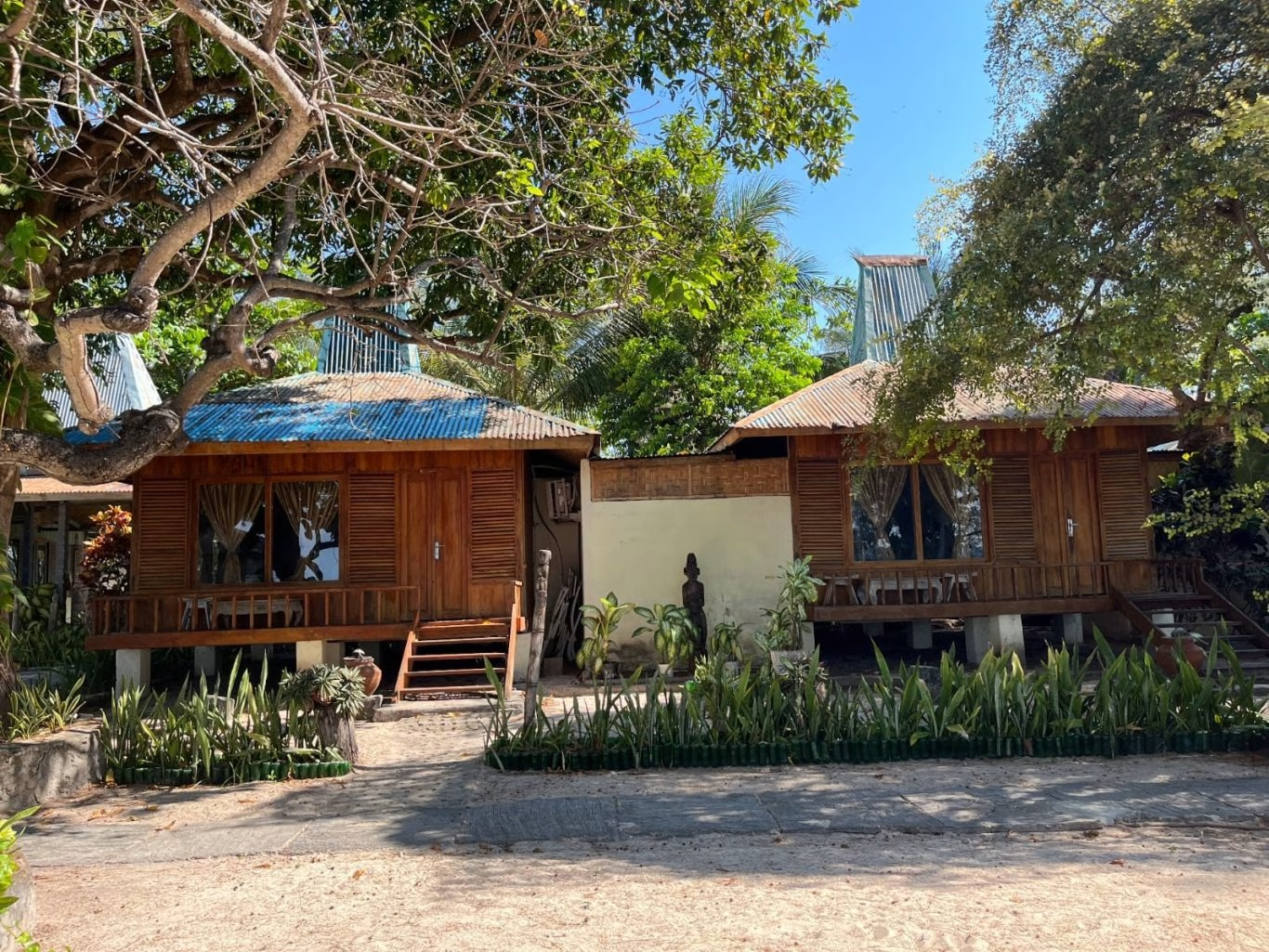
A week-long trip to Sumba calls for comfortable accommodation. Try to choose two or three bases at most, rather than changing accommodation every night. West Sumba offers eco-lodges near waterfalls, while the southwest coast features resorts and surf retreats. The east, on the other hand, provides quieter stays and expansive landscapes.
Different types of accommodation in Sumba are:
- Hotels and resorts: Ideal for long-term stays where certain amenities are sought, such as wellness facilities or professional guides. They can help you contact drivers and local professionals.
- Villas: More flexible than resorts and hotels, as you will have the entire space for yourself.
- Guesthouses and homestays: Most suitable for visitors on a budget. Whereas they do not offer luxury facilities, they allow you to explore Sumba without breaking the bank.
It’s essential to pick an accommodation that matches your travel style, since it helps create a more cohesive experience and reduces travel fatigue.
Step Five: Budgeting Your Trip
Try budgeting for your trip meticulously. Sumba is only accessible via a domestic flight and you will likely be quite far from home. So, always make sure that you have some extra emergency money.
| Budget Trip | From USD 280* |
| Mid-Range Trip | From USD 560** |
| Luxury Trip | From USD 5,000*** |
** Travel by private driver, boutique stays and guided tours.
*** Acommodation at high-end places, bespoke experiences, fine dining.
For a more detailed breakdown of potential expenses, view our Budget & Costs page.
Practical Tips
Carrying cash is essential as ATMs are limited outside major towns.
Costs vary widely depending on accommodation style, but planning helps ensure a smoother journey.
Step Six: Pack Your Suitcase
Light clothing, comfortable shoes, sunscreen, and a reusable water bottle are essentials. Modest attire is recommended when visiting villages, and offline maps are useful in areas with limited connectivity.
Clothing (Wet Season)
Clothing (Dry Season)
Sun & Heat Protection (All Year)
Connection & Transportation (All Year)
Other (All Year)
“Sumba rewards travelers who slow down — the journey matters as much as the destinations.”
Frequently Asked Questions
Are seven days enough for Sumba?
Yes, it’s enough to see highlights across multiple regions, though a longer stay allows deeper exploration.
Do I need a driver?
Most travelers hire a driver for comfort and local insight, especially on longer routes.
Can I travel year-round?
Yes, but the dry season (April–October) offers easier travel and better road conditions.